Content Menu
● What Is Purified Water in Pharmaceuticals?
● Regulatory Framework and Quality Standards
● Why Not Use Potable Water?
● Roles of Purified Water in a Pharmaceutical Preparation System
● Influence on Product Quality and Stability
● Microbiological Control and Patient Protection
● Typical Applications by Dosage Form
● How Purified Water Is Produced and Controlled
● Validation of a Purified Water Pharmaceutical Preparation System
● Operation, Monitoring, and Maintenance
● Integration with Other Utilities in a Pharmaceutical Preparation System
● System Design Considerations for Everheal and Similar Suppliers
● Conclusion
● FAQ
>> 1. Why must pharmaceutical manufacturers validate their purified water systems?
>> 2. How is purified water different from Water for Injection in routine use?
>> 3. What are common monitoring parameters for purified water?
>> 4. Can purified water be used directly for injectable products?
>> 5. How often should a purified water system be sanitized?
● Citations:
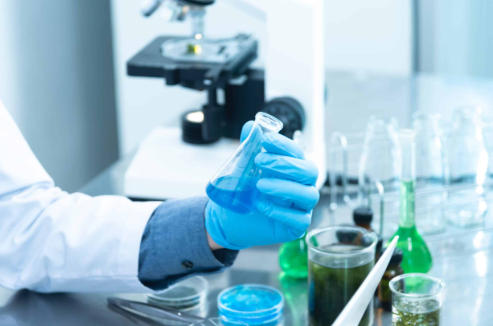
Purified water is used in pharmaceutical preparations because it provides tightly controlled chemical and microbiological purity, which is essential for protecting product quality and patient safety. Within any modern Pharmaceutical Preparation System, purified water is a critical utility for formulation, cleaning, thermal processes, and as feed water for higher‑grade utilities such as Water for Injection and pure steam.[1][4][6][8]
What Is Purified Water in Pharmaceuticals?
Purified water in the pharmaceutical context is water that has been treated to remove inorganic ions, organic contaminants, and microorganisms so that it meets pharmacopeial specifications such as those described in USP and European guidance. These monographs typically control parameters like conductivity, total organic carbon (TOC), and microbial count to ensure that the water is suitable for non‑parenteral dosage forms and a wide range of manufacturing steps in a Pharmaceutical Preparation System.[2][4][6]
Pharmaceutical purified water is produced from potable water using a sequence of unit operations such as filtration, softening, reverse osmosis, deionization, and sometimes distillation or ultrafiltration. After purification, the water is stored and circulated in a hygienic loop using sanitary piping, controlled temperatures, and recirculation to prevent microbial growth and biofilm formation in the Pharmaceutical Preparation System.[3][4][5][8]
Regulatory Framework and Quality Standards
Regulatory authorities and pharmacopoeias require that medicinal products be manufactured using defined grades of water, such as Purified Water, Water for Injection, and sterile water preparations, instead of untreated potable water. Guidance documents from organizations such as EMA, WHO, and FDA specify which minimum water grade must be used for each dosage form and process step in the Pharmaceutical Preparation System.[4][6][1][3]
These regulations also set expectations for system design, validation, and ongoing monitoring of water generation, storage, and distribution. Manufacturers must demonstrate, through documented qualification and continuous control, that their Pharmaceutical Preparation System consistently produces water within predefined limits for chemical and microbiological contaminants, with appropriate alert and action limits.[1][2][3][4]
Why Not Use Potable Water?
Although potable water meets public drinking‑water standards, it is not controlled tightly enough for pharmaceutical manufacturing because its composition can vary significantly and it may contain unacceptable levels of ions, organics, and microorganisms. Such impurities can cause instability, visible particulate formation, discoloration, or microbial proliferation in medicines produced by a Pharmaceutical Preparation System.[8][3][4][1]
Purified water, by contrast, is subject to much stricter limits for conductivity, TOC, and microbial load, ensuring that the risk of chemical reactions or microbial contamination is minimized. Many dosage forms rely on purified water to achieve consistent appearance, pH, clarity, and preservative performance, and to meet pharmacopoeial requirements for quality and safety.[5][6][2]
Roles of Purified Water in a Pharmaceutical Preparation System
In a well‑designed Pharmaceutical Preparation System, purified water is used in multiple roles, so its quality has a direct impact on almost every batch. Key roles include:[9][2]
- As a solvent and vehicle for non‑sterile oral liquids, topical products, and many intermediates or bulk solutions before final processing.[2][4]
- As a rinsing and cleaning medium for equipment, tanks, transfer lines, and primary packaging components that will contact medicinal products.[3][1]
- As feed water to generate higher‑grade utilities, such as Water for Injection and pure steam, which are then used in sterile or high‑risk areas of the Pharmaceutical Preparation System.[6][8]
Because purified water is ubiquitous in manufacturing, a failure to control this single utility can lead to widespread product quality issues, deviations, and even recalls.[4][1]
Influence on Product Quality and Stability
Water often represents the largest fraction of many formulations, so its quality directly influences product performance and shelf life. Dissolved ions like calcium, magnesium, and iron can catalyze degradation reactions or interact with active ingredients and excipients, causing precipitation or reduced potency if not removed by the Pharmaceutical Preparation System.[5][8][9][2]
Organic contaminants and microorganisms can alter pH, consume preservatives, and generate degradation products or endotoxins, which may be harmful or reduce the effectiveness of the medicine. By using purified water that meets defined specifications, manufacturers limit these risks and maintain the desired characteristics of the product throughout its intended shelf life.[6][2][3][4]
Microbiological Control and Patient Protection
A central reason for using purified water in pharmaceutical preparations is microbiological control. Regulatory expectations state that water used to formulate products should not introduce organisms that can grow in the finished product or pose a risk to patients, especially for vulnerable populations.[1][3][4]
Purified water systems are therefore designed to limit microbial counts, typically through combinations of unit operations, appropriate temperatures, continuous recirculation, and periodic sanitization. In a Pharmaceutical Preparation System, consistent microbiological quality of purified water supports effective preservative systems in non‑sterile products and provides a suitable starting point for the generation of Water for Injection and pure steam used in sterile operations.[10][2][4][6]
Typical Applications by Dosage Form
Different types of medicinal products call for different water grades, and purified water is widely used in many areas where the product is not administered parenterally. Common applications of purified water in a Pharmaceutical Preparation System include:[4][6]
- Oral solutions, syrups, and suspensions, provided that the formulation and preservative system are compatible with the specified purified water quality.[2][3]
- Topical preparations, some ophthalmic intermediates, and non‑sterile bulk solutions where tight but non‑injectable water specifications are acceptable.[6][4]
- Cleaning and final rinsing of equipment and containers for both sterile and non‑sterile products, often followed by sterilization or higher‑grade water rinses where required.[3][1]
Injectable products and certain high‑risk sterile preparations typically require Water for Injection, but purified water is commonly used upstream in synthesis, cleaning, and as feed to WFI generation within the Pharmaceutical Preparation System.[10][6]
How Purified Water Is Produced and Controlled
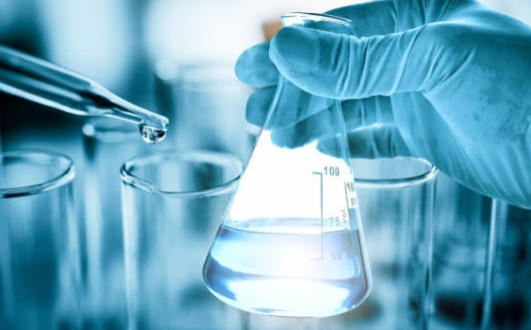
Purified water is usually generated on‑site in pharmaceutical facilities using a combination of pretreatment and high‑purity treatment stages. Typical process trains may include coarse filtration, softening or antiscalant dosing, activated carbon for chlorine and organic removal, followed by reverse osmosis, deionization, and sometimes polishing steps such as ultrafiltration or electrodeionization in the Pharmaceutical Preparation System.[8][5][2]
Once produced, purified water is stored in sanitary tanks and distributed through a closed loop at controlled temperatures and flow velocities to prevent stagnation and biofilm development. Continuous monitoring of parameters like conductivity and TOC, alongside routine microbiological testing, allows early detection of deviations and supports a state of control throughout the Pharmaceutical Preparation System.[2][3][4][6]
Validation of a Purified Water Pharmaceutical Preparation System
Regulatory guidance emphasizes that a purified water system must be properly designed, installed, qualified, and validated before routine use. Validation typically includes design qualification, installation qualification, operational qualification, and performance qualification, with sampling at representative points and under realistic operating conditions in the Pharmaceutical Preparation System.[5][4][2]
During and after validation, manufacturers establish alert and action limits for key parameters such as conductivity, TOC, and microbiological counts, based on both pharmacopeial criteria and actual system performance. The Pharmaceutical Preparation System must then be operated under defined procedures, with periodic requalification and continuous monitoring to demonstrate ongoing compliance and to support Good Manufacturing Practice.[1][3][4][2]
Operation, Monitoring, and Maintenance
After validation, attention shifts to daily operation, monitoring, and maintenance for long‑term reliability of the Pharmaceutical Preparation System. Routine tasks include trending conductivity and TOC measurements, reviewing microbiological test results, inspecting filters and membranes, and verifying sanitization cycles according to a documented schedule.[3][4][2]
Preventive maintenance, such as replacing cartridges, cleaning RO membranes, confirming instrument calibration, and inspecting tank internals and spray devices, is essential to avoid gradual deterioration. A robust Pharmaceutical Preparation System combines engineering controls, automation, alarms, and trained personnel so that any emerging issues are detected and corrected before they impact pharmaceutical preparations.[8][4][5][1]
Integration with Other Utilities in a Pharmaceutical Preparation System
Purified water does not operate in isolation; it is a core part of an integrated Pharmaceutical Preparation System along with utilities such as Water for Injection, pure steam, clean compressed air, and process vacuum. For example, purified water is often the feed for multi‑effect distillation units or membrane‑based WFI systems, and for pure steam generators used in sterilization and heat‑sensitive cleaning operations.[10][6][8]
This integration allows manufacturers to route appropriate water grades to each process step—from raw material dissolution and ingredient transfer to vessel preparation, filling, and terminal sterilization. By viewing purified water as a central utility within the Pharmaceutical Preparation System, companies can optimize layout, reduce cross‑contamination risks, and support efficient and compliant production lines.[4][5][8]
System Design Considerations for Everheal and Similar Suppliers
Specialized equipment suppliers that focus on Pharmaceutical Preparation Systems can help manufacturers translate regulatory expectations into practical engineering solutions. Typical offerings include purified water preparation systems, pure steam generators, multi‑effect distillation water machines, liquid filling and sealing equipment, and sterilization systems that are designed to interface seamlessly.[5][6][8]
In addition, such partners can provide custom plant layout planning, process piping design, automation integration, and commissioning services to ensure that the purified water system is properly sized and aligned with production needs. When combined with lifecycle support—such as validation assistance, performance optimization, and periodic upgrades—the resulting Pharmaceutical Preparation System helps global customers maintain high‑purity water, regulatory compliance, and long‑term operational efficiency.[8][2][4][5]
Conclusion
Purified water is indispensable in pharmaceutical preparations because it provides controlled chemical and microbiological purity, minimizing the risk of product degradation, contamination, and non‑compliance. By embedding purified water generation, storage, and distribution into a carefully designed Pharmaceutical Preparation System, manufacturers can support safe formulations, robust cleaning practices, reliable utility generation, and strong Good Manufacturing Practice performance across all product lines.[6][1][2][4]
FAQ
1. Why must pharmaceutical manufacturers validate their purified water systems?
Validation is required to demonstrate that the purified water portion of the Pharmaceutical Preparation System consistently produces water that meets predefined chemical and microbiological specifications under routine conditions. This documented evidence is a core part of Good Manufacturing Practice and is reviewed by regulators to confirm that water‑related risks are adequately controlled throughout the system's lifecycle.[1][2][3][4]
2. How is purified water different from Water for Injection in routine use?
Purified water is generally used for non‑parenteral products, cleaning, and intermediate processing steps, while Water for Injection has tighter microbial and endotoxin limits and is reserved for injectable and other high‑risk sterile preparations. In a Pharmaceutical Preparation System, purified water often serves as the feed and utility backbone, with WFI produced as a higher‑grade stream where required by dosage form and regulatory guidance.[10][4][6]
3. What are common monitoring parameters for purified water?
Key routine monitoring parameters include conductivity (or resistivity), total organic carbon, and microbial counts, complemented by temperature and flow measurements in the distribution loop. These parameters provide early warning of chemical or microbiological deviations so that the Pharmaceutical Preparation System can be corrected before product quality is affected.[2][3][4][5]
4. Can purified water be used directly for injectable products?
In most regulatory frameworks, injectable products require Water for Injection rather than purified water, because WFI has stricter limits for microorganisms and endotoxins and must be produced using validated high‑purity technologies. Purified water is normally used upstream or for cleaning and utility purposes, while the Pharmaceutical Preparation System supplies WFI specifically to formulation and aseptic processing steps for parenteral products.[4][6][10]
5. How often should a purified water system be sanitized?
Sanitization frequency is determined by system design, microbial performance trends, and risk assessment, but many pharmaceutical facilities sanitize at defined intervals such as weekly or bi‑weekly or whenever microbial levels approach action limits. Both thermal and approved chemical sanitization methods may be employed, and the chosen strategy must be validated as part of the Pharmaceutical Preparation System to ensure sustained microbial control and prevention of biofilm formation.[3][2][4]
Citations:
[1](https://www.fda.gov/inspections-compliance-enforcement-and-criminal-investigations/inspection-technical-guides/water-pharmaceutical-use)
[2](https://www.pharmaguideline.com/2012/07/purified-water-system-validation.html)
[3](https://www.fda.gov/inspections-compliance-enforcement-and-criminal-investigations/inspection-guides/high-purity-water-system-793)
[4](https://www.who.int/docs/default-source/medicines/norms-and-standards/guidelines/production/trs970-annex2-gmp-wate-pharmaceutical-use.pdf?sfvrsn=39eb16b8_0)
[5](https://www.gmp-compliance.org/gmp-news/iso-standard-for-the-production-of-pharmaceutical-water)
[6](https://www.ema.europa.eu/en/documents/scientific-guideline/guideline-quality-water-pharmaceutical-use_en.pdf)
[7](https://puretecwater.com/resources/high-purity-water-quality-standards/)
[8](https://www.veoliawatertech.com/sites/g/files/dvc3601/files/document/2021/03/Pure_Water_Guide_LR_2021_v08-US.pdf)
[9](http://www.uspbpep.com/usp29/v29240/usp29nf24s0_c1231.html)
[10](https://www.cytivalifesciences.com/en/us/insights/what-is-water-for-injection)


