Content Menu
● Understanding the Function of a HEPA Air Filter
>> Where HEPA Air Filters Are Used
● Why HEPA Air Filter Maintenance Matters
● Key Factors That Influence Replacement Frequency
>> 1. Environmental Air Quality
>> 2. Operating Hours and Airflow Volume
>> 3. Type of Manufacturing Processes
>> 4. Pre-Filtration System
>> 5. Installation Quality and Filter Integrity
● Signs It's Time to Replace a HEPA Air Filter
>> 1. Pressure Drop Increases
>> 2. Reduced Airflow or Uneven Distribution
>> 3. Visual Contamination or Filter Discoloration
>> 4. Failed Integrity or Leak Test
>> 5. Documented Operation Time
● Recommended HEPA Air Filter Replacement Schedule
● Best Practices for HEPA Air Filter Replacement
>> 1. Plan System Downtime
>> 2. Maintain Cleanroom Integrity
>> 3. Inspect Housing and Seals
>> 4. Verify with Integrity Testing
>> 5. Keep Comprehensive Maintenance Records
● Cost Implications of Delayed HEPA Air Filter Replacement
● How Everheal Supports Efficient Air Filtration Systems
● Conclusion
● FAQ
>> 1. How often should a HEPA Air Filter be replaced?
>> 2. What happens if you don't replace a HEPA Air Filter?
>> 3. Can a HEPA Air Filter be cleaned and reused?
>> 4. How do you test if a HEPA Air Filter needs replacing?
>> 5. Does climate affect HEPA Air Filter lifespan?
High-Efficiency Particulate Air (HEPA) filters are vital in industries that demand clean, particle-free environments—especially in pharmaceuticals, biotechnology, healthcare, electronics, and food processing. A HEPA Air Filter traps 99.97% of airborne particles as small as 0.3 microns, protecting both sensitive processes and human health.
Knowing when to replace a HEPA Air Filter is essential to maintain optimal air quality, minimize contamination risks, and ensure that cleanroom or production systems meet stringent regulatory standards. This article explores how to identify replacement timelines, understand filter performance indicators, and integrate preventive maintenance strategies in industrial settings.
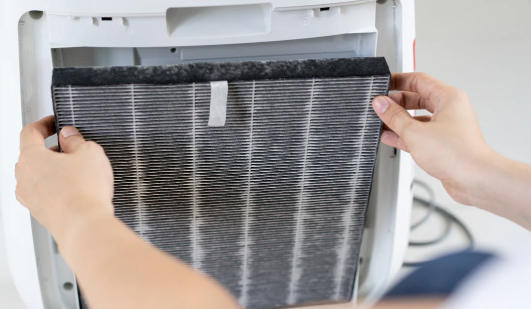
Understanding the Function of a HEPA Air Filter
A HEPA Air Filter consists of a dense mat of fibers—typically fiberglass—designed to capture tiny airborne particles through diffusion, interception, and impaction. Unlike standard filters that focus mainly on large particles, a HEPA filter effectively captures dust, bacteria, mold spores, and even some viruses.
Where HEPA Air Filters Are Used
In the pharmaceutical industry, HEPA Air Filters are essential components of cleanrooms, sterile filling lines, and HVAC systems integrated into production areas. They ensure that air entering critical zones meets ISO cleanliness classifications (such as ISO 5–8 environments).
Other industries where HEPA filters are widely used include:
- Semiconductor manufacturing
- Hospital operating rooms
- Food and beverage processing plants
- Laboratory research facilities
- Aerospace component manufacturing
Each of these applications requires strict air purity standards, making proactive filter maintenance a cornerstone of facility operations.
Why HEPA Air Filter Maintenance Matters
HEPA Air Filters don't last forever. Over time, they accumulate particles, which increases airflow resistance and decreases efficiency. When airflow becomes restricted, air handling units must work harder, leading to higher energy consumption, potential equipment strain, and uneven air distribution.
From a regulatory standpoint, replacing HEPA filters at appropriate intervals ensures compliance with international cleanroom standards such as ISO 14644, GMP (Good Manufacturing Practice), and FDA guidelines. Delayed replacement can result in contamination, compromised sterile conditions, and costly production downtime.
Key Factors That Influence Replacement Frequency
The lifespan of a HEPA Air Filter depends on multiple operational and environmental variables. The following factors determine how often replacement is necessary:
1. Environmental Air Quality
If your facility is located in an area with high dust, pollutants, or humidity, the HEPA filter will clog more quickly. For instance, pharmaceutical facilities in industrial zones or near construction sites often replace filters more frequently than those in clean environments.
2. Operating Hours and Airflow Volume
Continuous or 24-hour operation causes more rapid filter loading compared to facilities that run part-time. When airflow volume is high, fine particles accumulate faster, shortening filter life.
3. Type of Manufacturing Processes
Processes that generate fine powders, vapors, or aerosols—such as tablet coating, chemical synthesis, or aseptic filling—pose additional filtration challenges. Each process should have a customized maintenance schedule for its HEPA Air Filters.
4. Pre-Filtration System
The efficiency and condition of pre-filters significantly affect HEPA filter longevity. If pre-filters are poorly maintained or missing, HEPA filters face direct exposure to heavy particulate loads and thus degrade faster.
5. Installation Quality and Filter Integrity
Improper sealing or installation gaps compromise filter performance. Even a small leak around a HEPA Air Filter frame can allow contaminants to bypass filtration, rendering the system inefficient regardless of the filter's physical lifespan.
Signs It's Time to Replace a HEPA Air Filter
Knowing the right replacement time is as much about monitoring performance metrics as it is about observing visual or operational signs.
1. Pressure Drop Increases
Differential pressure gauges measure the difference between upstream and downstream airflow resistance. When the pressure drop exceeds permissible limits (usually 250–500 Pa, depending on system design), it's a clear indicator that the HEPA Air Filter is loaded and requires replacement.
2. Reduced Airflow or Uneven Distribution
When insufficient air passes through HVAC outlets, this suggests clogging or airflow imbalance, both of which can compromise cleanroom classification and product quality.
3. Visual Contamination or Filter Discoloration
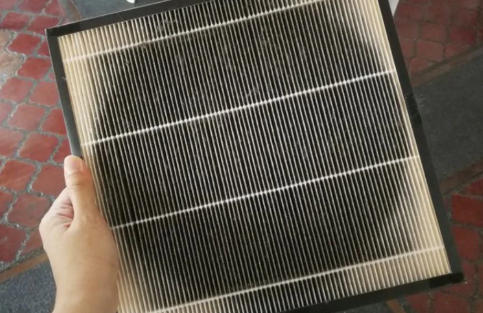
Visible dirt, darkening, or localized dust patches near filter edges indicate heavy loading or leaks. Filters showing these symptoms should be replaced immediately.
4. Failed Integrity or Leak Test
Routine integrity testing using aerosol challenge methods (such as DOP or PAO testing) is mandatory in regulated industries. Any test failure—like pinhole leaks or gasket damage—necessitates immediate replacement.
5. Documented Operation Time
Some facilities establish fixed lifetime schedules based on manufacturer recommendations (typically 6 to 12 months for pre-filters and 1 to 3 years for HEPA filters). When the designated operational time expires, filters are changed regardless of apparent performance.
Recommended HEPA Air Filter Replacement Schedule
While actual replacement intervals vary, general industrial guidelines can help set a baseline strategy:
| Facility Type | Recommended Replacement Interval |
| Pharmaceutical cleanroom (ISO 5–7) | Every 1–2 years |
| Hospital operating theaters | Every 2–3 years |
| Industrial cleanrooms | Every 1–3 years |
| Electronic/electrical assembly | Every 2–4 years |
| Food processing plants | Every 1–2 years |
Note: Always complement time-based replacement with performance-based monitoring, as environmental and operational factors differ widely.
Best Practices for HEPA Air Filter Replacement
1. Plan System Downtime
Coordinate replacement during scheduled maintenance windows to avoid unplanned production interruptions. In pharmaceutical manufacturing, this is typically done between product campaigns or batch cycles.
2. Maintain Cleanroom Integrity
Before removing old filters, seal off the area to prevent cross-contamination. Technicians should wear appropriate cleanroom garments, gloves, and respiratory protection.
3. Inspect Housing and Seals
Before inserting a new HEPA Air Filter, clean the filter housing thoroughly and check the gaskets for deformation or wear. Proper sealing ensures leak-free operation.
4. Verify with Integrity Testing
After installation, conduct a PAO (polyalphaolefin) or DOP (dioctyl phthalate) test to confirm that the new filter meets performance specifications. Document results for audit compliance.
5. Keep Comprehensive Maintenance Records
Track each filter's installation date, test results, and replacement history. A structured data log allows predictive maintenance and easier traceability for regulatory audits.
Cost Implications of Delayed HEPA Air Filter Replacement
Delaying HEPA Air Filter replacement to save costs often leads to greater long-term expenses. When filters exceed their operational limit, airflow resistance increases, which strains fans and air handling units—raising electricity consumption by up to 20–30%.
Moreover, compromised filtration can result in contamination incidents, forcing costly product recalls or line shutdowns. For companies following GMP, non-compliance with air cleanliness standards can lead to audit failures, regulatory penalties, and loss of customer confidence.
Performing regular inspections and replacing filters proactively saves both time and capital by sustaining energy efficiency and process integrity.
How Everheal Supports Efficient Air Filtration Systems
At Everheal, we supply advanced HEPA Air Filter systems integrated into pharmaceutical utilities such as:
- Pure water preparation units
- Pure steam generators
- Multi-effect distillers
- Liquid filling and sealing machines
- Sterilization and cleanroom air systems
Our engineering teams design comprehensive cleanroom air preparation solutions, combining custom HVAC designs, filter housing systems, and validation procedures that align with GMP and ISO 14644 standards.
Everheal also provides turnkey factory layout planning and production line optimization for clients worldwide. We assist in establishing preventive maintenance programs that clearly define HEPA Air Filter replacement timelines, ensuring long-term reliability and regulatory compliance.
Conclusion
Replacing a HEPA Air Filter at the correct interval is more than a maintenance task—it's a cornerstone of quality assurance. By paying attention to filter pressure drops, integrity tests, and environmental loading conditions, industrial operators can prevent contamination, improve system efficiency, and maintain compliance with cleanroom standards.
For pharmaceutical and high-precision manufacturing environments, a proactive strategy—combining time-based replacement with continuous monitoring—ensures stable air quality and process safety. Partnering with an equipment expert like Everheal simplifies this process by providing integrated filtration systems, global technical support, and tailor-made maintenance planning.
FAQ
1. How often should a HEPA Air Filter be replaced?
Most HEPA Air Filters in industrial environments should be replaced every 1–3 years. However, operating conditions, air quality, and process type can shorten or extend this interval.
2. What happens if you don't replace a HEPA Air Filter?
Failure to replace clogged filters leads to lower airflow, energy inefficiency, contamination risk, and potential process failure—especially in pharmaceutical and healthcare facilities.
3. Can a HEPA Air Filter be cleaned and reused?
True HEPA Air Filters are designed for single use. While some pre-filters can be cleaned, HEPA media are delicate and lose efficiency after washing or vacuuming.
4. How do you test if a HEPA Air Filter needs replacing?
Monitor differential pressure across the filter and conduct integrity tests (e.g., PAO or DOP tests). A pressure increase beyond recommended limits or test failure indicates replacement is necessary.
5. Does climate affect HEPA Air Filter lifespan?
Yes. High humidity or temperature accelerates fiber degradation and microbial growth, reducing effective operational life. Regular environmental monitoring helps optimize replacement schedules.


