Content Menu
● Understanding Air Purification Fundamentals
● What Is a HEPA Air Filter?
>> How HEPA Filters Work
>> Common Applications of HEPA Air Filters
● What Is an Air Purifier?
>> Key Components of an Air Purifier
● HEPA Filter vs. Air Purifier: The Core Difference
● The Role of HEPA Air Filters in Pharmaceutical Applications
>> Cleanroom Standards and Compliance
>> Filter Grades and Selection
● How Air Purifiers Are Used in Industrial and Laboratory Settings
● Maintenance and Replacement Practices
>> HEPA Air Filter Maintenance
>> Air Purifier Maintenance
● Energy Efficiency and Cost Considerations
● Future Trends in Air Purification Technology
● Conclusion
● FAQ
>> 1. What does HEPA mean in HEPA Air Filter?
>> 2. Can I use a HEPA Air Filter without an air purifier?
>> 3. How often should HEPA Air Filters be replaced?
>> 4. Are all air purifiers equipped with HEPA Air Filters?
>> 5. Why are HEPA Air Filters critical in pharmaceutical production?
In modern industrial and pharmaceutical environments, maintaining clean and controlled air quality is not just a matter of comfort—it's a critical safety and compliance requirement. One of the most common topics that confuses buyers and facility managers is the difference between a HEPA Air Filter and an air purifier. Though these two devices are often related, they serve distinct functions in air filtration systems, including those found in pharmaceutical plants and cleanrooms.
This article will explore how HEPA Air Filters and air purifiers differ, how they operate, and where each should be used, especially within high-purity industries like healthcare, laboratory production, and pharmaceuticals.
Understanding Air Purification Fundamentals
Air quality management has become essential in all sectors—from home environments to industrial clean zones. Contaminants such as dust, microbes, volatile organic compounds (VOCs), and aerosols can compromise health or product quality.
In pharmaceutical manufacturing, airborne particulates can lead to contamination of drugs or injectable fluids, which makes the application of HEPA Air Filters and advanced air purification systems indispensable parts of cleanroom engineering.
Air purification technology can include several layers or mechanisms, such as:
- Mechanical filtration (physical trapping of particles by filters)
- Activated carbon adsorption (for odors and gases)
- Ultraviolet sterilization (for microbial deactivation)
- Ionization or electrostatic precipitation (charging and trapping particles)
Among these, HEPA Air Filters are the backbone of most purification systems because they provide the highest particle filtration efficiency.
What Is a HEPA Air Filter?
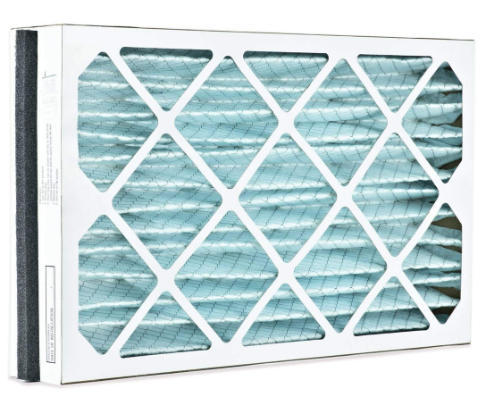
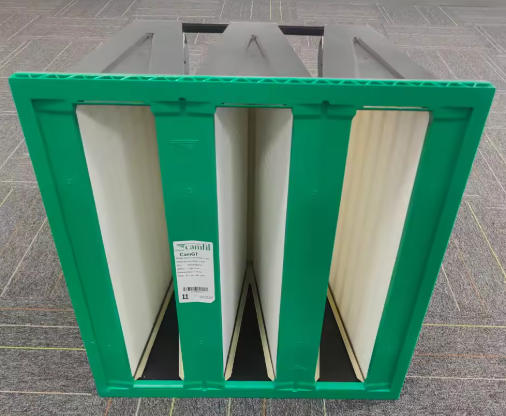
HEPA stands for High-Efficiency Particulate Air. A HEPA Air Filter is designed to capture at least 99.97% of particles that are 0.3 microns in diameter—the most penetrating particle size (MPPS).
How HEPA Filters Work
Unlike simple mesh screens, a HEPA Air Filter uses a complex configuration of interlaced glass fibers arranged in a random pattern. These fibers trap particles through three main mechanisms:
1. Interception: Particles follow airflow and attach to fibers when they pass close enough.
2. Impaction: Larger particles collide directly with fibers and get stuck.
3. Diffusion: Small particles move erratically (Brownian motion) and eventually hit a fiber and adhere.
Through this combination, even microscopic bacteria and viral aerosols are effectively filtered.
Common Applications of HEPA Air Filters
HEPA filters are integral to:
- Pharmaceutical cleanrooms – Ensuring sterility in filling, sealing, and packaging operations.
- Hospitals and laboratories – Protecting patients and researchers from airborne pathogens.
- Electronics manufacturing – Preventing dust particles from damaging delicate circuit boards.
- HVAC and ventilation systems – Used in air handling units for purified air circulation.
In the context of Everheal's production environments, HEPA Air Filters are often built into purification modules within sterilization and water treatment systems to ensure GMP compliance.
What Is an Air Purifier?
An air purifier is an appliance or system designed to clean the air by removing pollutants, allergens, microbes, and chemical contaminants. It can incorporate several types of filters or purification technologies, often including a HEPA Air Filter as part of its structure.
Essentially, an air purifier is a complete unit that uses one or more filters or technologies to actively clean the air circulating in a defined space.
Key Components of an Air Purifier
An air purifier typically includes:
- Pre-filter: Captures large particles such as dust and hair.
- HEPA Air Filter: Removes fine particulates including bacteria and pollen.
- Activated carbon filter: Adsorbs odor molecules, smoke, and VOCs.
- Fan or blower system: Maintains airflow through filter layers.
- Optional UV-C light or ionizer: Destroys or neutralizes microorganisms.
The combination of these elements determines the purifier's efficiency and suitability for specific environments such as pharmaceutical production zones, offices, or laboratories.
HEPA Filter vs. Air Purifier: The Core Difference
Although HEPA Air Filters and air purifiers are closely related, they are not interchangeable. The key differences lie in their function, structure, and application scope.
| Aspect | HEPA Air Filter | Air Purifier |
| Definition | A filtration medium that traps particles ≥0.3 microns with 99.97% efficiency. | A device/system that uses filters (including HEPA) to purify circulating air. |
| Function | Serves as one component of air purification or ventilation systems. | Functions as a complete air-cleaning unit with multiple filtration stages. |
| Technology | Passive mechanical filtration. | Active air treatment combining multiple filter types and purification technologies. |
| Applications | Cleanrooms, pharma equipment, and HVAC systems. | Home, commercial, or industrial environments needing purified air. |
| Maintenance | Requires replacement after predetermined operational hours. | Comprises multiple filters that need regular maintenance or UV lamp replacement. |
In short, the HEPA Air Filter is part of the air purifier, but an air purifier is a broader system. You can think of it this way:
- The HEPA Air Filter is like the “engine” of purity, focusing on fine particulate removal.
- The Air Purifier is the “complete machine,” integrating several purification tools for comprehensive air hygiene.
The Role of HEPA Air Filters in Pharmaceutical Applications
Pharmaceutical manufacturing demands exceptional control over air purity to prevent contamination of products such as vaccines, injectables, and sterile liquids.
Cleanroom Standards and Compliance
Every area in a pharmaceutical facility is classified according to ISO 14644 or GMP (Good Manufacturing Practice) standards. These classifications dictate the acceptable particle count per cubic meter of air. HEPA Air Filters are critical to achieving these standards.
At Everheal, for example, HEPA Air Filters are integrated into:
- Laminar airflow systems for aseptic filling operations.
- Pure steam generators and distilled water systems, ensuring no airborne impurities compromise product water quality.
- Sterilization tunnels and isolators, maintaining sterile conditions during vial sealing and filling.
Filter Grades and Selection
HEPA filters are graded based on their efficiency. Common HEPA grades include:
- H13 Filters: Capture 99.95% of particles at 0.3 microns.
- H14 Filters: Capture 99.995% of particles at the same size.
The choice between H13 and H14 depends on the contamination control level required and airflow conditions.
How Air Purifiers Are Used in Industrial and Laboratory Settings
In pharmaceutical plants and laboratories, standalone air purifiers supplement central HVAC systems to maintain localized zones of cleanliness.
These may operate in:
- Compounding and formulation rooms, minimizing particulate load from raw materials.
- Quality control laboratories, preventing contamination of analytical instruments.
- Storage areas, where environmental stability is crucial for sensitive materials.
Industrial-grade air purifiers can deliver continuous airflow with high CADR (Clean Air Delivery Rate) values and integrated HEPA Air Filters, ensuring consistent purification efficiency 24/7.
Maintenance and Replacement Practices
HEPA Air Filter Maintenance
HEPA filters cannot be washed or reused. Their fibers lose structural integrity if exposed to water or high pressure. They should be:
- Replaced according to operational hours or pressure drop indicators.
- Stored under dry, sealed conditions before installation.
- Certified or integrity-tested using DOP or PAO tests to verify performance.
Air Purifier Maintenance
Air purifiers require:
- Regular pre-filter cleaning (monthly).
- Activated carbon filter replacement (every 6–12 months).
- HEPA filter replacement (annually or as needed).
- System calibration for airflow balance in industrial models.
Proper maintenance ensures compliance with ISO and GMP environmental controls and maintains long-term cost efficiency.
Energy Efficiency and Cost Considerations
Although HEPA Air Filters deliver ultra-high efficiency, their dense fiber structure increases airflow resistance. This can raise energy costs if used in large-scale air handling units.
Modern air purifiers and ventilation systems are now designed with:
- Low-pressure-drop HEPA filters
- Smart sensors monitoring air quality and system load
- Variable frequency drives (VFDs) that adapt fan speed to real-time conditions
These innovations balance performance with operational economy, making HEPA Air Filters both energy-efficient and sustainable for large industrial applications.
Future Trends in Air Purification Technology
The next generation of HEPA Air Filters and purification systems integrates automation, IoT-based air quality tracking, and self-sterilizing materials.
Emerging trends include:
- Antimicrobial-coated HEPA media to suppress bacterial growth.
- Smart filters with real-time clogging alerts via sensors.
- Modular cleanroom air purifiers designed for rapid pharmaceutical line reconfiguration.
These advancements align with the pharmaceutical industry's push toward smart manufacturing and enhanced environmental safety.
Conclusion
The difference between a HEPA Air Filter and an air purifier lies in scope and functionality. While the HEPA Air Filter is a high-efficiency filtration medium specifically designed to trap microscopic particles, the air purifier is a complete system incorporating the HEPA filter and other technologies for comprehensive air cleaning.
In pharmaceutical applications, both components are essential—HEPA Air Filters serve as the cornerstone of sterile air management, and air purifiers ensure local air integrity in production and laboratory settings.
Understanding how these systems complement each other is vital for maintaining optimal air purity, ensuring product quality, and meeting global GMP and ISO standards.
FAQ
1. What does HEPA mean in HEPA Air Filter?
HEPA stands for High-Efficiency Particulate Air. It refers to filters capable of removing at least 99.97% of particles measuring 0.3 microns in diameter.
2. Can I use a HEPA Air Filter without an air purifier?
Yes, but it depends on the system. In central HVAC or cleanroom systems, HEPA Air Filters work independently. However, air purifiers often combine HEPA with other filters for comprehensive cleaning.
3. How often should HEPA Air Filters be replaced?
Typically, every 12 to 18 months in industrial systems. However, in high-contamination environments, replacement may be needed sooner based on pressure drop or airflow monitoring results.
4. Are all air purifiers equipped with HEPA Air Filters?
Not necessarily. Some low-cost purifiers use HEPA-like or synthetic filters, which do not meet true HEPA standards. Always check the filter grade (H13 or H14) for guaranteed efficiency.
5. Why are HEPA Air Filters critical in pharmaceutical production?
They are crucial for preventing airborne contamination that could compromise drug safety or sterility, ensuring all operations comply with GMP and ISO cleanroom requirements.


