Content Menu
● Understanding Banana Bag Composition
● The Hydration Component of Banana Bag Therapy
● Clinical Indications for Banana Bag Infusions
● Manufacturing Considerations for Infusion Delivery Systems
● Physiological Effects and Patient Outcomes
● Comparing Banana Bags to Standard Hydration Therapy
● Safety Considerations and Monitoring Requirements
● Production Line Integration for Infusion Manufacturing
● Global Standards and Regulatory Compliance
● Future Developments in Infusion Therapy
● Economic Impact and Healthcare Value
● Training and Implementation Considerations
● Conclusion
● Frequently Asked Questions
>> 1. How long does it take for a banana bag infusion to provide hydration?
>> 2. Can banana bag infusions replace drinking water for hydration?
>> 3. What makes banana bag hydration different from regular IV fluids?
>> 4. Are there any risks associated with hydration from banana bag infusions?
>> 5. How do healthcare providers determine if banana bag hydration is necessary?
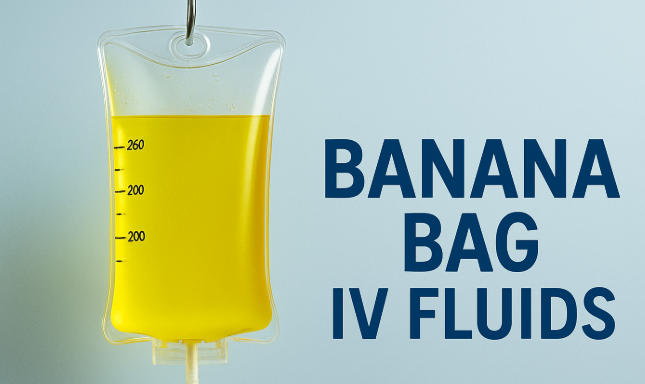
In healthcare settings, the term "banana bag" has become colloquial shorthand for a specific type of intravenous therapy that addresses multiple nutritional deficiencies while simultaneously providing fluid replacement. This yellow-tinted solution, deriving its nickname from its distinctive appearance, represents a critical intervention in various medical scenarios where patients require both hydration and nutritional supplementation. Understanding whether a banana bag infusion qualifies as hydration requires examining its composition, mechanism of action, and therapeutic applications within modern medical practice.
The infusion bag containing this specialized solution serves dual purposes that intersect at the fundamental level of patient care. While the primary therapeutic target involves correcting vitamin and mineral deficiencies, the liquid medium itself contributes significantly to a patient's overall fluid balance. This multifaceted approach to treatment exemplifies how contemporary medicine addresses complex physiological needs through integrated interventions rather than isolated therapies.
Understanding Banana Bag Composition
A banana bag infusion represents a carefully formulated combination of essential nutrients suspended in a sterile fluid base. The characteristic yellow color emerges from the high concentration of B-complex vitamins, particularly thiamine (vitamin B1), folate (vitamin B9), and multivitamins that give the solution its recognizable hue. This infusion bag typically contains normal saline or dextrose solution as the carrier fluid, which serves as the hydration component of the therapy.
The standard composition includes thiamine at doses ranging from 100 to 500 milligrams, folic acid at 1 milligram, and a multivitamin complex. Magnesium sulfate is frequently added to the infusion bag, typically at 1 to 2 grams, addressing the common comorbidity of electrolyte imbalances that accompany nutritional deficiencies. The base solution usually consists of one liter of intravenous fluid, most commonly 0.9% sodium chloride or 5% dextrose in water.
Manufacturing facilities like Everheal play a crucial role in producing the sterile equipment necessary for preparing and administering these infusions. The purity of water used in both the pharmaceutical compounding process and the equipment sterilization directly impacts patient safety. Pure steam generators and multi-effect distilled water machines ensure that the water quality meets pharmaceutical standards, preventing contamination that could compromise the infusion bag contents or the patient receiving treatment.
The Hydration Component of Banana Bag Therapy
When evaluating whether a banana bag infusion provides hydration, the answer is unequivocally affirmative. The base fluid within the infusion bag delivers substantial volume directly into the patient's circulatory system, achieving rapid rehydration that oral intake cannot match in acute situations. A typical one-liter banana bag infusion contributes significantly to a patient's daily fluid requirements, which generally range from 2 to 3 liters for adults under normal circumstances.
Intravenous hydration through an infusion bag offers distinct advantages over oral rehydration methods. The bioavailability reaches 100% because the fluid bypasses the gastrointestinal tract entirely, eliminating concerns about absorption issues, nausea, or vomiting that might prevent adequate oral intake. This direct vascular access allows healthcare providers to precisely control the rate and volume of fluid administration, tailoring the therapy to individual patient needs and monitoring responses in real-time.
The hydration mechanism functions through osmotic and hydrostatic principles. When the infusion bag delivers fluid into the venous system, it increases the intravascular volume, which subsequently redistributes across body compartments according to concentration gradients. Normal saline, being isotonic with blood plasma, remains primarily in the extracellular space, making it ideal for addressing dehydration that affects both intravascular and interstitial fluid compartments.
Clinical Indications for Banana Bag Infusions
Healthcare providers most commonly administer banana bag infusions to patients experiencing alcohol withdrawal syndrome or chronic alcohol use disorder. Chronic alcohol consumption depletes thiamine stores and impairs the body's ability to absorb B vitamins through the gastrointestinal tract. Simultaneously, these patients often present with significant dehydration due to decreased fluid intake, increased urinary losses, and sometimes concurrent vomiting or diarrhea. The infusion bag addresses both concerns simultaneously.
Malnourished patients from various etiologies benefit from banana bag therapy. Conditions such as hyperemesis gravidarum, prolonged hospitalization with inadequate nutritional support, eating disorders, or malabsorption syndromes create scenarios where both vitamin deficiencies and dehydration require correction. The infusion bag provides an efficient delivery method that circumvents the compromised gastrointestinal function these patients may experience.
Emergency departments frequently utilize banana bag infusions for patients presenting with severe dehydration complicated by suspected nutritional deficiencies. The homeless population, individuals with limited access to healthcare, and patients with chronic illnesses that affect nutritional status represent common recipients. The versatility of the infusion bag makes it an invaluable tool in acute care settings where rapid intervention is necessary.
Manufacturing Considerations for Infusion Delivery Systems
The production of high-quality infusion equipment requires sophisticated manufacturing capabilities that companies like Everheal specialize in developing. Purified water preparation systems form the foundation of pharmaceutical equipment manufacturing, ensuring that every component contacting the infusion bag or its contents meets stringent purity standards. The water quality directly influences the sterility and safety of the final product that reaches patients.
Pure steam generators produce steam meeting pharmaceutical-grade specifications, essential for sterilizing the liquid filling and sealing machines that package infusion solutions. These sterilization systems must achieve validated cycles that eliminate all microbial contamination without degrading the equipment or leaving harmful residues. The integration of these systems within cleanroom environments creates the controlled conditions necessary for producing medical-grade infusion bags.
Multi-function distilled water machines provide the water quality required for both manufacturing processes and as a component in pharmaceutical preparations. The consistency and reliability of water purification directly impact the batch-to-batch uniformity of products, a critical consideration in pharmaceutical manufacturing where regulatory compliance demands tight specifications. Everheal's expertise in customized factory layout planning ensures that water purification, sterilization, and filling operations flow logically, minimizing contamination risks.
Physiological Effects and Patient Outcomes
The administration of a banana bag infusion initiates multiple physiological responses that extend beyond simple volume replacement. The thiamine component plays a crucial role in glucose metabolism and neurological function, potentially preventing or treating Wernicke-Korsakoff syndrome in at-risk populations. As the infusion bag delivers its contents, cellular metabolism begins to normalize, supporting improved energy production and cognitive function.
Hydration status improvements manifest through various measurable parameters. Skin turgor increases, mucous membranes become moist, urine output normalizes, and vital signs stabilize as the intravascular volume expands. The infusion bag contributes to these changes through its fluid content, while the electrolytes and nutrients support cellular function at the molecular level. Heart rate typically decreases, blood pressure stabilizes, and patients report subjective improvements in thirst and fatigue.
The timeline for observing benefits varies depending on the severity of initial deficiencies and dehydration. Most patients receiving a banana bag infusion experience noticeable hydration improvements within the first hour of administration. The one-liter volume typically infuses over 2 to 4 hours, allowing gradual equilibration across body fluid compartments. Nutritional effects, particularly neurological improvements from thiamine replacement, may require several days to become fully apparent.
Comparing Banana Bags to Standard Hydration Therapy
Standard hydration therapy using plain crystalloid solutions provides volume replacement without the nutritional supplementation included in banana bag infusions. An infusion bag containing only normal saline or lactated Ringer's solution addresses dehydration but leaves nutritional deficiencies untreated. The choice between these approaches depends on the clinical assessment of patient needs and the underlying conditions precipitating the requirement for intravenous therapy.
Cost considerations factor into treatment decisions, as banana bag infusions require additional pharmaceutical components beyond basic crystalloid solutions. However, the efficiency of addressing multiple deficiencies simultaneously with a single infusion bag often proves more cost-effective than administering separate therapies. This integrated approach reduces nursing time, minimizes the number of intravenous lines required, and potentially shortens hospital stays by accelerating recovery.
The versatility of banana bag formulations allows customization based on specific patient needs. Healthcare providers can adjust the components within the infusion bag, modifying vitamin concentrations, adding or removing electrolytes, and selecting the most appropriate base fluid. This flexibility makes the banana bag concept adaptable to various clinical scenarios while maintaining the fundamental hydration benefit that all intravenous fluid therapies provide.
Safety Considerations and Monitoring Requirements
Administering any infusion bag requires careful monitoring to prevent complications and ensure therapeutic effectiveness. Volume overload represents a potential risk, particularly in patients with compromised cardiac or renal function who cannot efficiently handle rapid fluid shifts. Healthcare providers must calculate appropriate infusion rates based on patient weight, cardiovascular status, and ongoing fluid losses to optimize hydration without causing harm.
Allergic reactions to components within the infusion bag, though rare, necessitate vigilant observation during administration. Thiamine hypersensitivity, while uncommon, can produce serious reactions including anaphylaxis. Most protocols recommend slower initial infusion rates when administering banana bags to patients receiving their first dose, allowing early detection of any adverse responses before significant volumes have been delivered.
Electrolyte monitoring becomes essential when administering banana bag infusions, as the added magnesium and the hydration effect itself can alter serum concentrations of various minerals. The dilutional effect of rapid hydration may temporarily decrease measured electrolyte levels even as total body stores improve. Laboratory monitoring guides decisions about continuing therapy, adjusting infusion bag contents, or transitioning to alternative treatments as the patient's condition evolves.
Production Line Integration for Infusion Manufacturing
Modern pharmaceutical manufacturing requires integrated production systems where purified water preparation, sterilization, filling, and sealing operations function as coordinated processes. Companies like Everheal specialize in designing these comprehensive systems, ensuring that each step maintains the sterility and quality required for producing infusion bags. The production line begins with water purification, where purified water preparation systems remove contaminants to pharmaceutical standards.
Pure steam generators provide the sterilization medium for equipment and potentially for direct contact with product surfaces. The steam quality must meet specific criteria including superheat limits, dryness factors, and non-condensable gas content to ensure effective sterilization without introducing contaminants. These generators integrate with sterilization systems that create validated cycles, documenting that every infusion bag production batch meets safety requirements.
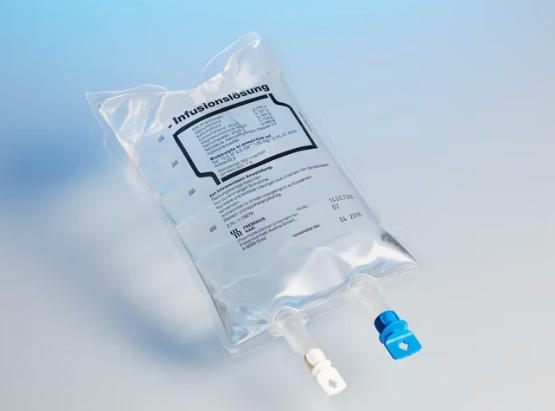
Liquid filling and sealing machines represent the critical final step where the prepared solution enters the infusion bag and the container is sealed to maintain sterility until use. These machines operate within controlled environments, typically ISO Class 5 cleanrooms, where particulate and microbial contamination are minimized. The precision of filling operations ensures accurate dosing, while sealing integrity prevents contamination during storage and transportation to healthcare facilities worldwide.
Global Standards and Regulatory Compliance
Manufacturing infusion bags and the equipment used in their production requires adherence to multiple regulatory frameworks across different markets. The United States Pharmacopeia (USP) establishes standards for pharmaceutical water quality, including the specifications for purified water and water for injection used in manufacturing processes. Equipment manufacturers must design systems that consistently produce water meeting these stringent requirements.
European Union regulations through the European Medicines Agency (EMA) and Good Manufacturing Practice (GMP) guidelines establish similar standards with some regional variations. Chinese pharmaceutical manufacturers exporting globally must comply with both domestic regulations and the requirements of destination countries, creating complex compliance landscapes. Companies like Everheal navigate these requirements by designing flexible manufacturing systems that can be validated to multiple standards simultaneously.
The International Organization for Standardization (ISO) provides additional frameworks for quality management systems and specific equipment standards. ISO 13485 applies to medical device manufacturers, including those producing infusion bags and related equipment. Compliance with these standards demonstrates commitment to quality and facilitates market access across international borders, essential for companies serving global pharmaceutical markets.
Future Developments in Infusion Therapy
Advances in infusion bag technology continue to improve safety and efficacy of intravenous therapies including banana bag treatments. Smart infusion bags incorporating sensors that monitor temperature, detect air bubbles, or measure remaining volume represent emerging technologies that enhance patient safety. These innovations require sophisticated manufacturing capabilities and integration of electronic components within traditionally passive medical devices.
Personalized medicine approaches may influence future banana bag formulations, with genetic testing or metabolic profiling guiding individualized nutrient combinations within each infusion bag. This customization would require flexible manufacturing systems capable of producing small batches with varying compositions, challenging traditional pharmaceutical production models designed for large-scale standardized products.
Sustainability considerations are increasingly influencing infusion bag design and manufacturing. Reducing plastic content, developing biodegradable materials, and minimizing waste throughout the production process align with broader healthcare industry efforts to reduce environmental impact. Equipment manufacturers must balance these sustainability goals against the critical requirements for sterility, stability, and safety that govern pharmaceutical product development.
Economic Impact and Healthcare Value
The cost-effectiveness of banana bag infusions extends beyond the immediate pharmaceutical expenses to encompass broader healthcare system impacts. Preventing severe complications of vitamin deficiencies, such as Wernicke-Korsakoff syndrome, avoids the substantial long-term care costs associated with these conditions. The infusion bag serves as both treatment and prevention, offering economic value through complication avoidance.
Reduced hospital length of stay represents another economic benefit when banana bag infusions accelerate recovery from combined nutritional deficiencies and dehydration. Patients who receive comprehensive treatment through a single infusion bag may recover more quickly than those receiving sequential or incomplete therapies. This efficiency translates to lower overall healthcare costs and improved resource utilization in both hospital and outpatient settings.
The global market for infusion therapies continues expanding as healthcare access improves in developing regions and populations age in developed countries. This growth creates opportunities for equipment manufacturers like Everheal to provide the sophisticated systems necessary for local pharmaceutical production. Enabling countries to manufacture their own infusion bags reduces supply chain vulnerabilities and improves healthcare self-sufficiency.
Training and Implementation Considerations
Healthcare providers administering banana bag infusions require comprehensive training on proper techniques, monitoring protocols, and complication management. While the infusion bag itself operates through standard intravenous administration equipment, understanding the specific considerations for multivitamin infusions ensures optimal patient outcomes. Education programs must address both the hydration aspects and the nutritional components of this combined therapy.
Hospital pharmacy departments play crucial roles in preparing banana bag infusions, particularly in facilities that compound these solutions from individual components rather than using pre-mixed commercial products. Pharmaceutical compounding requires specialized facilities, including those with purified water systems and controlled environments that prevent contamination. The quality of water used in compounding directly affects the safety and stability of the final infusion bag product.
Implementation of banana bag protocols requires institutional policies that guide appropriate use, standardize ordering procedures, and establish monitoring requirements. These clinical pathways help ensure that infusion bags are used for appropriate indications, administered safely, and monitored adequately. Quality improvement initiatives can track outcomes, identify opportunities for protocol refinement, and demonstrate the value of this therapy within specific patient populations.
Conclusion
A banana bag infusion definitively qualifies as hydration therapy while simultaneously providing essential nutritional supplementation. The base fluid within the infusion bag delivers substantial volume that addresses dehydration through direct intravenous administration, achieving rapid and effective rehydration that oral methods cannot match in acute situations. This dual-purpose intervention exemplifies modern medicine's integrated approach to complex patient needs, combining fluid replacement with correction of vitamin and electrolyte deficiencies in a single treatment.
The manufacturing infrastructure supporting infusion bag production requires sophisticated equipment and processes that ensure pharmaceutical-grade quality and sterility. Companies like Everheal contribute to global healthcare by providing the purified water preparation systems, pure steam generators, sterilization systems, and liquid filling equipment necessary for producing safe, effective infusion bags that reach patients worldwide. The intersection of advanced manufacturing technology and clinical medicine creates the foundation for delivering these life-saving therapies.
Understanding banana bag infusions as comprehensive hydration and nutritional therapy helps healthcare providers optimize their use and patients appreciate their therapeutic value. As manufacturing technology advances and clinical protocols evolve, these versatile treatments will continue playing important roles in addressing the complex needs of dehydrated, malnourished patients across diverse healthcare settings globally.
Frequently Asked Questions
1. How long does it take for a banana bag infusion to provide hydration?
A banana bag infusion typically begins providing hydration benefits within 15 to 30 minutes of starting administration, though the complete one-liter volume usually infuses over 2 to 4 hours. Patients often report feeling less thirsty and more alert within the first hour as the intravascular volume expands and circulation improves. The infusion bag delivers fluid directly into the bloodstream, bypassing the digestive system and providing faster hydration than oral intake. However, complete rehydration and restoration of normal fluid balance may require several hours or multiple infusion bags depending on the severity of initial dehydration.
2. Can banana bag infusions replace drinking water for hydration?
Banana bag infusions should never replace normal oral hydration as a routine practice, as they are medical interventions reserved for situations where oral intake is inadequate or impossible. While the infusion bag effectively delivers hydration intravenously, this route carries risks including infection, vein irritation, and volume overload that do not exist with oral fluid intake. Intravenous therapy requires medical supervision, sterile equipment, and trained healthcare providers, making it inappropriate for routine hydration needs. Once patients can safely drink fluids orally, transitioning away from infusion bag therapy reduces risks and costs while maintaining adequate hydration through the body's natural route.
3. What makes banana bag hydration different from regular IV fluids?
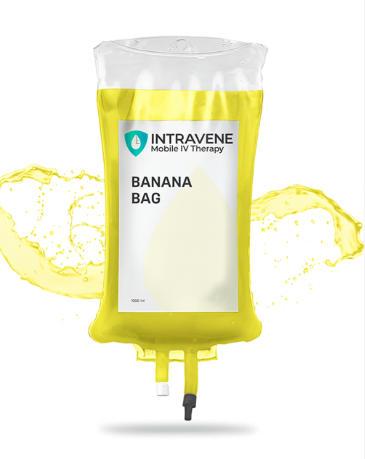
Banana bag hydration differs from standard intravenous fluids primarily through the addition of B-complex vitamins, folate, and often magnesium to the base hydration solution within the infusion bag. While both therapies provide fluid replacement and address dehydration, the banana bag simultaneously corrects nutritional deficiencies that commonly accompany fluid depletion in certain patient populations. The yellow color distinguishing the banana bag infusion comes from these added vitamins, whereas regular IV fluids appear clear. Both infusion bag types hydrate effectively, but the banana bag offers combined therapeutic benefits addressing multiple deficiencies rather than focusing solely on volume replacement.
4. Are there any risks associated with hydration from banana bag infusions?
Hydration through banana bag infusions carries several potential risks that require medical monitoring during administration. Volume overload can occur if the infusion bag delivers fluid faster than the patient's cardiovascular and renal systems can accommodate, potentially causing pulmonary edema or heart failure exacerbation in vulnerable individuals. Infection risks exist whenever intravenous access is established, as the catheter provides a direct pathway for microorganisms to enter the bloodstream. Allergic reactions to vitamins within the infusion bag, though rare, can produce serious complications including anaphylaxis. Electrolyte imbalances may develop as the hydration dilutes existing serum concentrations or as the added magnesium affects mineral balance.
5. How do healthcare providers determine if banana bag hydration is necessary?
Healthcare providers assess multiple factors when determining whether banana bag infusion therapy is appropriate for hydration and nutritional supplementation. Clinical examination revealing signs of dehydration including poor skin turgor, dry mucous membranes, decreased urine output, and orthostatic vital sign changes suggests the need for intravenous hydration. Patient history indicating chronic alcohol use, prolonged malnutrition, vomiting, or conditions affecting nutrient absorption points toward potential vitamin deficiencies requiring the comprehensive approach of a banana bag infusion. Laboratory testing may reveal electrolyte abnormalities or evidence of nutritional deficiencies, though treatment often begins based on clinical suspicion before results are available. The inability to tolerate oral intake due to nausea, vomiting, altered mental status, or gastrointestinal dysfunction makes the infusion bag route necessary for delivering both hydration and nutrients effectively.


