Content Menu
● What Is a Pharmaceutical Nuclear Stress Test?
● When Is This Test Recommended?
● Overview of the Test Day Timeline
● One Week Before: Medical Review and Scheduling
>> Discuss your medical history
>> Clarify test logistics
● 24 Hours Before: Diet, Caffeine, and Lifestyle
>> Avoid caffeine and certain foods
>> Modify smoking and exercise
● Medication Management Before the Test
>> Heart and blood pressure medicines
>> Diabetes, asthma, and other conditions
● The Night Before: Fasting and Practical Preparation
>> Fasting instructions
>> Clothing and what to bring
● What Happens During the Test?
>> Check‑in, IV line, and resting images
>> Pharmaceutical stress phase
>> Recovery and monitoring
● After the Test: Recovery and Results
>> Immediate recovery
>> Getting your results
● How Pharmaceutical Preparation System Supports Safety and Quality
>> Sterility, purity, and dosing accuracy
>> Integration with hospital workflows
● Practical Tips to Feel More Comfortable
● Conclusion
● FAQ
>> 1. Is a pharmaceutical nuclear stress test safe?
>> 2. How long will I be at the imaging center?
>> 3. Will I feel the radioactive tracer from the Pharmaceutical Preparation System?
>> 4. Can I drive myself home after the test?
>> 5. Does the Pharmaceutical Preparation System affect my radiation exposure?
● Citations:
A pharmaceutical nuclear stress test is a powerful imaging tool that helps cardiologists evaluate how well blood flows to the heart muscle under both resting and “stressed” conditions. Unlike a standard exercise stress test, this version uses a medication to simulate the effects of exercise on the heart, making it ideal for patients who cannot walk on a treadmill or ride a stationary bike.
Behind the scenes, the quality and safety of this test depend heavily on a well‑designed Pharmaceutical Preparation System in the nuclear medicine or radiopharmacy area. This system ensures that the radiopharmaceutical used for imaging is sterile, accurately dosed, and traceable, directly supporting diagnostic accuracy and patient safety.[14][15][16]
What Is a Pharmaceutical Nuclear Stress Test?
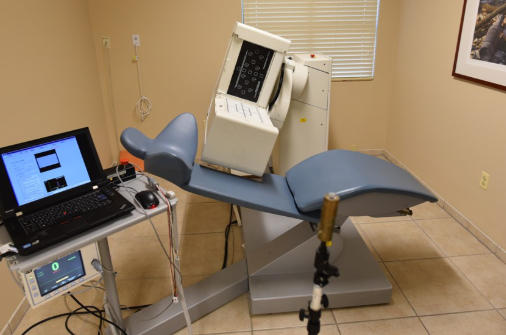
A pharmaceutical nuclear stress test, also called a pharmacologic stress test, is a type of cardiac imaging exam that combines a stress‑inducing medication with a radioactive tracer (radiopharmaceutical) to assess myocardial perfusion. A gamma camera captures images of the heart at rest and again after pharmacologic stress, allowing doctors to compare blood flow and identify areas with reduced perfusion that may indicate coronary artery disease.[1][11][12][13]
The “stress” part is achieved by giving a drug such as regadenoson (Lexiscan), adenosine, or dipyridamole, which dilates coronary arteries and increases blood flow in a way that mimics physical exertion. This is especially useful for patients with limited mobility, severe lung disease, or other conditions that make treadmill exercise unsafe or impractical.[11][12][5]
In modern nuclear cardiology departments, the radiopharmaceutical used in the test is prepared and dispensed using a dedicated Pharmaceutical Preparation System. This system integrates purified water, pure steam, sterile filtration, and automated filling and sealing equipment to produce radiopharmaceutical doses that meet strict sterility, endotoxin, and activity requirements.[15][16][14]
When Is This Test Recommended?
Doctors typically order a pharmaceutical nuclear stress test when they need to evaluate the heart's blood supply but the patient cannot perform adequate exercise. Common indications include:[5][11]
- Unexplained chest pain or angina, especially when ECG changes are ambiguous.[13][5]
- Shortness of breath on exertion with suspected coronary artery disease.[1][11]
- Assessment of heart function and perfusion after a heart attack or coronary intervention (stent, bypass graft).[11][13]
- Evaluation of known or suspected coronary artery disease in patients with baseline ECG abnormalities (e.g., left bundle branch block, paced rhythm) that make exercise ECG interpretation difficult.[12][5]
The test is also used to guide treatment decisions, such as whether medical therapy, angioplasty, or bypass surgery is most appropriate. Because it provides a functional map of myocardial perfusion, it helps identify which areas of the heart are ischemic and which are viable, supporting more personalized management.[16][13][14][11]
Overview of the Test Day Timeline
A typical pharmaceutical nuclear stress test is structured over several hours and usually follows a one‑day or two‑day protocol, depending on the radiopharmaceutical and local practice. On a one‑day protocol, both rest and stress imaging are completed in a single visit, while a two‑day protocol separates rest and stress into two separate days.[3][7][11]
The general sequence is:
1. Check‑in and preparation: Patient registration, review of history and medications, IV placement, and baseline vital signs.[7][11]
2. Resting phase: Injection of the first radiopharmaceutical dose at rest, followed by a waiting period and resting images of the heart.[3][7]
3. Pharmacologic stress phase: Administration of the stress medication, monitoring of ECG and blood pressure, and injection of a second radiopharmaceutical dose at peak stress.[5][11]
4. Stress imaging: A second set of images is acquired after the stress dose, showing blood flow under pharmacologic stress.[7][3]
5. Recovery and discharge: Observation until vital signs stabilize, removal of the IV, and instructions for after the test.[9][11]
Throughout this process, the radiopharmacy relies on its Pharmaceutical Preparation System to produce, calibrate, and release radiopharmaceutical doses timed precisely to the imaging schedule and the isotope's half‑life. This coordination ensures that each patient receives the correct activity at the right time, minimizing waste and maximizing image quality.[17][14][15][16]
One Week Before: Medical Review and Scheduling
Discuss your medical history
About a week before the test, your cardiologist or primary care provider will review your medical history to determine if a pharmaceutical nuclear stress test is appropriate and which stress agent is safest for you. It is important to provide a complete list of:[11][5]
- Current medications (including over‑the‑counter drugs and supplements).[18][11]
- Allergies, especially to medications used in stress testing (e.g., adenosine, regadenoson).[12][5]
- History of asthma, chronic obstructive pulmonary disease (COPD), or other lung conditions.[5][11]
- Prior heart attacks, heart failure, arrhythmias, or cardiac procedures.[13][11]
- Kidney function and any history of dialysis or contrast‑related reactions.[18][7]
- Pregnancy status or breastfeeding, as radiation exposure must be carefully considered.[12][11]
This information helps the imaging center choose the most suitable stress protocol and adjust medications in advance. It also allows the radiopharmacy to configure its Pharmaceutical Preparation System for any special handling requirements, such as dose adjustments for renal impairment or special labeling for high‑risk patients.[14][16][11][5]
Clarify test logistics
When scheduling the test, confirm:
- The exact date and arrival time.[19][11]
- Whether it is a one‑day or two‑day protocol and how long the appointment will last (typically 2.5–4 hours).[3][7]
- Whether you will need someone to drive you home, especially if you tend to feel dizzy or unwell after medications.[4][11]
- Any specific instructions for diabetes, kidney disease, or other chronic conditions.[20][18]
The imaging center will usually send written preparation instructions, which may include details about fasting, caffeine restriction, and medication changes. At the same time, the nuclear medicine team uses its Pharmaceutical Preparation System to plan radiopharmaceutical production, ensuring that doses are available exactly when needed and that all quality control checks are completed before release.[15][19][20][14]
24 Hours Before: Diet, Caffeine, and Lifestyle
Avoid caffeine and certain foods
Most centers require patients to avoid caffeine for at least 12–24 hours before a pharmaceutical nuclear stress test because caffeine can block the receptors that stress agents like adenosine and regadenoson target, reducing their effectiveness. This includes:[9][11]
- Coffee (regular and decaf), tea (including green and herbal teas), and energy drinks.[9][11]
- Cola and other soft drinks containing caffeine.[8][9]
- Chocolate, cocoa, and some over‑the‑counter headache or cold medicines that contain caffeine.[8][9]
Some centers also recommend a low‑fat meal the evening before the test to reduce tracer uptake in the liver and gut, which can interfere with heart images. Avoid heavy, greasy, or fried foods, and follow any specific dietary instructions provided by your imaging center.[20][7][18][3]
Modify smoking and exercise
You are usually asked not to smoke and to avoid vigorous exercise for several hours (often 8–24 hours) before the test. Smoking can affect heart rate, blood pressure, and coronary blood flow, while intense exercise can alter baseline perfusion patterns.[21][19][13][11]
Following these lifestyle instructions helps ensure that the differences seen between rest and stress images reflect true changes in coronary flow rather than artifacts from recent activity or nicotine use. In the radiopharmacy, the Pharmaceutical Preparation System continues to prepare radiopharmaceutical stock solutions using purified water and pure steam, maintaining sterility and minimizing endotoxin risk so that the dose administered the next day is safe and effective.[16][13][14][11]
Medication Management Before the Test
Heart and blood pressure medicines
Some medications can interfere with the stress portion of the test and may need to be held or adjusted before the procedure. Common examples include:[18][5]
- Beta‑blockers (e.g., metoprolol, atenolol): These can blunt the heart rate response to stress agents, so they are often stopped 24–48 hours before the test unless otherwise directed.[18][5]
- Calcium channel blockers (e.g., diltiazem, verapamil): These may also be held temporarily, depending on the specific drug and clinical situation.[19][5]
- Nitrates (e.g., nitroglycerin): These can improve coronary flow and mask ischemia, so they are often held for several hours before the test.[21][5]
Never stop or change medications on your own; always follow the exact instructions from your cardiologist or the imaging center. Bring a written list of all your medications (or the original bottles) to the appointment so staff can verify your regimen and make any necessary adjustments.[4][19][3][11]
Diabetes, asthma, and other conditions
If you have diabetes, the imaging center will give specific instructions to prevent hypoglycemia during fasting periods. These may include:[19][20]
- Adjusting insulin or oral hypoglycemic doses.[20][18]
- Eating a light snack at a specific time before or after imaging, especially if a fatty meal is recommended to clear liver activity.[7][3]
Patients with asthma, COPD, or pulmonary hypertension may be evaluated for alternative stress agents or pre‑medication, and they are usually told to bring their inhalers to the appointment. Those with significant kidney dysfunction may need dose adjustments or special monitoring, as impaired renal function can affect tracer clearance and radiation exposure.[7][11][5][18]
Within the Pharmaceutical Preparation System, pharmacists may program dose adjustments or select particular radiopharmaceutical formulations compatible with the patient's renal function and comorbidities. Integration with hospital information systems ensures that patient‑specific parameters are considered during preparation, labeling, and release of each unit dose, supporting both safety and diagnostic accuracy.[22][17][14][16]
The Night Before: Fasting and Practical Preparation
Fasting instructions
Most centers ask patients not to eat or drink (except water) for 4–6 hours before the test, while some require fasting after midnight if the appointment is in the morning. Plain water is usually allowed and encouraged to stay hydrated, which helps with IV access and radiopharmaceutical distribution.[11][19][20][18]
If you have diabetes, kidney disease, or other conditions, follow any special fasting instructions precisely. Incorrect fasting or medication timing can lead to rescheduling or suboptimal images, which wastes the time‑sensitive radiopharmaceutical produced by the Pharmaceutical Preparation System that day.[15][21][20][11]
Clothing and what to bring
Choose comfortable, loose‑fitting clothing and walking shoes; even with pharmaceutical stress, short walks or position changes may be required. Avoid metal buttons, zippers, or jewelry around the chest that could interfere with ECG leads or imaging.[1][3][19]
Bring:
- Photo ID, insurance card, and referral paperwork.[19][11]
- Your medication list and any inhalers you use regularly.[3][19]
- A light snack or a small fatty meal (e.g., a sandwich with cheese or a small meal with eggs) if the center recommends eating between imaging phases to improve tracer clearance from the liver or gut.[3][7]
On the facility side, the radiopharmacy verifies batch records, environmental monitoring results, and equipment status for the Pharmaceutical Preparation System before releasing radiopharmaceutical doses to the nuclear medicine suite. This ensures that every dose is traceable, sterile, and within specification when it reaches the patient.[14][16]
What Happens During the Test?
Check‑in, IV line, and resting images
After check‑in and consent, staff will review your history again, check vital signs, and start an IV line in your arm for medications and the radioactive tracer. Electrodes are placed on your chest to record ECG continuously, and a blood pressure cuff is used to monitor your response throughout the test.[13][1][11]
You receive an initial injection of the radiopharmaceutical while at rest, followed by a waiting period (typically 30–60 minutes) to allow the tracer to circulate and be taken up by the heart muscle. During this time, you may be asked to drink water and remain relatively still to optimize image quality.[7][11][3]
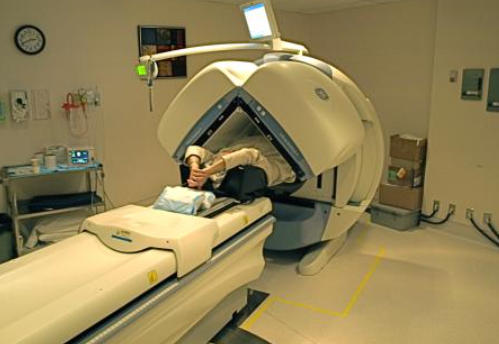
When it is time for imaging, you lie on a table under a gamma camera, which rotates around your chest to capture detailed pictures of your heart at rest. The radiopharmaceutical dose used comes from a sterile, carefully calibrated vial prepared via the Pharmaceutical Preparation System in the radiopharmacy, ensuring consistent quality and safety.[14][15][3][7]
Pharmaceutical stress phase
For the stress portion, a medication such as regadenoson, adenosine, or dipyridamole is infused via the IV to mimic the effect of exercise by dilating coronary arteries and increasing blood flow. You may feel flushing, chest pressure, shortness of breath, a headache, or a metallic taste, but these effects are usually brief and resolve quickly once the infusion stops.[21][12][5]
Staff continuously monitor your ECG, blood pressure, and symptoms during the infusion. If you experience chest pain, severe shortness of breath, dizziness, or any other concerning symptom, tell the physician or technologist immediately so they can adjust or stop the medication if needed.[13][5][11]
Near the peak effect of the stress agent, a second dose of radiopharmaceutical is injected, again prepared and quality‑checked by the Pharmaceutical Preparation System. After a short delay to allow uptake, you return to the gamma camera for stress images that are later compared with resting images to identify areas of reduced perfusion.[11][14][3][7]
Recovery and monitoring
Once stress imaging is complete, staff remove the IV and monitoring leads and observe you for a short period to ensure your heart rate, blood pressure, and symptoms have returned to baseline. Most patients can resume normal activities and diet shortly afterward unless the doctor provides special instructions.[9][11]
You may be encouraged to drink extra fluids over the next 24 hours to help your body clear the remaining radiopharmaceutical through the kidneys. The dose and exposure are calculated in advance, and the Pharmaceutical Preparation System ensures that administered activity remains within protocol limits for your weight and clinical indication, minimizing unnecessary radiation while maintaining diagnostic quality.[17][15][5][14]
After the Test: Recovery and Results
Immediate recovery
After the test, you can usually go home and resume your normal routine, including driving, unless you feel unwell or the doctor advises otherwise. Avoid heavy lifting or strenuous activity for the rest of the day, and continue to drink plenty of fluids to support tracer clearance.[17][5][11]
If you have diabetes, follow any special instructions about resuming your usual insulin or oral medications and monitoring blood sugar. If you experience persistent chest pain, severe shortness of breath, dizziness, or other concerning symptoms, contact your doctor or seek medical attention promptly.[20][9][18][11]
Getting your results
A nuclear medicine physician or cardiologist analyzes the images, comparing rest and stress perfusion patterns, overall ejection fraction, and any motion or artifact issues. A formal report is sent to your ordering doctor, who will discuss what the nuclear stress test reveals about your heart and what it means for your treatment plan.[1][13][11]
From a systems viewpoint, digital records from the Pharmaceutical Preparation System (batch numbers, activity at calibration time, and expiration) are linked to your imaging data, supporting traceability and regulatory compliance. This integration helps ensure that every step of radiopharmaceutical handling is documented and auditable, which is essential for quality assurance in nuclear medicine.[16][14]
How Pharmaceutical Preparation System Supports Safety and Quality
Sterility, purity, and dosing accuracy
A compliant Pharmaceutical Preparation System is central to safe nuclear stress testing because radiopharmaceuticals must be sterile, pyrogen‑free, and accurately dosed. Purified water systems, pure steam generators, and sterilization units help control microbial contamination and endotoxins during solution preparation, vial washing, and equipment cleaning.[15][16][14]
Automated filling and sealing modules measure activity with dose calibrators, correct for radioactive decay, and dispense precise volumes for each patient. Integrated Pharmaceutical Preparation System software records every step—compounding, filtration, container closure integrity, and labeling—to meet GMP and nuclear medicine guidelines, ensuring that each dose is safe and traceable.[22][16][17][14]
Integration with hospital workflows
Modern Pharmaceutical Preparation System platforms interface with hospital information and scheduling systems so radiopharmaceutical preparation aligns with patient appointments and isotope half‑lives. This reduces waste, improves throughput, and supports on‑time nuclear stress tests even in busy cardiac imaging departments.[16][17][13][15]
For facilities planning to upgrade or expand nuclear cardiology services, vendors such as Everheal can design turnkey Pharmaceutical Preparation System solutions that combine purified water, pure steam, multifunctional distillation, liquid filling, and sterilization into an integrated radiopharmacy environment. These systems help hospitals and imaging centers maintain high standards of quality, safety, and regulatory compliance in radiopharmaceutical production.
Practical Tips to Feel More Comfortable
- Arrive early: Plan to arrive 15–30 minutes before your appointment to complete any paperwork and settle in.[19][11]
- Dress in layers: Imaging rooms are often cool for equipment performance, so bring a light sweater or jacket.[18][20]
- Communicate symptoms: Tell staff immediately if you feel chest pain, severe shortness of breath, dizziness, or unusual symptoms during stress medication infusion.[12][11]
- Ask questions: Before the test starts, ask what to expect at each step and how long each phase will take so you feel more in control.[4][11]
By following instructions carefully and understanding how a Pharmaceutical Preparation System safeguards radiopharmaceutical quality, you can approach your pharmaceutical nuclear stress test with greater confidence and peace of mind.[5][14]
Conclusion
Preparing for a pharmaceutical nuclear stress test involves coordinated steps over several days: reviewing your medical history, adjusting medications as directed, avoiding caffeine and certain foods, fasting appropriately, and organizing practical details for test day. During and after the exam, nuclear medicine professionals rely on a robust Pharmaceutical Preparation System to deliver sterile, accurately dosed radiopharmaceuticals that produce high‑quality images with controlled radiation exposure, supporting precise diagnosis and safer, more personalized cardiac care.[9][14][15][11]
FAQ
1. Is a pharmaceutical nuclear stress test safe?
Pharmaceutical nuclear stress tests are widely used and generally safe, with overall risks considered low when performed under medical supervision. Some people experience temporary side effects from the stress medication—such as flushing, headache, or shortness of breath—but these usually resolve quickly and staff can administer reversal agents if needed.[12][5][9]
2. How long will I be at the imaging center?
Most patients spend about 3–4 hours at the imaging center for a one‑day pharmaceutical nuclear stress test, including registration, resting imaging, stress phase, and recovery. The exact time depends on the imaging protocol used, how quickly radiopharmaceuticals are prepared and delivered by the Pharmaceutical Preparation System, and scheduling factors at the facility.[13][14][11][19]
3. Will I feel the radioactive tracer from the Pharmaceutical Preparation System?
You do not usually feel anything specific from the radiopharmaceutical injection beyond the brief sensation of an IV injection. The tracer prepared by the Pharmaceutical Preparation System circulates silently in your bloodstream and emits low‑level gamma radiation that the camera detects without causing heat or pain.[17][1][14][15]
4. Can I drive myself home after the test?
Most patients can safely drive themselves home after a pharmaceutical nuclear stress test, provided they feel well and have no lingering dizziness, chest pain, or significant symptoms. If you are anxious, prone to low blood pressure, or if your doctor anticipates stronger medication effects, arranging a ride may be more comfortable.[4][5][11][12]
5. Does the Pharmaceutical Preparation System affect my radiation exposure?
The Pharmaceutical Preparation System helps ensure you receive the minimum radiopharmaceutical activity needed for diagnostic‑quality images by accurately calculating and dispensing weight‑ and protocol‑specific doses. This precision, combined with careful scheduling around isotope half‑life, keeps radiation exposure within recommended limits while maintaining image quality.[14][15][16][17]
Citations:
[1](https://www.mountsinai.org/health-library/tests/nuclear-stress-test)
[2](https://my.clevelandclinic.org/health/diagnostics/17276-nuclear-cardiac-stress-test)
[3](https://www.umms.org/bwmc/-/media/files/um-bwmc/about-us/heart-associates/nuclear-stress-test-1-and--2.pdf?upd=20190619160245)
[4](https://www.asnc.org/wp-content/uploads/2025/08/ASNC_Nuclear-Stress-Tests_What-You-Need-to-Know_FINAL.pdf)
[5](https://hvcmd.com/cardiac-imaging-testing-diagnostics/pharmacological-exercise-stress-test)
[6](https://cardiology.weillcornell.org/sites/default/files/downloads/guide_to_nuclear_stress_test_1_0.pdf)
[7](https://www.cvctn.com/pdf/nuclear-stress-test-patient-instructions.pdf)
[8](https://www.oregonclinic.com/resource/nuclear-stress-test-instructions/)
[9](https://www.mayoclinic.org/tests-procedures/nuclear-stress-test/about/pac-20385231)
[10](https://www.youtube.com/watch?v=bPfnFlR0wJs)
[11](https://www.henryford.com/Services/Imaging/Services/Nuclear-Medicine/Pharmacologic-Nuclear-Stress-Test)
[12](https://my.clevelandclinic.org/health/diagnostics/17364-pharmacological-nuclear-stress-test)
[13](https://www.upmc.com/services/heart-vascular/services/tests/nuclear-stress-test)
[14](https://pmc.ncbi.nlm.nih.gov/articles/PMC10768149/)
[15](https://world-nuclear.org/Information-Library/Non-power-nuclear-applications/Radioisotopes-Research/Radioisotopes-in-Medicine)
[16](https://www.nature.com/articles/s41392-024-02041-6)
[17](https://my.clevelandclinic.org/health/articles/radiopharmaceuticals)
[18](https://www.palomarhealthmedicalgroup.org/wp-content/uploads/2023/10/15.-Nuclear-Stress-Test-Instructions-10-23.pdf)
[19](https://nthc.com/patient-center/patient-forms/treadmill-nuclear-testing-instructions.dot)
[20](https://americanheartcenterpc.com/wp-content/uploads/2021/06/American-Heart-Center-Nuclear-Stress-Test.pdf)
[21](https://www.wilmingtonhealth.com/prep-instructions/lexiscan/)
[22](https://www.mayoclinic.org/tests-procedures/radiopharmaceutic/about/pac-20587480)


