Content Menu
● What Is a Banana Bag?
● Standard Infusion Time for a Banana Bag
● Factors Affecting Infusion Speed
>> 1. Viscosity of the Solution
>> 2. Infusion Line Gauge and Length
>> 3. Patient Circulatory Status
>> 4. Delivery Method
● Can You Infuse a Banana Bag Too Fast?
● Technological Advances in Infusion Bag Systems
● Clinical Context of Banana Bag Infusion
● The Role of Infusion Bag Quality in Patient Safety
● Safety Best Practices When Infusing Banana Bags
● Everheal's Contribution to Modern Infusion Technology
● Importance of Controlled Infusion in Clinical Treatment
● Conclusion
● Frequently Asked Questions (FAQ)
>> 1. How long does it take to infuse a banana bag?
>> 2. Can a banana bag be infused more quickly in emergencies?
>> 3. What is the main purpose of a banana bag?
>> 4. Why is an Infusion Bag necessary for IV therapy?
>> 5. How does Everheal ensure Infusion Bag quality?
In modern hospitals and research labs, Infusion Bags play an indispensable role in delivering fluids, electrolytes, and medications directly into the bloodstream. Among them, the banana bag stands out as a lifesaving solution often used for patients suffering from nutrient deficiencies, chronic alcoholism, or dehydration. Whether in a clinical environment or during emergency resuscitation, understanding *how fast you can infuse a banana bag* is critical for ensuring both patient safety and therapeutic efficiency.
This article explores the science, procedure, and safety considerations behind banana bag administration. We also discuss how Everheal's pharmaceutical equipment — including advanced Infusion Bag systems — enhances precision and reliability in fluid delivery.
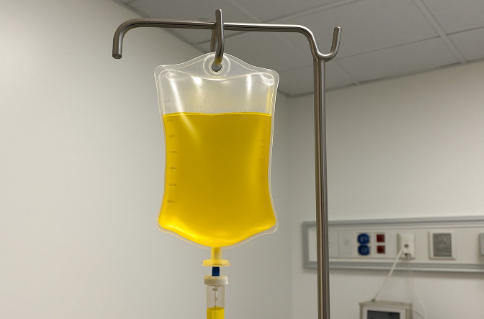
What Is a Banana Bag?
A banana bag, also known as a “rally pack,” refers to an IV Infusion Bag containing a mixture of vitamins and minerals, often giving the fluid its characteristic bright yellow color. Typically, it is composed of:
- Thiamine (Vitamin B1): Prevents Wernicke's encephalopathy.
- Folic acid: Aids in red blood cell formation.
- Multivitamins: Supports overall metabolic recovery.
- Magnesium sulfate: Corrects electrolyte imbalance.
- Dextrose in normal saline: Restores hydration and energy levels.
These solutions are prepared using sterile Infusion Bags, which ensure a contamination-free environment and consistent delivery during intravenous therapy.
Standard Infusion Time for a Banana Bag
A common clinical recommendation is to infuse a banana bag over 4 to 6 hours. This rate allows for gradual absorption and reduces the risk of side effects like hypotension, vein irritation, or electrolyte imbalance.
However, the infusion rate can vary depending on the following:
1. Patient's condition and diagnosis: Patients in acute alcohol withdrawal may need faster infusion initially, followed by maintenance at a slower rate.
2. Volume of the solution: A standard banana bag contains about 1 liter of fluid.
3. Infusion Bag material and technology: Modern Infusion Bags made from high-grade pharmaceutical polymers allow smoother flow control.
4. Presence of comorbidities: Cardiac or renal disorders require slower infusion rates.
For example, if a 1000 mL Infusion Bag is administered over 4 hours, the rate equals 250 mL/hour. This typical balance prevents overloading the circulatory system while achieving effective nutrient delivery.
Factors Affecting Infusion Speed
1. Viscosity of the Solution
Banana bags contain vitamins and electrolytes that slightly increase fluid viscosity compared to saline alone. The more concentrated the contents, the slower the ideal infusion rate.
2. Infusion Line Gauge and Length
A wider or shorter infusion line allows faster flow, while narrow or long tubing increases resistance. Using Everheal's precision Infusion Bag systems with adjustable flow control ensures exact delivery speed.
3. Patient Circulatory Status
Dehydrated or hypotensive patients may tolerate faster infusion rates, whereas patients with heart failure need slower and carefully monitored infusions.
4. Delivery Method
- Gravity-fed infusion: Common in general wards, using flow-regulating clamps.
- Infusion pump system: Preferred for controlled delivery using digital parameters.
Everheal's automated Infusion Bag systems feature programmable flow rates to meet clinical protocols with higher safety accuracy.
Can You Infuse a Banana Bag Too Fast?
Yes, administering a banana bag too quickly can be harmful. Rapid infusion increases the risk of:
- Hypotension (blood pressure drops).
- Electrolyte imbalance, especially from magnesium or potassium.
- Vein irritation or pain at the injection site.
- Dilutional effects on blood composition.
Infusing a 1000 mL banana bag in less than 2 hours is usually avoided unless under close supervision in critical care settings. Doctors may adjust infusion times for patients needing immediate thiamine support or emergency vitamin replacement.
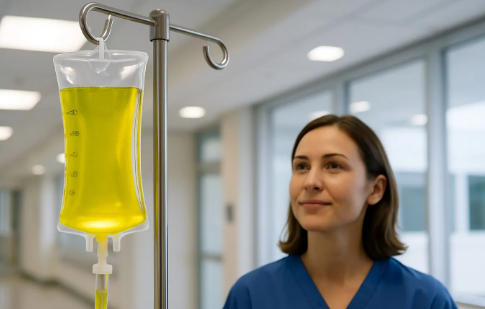
Technological Advances in Infusion Bag Systems
Everheal's pharmaceutical engineering innovation enhances banana bag infusion precision through:
- Sterile multilayer Infusion Bag materials designed to maintain purity and chemical stability.
- Real-time monitoring sensors integrated into infusion pumps.
- Automated error detection that adjusts for pressure, flow, and temperature.
- Customizable bag volumes, suitable for different clinical formulae such as IV nutrition, electrolytes, and parenteral therapy.
These innovations ensure that Infusion Bags deliver optimal flow rates and precise nutrient dosage while meeting global GMP and FDA-approved quality standards.
Clinical Context of Banana Bag Infusion
Banana bags are typically used in:
- Emergency rooms: For alcohol intoxication or rehydration.
- Intensive care units: Supporting nutritional therapy.
- General wards: Managing vitamin deficiency or nutrient loss.
- Oncology and post-surgical recovery: Replenishing vital nutrients.
Using standardized Infusion Bags ensures consistency across all these medical scenarios, reducing contamination risks and optimizing dosing precision.
The Role of Infusion Bag Quality in Patient Safety
The performance and reliability of an Infusion Bag directly impact therapy outcomes. Low-quality bags may cause leaks, air embolism risks, or chemical reactions between the bag material and vitamins.
Everheal's pharmaceutical-grade Infusion Bags are made from non-reactive, medical-grade polymer films that preserve compound stability and ensure patient safety throughout storage and infusion.
Safety Best Practices When Infusing Banana Bags
1. Always inspect the Infusion Bag for discoloration, damage, or particulates before use.
2. Label the Infusion Bag clearly with patient information and medication content.
3. Monitor vital signs during and after infusion.
4. Use infusion pumps for critically ill or sensitive patients.
5. Dispose of used bags properly following hospital biomedical waste protocols.
Proper procedure guarantees both compliance and clinical safety, aligning with international infusion therapy standards.
Everheal's Contribution to Modern Infusion Technology
At Everheal, we design and manufacture pharmaceutical-grade Infusion Bags tailored for sterile water generation, injectable solution storage, and IV therapy. Our systems include:
- Purified water preparation units for compounding precise formulations.
- Multi-effect distillation systems ensuring water-for-injection quality.
- Sterilization and filling equipment that integrates seamlessly with automated infusion bag production lines.
These solutions empower healthcare facilities to produce, fill, and package banana bags or similar IV preparations efficiently, meeting GMP and ISO international requirements.
Importance of Controlled Infusion in Clinical Treatment
Controlled infusion using precise Infusion Bag systems supports accurate dosage delivery — crucial when administering sensitive formulations like banana bags. Automation eliminates human error, while digital calibration modules ensure consistent pressure and fluid speed, improving patient outcomes and workflow efficiency.
Conclusion
The speed at which you can safely infuse a banana bag depends on multiple clinical and technical factors — patient condition, infusion method, and equipment quality. Generally, the recommended infusion time ranges between 4 to 6 hours for optimal absorption and safety.
Everheal's advanced Infusion Bag systems, combined with automated monitoring and sterile design, help medical professionals deliver banana bag treatments effectively, ensuring precise nutrient therapy and patient well-being. As infusion technology continues to evolve, smart monitoring and controlled delivery will redefine the future of parenteral therapy.

Frequently Asked Questions (FAQ)
1. How long does it take to infuse a banana bag?
It usually takes between 4 and 6 hours to infuse a standard 1000 mL banana bag, depending on patient tolerance and doctor's prescription.
2. Can a banana bag be infused more quickly in emergencies?
Yes, in critical cases like severe vitamin deficiency, infusion speed may be increased under close medical supervision using an infusion pump.
3. What is the main purpose of a banana bag?
A banana bag replenishes essential vitamins and electrolytes, particularly in alcohol withdrawal, malnutrition, or dehydration cases.
4. Why is an Infusion Bag necessary for IV therapy?
An Infusion Bag provides a sterile, sealed environment ensuring accurate fluid delivery, preventing contamination, and maintaining formulation stability.
5. How does Everheal ensure Infusion Bag quality?
Everheal uses advanced polymer materials, automated sealing systems, and GMP-certified sterile production lines to produce medical-grade Infusion Bags.


