Content Menu
● Understanding CPAP Machines
● What Is Steam Distilled Water?
● Why Distilled Water Is Recommended for CPAP Machines
>> 1. Prevents Mineral Build-Up
>> 2. Maintains Device Longevity
>> 3. Ensures Hygiene and Safety
>> 4. Provides Consistent Humidity Levels
● Steam Distilled Water vs. Other Water Types
● The Science Behind a Distillation Water Machine
>> Step 1: Heating
>> Step 2: Condensation
>> Step 3: Storage
● How Steam Distilled Water Benefits Patients
● Common Misconceptions About Distilled Water
● How to Make Your Own Steam Distilled Water
● Commercial Uses of Distillation Water Machines
● Storage and Maintenance Tips for Distilled Water
● The Role of Distillation Water Machines in Medical Applications
● Conclusion
● FAQs
>> 1. Why is distilled water better for CPAP machines?
>> 2. Can I use reverse osmosis water instead of steam distilled water?
>> 3. What happens if I use tap water occasionally?
>> 4. How long can I store distilled water?
>> 5. Is it safe to drink steam distilled water?
Continuous Positive Airway Pressure (CPAP) machines play a vital role in helping millions of people with sleep apnea breathe comfortably during sleep. To keep these machines functioning properly and hygienically, the type of water used in their humidifiers is critical. Among various water types, steam distilled water often comes up as the preferred choice.
This article explores whether you can — and should — use steam distilled water in your CPAP machine. It also covers why distillation water machines are essential for producing medical-grade purified water, the benefits of using such water, and what happens when alternative water types are used.
Understanding CPAP Machines
A CPAP machine delivers a steady stream of pressurized air through a mask to keep your airway open during sleep. Because the airflow can dry out the nose and throat, most CPAP models include a humidifier chamber filled with water. As air passes over this water, it absorbs moisture before being delivered through the mask.
If you fill your machine with impure water, mineral deposits, microorganisms, and chemicals may build up inside the chamber and tubing, damaging the device and posing health risks. That's why choosing the correct water is more than a preference—it's a medical necessity.
What Is Steam Distilled Water?
Steam distilled water is the purest form of water available. It's produced by boiling water to create steam, which then condenses back into liquid form in a clean environment. This process eliminates almost all dissolved minerals, bacteria, viruses, heavy metals, and organic impurities.
To achieve this high level of purity, manufacturers and laboratories often rely on a Distillation Water Machine. These machines precisely control heating, condensation, and cooling to ensure every drop of water meets pharmaceutical or laboratory-grade purity standards.
The result is steam distilled water with virtually zero impurities — exactly the type of water recommended for sensitive medical equipment like CPAP machines.
Why Distilled Water Is Recommended for CPAP Machines
1. Prevents Mineral Build-Up
Tap water contains calcium, magnesium, and other minerals that form hard scale deposits when heated. Over time, these deposits can clog the humidifier chamber of your CPAP machine and reduce its efficiency. Steam distilled water, produced from a Distillation Water Machine, is completely free of minerals and prevents scaling or residue buildup.
2. Maintains Device Longevity
By preventing mineral and microbial accumulation, steam distilled water helps extend the life of your CPAP machine. Using impure water can cause corrosion, discoloration, and unpleasant odors, which lead to frequent cleaning or even device replacement. Pure distilled water safeguards the inner components from chemical damage.
3. Ensures Hygiene and Safety
A Distillation Water Machine eliminates microorganisms such as bacteria and fungi from water. This ensures that the vapor entering your airway remains clean and safe. In contrast, tap or bottled water may carry organic contaminants that can breed mold or bacteria inside your humidifier chamber.
4. Provides Consistent Humidity Levels
Since distilled water contains no dissolved solids, it evaporates at a consistent rate, allowing your CPAP's humidifier to maintain stable humidity gradients. This means you experience smoother breathing and less irritation throughout the night.
Steam Distilled Water vs. Other Water Types
When selecting water for your CPAP machine, it's important to understand how other common types compare.
| Type of Water | Description | Suitability for CPAP |
| Tap Water | Contains minerals, chlorine, and impurities. | Not recommended - may cause residue buildup. |
| Filtered Water | Partially purified but still may contain dissolved solids. | Better than tap water, but still not ideal. |
| Bottled Water | Quality varies; not guaranteed to be pure. | Use only if labeled as “distilled.” |
| Reverse Osmosis Water | Highly filtered but may retain trace impurities. | Acceptable but not as pure as distilled water. |
| Steam Distilled Water | Pure water made through evaporation and condensation. | Best choice for CPAP humidifiers. |
From this table, it's evident that steam distilled water — especially water produced by a Distillation Water Machine — is the clear winner in terms of purity, safety, and equipment protection.
The Science Behind a Distillation Water Machine
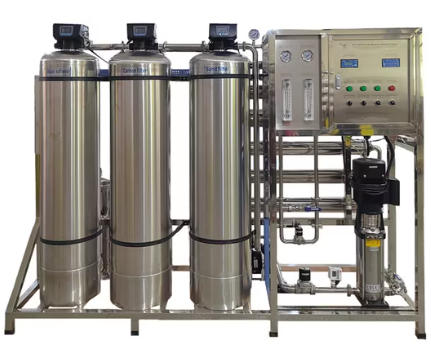
A high-performance Distillation Water Machine operates on a simple scientific principle: separation by boiling point.
Step 1: Heating
Water is heated to its boiling point (100°C under normal conditions). As it turns to steam, dissolved solids, heavy metals, and biological organisms stay behind.
Step 2: Condensation
The steam travels through a cooling coil or condenser, where it cools and transforms back into liquid form — pure distilled water.
Step 3: Storage
The collected distilled water is stored in sterile containers to avoid recontamination.
For medical and pharmaceutical applications, advanced Distillation Water Machines often include multiple distillation stages, ultraviolet sterilization, and stainless steel chambers to ensure uncompromised water quality.
How Steam Distilled Water Benefits Patients
1. Reduces Sinus Irritation:
Pure humidity reduces nasal dryness and congestion caused by tap water minerals.
2. Supports Clean Airflow:
Distilled water vapor carries no microscopic contaminants, keeping your airways healthy.
3. Enhances Sleep Comfort:
Consistent humidity improves sleep quality, especially for patients using full-face CPAP masks.
4. Minimizes Equipment Maintenance:
Using distilled water means fewer cleanings, less scaling, and fewer replacements.
Common Misconceptions About Distilled Water
Myth 1: Distilled water is too “pure” to be safe.
Truth: Distilled water lacks minerals, but that's precisely why it's ideal for machines — not for long-term drinking, but perfect for CPAP humidifiers.
Myth 2: Boiling water at home equals distilling.
Truth: Boiled water kills bacteria but doesn't remove dissolved minerals. Proper steam distillation requires specialized Distillation Water Machines to remove impurities effectively.
Myth 3: Using tap water occasionally is harmless.
Truth: Even infrequent use can lead to mineral buildup and microbial contamination that shortens your equipment's lifespan.
How to Make Your Own Steam Distilled Water
While the best practice is to use a professional Distillation Water Machine, you can also make distilled water at home in emergencies. The process is simple but time-consuming:
1. Fill a large pot halfway with tap water.
2. Place an inverted glass lid or metal bowl on top to catch condensation.
3. Heat until steam forms.
4. Capture condensation that drips into the bowl — this is your distilled water.
Remember, this method doesn't guarantee sterile quality suitable for medical devices, but it can work temporarily. Investing in a small Distillation Water Machine for home use is a more reliable, long-term solution.
Commercial Uses of Distillation Water Machines
Pharmaceutical companies, hospitals, laboratories, and biotech facilities rely on Distillation Water Machines to produce ultrapure water for critical processes such as:
- Preparing injection or infusion solutions.
- Cleaning medical instruments.
- Generating pure steam for sterilization.
- Supplying high-quality water for CPAP and respiratory care equipment.
Companies like Everheal specialize in providing advanced pure steam generators, multi-effect distillation units, and customized pure water systems, ensuring pharmaceutical-grade water purity that meets global GMP and FDA standards.
Storage and Maintenance Tips for Distilled Water
1. Use sterile containers: Store distilled water in glass or stainless steel bottles.
2. Avoid sunlight exposure: Keep containers in a cool, dark place to minimize microbial growth.
3. Clean tanks regularly: Whether using a small or large Distillation Water Machine, routine cleaning preserves water purity.
4. Check for contamination: Replace stored water after 7 days if not used.
Following these tips ensures that distilled water used in your CPAP remains consistently safe and effective.
The Role of Distillation Water Machines in Medical Applications
Modern medical environments demand zero tolerance for impurities. A Distillation Water Machine plays an irreplaceable role in this process by providing sterile, pyrogen-free water required for:
- Steam sterilizers and autoclaves
- Injectable preparations
- Respiratory therapy humidifiers
- Endoscope cleaning and disinfection systems
By investing in a robust distillation system, medical facilities ensure both patient safety and regulatory compliance.
Conclusion
So, can you use steam distilled water in your CPAP machine? Absolutely — and you *should*. Distilled water, especially when produced by a professional Distillation Water Machine, offers unmatched purity that protects your health and your equipment.
It prevents mineral scaling, inhibits bacterial growth, and ensures consistent humidification throughout the night. For both home users and healthcare providers, investing in reliable water purification through distillation is one of the smartest ways to safeguard respiratory therapy equipment and elevate hygiene standards.
Whether you're treating sleep apnea at home or managing a clinical facility, steam distilled water remains the gold standard for CPAP maintenance and performance.
FAQs
1. Why is distilled water better for CPAP machines?
Because it contains no minerals or contaminants, distilled water prevents scaling, corrosion, and microbial growth inside your CPAP humidifier.
2. Can I use reverse osmosis water instead of steam distilled water?
Yes, but RO water may still contain trace dissolved solids. Steam distilled water, especially from a Distillation Water Machine, is purer and more reliable.
3. What happens if I use tap water occasionally?
Even rare use can cause mineral buildup and bacterial contamination, leading to unpleasant smells and reduced device lifespan.
4. How long can I store distilled water?
Properly stored distilled water can last several months, but for CPAP use, it's best to replace it every week to ensure freshness and purity.
5. Is it safe to drink steam distilled water?
While safe, it lacks minerals and may taste flat. It's ideal for medical and equipment use, not for everyday hydration.


