Content Menu
● Understanding Direct‑to‑Consumer Models
● What Are Pharmaceutical Consumables?
● Global Legal Landscape for Direct Sales
>> Prescription vs OTC Products
>> Advertising and Transparency Rules
● How DTC Pharma Models Actually Work
● Regulatory Challenges and Compliance Risks
>> Safety, Misuse, and Over‑Promotion
>> Enforcement Trends
● Strategic Role of Pharmaceutical Consumables in DTC
● Opportunities for OEMs and System Integrators
>> B2B and B2B2C Partnerships
>> Documentation, Data, and Traceability
● Practical Considerations Before Going DTC
● High‑Purity Utilities and Sterile Production
● Enhancing Patient Experience with Better Consumables
● How Companies Like Everheal Can Support DTC‑Oriented Clients
● Conclusion
● FAQ
>> 1. Can pharmaceutical companies legally sell prescription drugs straight to patients?
>> 2. Are Pharmaceutical Consumables considered medicines?
>> 3. Why are regulators focusing more on DTC advertising?
>> 4. How do Pharmaceutical Consumables affect patient safety in DTC models?
>> 5. What should exporters of Pharmaceutical Consumables consider for DTC‑oriented markets?
● Citations:
Pharmaceutical companies can sell some products directly to consumers, but strict regulations usually limit direct sales of prescription medicines and require licensed healthcare professionals and pharmacies to remain central in the process. What companies can more flexibly sell direct are over‑the‑counter (OTC) drugs, wellness products, medical devices, and a broad range of Pharmaceutical Consumables that support treatment and pharmaceutical manufacturing.[3][4][10][11][12][13]
> This article is for general information only and does not constitute legal or regulatory advice. Companies should consult qualified local counsel before implementing any direct‑to‑consumer (DTC) model.
Understanding Direct‑to‑Consumer Models
Direct‑to‑consumer in pharma refers to strategies where manufacturers promote, and in some models also sell or arrange dispensing, of medicines and related products straight to patients rather than only through traditional wholesale and hospital channels. These models can include online platforms, telehealth ecosystems, subscription services, and company‑branded pharmacies that deliver medicines and Pharmaceutical Consumables directly to homes.[6][7][3]
In reality, “direct” rarely means bypassing professional controls altogether. Even when sales happen on a manufacturer‑owned platform, legal frameworks in most jurisdictions still require prescriptions to be written by licensed clinicians and drugs to be dispensed by regulated pharmacies. The manufacturer may control the digital front end and logistics, but prescribers, pharmacists, and payers still play key roles.[7][11]
What Are Pharmaceutical Consumables?
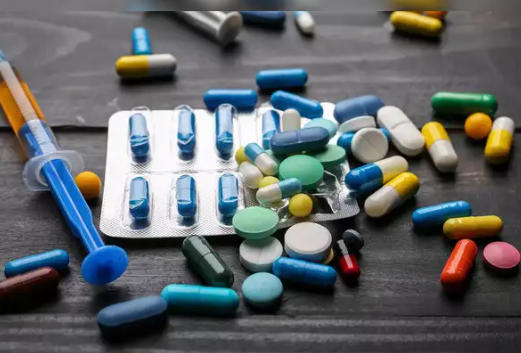
Pharmaceutical Consumables are items that are used up during pharmaceutical manufacturing, quality control, and patient treatment, and therefore require continuous replenishment. They include sterile filters, vials, stoppers, seals, ampoules, single‑use tubing, bags, sampling devices, cleanroom wipes, gloves, syringes, and many other components that directly or indirectly contact drug products.[12][13][14][15]
Unlike capital equipment, Pharmaceutical Consumables are designed for single use or a limited number of cycles to reduce cross‑contamination and maintain consistent product quality. High‑purity water systems, pure steam generators, and multi‑effect distillation units depend on matching Pharmaceutical Consumables—such as membranes, cartridges, and sanitary fittings—to keep microbial and endotoxin levels within pharmacopeial limits.
Global Legal Landscape for Direct Sales
Prescription vs OTC Products
A core distinction in every jurisdiction is between prescription‑only medicines and OTC or non‑prescription products. Prescription medicines generally must be prescribed by authorized professionals and dispensed through licensed pharmacies, even if a manufacturer operates its own cash‑pay DTC platform.[10][11][7]
By contrast, OTC medicines, supplements, and many Pharmaceutical Consumables can be sold more freely through e‑commerce and retail channels, subject to consumer‑product, medical‑device, and advertising rules. For example, dressings, basic syringes, infusion sets, and point‑of‑care test strips can often be sold directly to consumers if they meet labeling and safety requirements.[11][13][12]
Advertising and Transparency Rules
The United States and New Zealand remain unusual in broadly permitting DTC advertising of prescription drugs, provided communications are truthful, balanced, and include key safety risk information. Recent U.S. policy actions have intensified enforcement, pushing companies to provide more complete risk disclosures in digital and broadcast ads and to eliminate loopholes that allowed minimal on‑screen risk information.[1][4][5][9][16][10]
Most other countries either prohibit or tightly restrict DTC prescription‑drug promotion, often allowing only disease‑awareness or “help‑seeking” campaigns that do not mention specific brand names. Pharmaceutical Consumables marketed as medical devices or supplies face their own advertising rules but are still subject to bans on misleading claims, inadequate instructions, or unsupported performance statements.[4][16][10]
How DTC Pharma Models Actually Work
In practice, pharmaceutical companies tend not to ship high‑risk prescription medicines directly to patients without intermediaries; instead, they build ecosystems that connect patients, prescribers, pharmacies, and payers.
Common DTC configurations include:
- Branded, cash‑pay platforms where manufacturers sell prescription medicines at transparent prices, usually with at least one partnered or owned pharmacy legally responsible for dispensing.[3][6][7]
- Telehealth‑integrated services that combine online consultations, e‑prescribing, and home delivery of medicines and Pharmaceutical Consumables such as syringes, auto‑injectors, and inhalers.[7][3]
- Consumer health and wellness brands focusing on OTC medicines, vitamins, diagnostics, and home‑use Pharmaceutical Consumables sold via general e‑commerce sites and retail chains.[13][15][12]
These models promise improved access and price transparency, but they must navigate complex rules around licensing, anti‑kickback and inducement laws, data privacy, and professional independence of prescribers. Pharmaceutical Consumables suppliers supporting such programs need consistent product quality, robust documentation, and clear intended‑use statements to fit into these regulated workflows.[8][3][7]
Regulatory Challenges and Compliance Risks
Safety, Misuse, and Over‑Promotion
Health authorities worry that aggressive DTC drug promotion can generate inappropriate demand, leading to over‑prescribing, polypharmacy, or patients pressuring clinicians for particular brands. Without strong safeguards, patients may misunderstand indications, dosing, or contraindications, especially when complex delivery devices and Pharmaceutical Consumables are involved.[17][10]
To address these risks, regulators require fair balance between benefits and risks, clear instructions for use, and systems that allow pharmacists and prescribers to intervene when safety issues are identified. For Pharmaceutical Consumables that contact sterile products or the patient's body, authorities expect evidence of sterility assurance, material compatibility, and performance under realistic operating conditions.[9][4][17]
Enforcement Trends
Recent U.S. enforcement trends show a shift from reactive, complaint‑based oversight to proactive monitoring of TV, digital, and social‑media campaigns. Government agencies have issued large volumes of warning and cease‑and‑desist letters targeting deceptive risk presentations, influencer marketing without adequate disclosures, and online claims that resemble unapproved labeling.[5][1][4][9]
For companies embracing DTC channels, this means compliance programs must extend beyond traditional sales forces to include marketing operations, patient‑support programs, and digital design teams. Pharmaceutical Consumables that are integrated into drug‑delivery systems—such as pre‑filled devices, inhalers, or infusion kits—may be captured by these reviews if promotional materials describe their clinical performance or safety benefits.[5][8]
Strategic Role of Pharmaceutical Consumables in DTC
Pharmaceutical Consumables are essential to safe, scalable DTC operations because they form the physical link between high‑tech production lines and the end user.
Key roles include:
- Manufacturing support – sterile filters, gaskets, tubing, and single‑use assemblies keep purified water systems, pure steam lines, and multi‑effect distillation units within specification, enabling compliant bulk production for DTC supply.[14][15]
- Fill‑finish integrity – vials, stoppers, caps, cartridges, and seals protect product sterility from filling to patient administration and must be compatible with liquid filling and sealing machines and terminal sterilization systems.[15][14]
- Patient‑facing devices – syringes, pen systems, nebulizer sets, and at‑home test cartridges are Pharmaceutical Consumables that patients handle directly, so ergonomics, clarity of markings, and safety features all influence adherence and outcomes.[12][13]
For manufacturers like Everheal, offering integrated equipment plus dedicated Pharmaceutical Consumables—validated for use with pure water preparation systems, pure steam generators, multi‑effect distillation units, and sterilization lines—creates a complete solution for clients planning DTC‑ready facilities.
Opportunities for OEMs and System Integrators
B2B and B2B2C Partnerships
Most pharma companies do not build every component themselves; they rely on OEM partners for process equipment and Pharmaceutical Consumables. This opens opportunities for specialized suppliers that understand both production‑floor requirements and downstream DTC needs.
An equipment provider that delivers turnkey layouts—pure water systems, pure steam generators, multi‑functional distillation units, liquid filling and sealing machines, and sterilization systems—can design lines optimized for high‑volume, high‑purity output to support home‑delivery therapies. When paired with compatible Pharmaceutical Consumables, such as pre‑qualified filters, tubing sets, and cleanroom consumables, the system becomes easier to validate and scale.
Documentation, Data, and Traceability
DTC models generate intense scrutiny over product quality and traceability because medicines move directly into homes rather than remaining in controlled institutional settings. Regulators, payers, and patients all expect clear evidence of quality at each step.
Suppliers that provide Pharmaceutical Consumables together with comprehensive documentation—material certificates, extractables and leachables data, sterilization validation, and change‑control processes—help manufacturers respond quickly to audits or inspections. When consumables used in pure water preparation, pure steam, and filling processes are traceable at batch level, companies can link any DTC complaint or adverse event back through the production system to root cause.[8][14][15]
Practical Considerations Before Going DTC
Before launching any DTC initiative, pharmaceutical companies should analyze several dimensions:
- Regulatory classification – Confirm whether the product is prescription, OTC, a device, or primarily a Pharmaceutical Consumable; each category triggers different obligations.[11][12]
- Market‑specific rules – Compare requirements across target markets; for example, the U.S. allows prescription DTC advertising with conditions, while many jurisdictions do not.[16][4][10]
- Licensing and pharmacy model – Decide whether to partner with existing pharmacies, establish in‑house dispensing capabilities, or build hybrid networks; in most cases, at least one licensed pharmacy must be involved.[3][7]
- Supply‑chain robustness – Ensure that capacity, cold‑chain infrastructure, and stocks of essential Pharmaceutical Consumables can handle demand spikes and returns.[14][15]
- Medical governance and pharmacovigilance – Put in place systems that allow clinicians and safety teams to monitor real‑world use, adverse events, and consumable‑related failures.
For companies exporting Pharmaceutical Consumables into DTC‑oriented markets, aligning product labeling, language, and IFUs (instructions for use) with local norms is critical. Misalignment can cause customs delays, recalls, or reputational damage even when the underlying product quality is high.
High‑Purity Utilities and Sterile Production
Any DTC‑ready sterile product—especially injectables, ophthalmic solutions, and some high‑risk oral products—depends on robust utility systems. High‑purity water preparation, pure steam generation, and multi‑effect distillation are central to eliminating microbial and endotoxin contaminants.[15]
These systems rely on Pharmaceutical Consumables such as membranes, filter cartridges, seals, gaskets, and test kits to maintain validated performance over time. Replacing consumables at defined intervals and maintaining detailed logs of lot numbers and change‑outs helps facilities demonstrate control during GMP inspections and supports downstream DTC assurance. When combined with engineered sterilization systems and high‑precision liquid filling and sealing machines, the result is a tightly controlled environment that underpins patient‑level trust.
Enhancing Patient Experience with Better Consumables
DTC programs heavily emphasize patient convenience, adherence, and satisfaction. Thoughtfully designed Pharmaceutical Consumables can significantly improve all three.
For example, pre‑filled syringes or pens with low actuation force and clear dose markings can make self‑injection less intimidating and reduce administration errors. User‑friendly inhalers, oral dosing syringes, and calibrated cups make it easier for patients and caregivers to follow dosing instructions accurately. Packaging solutions that organize Pharmaceutical Consumables and medicines into intuitive kits—such as starter packs for a new therapy—simplify onboarding and can reduce support calls.[13][12]
When companies complement these physical solutions with clear written instructions, multilingual materials, and access to professional support, the combination of strong Pharmaceutical Consumables and responsive service becomes a competitive advantage in DTC markets.
How Companies Like Everheal Can Support DTC‑Oriented Clients
A company specializing in pharmaceutical equipment and integrated lines can position itself as a strategic partner for global clients that want to future‑proof facilities for DTC distribution.
By offering:
- Pure water preparation systems and pure steam generators designed to pharmacopeial standards;
- Multi‑functional distillation equipment providing reliable water for injection quality;
- Liquid filling and sealing machines suitable for vials, ampoules, and cartridges;
- Sterilization systems aligned with targeted product profiles and packaging formats;
- And matching Pharmaceutical Consumables validated for use with each critical process;
such a supplier enables clients to build compliant, efficient, and scalable lines that can support both traditional institutional supply and direct‑to‑home models. Coupled with customized plant layout planning and production‑line design, this combination accelerates project timelines while reducing regulatory risk.
Conclusion
Pharmaceutical companies can sell directly to consumers in many markets, but this typically applies to OTC products, wellness goods, and carefully regulated programs for prescription medicines that still rely on licensed prescribers and pharmacies. The regulatory environment for DTC drug promotion and distribution is tightening, particularly regarding transparency, safety disclosures, and digital advertising practices.[1][4][9][5][7][11][3]
Within this evolving landscape, Pharmaceutical Consumables play a crucial role in ensuring quality and safety from upstream manufacturing to downstream patient use. From sterile filters, vials, stoppers, and tubing to patient‑facing devices and at‑home kits, these consumables make it possible to deliver stable, compliant therapies directly to consumers. For system integrators and OEMs providing pure water preparation systems, pure steam generators, multi‑effect distillation units, filling and sealing lines, and sterilization systems, combining robust equipment with well‑designed Pharmaceutical Consumables and expert layout planning is the key to enabling safe, sustainable, and competitive DTC pharmaceutical operations.

FAQ
1. Can pharmaceutical companies legally sell prescription drugs straight to patients?
In some jurisdictions, manufacturers can operate cash‑pay or hybrid platforms that sell prescription drugs directly to patients, but prescriptions must still be written by licensed clinicians and medicines dispensed by authorized pharmacies. Completely bypassing prescribers or pharmacies is generally prohibited for safety and compliance reasons, regardless of the sophistication of the supply chain or Pharmaceutical Consumables.[7][11][3]
2. Are Pharmaceutical Consumables considered medicines?
Most Pharmaceutical Consumables are not classified as medicines but as medical devices, supplies, or manufacturing materials, though they are still subject to strict quality, safety, and documentation requirements. Sterile consumables that contact drug products—such as filters, stoppers, seals, and single‑use assemblies—must meet GMP expectations, including validated sterilization processes and material compatibility data.[12][13][14][15]
3. Why are regulators focusing more on DTC advertising?
Regulators worry that DTC advertising can overemphasize benefits, underplay risks, and encourage patients to request specific brands when they may not be clinically appropriate. Recent enforcement initiatives seek to ensure that risk information is more prominent in digital and broadcast ads and that social‑media communications and influencer marketing follow the same standards.[4][9][10][17]
4. How do Pharmaceutical Consumables affect patient safety in DTC models?
Pharmaceutical Consumables affect safety both during manufacturing and at the point of use: they help maintain sterile conditions, protect drug integrity, and enable accurate dosing. Failures in consumables—such as compromised filters, poorly sealing stoppers, or confusing dosing devices—can lead to contamination, dosing errors, recalls, or adverse events, which are particularly problematic in DTC settings.[13][14][15][12]
5. What should exporters of Pharmaceutical Consumables consider for DTC‑oriented markets?
Exporters should confirm product classification, meet local device and GMP standards, and provide full technical files, sterilization validation, and traceability information for their Pharmaceutical Consumables. Coordinating with pharmaceutical clients on local labeling, language, and instructions for use helps ensure that consumables integrate seamlessly into DTC workflows and withstand regulatory and customer audits.[8][14][15]
Citations:
[1](https://www.hhs.gov/press-room/hhs-fda-drug-ad-transparency-fact-sheet.html)
[2](https://www.fda.gov/news-events/press-announcements/fda-launches-crackdown-deceptive-drug-advertising)
[3](https://www.debevoise.com/insights/publications/2025/09/pharm-to-table-the-impact-of-direct-to-consumer)
[4](https://cassels.com/insights/fda-tightens-direct-to-consumer-pharmaceutical-advertising-in-the-us/)
[5](https://www.mcguirewoods.com/client-resources/alerts/2025/9/as-fda-cracks-down-on-direct-to-consumer-and-social-media-ads-pharma-companies-should-prepare/)
[6](https://www.reuters.com/business/healthcare-pharmaceuticals/big-pharma-firms-announce-direct-to-consumer-sales-price-cuts-us-2025-10-13/)
[7](https://www.ebglaw.com/insights/publications/navigating-pharmacy-models-and-regulatory-pitfalls-when-launching-direct-to-consumer-programs)
[8](https://intuitionlabs.ai/articles/pharmaceutical-marketing-regulations-compliance-fda-ftc-sunshine-act)
[9](https://www.morganlewis.com/blogs/asprescribed/2025/09/fda-announces-crackdown-on-dtc-advertising-what-it-means-for-pharma-and-what-comes-next)
[10](https://hls.harvard.edu/today/executive-order-on-prescription-drug-marketing-could-increase-transparency-invite-legal-challenges/)
[11](https://www.fda.gov/drugs/prescription-drug-advertising/prescription-drug-advertising-questions-and-answers)
[12](https://www.supplycopia.com/glossary/what-are-consumables-in-the-context-of-the-healthcare/)
[13](https://www.gethealthie.com/glossary/consumables)
[14](https://www.phchd.com/eu/biomedical/knowledge-base/what-are-laboratory-consumables)
[15](https://paragoncare.com.au/news/guide-essential-medical-consumables)
[16](https://en.wikipedia.org/wiki/Direct-to-consumer_advertising)
[17](https://pmc.ncbi.nlm.nih.gov/articles/PMC3278148/)


