Content Menu
● Why CPAP Machines Use Distilled Water
● Is Cold Distilled Water Safe for CPAP?
● Why Room‑Temperature Distilled Water Is Preferred
● Official Guidelines on Water Type and Temperature
● Cold Distilled vs Room‑Temperature Distilled Water
● What If Distilled Water Is Not Available?
● Daily CPAP Water and Humidifier Hygiene Tips
● Multi Function Distillation Water Machine and CPAP Water Quality
● Everheal’s Pharmaceutical Water and Steam Solutions
● Practical Advice for Using Cold Distilled Water in CPAP
● When to Seek Professional Help
● Conclusion
● FAQ About Cold Distilled Water and CPAP
>> 1. Can I use refrigerated distilled water in my CPAP?
>> 2. Why is distilled water better than tap water for CPAP?
>> 3. What should I do if I accidentally used tap water for a few nights?
>> 4. Can I make distilled‑like water at home for CPAP?
>> 5. How can Everheal support brands and clinics that need CPAP distilled water?
CPAP users can safely put cold distilled water into the humidifier chamber, because purity of the water is the key factor for protecting both the machine and the airway. Using room‑temperature distilled water is usually more comfortable and reduces condensation, so it is the preferred choice for everyday therapy.Everheal, as a specialized Chinese manufacturer of pharmaceutical equipment, can provide stable, medical‑grade distilled water solutions through its Multi Function Distillation Water Machine for hospitals, sleep centers, and OEM CPAP accessory brands. By integrating purified water systems, pure steam generators, liquid filling–sealing machines, and sterilization systems, Everheal helps global partners build turnkey production lines for CPAP distilled water products.
Why CPAP Machines Use Distilled Water
Most CPAP manufacturers recommend distilled water because it is free of minerals, microbes, and other contaminants that can accumulate in the humidifier and tubing. Distilled water dramatically reduces scale formation on the heater plate and chamber, helping the machine work efficiently and extending the life of key components.[3][7][2]Tap water and ordinary bottled water often contain calcium, magnesium, and other dissolved solids that leave residue on the humidifier, and they may carry microorganisms that are acceptable for drinking but unsafe when aerosolized and inhaled. Over time, this can lead to mineral buildup, foul odors, bacterial growth, and possible respiratory irritation for CPAP users.[6][2][3]
Is Cold Distilled Water Safe for CPAP?
From a safety and purity standpoint, cold distilled water is just as safe as room‑temperature distilled water in a CPAP humidifier, because the distillation process does not change when the water cools. As long as the water truly is distilled and the chamber is filled according to the manufacturer’s level mark, cold distilled water will not damage the device.[5][2]The main difference is comfort and condensation. Very cold distilled water can make the initial airflow feel cooler and can encourage condensation in the tubing and mask, especially in a cool bedroom. This effect is often called “rainout” and can create droplets or gurgling sounds in the hose, which many users find uncomfortable.[11][12]
Why Room‑Temperature Distilled Water Is Preferred
Room‑temperature distilled water allows the heated humidifier to reach its target humidity level quickly and maintain a more stable temperature throughout the night. Because the water and surrounding environment are closer in temperature, the risk of condensation in the tubing is lower, and the therapy feels more consistent.[13][11]Clinical guidance and CPAP manuals commonly recommend filling the humidifier with distilled water that is at room temperature rather than straight from the refrigerator. This simple habit supports user comfort, limits rainout, and keeps the device functioning as designed, without changing the underlying purity requirement.[14][13]
Official Guidelines on Water Type and Temperature
Sleep‑medicine organizations and equipment manufacturers consistently state that distilled water is the best option for CPAP humidifiers. Distilled water avoids mineral deposits, reduces the risk of microbial contamination, and prevents long‑term damage to the humidifier chamber and heater plate.[2][3][5]Health authorities that discuss CPAP care emphasize that even if tap water is safe to drink, it should not be used in the humidifier because the respiratory tract lacks the protective acid environment of the stomach. When distilled water is unavailable, some guidance allows short‑term use of boiled or purified water, but this is a temporary compromise and requires more frequent cleaning.[1][3][6]
Cold Distilled vs Room‑Temperature Distilled Water
In everyday use, both cold and room‑temperature distilled water protect the machine from minerals and contaminants, because they share the same high‑purity characteristics. Distilled water produced by evaporation and condensation remains mineral‑free whether it is stored in a cool room, a refrigerator, or at ambient temperature.[5][2]However, room‑temperature distilled water usually offers a smoother user experience. The humidifier needs less time to warm the water, and the airflow temperature stabilizes more quickly, reducing the likelihood of rainout in the tubing. For these reasons, many practitioners recommend allowing cold distilled water to warm toward room temperature before filling the humidifier chamber.[11][13]
What If Distilled Water Is Not Available?
If distilled water is not available for a short period, some experts accept purified bottled water or filtered water as a temporary alternative, with the clear instruction to clean the humidifier more often. These alternatives may still contain minerals that can accumulate on the heater plate and chamber walls, so they should not replace distilled water over the long term.[3][2][5]Public‑health guidance for home medical devices notes that tap water can be boiled for several minutes and then cooled to help kill microorganisms, but boiling does not remove minerals that cause scale. As a result, boiled tap water is still inferior to distilled water for CPAP use and should be treated only as an emergency option until proper distilled water is available again.[8][1][6]
Daily CPAP Water and Humidifier Hygiene Tips
Regardless of whether the distilled water starts cold or at room temperature, good daily hygiene is essential. Users are generally advised to empty the humidifier each morning, rinse the chamber, and let it air‑dry, which reduces the build‑up of residue and biofilm on internal surfaces.[1][2][3]Before going to bed, the user should refill to the recommended line with fresh distilled water only, making sure not to exceed the maximum level. Regular inspection for discoloration, cloudiness, or mineral scale helps identify when the chamber or tubing needs deep cleaning or replacement to maintain safe and effective therapy.[7][2][3]
Multi Function Distillation Water Machine and CPAP Water Quality
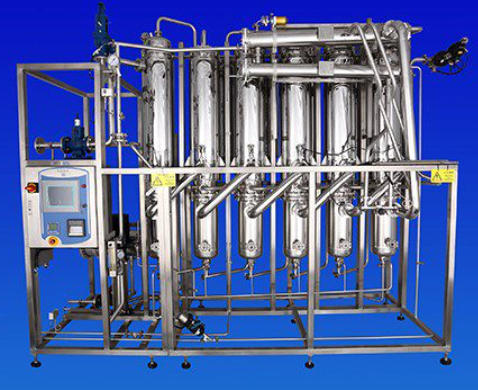
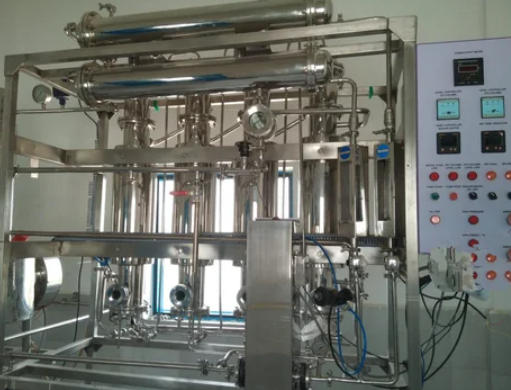
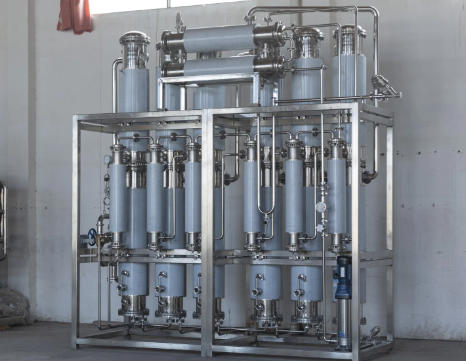
A Multi Function Distillation Water Machine is designed to produce high‑purity water through controlled evaporation and condensation, removing minerals, microorganisms, and many dissolved contaminants. This process delivers water quality that aligns well with the purity expectations for CPAP humidifier use, as described by sleep‑medicine resources and device manufacturers.[2][5]Because a Multi Function Distillation Water Machine can be integrated with storage tanks, circulation loops, and online monitoring systems, it allows hospitals and sleep centers to supply consistent, validated distilled water for respiratory therapy. This same infrastructure can also support other pharmaceutical applications that demand high‑purity water, such as injection water and equipment rinsing.[15]
Everheal’s Pharmaceutical Water and Steam Solutions
Everheal provides a complete portfolio of water and steam solutions, including purified water systems, pure steam generators, Multi Function Distillation Water Machines, liquid filling–sealing machines, and sterilization systems. These systems can be combined into customized, cGMP‑compliant production lines to manufacture bottled or bagged distilled water products targeted for CPAP and respiratory‑care markets.With strong engineering capability in plant layout, piping design, automation, and validation, Everheal can help global partners build turnkey factories for CPAP distilled water, from raw‑water pretreatment to final sterile packaging. By combining the Multi Function Distillation Water Machine with filling, sealing, and sterilization equipment, Everheal enables reliable, branded CPAP distilled water supply for clinics, pharmacies, and home‑care channels.[15]
Practical Advice for Using Cold Distilled Water in CPAP
If only cold distilled water is available, users can fill the humidifier chamber and still protect the device, but allowing the water to stand for a short time at room temperature can improve comfort. Some users also benefit from heated tubing or hose covers to keep the air temperature more stable and reduce condensation.[10][12][11]CPAP users should always follow the device manual regarding water level, humidifier settings, and cleaning schedule. If persistent rainout, unusual noise, or discomfort occurs despite using distilled water and appropriate humidifier settings, it is wise to adjust humidity and temperature or consult a sleep‑medicine professional for additional guidance.[12][14][11]
When to Seek Professional Help
If a user has accidentally used tap water or non‑distilled water for several nights, the humidifier chamber and tubing should be carefully inspected and cleaned, and then the user should return to distilled water as soon as possible. Any appearance of heavy mineral deposits or unusual odors is a sign that parts may need to be replaced according to manufacturer instructions.[2][3][5]When respiratory symptoms such as persistent cough, chest tightness, or fever appear after improper water use or poor equipment hygiene, users should seek medical evaluation. Health agencies warn that pathogens present in tap water can cause infections when inhaled through devices, especially in vulnerable populations, so professional advice is important if there is any concern.[4][6][8]
Conclusion
Cold distilled water can be safely used in a CPAP machine because the critical factor is water purity rather than temperature. For better comfort and less condensation, room‑temperature distilled water is generally recommended, and this aligns with the guidance commonly given by sleep‑medicine professionals and manufacturers.[13][3][2]Everheal’s Multi Function Distillation Water Machine and integrated purified‑water, pure‑steam, filling, and sterilization solutions provide a strong technical foundation for producing reliable, pharmaceutical‑grade distilled water for CPAP users worldwide. By cooperating with Everheal, global partners can develop branded CPAP distilled water products backed by professional engineering, stable quality, and turnkey factory support.[15]
FAQ About Cold Distilled Water and CPAP
1. Can I use refrigerated distilled water in my CPAP?
Yes, you can use refrigerated distilled water in your CPAP humidifier, and it will not damage the machine as long as the water is genuinely distilled and the filling level is correct. However, refrigerated water increases the chance of condensation in the tubing and may make the airflow feel cooler at the beginning of therapy, so room‑temperature distilled water is still preferred.[12][5][11][2]
2. Why is distilled water better than tap water for CPAP?
Distilled water is free from minerals and most microorganisms, so it does not leave scale on the heater plate or chamber and reduces the risk of bacterial growth inside the humidifier. Tap water, even when safe to drink, can contain minerals and pathogens that accumulate in the device and may pose a risk when inhaled as an aerosol.[6][3][2]
3. What should I do if I accidentally used tap water for a few nights?
If you have used tap water for a short period, empty the humidifier, clean and rinse the chamber thoroughly, and switch back to distilled water immediately. Check for mineral deposits or discoloration, and if any appear difficult to remove, replace the chamber according to the manufacturer’s recommendations and monitor your breathing; consult a clinician if you notice symptoms.[16][3][5]
4. Can I make distilled‑like water at home for CPAP?
Home distillation using a pot and condenser or specialized countertop unit is possible, but it may not consistently reach the purity level expected for medical devices. Sleep‑medicine resources generally advise purchasing commercial distilled water that is produced under controlled conditions, or for large‑scale supply, using industrial equipment such as a Multi Function Distillation Water Machine.[3][5][2]
5. How can Everheal support brands and clinics that need CPAP distilled water?
Everheal designs and manufactures Multi Function Distillation Water Machines, purified water systems, pure steam generators, liquid filling–sealing machines, and sterilization systems to build turnkey distilled‑water production lines. With customized plant layout and process design, Everheal helps partners create stable, compliant CPAP distilled water products for hospitals, sleep centers, pharmacies, and home‑care markets.[15]


