Content Menu
● Understanding How CPAP Humidifiers Work
● Why CPAP Manufacturers Recommend Distilled Water Only
● What “Distilled Water with Electrolytes” Really Is
● Risks of Using Distilled Water with Electrolytes in CPAP
● Distilled Water vs. Other Water Types for CPAP
● What If Distilled Water Is Not Available?
● Why Distilled Water Purity Matters
● Multi Function Distillation Water Machine and CPAP‑Grade Water
● Multi Function Distillation Water Machine in Pharmaceutical Facilities
● Integrating Pure Steam Generators and Sterilization Systems
● How Everheal's Solutions Fit Into CPAP Water Needs
● Best Practices for CPAP Users Choosing Water
● Practical Guidance for Clinics and Hospitals
● Conclusion
● FAQ
>> 1: Is distilled water with electrolytes safe for CPAP machines?
>> 2: What should I do if I accidentally used electrolyte water once?
>> 3: Can purified or filtered water replace distilled water in a CPAP?
>> 4: How does a Multi Function Distillation Water Machine help CPAP users?
>> 5: What should medical facilities consider when designing a CPAP water system?
● Citations:
Using distilled water with electrolytes in a CPAP machine is generally not recommended because the added minerals can leave scale and residue inside the humidifier chamber, even though the Multi Function Distillation Water Machine will still run. For long‑term protection of the equipment and stable therapy, plain distilled water without any added electrolytes or minerals is the preferred choice recommended by manufacturers and sleep experts.[1][2][4][5]
Understanding How CPAP Humidifiers Work
CPAP machines deliver a constant flow of pressurized air to keep the airway open during sleep, and many devices include a heated humidifier to prevent dryness in the nose and throat. The humidifier typically uses a small water chamber and a heater plate, which warms the water so that moisture can evaporate into the airflow that the user breathes all night.[2][5][7]
Because the water continuously evaporates while minerals and contaminants remain behind, the chemistry of the water in the chamber directly affects how quickly scale and deposits form. This is why the type of water—distilled, tap, bottled, or electrolyte‑enhanced—matters so much for CPAP maintenance and hygiene.[4][5][6][2]
Why CPAP Manufacturers Recommend Distilled Water Only
Most CPAP device manuals explicitly state that only distilled water should be used in the humidifier tank to avoid mineral buildup and contamination. Distilled water is produced through boiling and condensation, a process that removes nearly all dissolved minerals, metals, and many microorganisms, leaving very low total dissolved solids.[5][1][2][4]
When users instead employ tap water, spring water, mineral water, or electrolyte‑enhanced water, the dissolved minerals remain in the chamber after evaporation and settle on surfaces as a hard, crusty scale. Over time, these deposits can discolor the tank, damage surfaces, promote bacterial growth, and even interfere with the efficiency of the heater plate.[3][7][2][5]
What “Distilled Water with Electrolytes” Really Is
Many commercial beverages are marketed as “vapor distilled water with electrolytes added for taste.” In these products, the water is first distilled and then minerals such as calcium, magnesium, potassium, or sodium are added back to improve flavor and mouthfeel, turning the liquid into mineralized water rather than pure distilled water.[2][4]
From the perspective of a CPAP humidifier, distilled water with electrolytes behaves much like standard bottled mineral water or spring water, because dissolved ions remain behind after evaporation. The presence of electrolytes therefore defeats the main purpose of using distilled water in CPAP machines, which is to minimize mineral content and residue formation.[6][4][5][2]
Risks of Using Distilled Water with Electrolytes in CPAP
Using electrolyte‑enhanced distilled water does not usually create an immediate safety emergency, but it introduces several practical and hygienic risks over time:
- Mineral scaling and residue: Calcium and magnesium ions can crystallize on the chamber walls and heater plate, forming stubborn white or brown deposits.[4][5]
- Shortened equipment life: Heavy scaling can etch plastic, interfere with seals, and cause users to replace the humidifier chamber more frequently than expected.[7][4]
- Increased hygiene challenges: Rough, scaled surfaces are harder to clean thoroughly, which raises the risk of bacterial or fungal colonization and unpleasant odors.[3][2]
- Potential airflow and humidity issues: Thick mineral layers insulate the heater plate and may reduce the consistency of humidity delivery, affecting comfort.[6][2]
These problems are very similar to those caused by hard tap water or mineral water and are precisely what CPAP manufacturers aim to prevent by recommending pure distilled water.[5][2]
Distilled Water vs. Other Water Types for CPAP
Different water types behave differently in CPAP humidifiers:
- Tap water: May contain calcium, magnesium, iron, chlorine, and other additives that lead to scaling and corrosion inside the chamber.[2][5]
- Spring or mineral water: Typically high in dissolved minerals by design, so residue forms even faster than with ordinary tap water.[4][2]
- Purified or filtered water: Has many impurities removed, but can still contain enough minerals to leave deposits over time.[1][3]
- Distilled water: Produced by boiling and condensing steam, removing most minerals and contaminants. It is considered the best option for CPAP humidifiers.[1][2]
Because distilled water with electrolytes falls into the “mineral‑containing” category, it should not be treated as equivalent to plain distilled water for CPAP usage.[2][4]
What If Distilled Water Is Not Available?
In reality, CPAP users sometimes cannot access distilled water while traveling or during emergencies. Many sleep and respiratory specialists note that short‑term use of clean bottled water or filtered tap water can be acceptable if users clean the humidifier chamber more frequently during that period.[9][3][5]
However, electrolyte‑enhanced distilled water offers no significant advantages over ordinary bottled water from the standpoint of scale control, because it still contains added minerals. If there is a choice between plain low‑mineral bottled water and “distilled water with electrolytes,” the mineral‑free option is better for CPAP machines.[10][6][4][2]
Why Distilled Water Purity Matters
Distillation separates water from its contaminants by converting it into steam and then condensing it back into liquid, leaving most dissolved solids behind. This is why distilled water is widely used in laboratories, pharmaceutical plants, and medical equipment where mineral scaling and contamination must be minimized.[11][6][2]
For CPAP humidifiers, pure distilled water prevents limescale, reduces the risk of microbial growth, and makes routine cleaning faster and easier. Users who rely on true distilled water usually see clear chambers, no chalky film, and fewer maintenance issues across the lifetime of their device.[7][5][4][2]
Multi Function Distillation Water Machine and CPAP‑Grade Water
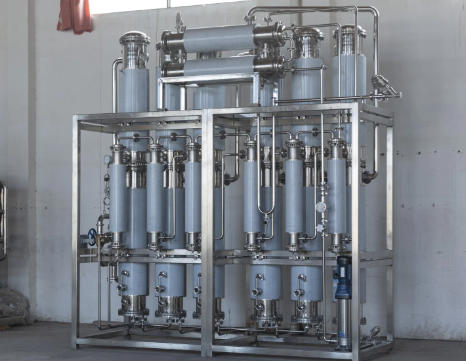
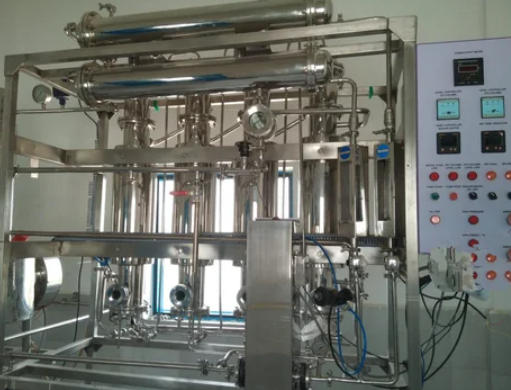
A Multi Function Distillation Water Machine is a specialized system designed to produce high‑purity distilled water continuously, often for pharmaceutical or medical applications. These systems typically employ multi‑effect distillation, in which water passes through several stages of evaporation and condensation to boost efficiency and purity while lowering energy consumption.[12][13][11]
Because the quality standards for pharmaceutical distilled water are extremely strict, water produced by a Multi Function Distillation Water Machine can easily meet or exceed the purity needed for CPAP humidifiers. Hospitals, sleep clinics, and large distributors that install such equipment gain a stable, in‑house source of CPAP‑compatible water without relying solely on bottled supplies.[13][14][12]
Multi Function Distillation Water Machine in Pharmaceutical Facilities
In modern pharmaceutical factories, Multi Function Distillation Water Machine units are used to generate Water for Injection and other high‑grade water streams required for drug formulation, equipment rinsing, and cleanroom processes. These systems are built to comply with international pharmacopoeia and current GMP requirements, ensuring traceability, automation, and rigorous quality documentation.[14][11][12]
Many designs integrate both distilled water production and pure steam generation into one Multi Function Distillation Water Machine platform, allowing operators to feed sterilizers and cleaning systems from the same high‑quality water source. For institutions that also support CPAP therapy, the same purified water infrastructure can be leveraged to provide safe, low‑mineral water for humidifiers.[15][12][13][14]
Integrating Pure Steam Generators and Sterilization Systems
Pure steam generators take high‑purity feedwater from a Multi Function Distillation Water Machine and convert it into clean steam suitable for sterilization and critical equipment contact. This pure steam can be used in autoclaves, sterilizers, and sanitization protocols that keep CPAP accessories such as masks, tubes, and humidifier chambers hygienic in clinical settings.[12][14][15]
When pure steam generators and sterilization systems are integrated with a central purified water system, facilities can maintain consistent water and steam quality throughout the plant. This holistic design supports both pharmaceutical production and CPAP‑related hygiene with a single, validated utility network.[13][14][15][12]
How Everheal's Solutions Fit Into CPAP Water Needs
A manufacturer that specializes in purified water systems, Multi Function Distillation Water Machine equipment, pure steam generators, and sterilization systems can deliver turnkey solutions for hospitals, sleep centers, and medical device plants. By designing custom factory layouts and production lines, it is possible to route distilled water from centralized machinery to many points of use, including CPAP filling stations and packaging lines.[11][14][12][13]
Everheal's expertise in multi‑effect distillation, pure steam generation, and automated sterilization can help clients build integrated utilities that meet both pharmaceutical regulations and practical CPAP water requirements. This infrastructure ensures that the distilled water reaching the CPAP humidifier has very low mineral content, making it far superior to any distilled water with electrolytes for protecting devices and patients.[12][13][2]
Best Practices for CPAP Users Choosing Water
To protect both health and equipment, CPAP users can follow several key recommendations regarding water choice:
- Always use plain distilled water without added electrolytes, minerals, flavors, or sweeteners as the default option.[5][1]
- Read labels carefully; if you see wording such as “minerals added for taste” or “electrolytes added,” do not treat the product as suitable distilled water for CPAP.[4][2]
- If distilled water is temporarily unavailable, use clean bottled or filtered water for a short period and clean the chamber more frequently during that time.[3][5]
- Empty and air‑dry the humidifier tank daily and follow the manufacturer's cleaning schedule to prevent residue, odors, or microbial growth.[7][5]
- Replace the humidifier chamber if it becomes cloudy, deeply stained, or heavily scaled, even if the device still works.[16][4]
In institutional environments, investing in a Multi Function Distillation Water Machine can supply reliable CPAP‑grade water and dramatically reduce dependence on small bottled containers.[13][12]
Practical Guidance for Clinics and Hospitals
Clinics and hospitals that support many CPAP users should view water quality as part of their medical utility strategy. Installing a Multi Function Distillation Water Machine and integrating it with storage tanks, distribution piping, and monitoring instruments enables a stable supply of high‑purity water.[14][12][13][2]
From that same centralized system, pure steam generators and sterilization equipment can be fed with high‑quality water, supporting infection control programs and device reprocessing. This approach can improve regulatory compliance, reduce operating costs over time, and ensure that CPAP humidifiers are always filled with suitable water rather than electrolyte‑enhanced or mineralized alternatives.[15][14][12][13]
Conclusion
Distilled water is the preferred and recommended choice for CPAP humidifiers because it contains virtually no minerals or contaminants, which helps prevent scale, residue, and microbial growth inside the machine. Distilled water with electrolytes may be safe to drink, but it reintroduces minerals that behave like those in ordinary bottled or tap water, leading to deposits and extra cleaning demands, so it should not be used as a long‑term solution in CPAP devices.[5][7][2][4]
When distilled water is unavailable, brief use of other clean water types may be acceptable if the humidifier is cleaned more frequently, but users should return to pure distilled water as soon as possible. For clinics, hospitals, and industrial partners, implementing a Multi Function Distillation Water Machine and integrated pure steam and sterilization systems offers a robust, scalable way to provide CPAP‑compatible water while also supporting broader pharmaceutical and medical needs.[14][3][12][13][5]
FAQ
1: Is distilled water with electrolytes safe for CPAP machines?
Distilled water with electrolytes will not usually cause immediate harm, but it is not ideal for CPAP humidifiers because the added minerals can deposit on the heater plate and chamber surfaces. These deposits shorten component life and make cleaning more difficult, so manufacturers recommend plain distilled water without electrolytes instead.[1][2][4][5]
2: What should I do if I accidentally used electrolyte water once?
If you used distilled water with electrolytes by mistake for a night, empty the chamber, rinse it thoroughly, and clean it according to the manufacturer's instructions. Afterward, refill the tank with pure distilled water and monitor for any visible residue; occasional single use is unlikely to damage the machine if cleaning is done promptly.[3][7][2][5]
3: Can purified or filtered water replace distilled water in a CPAP?
Purified or filtered water can remove many impurities but may still contain minerals that cause scale over time. It can be used briefly when distilled water is not available, but it is not a complete substitute, and the humidifier will need more frequent cleaning if purified water is used regularly.[1][2][3][5]
4: How does a Multi Function Distillation Water Machine help CPAP users?
A Multi Function Distillation Water Machine produces high‑purity distilled water continuously, which exceeds the quality needed for CPAP humidifiers and greatly reduces mineral‑related problems. Hospitals and clinics can integrate such equipment into purified water systems to supply stable CPAP‑grade water at multiple points of use without relying solely on bottled water.[12][13][14]
5: What should medical facilities consider when designing a CPAP water system?
Medical facilities should consider installing a Multi Function Distillation Water Machine, adequate storage tanks, distribution loops, and continuous monitoring devices to maintain water purity from generation to use. Integrating pure steam generators and sterilization systems into this network helps keep CPAP accessories hygienic and supports compliance with healthcare and pharmaceutical standards.[15][14][12]
Citations:
[1](https://www.sleepapnea.org/cpap/should-you-use-distilled-water-for-a-cpap-machine/)
[2](https://www.sleepfoundation.org/cpap/should-you-use-distilled-water-for-a-cpap-machine)
[3](https://careicahealth.com/can-i-use-non-distilled-water-in-my-cpap-humidifier/)
[4](https://distillata.com/blog/what-type-of-water-to-use-for-cpap-machine/)
[5](https://sleepdoctor.com/pages/cpap/why-use-distilled-water-for-cpap)
[6](https://cpapsupplies.com/blog/tap-purified-water-humidifer)
[7](https://www.verywellhealth.com/do-you-need-distilled-water-for-the-cpap-humidifier-3015017)
[8](https://www.reddit.com/r/CPAP/comments/n7u094/how_important_is_it_to_use_distilled_water_in/)
[9](https://breathefreely.com/traveling-with-a-cpap-machine/)
[10](https://healthysleepmidwest.com/can-i-use-bottled-water-in-my-cpap-for-one-night/)
[11](https://www.senieer.com/multi-effect-water-distiller/)
[12](https://www.meco.com/product/biopharmaceuticals-multiple-effect-distillation/)
[13](https://www.molewater.com/pharmaceutical-multi-effect-distilled-water-generatorwfi-system)
[14](https://aipakengineering.com/pharmaceutical-water-system/)
[15](https://www.sterislifesciences.com/Products/Water-For-Injection-and-Pure-Steam-Equipment/Finn-Aqua-T-Series-Multiple-Effect-Water-Stills)
[16](https://shop.aeroflowsleep.com/blog/cpap-water)


