Content Menu
● What Is an Infusion Bag?
● Main Types of Infusion Bag
● Key Applications of Infusion Bags
● Where to Buy Infusion Bag Products
>> Hospital and Clinic Supply Distributors
>> Global Online Medical Marketplaces
>> Direct From Specialized Infusion Bag Manufacturers
>> Turnkey Production Line Providers (Build Your Own Infusion Bag Factory)
● How Everheal Supports Infusion Bag Projects
>> Utility Systems for Infusion Bag Solutions
>> Filling and Sealing for Infusion Bag Lines
>> Sterilization and Inspection
● Key Buying Criteria for Infusion Bag Products
>> Regulatory Compliance
>> Material and Compatibility
>> Capacity Range and Product Portfolio
>> Quality Control and Traceability
>> Service, Technical Support, and After‑Sales
● Comparison of Infusion Bag Sourcing Options
● When to Build Versus Buy Infusion Bag Products
>> Buying Finished Infusion Bag Products
>> Building an Infusion Bag Factory with Everheal
● Steps to Start an Infusion Bag Project with Everheal
>> Step 1: Define Product and Market Requirements
>> Step 2: Conceptual Layout and Utility Design
>> Step 3: Equipment Selection and Integration
>> Step 4: Installation, Qualification, and Training
● Conclusion
● FAQ About Infusion Bags
>> 1. What is an Infusion Bag used for?
>> 2. What materials are Infusion Bags made from?
>> 3. Can I buy Infusion Bags directly from manufacturers?
>> 4. How do I ensure the quality of Infusion Bags?
>> 5. How can Everheal help with an Infusion Bag project?
● Citations:
Healthcare buyers, distributors, and pharmaceutical companies can buy Infusion Bag products from three main channels: medical distributors, original manufacturers, and turnkey solution providers that build complete Infusion Bag production lines. Choosing the right source depends on whether you need small-volume clinical supply, OEM/ODM Infusion Bag manufacturing, or a full factory solution.
What Is an Infusion Bag?
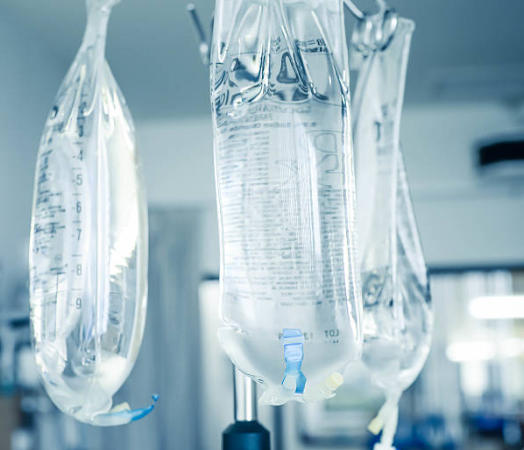
An Infusion Bag is a sterile flexible container used to hold and deliver IV fluids, electrolytes, nutrition, and drugs directly into a patient's bloodstream. Typical Infusion Bag systems include the bag body, ports for filling and administration, hanging holes, and compatible Infusion Bag tubing sets.
Modern Infusion Bag products are manufactured from medical-grade PVC or non‑PVC materials such as multilayer films and are designed to meet strict global standards like CE, ISO 13485, and GMP. Pharmaceutical companies often purchase empty Infusion Bag containers, then use aseptic filling and sterilization equipment to create finished IV solutions.
Main Types of Infusion Bag
Different clinical and pharmaceutical applications require different Infusion Bag designs. Understanding the main Infusion Bag categories helps buyers select appropriate products and plan production capacity.
- PVC Infusion Bag
Classic IV container made from medical‑grade PVC film, widely used for standard saline and dextrose solutions in hospitals. This type of Infusion Bag is cost‑effective and has a long history of safe clinical use.
- Non‑PVC Infusion Bag
Multilayer PVC‑free Infusion Bag designed to improve biocompatibility and reduce plasticizer exposure for sensitive drugs such as oncology agents and certain antibiotics. Non‑PVC Infusion Bag products are often preferred in markets with stricter regulations on DEHP and related plasticizers.
- Multi‑chamber Infusion Bag
Segmented Infusion Bag that separates components, for example lipids, amino acids, and glucose, until activation. Multi‑chamber Infusion Bag designs are ideal for parenteral nutrition and stability‑sensitive formulations that must be mixed immediately before infusion.
- Empty OEM Infusion Bag
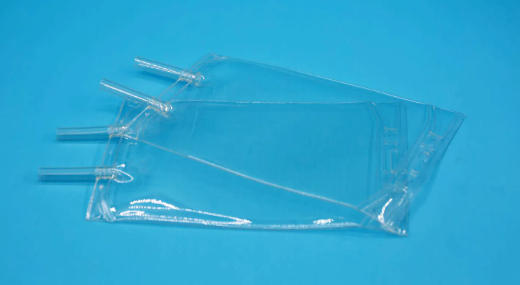
Un‑filled standardized or customized Infusion Bag bodies purchased by pharmaceutical manufacturers for in‑house filling, sealing, and terminal sterilization. Empty Infusion Bag options allow companies to develop proprietary formulations while using a proven container system.
- Specialty Infusion Bag
Includes pressure Infusion Bag systems, chemotherapy‑grade Infusion Bag solutions, and customized sizes up to several liters for special procedures. Specialty Infusion Bag designs may feature additional barriers, light protection, or enhanced chemical resistance.
Key Applications of Infusion Bags
Infusion Bag products are essential across many therapeutic areas and healthcare environments. The same core container concept supports a wide range of treatments and clinical workflows.
- Standard IV Therapy
Infusion Bag solutions such as saline, Ringer's, and dextrose provide basic hydration and electrolyte balance for surgical and medical patients. These Infusion Bag products are used daily in emergency rooms, wards, and intensive care units.
- Parenteral Nutrition
Multi‑chamber or customized Infusion Bag systems deliver complete parenteral nutrition to patients who cannot eat normally. Nutrition Infusion Bag products are carefully formulated to include amino acids, lipids, carbohydrates, vitamins, and trace elements.
- Chemotherapy and Oncology
Many cytotoxic drugs are prepared in non‑PVC Infusion Bag containers to reduce interactions between the drug and the packaging material. Oncology Infusion Bag solutions often require specific materials, light protection, and defined shelf‑life conditions.
- Antibiotics and Specialty Drugs
Ready‑to‑use antibiotics in Infusion Bag formats help reduce preparation errors and speed up treatment in acute settings. For some biologics and specialty molecules, custom Infusion Bag designs may be needed to maintain stability and sterility.
- Home and Ambulatory Infusion
In homecare and ambulatory infusion settings, portable Infusion Bag systems and compatible pumps enable long‑term therapies outside the hospital. Lightweight, flexible Infusion Bag designs improve patient comfort and mobility.
Where to Buy Infusion Bag Products
Hospitals, distributors, and pharma companies can purchase Infusion Bag products from different sources depending on volume, regulatory requirements, and technical needs. Each channel has advantages and limitations.
Hospital and Clinic Supply Distributors
Local and regional medical distributors remain the fastest way for healthcare facilities to buy standard Infusion Bag products. These distributors maintain warehouses and logistics networks that are optimized for hospital supply.
- They stock common saline and electrolyte Infusion Bag formats in multiple volumes for routine use.
- Buyers can consolidate Infusion Bag purchasing with other items such as infusion sets, catheters, syringes, and consumables to simplify ordering and warehousing.
Distributors typically cooperate with several Infusion Bag manufacturers, offering different brands and pricing tiers to match hospital budgets. For urgent Infusion Bag demand, regional stock and short lead times are major advantages.
Global Online Medical Marketplaces
International B2B platforms are a key channel for bulk Infusion Bag procurement and OEM sourcing. On these sites, buyers can quickly scan offers from multiple countries and compare technical details.
- Buyers can compare many Infusion Bag suppliers side by side, checking certifications, materials, port styles, and minimum order quantities.
- Platforms support RFQ (request for quotation) workflows that allow detailed Infusion Bag specification, customized packaging, and price negotiations.
When using online marketplaces for Infusion Bag purchasing, it is important to verify quality documentation such as ISO 13485, CE marking, and GMP conformity. Requesting samples of Infusion Bag films, ports, and finished bags before large orders reduces risk and helps confirm compatibility with intended drugs and sterilization methods.
Direct From Specialized Infusion Bag Manufacturers
Working directly with specialized Infusion Bag manufacturers is ideal for long‑term projects and private‑label products. These manufacturers usually have deep experience in medical packaging and flexible containment.
- Dedicated Infusion Bag manufacturers offer full product ranges from 50 ml to several liters, including customized port configurations, overwraps, and printing.
- They can provide OEM/ODM Infusion Bag services, allowing pharmaceutical companies and brand owners to launch differentiated IV bag lines under their own labels.
These manufacturers typically operate under strict quality systems that include GMP, ISO 9001, and ISO 13485, which are essential for regulated Infusion Bag markets. Long‑term partnerships can secure stable Infusion Bag supply, technical support, and co‑development of new bag designs that match future drug pipelines.
Turnkey Production Line Providers (Build Your Own Infusion Bag Factory)
For pharmaceutical groups and medical packaging companies, building an in‑house Infusion Bag plant is often more strategic than buying finished bags. Instead of purchasing Infusion Bag products from external sellers, they invest in complete production lines and manufacture internally.
Everheal, a China‑based pharmaceutical equipment and engineering provider, specializes in designing and delivering complete sterile production lines including utilities, filling, and sterilization systems. This enables clients to manufacture their own Infusion Bag products while fully controlling recipes, quality, and regulatory compliance.
Everheal's turnkey approach integrates purified water preparation, pure steam generators, multieffect distillation systems, liquid filling and sealing machines, and sterilization systems into a GMP‑oriented plant layout. For companies planning a Infusion Bag factory, Everheal provides layout design, equipment selection, installation, validation, and training services to accelerate project delivery and reduce technical risk.
How Everheal Supports Infusion Bag Projects
Everheal does not simply sell standalone machines; it builds integrated sterile solutions that match the entire Infusion Bag life cycle. From utility preparation to final packaging, every step of Infusion Bag production can be engineered as one coherent system.
Utility Systems for Infusion Bag Solutions
Utility systems are the backbone of any Infusion Bag plant because sterile product quality depends on the purity of the water and steam that touch the process.
- Everheal supplies purified water systems, Water for Injection (WFI) generation units, and pure steam equipment that prepare key media for Infusion Bag formulation and cleaning.
- These utility systems are designed to meet pharmacopoeia requirements and provide stable, monitored conditions that support continuous Infusion Bag production.
By matching the capacity of purified water and WFI systems to planned batch sizes and working shifts, Everheal ensures that the Infusion Bag line can run reliably without capacity bottlenecks.
Filling and Sealing for Infusion Bag Lines
Filling accuracy, sterility, and sealing integrity are critical for every Infusion Bag product. Poorly filled or sealed bags can leak, lose sterility, or deliver incorrect doses.
- Everheal's liquid filling and sealing machines can be configured for various Infusion Bag formats and solution viscosities.
- Automatic CIP/SIP functions, aseptic design, and integration with cleanrooms help maintain a high sterility assurance level for Infusion Bag filling operations.
The company can customize filling nozzles, sealing heads, and handling systems to match PVC and non‑PVC Infusion Bag structures. Integration with weighers and in‑line inspection further improves dose accuracy and product consistency.
Sterilization and Inspection
After filling and sealing, many Infusion Bag products require terminal sterilization to ensure microbiological safety, especially for long shelf‑life solutions.
- Everheal provides autoclaves and sterilization tunnels that perform terminal sterilization of filled Infusion Bag products according to GMP guidelines.
- Combined with online inspection and downstream packaging solutions, this creates a complete Infusion Bag manufacturing line from raw water to final packed product.
Visual inspection, leak testing, and labeling systems can be integrated to verify that each Infusion Bag meets specifications before release. This end‑to‑end approach simplifies validation and regulatory audits.
Key Buying Criteria for Infusion Bag Products
When deciding where to buy Infusion Bag products or how to design an Infusion Bag factory, several technical and commercial criteria are essential. Focusing on these points helps buyers avoid quality problems and supply disruptions.
Regulatory Compliance
Ensure the Infusion Bag supplier provides recognized certifications and operates under robust quality systems.
- Check for ISO 13485, ISO 9001, and, where relevant, GMP‑certified facilities.
- Confirm that the Infusion Bag manufacturer can support country‑specific registrations and provide technical documentation, stability data, and material safety information.
Strong regulatory support is especially important for companies exporting Infusion Bag products to multiple regions with different regulatory frameworks.
Material and Compatibility
The material of the Infusion Bag directly affects drug stability and patient safety.
- Confirm whether the Infusion Bag is PVC or non‑PVC, DEHP or non‑DEHP, and check compatibility with planned drugs and sterilization methods such as steam, ethylene oxide, or irradiation.
- For sensitive molecules, request extractables and leachables data, as well as information on oxygen and moisture barrier performance.
Selecting the right Infusion Bag material early in product development reduces the need for reformulation or packaging changes later.
Capacity Range and Product Portfolio
Evaluate whether the supplier offers the full Infusion Bag size range and specialized designs you need.
- Standard Infusion Bag volumes such as 50 ml, 100 ml, 250 ml, 500 ml, and 1000 ml are essential for basic IV therapies.
- Additional options, such as multi‑chamber, overwrapped, or light‑protected Infusion Bag products, support advanced therapies and future portfolio expansion.
A broad Infusion Bag portfolio allows buyers to source multiple SKUs from a single partner, simplifying supply chain management.
Quality Control and Traceability
Transparent, well‑documented quality control is vital for Infusion Bag safety and consistency.
- Ensure batch traceability for films, ports, and finished Infusion Bag products.
- Ask for detailed quality documentation, including test methods, acceptance criteria, and change control procedures that might affect the Infusion Bag over time.
Strong traceability simplifies investigations, recalls, and regulatory inspections if issues arise.
Service, Technical Support, and After‑Sales
For large projects, especially when installing new lines, service and engineering support become critical.
- Seek partners that can provide installation, commissioning, validation, and operator training for Infusion Bag equipment.
- For ongoing operations, access to spare parts, maintenance, and remote troubleshooting helps keep Infusion Bag lines running smoothly.
Turnkey partners like Everheal can also assist with process optimization and capacity upgrades as Infusion Bag demand grows.
Comparison of Infusion Bag Sourcing Options
Different sourcing routes suit different business models and growth stages. Below is a practical comparison of common Infusion Bag sourcing options.
| Sourcing route | Typical buyer | Main advantage | Main limitation |
| Local distributors | Hospitals, clinics | Fast delivery of standard Infusion Bag formats with simple ordering processes. | Limited customization and OEM options for unique Infusion Bag projects. |
| Online B2B platforms | Traders, small and mid‑size pharma | Access to many Infusion Bag suppliers, price levels, and MOQs worldwide. | Requires careful vetting of quality, compliance, and logistics reliability. |
| Direct Infusion Bag manufacturers | Medium–large pharma, brand owners | Strong OEM/ODM Infusion Bag capability and full technical documentation. | Longer onboarding time and higher minimum order quantities for new buyers. |
| Turnkey line providers (e.g., Everheal) | Pharma groups, packaging factories | Build complete Infusion Bag production lines with integrated utilities, filling, and sterilization. | Requires higher initial investment and detailed project planning. |
When to Build Versus Buy Infusion Bag Products
Deciding whether to buy finished Infusion Bag products or build a factory depends on scale, regulatory strategy, and brand positioning. Each route changes how you manage cost, risk, and technical capability around Infusion Bag production.
Buying Finished Infusion Bag Products
Buying finished Infusion Bag items is suitable for hospitals, distributors, and smaller pharmaceutical companies.
- This route offers quick market access without heavy capital expenditure on equipment and facilities.
- Outsourcing reduces the need for in‑house sterile engineering but limits deep customization of Infusion Bag materials, structures, and printing.
For organizations focused mainly on distribution and clinical supply, purchasing ready‑to‑use Infusion Bag products is often the simplest and lowest‑risk solution.
Building an Infusion Bag Factory with Everheal
Large groups and long‑term players may gain more value by cooperating with Everheal to design an in‑house Infusion Bag production line.
- With Everheal, companies can integrate purified water systems, pure steam generators, filling and sealing machines, and sterilization units into one coordinated Infusion Bag plant.
- This approach gives full control over Infusion Bag formulation, branding, cost structure, and regulatory dossiers, while building internal technical capabilities for future expansion.
Although capital requirements are higher, owning an Infusion Bag factory can significantly reduce unit cost at scale and improve supply chain resilience.
Steps to Start an Infusion Bag Project with Everheal
Companies exploring in‑house Infusion Bag capabilities can follow a structured path with Everheal's engineering team. This transforms high‑level business ideas into a detailed, executable project roadmap.
Step 1: Define Product and Market Requirements
The first step is to clarify what kind of Infusion Bag portfolio you plan to produce and where you will sell it.
- Define target drugs, capacities, filling volumes, and therapeutic areas for your Infusion Bag range.
- Identify target countries and regulatory pathways, which will influence Infusion Bag material selection, sterilization methods, and required documentation.
A clear product and market strategy allows Everheal to design an Infusion Bag line that fits current needs and future growth.
Step 2: Conceptual Layout and Utility Design
Once requirements are clear, Everheal develops a factory layout and utility concept that supports Infusion Bag production under GMP.
- Production flows are aligned with cleanroom zoning to separate solution preparation, Infusion Bag forming or handling, filling, and sterilization.
- Purified water, WFI, and pure steam capacities are sized according to expected Infusion Bag batch sizes, shift patterns, and redundancy needs.
Good conceptual design shortens later engineering stages and simplifies regulatory review.
Step 3: Equipment Selection and Integration
Everheal then selects and configures equipment to match the specified Infusion Bag formats and desired production speed.
- Filling, sealing, and sterilization machines are chosen based on Infusion Bag material, volume range, viscosity of solutions, and target throughput.
- All units are integrated as a single automated Infusion Bag line with appropriate control systems, monitoring, alarms, and data logging.
Integration reduces manual handling, lowers contamination risk, and improves consistency across Infusion Bag batches.
Step 4: Installation, Qualification, and Training
The final step is to bring the Infusion Bag plant into operation and align it with cGMP expectations.
- Everheal supports installation, commissioning, IQ/OQ, and, where required, assists with PQ for critical Infusion Bag processes.
- Comprehensive training prepares operators, maintenance teams, and quality staff to run and control the Infusion Bag line safely and efficiently.
With structured qualification and training, the new Infusion Bag facility can move quickly from project stage to routine production.
Conclusion
For hospitals and distributors asking “Where can I buy Infusion Bags?”, the most suitable sources include local medical distributors, global online marketplaces, and direct cooperation with specialized Infusion Bag manufacturers. Each option offers a different balance between speed, flexibility, cost, and regulatory support.
For pharmaceutical companies and medical packaging groups, working with a turnkey engineering partner like Everheal makes it possible not only to buy Infusion Bag equipment, but also to build a fully integrated Infusion Bag production line. By combining purified water systems, pure steam generators, filling and sealing machines, sterilization units, and GMP‑oriented layout design, Everheal helps clients establish robust Infusion Bag manufacturing capabilities.
By carefully comparing sourcing routes, verifying certifications, and aligning capacity with market goals, buyers can choose the Infusion Bag strategy that best matches their clinical needs and long‑term growth plans. Whether purchasing finished Infusion Bag products or engineering a new Infusion Bag factory, a structured approach and experienced partners are the foundation of safe, reliable infusion therapy.

FAQ About Infusion Bags
1. What is an Infusion Bag used for?
An Infusion Bag is used to deliver sterile fluids, electrolytes, nutrition, and medications directly into a patient's vein via an IV set. Hospitals rely on Infusion Bag systems for hydration, drug administration, chemotherapy, and parenteral nutrition across many departments.
2. What materials are Infusion Bags made from?
Most Infusion Bag products are made from medical‑grade PVC or non‑PVC multilayer films designed for sterility and biocompatibility. Many suppliers also offer non‑DEHP or PVC‑free Infusion Bag options for sensitive drugs and markets with stricter regulations on plasticizers.
3. Can I buy Infusion Bags directly from manufacturers?
Yes, pharmaceutical companies, distributors, and brand owners can buy Infusion Bag products directly from specialized manufacturers that provide OEM/ODM services. This route enables custom Infusion Bag sizes, materials, chamber structures, and printing while supplying full quality and regulatory documentation.
4. How do I ensure the quality of Infusion Bags?
To ensure Infusion Bag quality, buyers should focus on certifications, materials, and documented testing. Checking ISO 13485, GMP compliance, stability data, and extractables and leachables information, and requesting Infusion Bag samples for internal evaluation, all help confirm that the product is suitable for its intended use.
5. How can Everheal help with an Infusion Bag project?
Everheal helps companies design and build complete Infusion Bag production lines, integrating purified water systems, pure steam generators, liquid filling and sealing machines, sterilization equipment, and plant layout planning. With installation, qualification, and training support, Everheal enables clients to launch compliant Infusion Bag manufacturing with controlled quality and scalable capacity.
Citations:
1. https://www.ciamedical.com/infusion-bags
2. https://www.sinymedical.com/siny-infusion-bags/
3. https://www.bioteq.com.tw/en/products/PVC-IV-Infusion-Bag
4. https://openmedscience.com/a-buyers-guide-to-empty-iv-bags-and-iv-tubing-sets-essentials-for-modern-medical-preparedness/
5. https://www.vdfmedpack.com/how-do-i-choose-the-best-infusion-bag-for-chemotherapy-treatments-a-procurement-guide-for-efficacy-and-safety/
6. https://smartbuy.alibaba.com/buyingguides/iv-bags-for-drinks
7. https://www.everhealgroup.com
8. https://www.everhealgroup.com/pharmaceutical-production-line.html
9. https://www.everhealgroup.com/service.html
10. https://hkmedicalsupply.com/collections/iv-infusion-injection
11. https://www.pppmag.com/documents/V5N1/p18_20.pdf
12. https://rightwaymed.com/a-beginners-guide-to-infusion-therapy/


