Content Menu
● Understanding US Pharmaceutical Consumption
● Volume vs. Spending: Why the Numbers Look Different
● Drivers of High US Pharmaceutical Use
>> Demographics and Chronic Disease
>> Insurance Coverage and Prescribing Culture
● Why US Pharmaceutical Spending Is So High
● Pharmaceuticals vs. Pharmaceutical Consumables
● How US Demand Shapes Global Manufacturing and Supply Chains
● The Role of Utilities and Process Equipment
● Everheal's Position in the Pharmaceutical Consumables Ecosystem
● Opportunities in a US‑Driven Global Market
● Conclusion
● FAQ
>> 1. Does the US consume most of the world's pharmaceuticals?
>> 2. Why is US pharmaceutical spending so high if volume is relatively modest?
>> 3. How does US demand affect global Pharmaceutical Consumables suppliers?
>> 4. What is the relationship between utilities and Pharmaceutical Consumables?
>> 5. How can Everheal support companies targeting the US pharmaceutical market?
● Citations:
The United States accounts for only a minority of global pharmaceutical consumption by volume—roughly about 8–13% of the world's prescription drug use when measured in standardized treatment doses. At the same time, the US generates around one‑third to nearly one‑half of global prescription drug revenues, reflecting higher prices, rapid adoption of innovative therapies, and strong demand for specialized Pharmaceutical Consumables.

Understanding US Pharmaceutical Consumption
A common myth claims that Americans consume the vast majority of the world's drugs, sometimes quoted as more than 80% of all pharmaceuticals. In reality, analyses that measure medicine use in defined daily doses show that the US share of worldwide pharmaceutical consumption is in the single digits, close to 8% and generally under 13%. This means that, by sheer volume, most prescriptions and over‑the‑counter medicines are actually consumed outside the United States, even though US patients often take multiple chronic medications and rely heavily on Pharmaceutical Consumables in hospital and outpatient care.
At the same time, the US has a far larger share of global pharmaceutical spending than its volume share would suggest. Because prices per dose are higher and the mix of products is skewed toward innovative and specialty medicines, the US accounts for roughly 30–40% of global pharmaceutical sales and close to half of worldwide prescription drug revenues. This mismatch between volume and spending helps explain why the US plays such a dominant role in the global market for Pharmaceutical Consumables, even though it does not consume most of the world's drugs by count.
Volume vs. Spending: Why the Numbers Look Different
When discussing “how much” pharmaceuticals the US consumes, it is important to distinguish between three different metrics:
- Population: The US has less than 5% of the world's population.
- Volume: The US consumes around 8–13% of global prescription medicines when measured in standardized doses.
- Spending: The US accounts for around 30–40% of global pharmaceutical sales and up to about half of industry revenues.
The volume figure answers the literal question of what percentage of pharmaceuticals the US consumes in medical terms. It shows that Americans do not dominate global medicine use as much as some viral claims suggest. However, the spending figure is equally important for manufacturers, wholesalers, and suppliers of Pharmaceutical Consumables, because revenue concentration determines where companies focus their innovation, marketing, and investment in manufacturing infrastructure.
From an industry perspective, the revenue concentration in the US means that high‑value pharmaceutical production—especially for biologics, oncology drugs, immunotherapies, and specialty injectables—is heavily shaped by US demand. These therapies require advanced formulation, filling, packaging, and sterile handling, all of which rely on a range of Pharmaceutical Consumables such as vials, stoppers, syringes, filters, and single‑use processing systems.
Drivers of High US Pharmaceutical Use
Demographics and Chronic Disease
Demographic trends strongly influence pharmaceutical consumption patterns. The US has a growing elderly population and a high prevalence of chronic diseases such as:
- Cardiovascular diseases
- Diabetes and metabolic disorders
- Cancer
- Autoimmune and inflammatory conditions
- Mental health disorders
Patients with these conditions often require long‑term, multi‑drug therapy, which increases both the number of prescriptions and the associated use of Pharmaceutical Consumables. For example, injectable biologics for autoimmune diseases and oncology frequently depend on sterile vials, prefilled syringes, infusion sets, and single‑use filters. Over time, each chronic patient's treatment can translate into substantial cumulative demand for these consumable items, even if the US share of global volume remains well below 50%.
Insurance Coverage and Prescribing Culture
The structure of the US health system also encourages high levels of medicine use. Public programs such as Medicare and Medicaid, as well as employer‑sponsored insurance, cover a large share of prescription drug spending for many patients. With insurance covering most of the cost, physicians and patients may be more willing to adopt newer medicines that are more expensive, including specialty and biologic therapies.
In addition, the US has a prescribing culture that tends to adopt innovative medicines quickly, especially in high‑impact therapeutic categories like oncology, immunology, and endocrinology. Pharmaceutical companies invest heavily in marketing and education, while specialty pharmacies and integrated health systems develop the capability to manage complex regimens. This ecosystem encourages the use of advanced dosage forms and delivery systems, which in turn deepens reliance on sophisticated Pharmaceutical Consumables with tight quality specifications.
Why US Pharmaceutical Spending Is So High
Although the US does not consume the majority of global pharmaceutical volume, it is the largest national market by spending. Several key factors explain this:
- Higher list prices and net prices for branded medicines compared with many other countries.
- Rapid uptake of new drugs, especially biologics, cell and gene therapies, and other cutting‑edge treatments.
- Higher utilization of specialty medicines, which typically have much higher costs per patient.
- Less centralized price negotiation than in many single‑payer systems, leading to more price variability and often higher average spending.
For manufacturers, this means that the US contributes a disproportionate share of global profits, which helps fund research and development for new therapies. For suppliers of Pharmaceutical Consumables, it means that specifications and quality expectations for US‑bound products often become the de facto global standard. Equipment and consumables that want to compete in this market must be engineered to meet stringent quality, sterility, and documentation requirements.
Pharmaceuticals vs. Pharmaceutical Consumables
To understand how US consumption patterns affect the broader industry, it is important to clarify the difference between pharmaceuticals and Pharmaceutical Consumables.
- Pharmaceuticals are the medicinal products themselves, such as tablets, capsules, syrups, injections, creams, and vaccines.
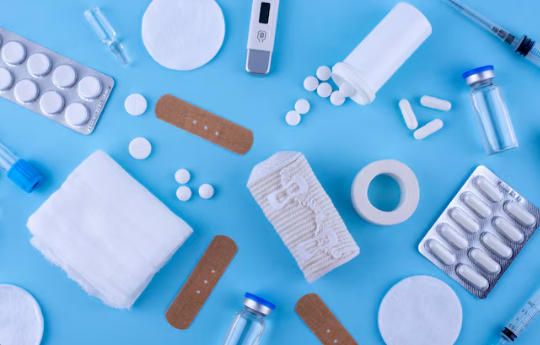
- Pharmaceutical Consumables are the materials, components, and single‑use products required to manufacture, package, store, and administer medicines safely and effectively.
Typical Pharmaceutical Consumables include:
- Glass vials, ampoules, cartridges, and prefilled syringes
- Rubber stoppers, aluminum seals, and tamper‑evident closures
- Sterile filters, tubing, and single‑use bags used in upstream and downstream processing
- Cleanroom gowns, gloves, masks, and sterilization indicators
- Labels, primary and secondary packaging, and protective shipping materials
Because high‑value injectable and biologic products dominate the growth part of the global market—and because the US consumes a large share of these products' revenues—demand for specialized Pharmaceutical Consumables is particularly strong among companies serving the US. For example, the need to prevent particulate contamination and extractables/leachables issues drives continuous innovation in vials, stoppers, and single‑use systems.
How US Demand Shapes Global Manufacturing and Supply Chains
The geography of pharmaceutical supply reveals that drug ingredients and finished dosage forms for the US market are sourced from both domestic and international facilities. Many active pharmaceutical ingredients (APIs) come from plants in Asia and Europe, while finished dosage forms are produced in a mix of North American, European, and Asian facilities.
To serve the US market, these facilities must comply with current Good Manufacturing Practices (cGMP) and undergo rigorous inspections and audits. This has several implications for Pharmaceutical Consumables:
- Consumables must be manufactured under strong quality systems and be fully traceable.
- Leachables, extractables, and particulate matter must be tightly controlled.
- Sterility and bioburden levels must meet strict regulatory limits.
- Documentation must be robust, including certificates of analysis and validation reports.
These requirements apply not only to direct product‑contact items but also to utilities and process systems that indirectly affect product quality. For example, pure water systems, pure steam generators, and clean‑in‑place (CIP) and sterilize‑in‑place (SIP) systems must all be designed to ensure that Pharmaceutical Consumables are cleaned, rinsed, and sterilized consistently and effectively.
The Role of Utilities and Process Equipment
High‑quality utilities are a hidden backbone of pharmaceutical production, especially for sterile and parenteral products that are widely used in the US market. Key utilities include:
- Purified water preparation systems, which supply water for formulation, cleaning, and rinsing Pharmaceutical Consumables.
- Water‑for‑injection (WFI) production, often generated by multi‑effect distillation or vapor‑compression distillation, used in injectables and critical cleaning applications.
- Pure steam generators, which produce clean steam for sterilizing equipment, components, and some Pharmaceutical Consumables.
- Process water storage and distribution loops designed to prevent microbial growth and maintain low conductivity and total organic carbon (TOC).
These utilities must be integrated seamlessly with process equipment such as mixing tanks, filtration skids, and aseptic filling lines. Each step in the process—from solution preparation to final filling and sealing—depends on the reliable performance of Pharmaceutical Consumables. Proper layout, piping design, and material selection help avoid dead legs and contamination risks that could compromise both utilities and consumables.
Everheal's Position in the Pharmaceutical Consumables Ecosystem
As a Chinese company focusing on pharmaceutical equipment and engineering solutions, Everheal operates in a part of the value chain that is closely connected to Pharmaceutical Consumables. The company's core offerings include:
- Purified water preparation systems tailored to different pharmacopoeia requirements.
- Pure steam generators for sterilization and process applications.
- Multifunctional distillation equipment for high‑purity water and WFI generation.
- Liquid filling and sealing machines for a wide range of dosage forms and primary packaging consumables.
- Integrated sterilization systems for components, tools, and selected Pharmaceutical Consumables.
Everheal also provides customized factory layout planning and turnkey production line designs. This is especially valuable for clients who want to supply the US or other strictly regulated markets and must design their facilities around compliant Pharmaceutical Consumables. A well‑designed plant considers:
- Material flows that separate clean and dirty areas to avoid cross‑contamination.
- Utility rooms and piping routes that maintain water and steam quality.
- Logical positioning of washing, sterilizing, and filling equipment relative to Pharmaceutical Consumables logistics.
- Storage areas that ensure consumables remain within specified environmental conditions before use.
By aligning process equipment with consumable specifications, Everheal helps manufacturers achieve consistent product quality and regulatory compliance.
Opportunities in a US‑Driven Global Market
Because the US generates such a large share of global pharmaceutical revenues, many emerging and established manufacturers around the world want to qualify as suppliers for US‑bound products. This creates opportunities for:
- Investments in new sterile facilities and upgrades to existing lines.
- Adoption of high‑purity water and pure steam systems that meet US and international standards.
- Deployment of flexible filling lines capable of handling multiple container types and formats of Pharmaceutical Consumables.
- Implementation of robust sterilization, cleaning, and validation programs that cover both equipment and consumables.
Equipment and engineering providers who understand the technical requirements for pharmaceutical utilities and Pharmaceutical Consumables can help clients close the gap between their current capabilities and the level required to compete in US‑linked supply chains. This includes not only technical design but also documentation, validation support, and operator training.
Conclusion
The United States does not consume the majority of the world's pharmaceuticals by volume; estimates suggest it uses roughly 8–13% of global prescription drug doses, despite often‑repeated myths that exaggerate its share. However, because US drug prices are comparatively high and the market rapidly adopts innovative and specialty therapies, the country accounts for around one‑third to nearly one‑half of global pharmaceutical revenues, exerting an outsized influence on industry economics. This revenue concentration drives strong global demand for high‑performance Pharmaceutical Consumables and the utilities and process equipment needed to support them, from pure water and pure steam systems to aseptic filling and sterilization solutions. For engineering and equipment providers such as Everheal, this environment presents a significant opportunity to help international manufacturers build compliant, efficient facilities that can serve the US market and other regulated regions while optimizing the use and quality of their Pharmaceutical Consumables.
FAQ
1. Does the US consume most of the world's pharmaceuticals?
No. While the US plays a dominant role in pharmaceutical spending, it only accounts for roughly 8–13% of global prescription drug volume when measured in standardized daily doses. The perception that Americans use most of the world's medicines comes from focusing on spending rather than volume, and from the country's rapid uptake of new and often expensive treatments and related Pharmaceutical Consumables.
2. Why is US pharmaceutical spending so high if volume is relatively modest?
US spending is high largely because prices are higher and the market uses a high proportion of innovative and specialty medicines, which have greater costs per patient. Limited centralized price negotiation, broad insurance coverage, and a strong preference for cutting‑edge therapies all contribute to this pattern. These factors also amplify demand for specialized Pharmaceutical Consumables that support biologics, oncology drugs, and other complex therapies.
3. How does US demand affect global Pharmaceutical Consumables suppliers?
Because the US accounts for a large share of global pharmaceutical revenues, suppliers worldwide design their products and systems to meet US regulatory and quality expectations. This pushes manufacturers of vials, stoppers, prefilled syringes, filters, and other Pharmaceutical Consumables to meet stringent standards for sterility, particulate control, and leachables and extractables. In turn, equipment and utility systems must be compatible with these high‑specification consumables.
4. What is the relationship between utilities and Pharmaceutical Consumables?
Utilities such as purified water, water‑for‑injection, and pure steam play a central role in cleaning, rinsing, sterilizing, and processing Pharmaceutical Consumables before they come into contact with medicinal products. If these utilities are poorly designed or controlled, consumables can become a source of contamination or variability. Robust utility systems, combined with high‑quality Pharmaceutical Consumables, are therefore essential for maintaining cGMP compliance and consistent product quality.
5. How can Everheal support companies targeting the US pharmaceutical market?
Everheal can support companies targeting the US market by providing integrated solutions that combine pure water and pure steam generation, multifunctional distillation systems, liquid filling and sealing equipment, and sterilization systems into a coherent facility design. By focusing on utility quality, process flow, and compatibility with Pharmaceutical Consumables, Everheal helps clients reduce contamination risk, improve efficiency, and align their operations with the expectations of US and other high‑regulation markets.
Citations:
[1](https://pubmed.ncbi.nlm.nih.gov/40263109/)
[2](https://www.iqvia.com/insights/the-iqvia-institute/reports-and-publications/reports/understanding-the-use-of-medicines-in-the-us-2025)
[3](https://www.mastermindbehavior.com/post/u-s-pharmaceutical-statistics)
[4](https://www.mercer-government.mercer.com/our-insights/2025-Drug-Trend-and-Pipeline.html)
[5](https://www.nature.com/articles/s41598-025-01885-4)
[6](https://www.pwc.com/us/en/industries/health-industries/library/behind-the-numbers.html)
[7](https://www.singlecare.com/blog/news/prescription-drug-statistics/)
[8](https://www.whitehouse.gov/fact-sheets/2025/11/fact-sheet-president-donald-j-trump-announces-major-developments-in-bringing-most-favored-nation-pricing-to-american-patients/)
[9](https://www.reuters.com/business/healthcare-pharmaceuticals/prices-new-us-drugs-doubled-4-years-focus-rare-disease-grows-2025-05-22/)
[10](https://www.morganlewis.com/blogs/asprescribed/2025/04/drug-pricing-and-access-in-2025-issues-to-watch-and-developing-strategies)


