Content Menu
● Understanding iron infusion bags
● Core components inside an iron infusion bag
>> Active iron complexes
>> Diluent: 0.9% sodium chloride
>> Water for injection
>> pH adjusters and excipients
● What is NOT in a typical iron infusion bag
● How an iron infusion bag is prepared in practice
>> Dose calculation and product selection
>> Aseptic transfer into the infusion bag
>> Administration from the infusion bag
● What happens to the iron after it leaves the bag
● Safety, monitoring, and patient experience
>> Possible reactions and risk management
>> Patient preparation and comfort
● Iron infusion bags in modern infusion bag and equipment systems
● Conclusion
● FAQ
>> 1) What exactly is inside an iron infusion bag?
>> 2) Why does the iron infusion bag look dark brown?
>> 3) How long does an iron infusion bag take to run?
>> 4) Are there risks from the ingredients in the bag?
>> 5) Can the composition of the iron infusion bag be adjusted for different patients?
● Citations:
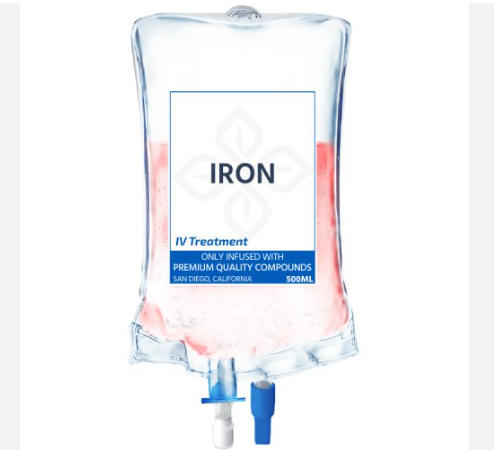
An iron infusion bag is a sterile IV Infusion Bag filled with a measured dose of intravenous iron medicine diluted in saline to correct iron deficiency quickly and safely. The bag does not contain blood or vitamins but a carefully balanced iron solution designed for direct delivery into the bloodstream.[1][9]
Understanding iron infusion bags
An iron infusion bag is used when oral iron tablets are not effective, not tolerated, or when a patient needs rapid iron repletion, such as before major surgery or in chronic diseases. The iron solution in the Infusion Bag drips through IV tubing into a vein, allowing a high dose of iron to enter the circulation under controlled conditions.[10][11][1]
Unlike standard oral supplements, the Infusion Bag bypasses the gastrointestinal tract, which helps patients with absorption problems or severe side effects from tablets. This approach is widely used in hospitals, infusion centers, and specialist clinics as part of modern anemia management pathways.[8][1][10]
Core components inside an iron infusion bag
Although different brands use different iron complexes, the structure of what is inside an iron infusion bag is very similar.
Active iron complexes
The central ingredient of every iron Infusion Bag is a ferric iron complex bound to a carbohydrate shell, which keeps iron stable and allows gradual release in the body. Common complexes include:[1][8]
- Ferric carboxymaltose: A colloidal iron(III) hydroxide–carboxymaltose complex, supplied as 50 mg iron per mL in single‑dose vials.[2][6]
- Iron sucrose: An iron(III) hydroxide–sucrose complex, typically containing 20 mg iron per mL, with 100 mg iron in each 5 mL vial or ampoule.[3][8]
- Iron dextran: An iron(III) hydroxide–dextran complex widely used for total‑dose infusions and chronic indications.[12][1]
- Other complexes: Sodium ferric gluconate, ferumoxytol, and iron isomaltoside are also used in specific clinical settings.[8][1]
These complexes differ in molecular weight, maximum single dose, and infusion time, but each is formulated to release usable iron safely after infusion from the Infusion Bag.[1][8]
Diluent: 0.9% sodium chloride
In clinical practice, intravenous iron is almost always diluted in 0.9% sodium chloride solution (normal saline) before being added to the Infusion Bag. Normal saline is isotonic with blood, which helps reduce vein irritation and supports cardiovascular stability during infusion.[5][7][9][13]
For ferric carboxymaltose products like Injectafer or Ferinject, up to 750–1,000 mg of iron is diluted in no more than 250 mL of sterile 0.9% sodium chloride, and the final concentration must not fall below 2 mg iron per mL to maintain stability. For iron sucrose, lower doses such as 100–300 mg are diluted in 100–250 mL saline, depending on protocol and patient needs.[4][6][7][2][3]
Water for injection
The original vials of IV iron contain the active complex in water for injection, forming a dark brown, sterile aqueous solution that is ready to be transferred into the Infusion Bag. Water for injection meets strict pharmacopoeial standards for purity and endotoxin control, which is essential for safe intravenous use.[6][2][3]
When the nurse or pharmacist draws the iron from the vial and injects it into the Infusion Bag, this sterile water becomes part of the final fluid delivered to the patient along with the saline.[7][5]
pH adjusters and excipients
To keep the iron complex stable and comfortable to infuse, manufacturers add tiny amounts of pH‑adjusting agents and excipients. Typical ingredients include:[3][6]
- Sodium hydroxide and hydrochloric acid: Used in minimal quantities to keep the solution in a narrow pH range suitable for intravenous administration.[2][6]
- Sodium from excipients: For example, iron sucrose solutions like Venofer can contain up to about 7 mg sodium per mL as an excipient with known effect.[3]
These excipients do not provide nutritional value but are crucial for chemical stability and tolerability of the iron solution inside the Infusion Bag.[6][3]
What is NOT in a typical iron infusion bag
Many patients worry that an iron infusion bag might contain blood or added sugar. For standard IV iron products, the Infusion Bag does not contain blood, plasma, or blood‑derived proteins. The solution is a synthetic iron–carbohydrate complex in water and saline, with no blood transfusion component.[11][8][1]
Likewise, intravenous iron bags usually do not include vitamins, glucose, or other drugs unless they are part of a separate prescribed infusion. The only “sugar” present is the carbohydrate component bound to iron (such as sucrose or carboxymaltose), which functions as a stabilizer rather than as nutritional sugar.[14][11][1][3]
Most IV iron products contain no preservatives, meaning each vial is single‑use, and any leftover solution is discarded after preparing the Infusion Bag. This minimizes exposure to antimicrobial agents and reduces contamination risk, but it also requires strict aseptic technique in preparation.[15][5][7][2]
How an iron infusion bag is prepared in practice
Dose calculation and product selection
Before filling the Infusion Bag, the clinician calculates the total iron requirement based on factors such as body weight, hemoglobin level, and estimated iron deficit. The choice of iron complex (for example, ferric carboxymaltose versus iron sucrose) depends on the indication, need for rapid correction, and local protocol.[8][1]
Once the product is chosen, staff calculate the number of vials needed to reach the prescribed dose and decide how many Infusion Bags will be used during the course of treatment.[4][1]
Aseptic transfer into the infusion bag
Using aseptic technique, the nurse draws up the required volume of iron from vials or ampoules and injects it into a bag containing the planned volume of 0.9% sodium chloride. The bag is then gently inverted or rotated to mix the contents evenly without creating excessive foam.[5][7]
The final iron concentration and total volume inside the Infusion Bag must comply with the manufacturer's instructions, such as keeping ferric carboxymaltose between 2 and 4 mg iron per mL to preserve physical and chemical stability. The prepared bag is labeled with patient name, drug name, dose, total volume, time and date of preparation, and signatures of responsible staff.[7][15][2][5]
Administration from the infusion bag
The Infusion Bag is hung on an IV stand or connected to a volumetric infusion pump, then attached to an intravenous administration set and primed to remove air. After confirming patency of the cannula with a saline flush, the bag is connected to the patient and the infusion rate is set according to product guidelines.[9][10][5]
Ferric carboxymaltose infusions are often completed over at least 15 minutes for higher doses, while iron sucrose infusions may take 30–60 minutes or more, depending on dose and patient tolerance. During the entire period that the Infusion Bag is running, the patient is monitored for symptoms such as flushing, chest tightness, or dizziness.[9][10][6][1][3]
What happens to the iron after it leaves the bag
Once iron from the Infusion Bag enters the bloodstream, the iron–carbohydrate complex is taken up mainly by cells of the reticuloendothelial system, especially macrophages in the liver, spleen, and bone marrow. Inside these cells, iron is gradually released from the complex and bound to transferrin, the main iron transport protein in plasma.[14][1][8]
Transferrin carries iron to the bone marrow, where it is incorporated into hemoglobin during red blood cell production, improving oxygen‑carrying capacity and relieving symptoms of anemia. Any surplus iron is stored as ferritin or hemosiderin in tissues until the body needs it, rebuilding iron reserves and reducing the risk of recurrent deficiency after the Infusion Bag course is completed.[14][1][8]
Safety, monitoring, and patient experience
Possible reactions and risk management
Even though the contents of an iron infusion bag are highly controlled, reactions can occur because iron is a biologically active metal. Common mild side effects include headache, nausea, flushing, or temporary changes in blood pressure during or soon after the infusion.[13][10][9]
Rarely, more serious hypersensitivity reactions may develop, so protocols require ready access to emergency medications and resuscitation equipment while the Infusion Bag is running. Patients are usually observed for a short period after the infusion finishes to ensure they remain stable before leaving.[10][15][2][9]
Patient preparation and comfort
Patients are generally encouraged to eat and drink normally before their appointment, unless their clinician advises otherwise. They should inform staff about any previous reactions to IV iron, asthma, allergies, or cardiovascular problems before the Infusion Bag is prepared.[11][13][9][10]
Explaining that the Infusion Bag contains iron medicine and saline, not blood, can reduce anxiety and improve cooperation. If any unusual symptoms arise during the infusion—such as chest pain, shortness of breath, or severe dizziness—patients should call staff immediately so the Infusion Bag can be slowed or stopped and treatment started if needed.[9][10][11]
Iron infusion bags in modern infusion bag and equipment systems
From a manufacturing and engineering perspective, iron infusion bags are one specialized application of broader IV Infusion Bag technology used for many types of parenteral solutions. Producing these bags safely requires high‑purity water systems, reliable sterilization, and aseptic filling equipment that meet global GMP and regulatory standards.[15][6][1][8]
Companies like Everheal that provide purified water preparation systems, pure steam generators, multifunctional distillation machines, liquid filling and sealing lines, and integrated sterilization solutions can support complete Infusion Bag production lines for hospital and pharmaceutical customers worldwide. Proper factory layout planning and automated production‑line design help ensure consistent quality of each iron Infusion Bag from formulation through filling, sealing, inspection, and final sterilization before shipment.[6][15]
Conclusion
An iron infusion bag is a sterile IV Infusion Bag that contains a carefully formulated ferric iron–carbohydrate complex diluted in 0.9% sodium chloride, plus water for injection and minimal pH‑adjusting excipients, but no blood or routine vitamin additives. The Infusion Bag allows a large dose of iron to enter the bloodstream directly, making it a powerful tool for treating iron deficiency and iron‑deficiency anemia when oral supplements are not enough or not appropriate.[10][1][3][6][8]
For patients, knowing that the Infusion Bag holds iron medicine, saline, and stabilizers—not blood or unnecessary chemicals—can make the experience less frightening and more transparent. For manufacturers and solution providers, iron infusion bags highlight the importance of advanced purified water, pure steam, filling, sealing, and sterilization technology, along with smart factory layout, to deliver safe, consistent Infusion Bag products to clinics worldwide.[11][15][6][9]
FAQ
1) What exactly is inside an iron infusion bag?
An iron infusion bag usually contains an intravenous iron complex such as ferric carboxymaltose, iron sucrose, or iron dextran mixed with 0.9% sodium chloride, plus water for injection and small amounts of pH‑adjusting agents like sodium hydroxide or hydrochloric acid. It does not normally contain blood, glucose, or vitamins unless a special combined product is prescribed.[1][3][6][11]
2) Why does the iron infusion bag look dark brown?
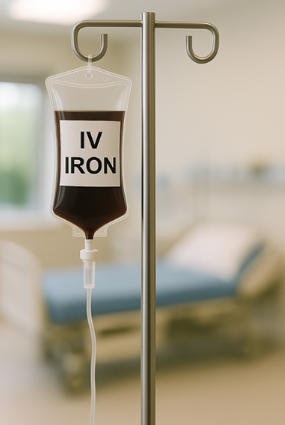
The dark brown color comes from ferric iron bound to its carbohydrate shell, which gives the solution a characteristic non‑transparent appearance. This color is normal and expected for iron medicines in the Infusion Bag and does not indicate contamination.[2][6][8][1]
3) How long does an iron infusion bag take to run?
The infusion time depends on the iron product, dose, and protocol: ferric carboxymaltose can often be delivered over at least 15 minutes when diluted appropriately, while iron sucrose or iron dextran may require 30 minutes to several hours per Infusion Bag. Clinicians adjust the rate to balance treatment speed with patient comfort and safety.[7][3][9][10][1]
4) Are there risks from the ingredients in the bag?
Yes, there can be side effects related to the iron complex, including headache, nausea, flushing, or in rare cases serious allergic‑type reactions, which is why patients are monitored closely while the Infusion Bag is running. The saline and pH‑adjusting excipients are used in small quantities and are generally well tolerated, although sodium content may be relevant for patients with strict fluid or salt restrictions.[16][3][8][9][10]
5) Can the composition of the iron infusion bag be adjusted for different patients?
Clinicians individualize the Infusion Bag by choosing the appropriate iron formulation and calculating the total iron dose based on body weight and iron deficit. They can also adjust the total volume of saline, number of Infusion Bags, and infusion time to suit the patient's clinical condition and response.[4][8][1]
Citations:
[1](https://en.wikipedia.org/wiki/Intravenous_iron_infusion)
[2](https://www.accessdata.fda.gov/drugsatfda_docs/label/2021/203565s014lbl.pdf)
[3](https://www.medicines.org.uk/emc/product/5911/smpc)
[4](https://reference.medscape.com/drug/venofer-iron-sucrose-342162)
[5](https://www.tmch.com.au/iron-infusion-protocol/)
[6](https://www.medsafe.govt.nz/profs/datasheet/f/ferinjectinj.pdf)
[7](https://injectaferhcp.com/iron-injection-administration)
[8](https://pmc.ncbi.nlm.nih.gov/articles/PMC8367050/)
[9](https://www.healthline.com/health/iron-infusion)
[10](https://my.clevelandclinic.org/health/treatments/14571-intravenous-iron-supplementation)
[11](https://www.verywellhealth.com/iron-infusion-how-long-it-takes-and-what-to-expect-8415219)
[12](https://www.ncbi.nlm.nih.gov/books/NBK557747/)
[13](https://www.webmd.com/a-to-z-guides/iron-infusion)
[14](https://pmc.ncbi.nlm.nih.gov/articles/PMC7467495/)
[15](https://www.accessdata.fda.gov/drugsatfda_docs/label/2020/017441s178lbl.pdf)
[16](https://www.medicines.org.uk/emc/product/5910/smpc)


