Content Menu
● Vietnam's Expanding Pharma Landscape
● Why High‑Purity Water Is Critical in Pharma
● Core Types of Pharmaceutical Water Trearment Equipment
● Regulatory and GMP Expectations in Vietnam
● Global Technology Benchmarks for Vietnam
● Local Vietnamese High‑Purity Water Capabilities
● Market Drivers for Pharmaceutical Water Solutions in Vietnam
● Everheal's Position Among Pharmaceutical Water Suppliers
● Purified Water Systems Tailored to Vietnam
● WFI Systems for Sterile Manufacturing
● Pure Steam Generators for Sterility Assurance
● Integrated Filling, Sealing, and Sterilization Capabilities
● Custom Factory Layout and Turnkey Solutions
● Digitalization, Monitoring, and Service Support
● How Buyers in Vietnam Select Water Trearment Partners
● Conclusion
● FAQ
>> 1. What makes pharmaceutical water trearment equipment different from standard industrial systems?
>> 2. Why is Vietnam an attractive market for pharmaceutical water systems?
>> 3. How can Everheal support new GMP factory projects in Vietnam?
>> 4. What technologies are commonly used in high‑purity water systems for Vietnamese pharma plants?
>> 5. Why should buyers choose integrated pharmaceutical water trearment equipment manufacturers and suppliers?
● Citations:
Vietnam is becoming one of the most dynamic pharmaceutical manufacturing hubs in Southeast Asia, and this shift is driving strong demand for reliable pharmaceutical water trearment equipment manufacturers and suppliers that can meet strict GMP and international quality standards. For global partners such as Everheal, Vietnam offers a strategic opportunity to provide purified water, WFI, pure steam, and integrated production utilities tailored to fast‑growing local and export‑oriented pharma companies.[3][5][9]
Vietnam's Expanding Pharma Landscape
Vietnam's pharmaceutical market is growing due to rising healthcare needs, favorable government policies, and increasing foreign investment in drug manufacturing facilities. This growth naturally increases the need for compliant, high‑purity water systems and pure steam utilities that support solid, liquid, and injectable dosage forms.[9][10]
Alongside pharmaceuticals, Vietnam has seen broader expansion in industrial and ultra‑pure water markets, which supply sectors such as precision manufacturing, power plants, and electronics. Experience and infrastructure gained in these high‑purity segments make it easier for local and international players to deliver robust solutions specifically adapted to pharmaceutical production.[5][7]
Why High‑Purity Water Is Critical in Pharma
In pharmaceutical plants, water is more than a utility; it is a key raw material that directly affects product safety and efficacy. Different grades of water—Purified Water (PW), Water for Injection (WFI), and pure steam—are used in processes ranging from formulation to equipment cleaning and sterilization.[1][3]
Pharmaceutical water must meet tight limits for ionic contamination, organic impurities, particulates, and microbial load, which requires sophisticated treatment and distribution technologies. As a result, choosing capable pharmaceutical water trearment equipment manufacturers and suppliers is one of the most important decisions when investing in or upgrading a Vietnamese pharma facility.[11][3]
Core Types of Pharmaceutical Water Trearment Equipment
Pharmaceutical water trearment equipment manufacturers and suppliers in Vietnam and globally typically offer complete utility packages that cover every stage from raw water intake to point of use inside the cleanroom. Key system types include:[2][3]
- Pre‑treatment systems: multimedia filters, softeners, activated carbon filters, and cartridge filtration to remove suspended solids, hardness, and chlorine.
- Reverse osmosis (RO) and nano‑filtration modules: membrane barriers that greatly reduce dissolved salts and many organic contaminants.
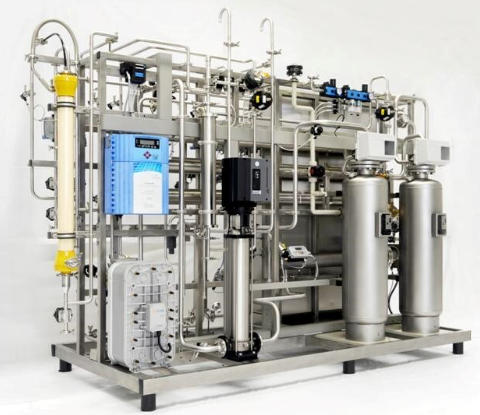
- Polishing systems: EDI, mixed‑bed deionizers, or similar technologies that provide the final purification step for PW and feed water for distillation.[12][5]
- Distillation units: multi‑effect stills and vapor compression systems that generate WFI and sometimes pure steam.[13][14]
- Pure steam generators: equipment producing steam suitable for sterilization, in direct contact with product‑contact surfaces.[4][13]
- Storage and distribution loops: sanitary tanks, pumps, and piping systems that keep water in continuous circulation to prevent stagnation and microbial growth.[2][3]
These systems must be designed, built, and validated as a coherent whole, so buyers in Vietnam typically prefer pharmaceutical water trearment equipment manufacturers and suppliers that can responsibly integrate the complete chain.
Regulatory and GMP Expectations in Vietnam
Pharmaceutical companies operating in Vietnam must comply with local GMP requirements that define quality criteria for different water grades used in drug production. These requirements align progressively with major international pharmacopeia such as USP and EP, especially for plants targeting exports.[5][11]
To pass inspections and customer audits, water systems must be supported by comprehensive validation packages, including design qualification, installation qualification, operational qualification, and performance qualification. Pharmaceutical water trearment equipment manufacturers and suppliers that provide detailed documentation, risk assessments, and lifecycle support help Vietnamese plants reduce regulatory risk and audit pressure.[3][2]
Global Technology Benchmarks for Vietnam
International pharmaceutical water specialists act as references for technology levels and design philosophies that are increasingly expected in Vietnam. Their portfolios generally include:[4][3]
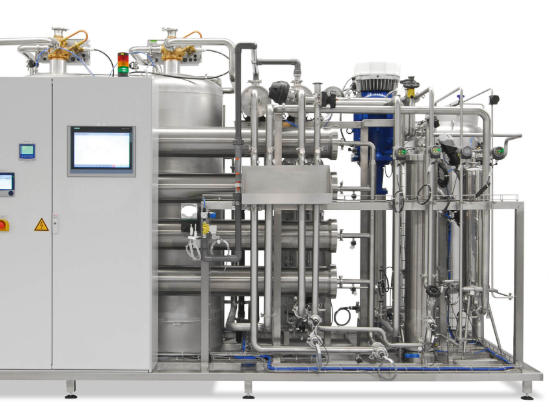
- Modular PW systems integrating RO, EDI, and hygienic distribution loops.
- Distillation‑based WFI generators optimized for steam economy, footprint, and operational reliability.[14][13]
- Pure steam generators designed to deliver sterile, non‑corrosive steam compatible with stainless‑steel process surfaces.[13][4]
- Smart control systems and SCADA platforms for continuous monitoring, trending, and alarm management.[1][3]
These features—particularly energy efficiency, compact layout, and advanced automation—are now considered standard by serious pharmaceutical water trearment equipment manufacturers and suppliers that target Vietnam's higher‑end facilities.
Local Vietnamese High‑Purity Water Capabilities
Vietnam has developed a growing base of engineering companies and water treatment specialists capable of designing and supplying high‑purity systems for industrial and pharmaceutical uses. Some local firms supply purified water treatment systems that meet international pharmacopeia standards while accounting for local feedwater characteristics and infrastructure constraints.[7][5]
These companies offer process water solutions for pharmaceuticals, including PW, WFI, and pure steam generator systems that are tailored to Vietnamese conditions. Their experience in integrating RO, microfiltration, ultrafiltration, and mixed‑bed polishing technologies supports advanced demineralization performance needed in both pharma and other high‑tech industries.[7][5]
Market Drivers for Pharmaceutical Water Solutions in Vietnam
Several drivers are accelerating demand for pharmaceutical water trearment equipment manufacturers and suppliers in Vietnam.[10][9]
- Strong GDP and healthcare expenditure growth, leading to higher medicine consumption and local production.
- Government strategies to encourage domestic drug manufacturing and reduce reliance on imports.
- Increasing focus on sterile injectables, biologics, and higher‑value formulations, all of which require stricter water and steam quality.[9][1]
- Environmental regulations pushing industrial producers to adopt better wastewater and water reuse technologies, indirectly raising expectations for process water quality.[8][10]
Together, these factors ensure steady long‑term demand for advanced PW, WFI, and pure steam systems supplied by both local and international vendors.
Everheal's Position Among Pharmaceutical Water Suppliers
Everheal is a Chinese company specialized in pharmaceutical water preparation systems, pure steam generators, multi‑effect distillation units, liquid filling and sealing machines, and sterilization equipment. This combination allows Everheal to act not only as a pharmaceutical water trearment equipment manufacturer and supplier, but also as an integrated utilities and process partner for Vietnamese clients.
By offering design, equipment supply, and project coordination for key utilities and process lines, Everheal can help Vietnamese pharma companies minimize interface risks between multiple vendors. This integrated approach is attractive for investors who want a one‑stop solution for purified water, WFI, pure steam, filling, and sterilization.
Purified Water Systems Tailored to Vietnam
Purified water is widely used in Vietnam's pharma factories for non‑sterile products, cleaning operations, and as feed for WFI generation. A robust PW system helps maintain product quality and reduces the risk of batch failures or cross‑contamination.[11][3]
Everheal can design purified water systems around typical Vietnamese feedwater, integrating pre‑treatment, RO, and suitable polishing technologies to optimize performance and operating costs. When combined with sanitary storage and recirculation loops and appropriate monitoring instruments, these systems align with the expectations that Vietnam's buyers have for modern pharmaceutical water trearment equipment manufacturers and suppliers.
WFI Systems for Sterile Manufacturing
As Vietnam expands sterile injectable capacity and considers more advanced therapies, WFI generation becomes a strategic utility investment. Distillation technologies such as multi‑effect distillation or vapor compression still dominate this area because of their robustness and regulatory acceptance.[9][13]
Everheal's distillation‑based WFI systems are designed to deliver consistent quality, low endotoxin levels, and reliable performance under continuous or intermittent operation. When paired with properly designed storage and distribution loops, these systems support strict aseptic and terminal sterilization processes in Vietnamese plants.
Pure Steam Generators for Sterility Assurance
Pure steam generators are critical for sterilizing process lines, tanks, and equipment that come into contact with pharmaceuticals. Using pure steam that meets pharmaceutical standards reduces corrosion risks and avoids introducing contaminants during sterilization cycles.[4][13]
Everheal can configure pure steam generators to match the sterilization load profile of Vietnamese plants, helping ensure adequate capacity for autoclaves, SIP (Sterilize‑in‑Place) operations, and cleanroom utilities. This positions the company strongly among pharmaceutical water trearment equipment manufacturers and suppliers who must guarantee both performance and compliance in sterilization utilities.
Integrated Filling, Sealing, and Sterilization Capabilities
Pharmaceutical utilities only deliver their full value when integrated with reliable downstream process equipment. Vietnam's manufacturers increasingly look for partners who can provide filling, sealing, and sterilization systems that work seamlessly with PW, WFI, and pure steam utilities.
Everheal's portfolio includes liquid filling and sealing machines and sterilization systems that can be tied directly into the water and steam network. This integration supports:
- Stable aseptic or terminal sterilization processes.
- Easier validation and documentation.
- Optimized production layouts with shorter product transfer routes.
This complete approach strengthens Everheal's role among pharmaceutical water trearment equipment manufacturers and suppliers who can deliver both utilities and process equipment as a coordinated package.
Custom Factory Layout and Turnkey Solutions
Many new pharmaceutical investments in Vietnam involve greenfield facilities or large‑scale expansions where factory layout is critical for efficiency and GMP compliance. Poor planning can lead to cross‑contamination risks, inefficient workflows, and higher long‑term operating costs.[5][9]
Everheal supports customers with customized factory layout planning and full production line design, placing PW, WFI, and pure steam systems logically alongside process equipment, warehouses, and cleanrooms. Turnkey project capabilities—covering basic design, detailed engineering, procurement, installation, and commissioning—simplify project management for Vietnamese clients and help them reach commercial production faster.
Digitalization, Monitoring, and Service Support
Modern pharmaceutical water systems in Vietnam increasingly rely on smart automation and digital monitoring to guarantee quality and compliance. Key features include:[1][3]
- Continuous measurement of conductivity, TOC, temperature, and flow.
- Data logging and trending for audit trails and deviation analysis.
- Remote diagnostics and alarm notifications to maintenance personnel.
Pharmaceutical water trearment equipment manufacturers and suppliers that offer advanced automation and service can help Vietnamese plants maintain uptime and respond quickly to quality deviations. Everheal's ability to integrate digital controls and provide long‑term technical support aligns well with these expectations.
How Buyers in Vietnam Select Water Trearment Partners
When Vietnamese pharmaceutical companies evaluate pharmaceutical water trearment equipment manufacturers and suppliers, they typically consider several key criteria:
- Compliance and references: Experience with GMP‑compliant water, WFI, and pure steam systems, and proven references in regulated or semi‑regulated markets.[2][3]
- Technical design and flexibility: Ability to adapt system design to local feedwater, utility constraints, and space limitations.[7][5]
- Lifecycle cost and energy efficiency: Optimization of operating costs through efficient pumps, heat recovery, and intelligent control strategies.[3][13]
- Local presence and support: Availability of local partners or service teams for installation, training, and maintenance.[5][7]
Everheal's combination of utility, process, and layout expertise, along with the ability to cooperate with local engineering partners in Vietnam, makes it an attractive option for companies seeking a long‑term, integrated water and production solution.
Conclusion
Vietnam's pharmaceutical industry is moving rapidly toward higher quality standards and more complex dosage forms, which significantly increases the demand for advanced purified water, WFI, and pure steam technologies. Pharmaceutical water trearment equipment manufacturers and suppliers that can provide compliant, energy‑efficient, and digitally monitored systems—backed by validation and strong service—are in the best position to benefit from this trend.[10][3][4][9]
Everheal stands out by combining pharmaceutical water preparation systems, pure steam generators, multi‑effect distillation units, filling and sealing equipment, and sterilization systems into coherent, GMP‑oriented solutions tailored to Vietnam. With capabilities in custom factory layout planning and turnkey project execution, Everheal offers Vietnamese pharmaceutical manufacturers a reliable partner to build or upgrade facilities capable of serving both local and international markets.
FAQ
1. What makes pharmaceutical water trearment equipment different from standard industrial systems?
Pharmaceutical water trearment equipment is designed to meet strict GMP and pharmacopeia requirements for purity, microbial control, and documentation, which go far beyond typical industrial needs. These systems use sanitary construction, continuous monitoring, and comprehensive validation to ensure that water quality remains consistent and auditable throughout the equipment lifecycle.[1][3][4]
2. Why is Vietnam an attractive market for pharmaceutical water systems?
Vietnam is investing heavily in pharmaceutical production capacity, both to serve domestic healthcare needs and to support export‑oriented manufacturing. This growth, combined with gradually tightening regulatory expectations, makes Vietnam a strong market for pharmaceutical water trearment equipment manufacturers and suppliers offering modern, compliant solutions.[10][9][5]
3. How can Everheal support new GMP factory projects in Vietnam?
Everheal can support new GMP factories in Vietnam by delivering purified water systems, WFI generators, pure steam generators, filling and sealing machines, and sterilization systems within an integrated factory layout. This reduces interfaces between vendors, simplifies validation and documentation, and helps investors bring their facilities into commercial operation more quickly and reliably.
4. What technologies are commonly used in high‑purity water systems for Vietnamese pharma plants?
High‑purity water systems for Vietnamese pharma plants typically use a combination of pre‑treatment, RO, and polishing technologies such as EDI or mixed‑bed deionizers to deliver PW and WFI feedwater. These treatment steps are integrated into hygienic storage and recirculation loops with continuous monitoring of key parameters like conductivity and microbial counts to maintain stable water quality.[12][11][3][5]
5. Why should buyers choose integrated pharmaceutical water trearment equipment manufacturers and suppliers?
Working with integrated pharmaceutical water trearment equipment manufacturers and suppliers enables buyers to obtain utilities, process equipment, and layout design from a single partner, reducing project complexity and interface risks. This approach is especially valuable in Vietnam, where many projects are time‑sensitive and investors want to minimize delays and quality issues linked to poor coordination.[2][9][5]
Citations:
[1](https://www.chemaqua.com/en-us/industries/manufacturing/pharmaceuticals-biotechnology/)
[2](http://www.bram-cor.com)
[3](https://www.alfalaval.us/industries/biotech-and-pharmaceuticals/pharmaceutical-production/pharmaceutical-water-systems/)
[4](https://www.bwt-pharma.com/en/)
[5](https://organovietnam.vn/our-business/plant-business/)
[6](https://hisoair.com/top-5-water-purifier-manufacturers-in-vietnam/)
[7](https://ensun.io/search/water-treatment/vietnam)
[8](https://clearfox.com/clearfox-wastewater-treatment-solutions-in-vietnam/)
[9](https://www.kenresearch.com/vietnam-pharmaceutical-filtration-market)
[10](https://www.sperresearch.com/report-store/vietnam-industrial-water-and-waste-water-treatment-market.aspx)
[11](https://ngoenvironment.com/en/supply-water-treatment-tec34-pure-water-supply-for-pharmaceutical-manufacturers-d221.html)
[12](http://eclim.vn/en/edi-water-filtration-technology-for-medical-and-pharmaceutical-industry.html)
[13](https://www.syntegon.com/solutions/pharma/distillation-based-pure-media-systems/)
[14](https://www.pharmaceutical-technology.com/contractors/water-treatment/elettracqua/)


