Content Menu
● The Growing Importance of Pharmaceutical Equipment in Algeria
● Key Pharmaceutical Equipment Manufacturers and Suppliers in Algeria
>> 1. Saidal Group
>> 2. Biopharm
>> 3. Sanofi Algeria
>> 4. Novo Nordisk Algeria
>> 5. Everheal (China)
● Technological Trends in Pharmaceutical Equipment
● Everheal's Role in Algeria's Pharmaceutical Industry
>> Customized Project Solutions
● Benefits of Partnering with Global Pharmaceutical Equipment Manufacturers
● Regulatory Standards for Pharmaceutical Equipment in Algeria
● The Future Outlook: Toward Greater Local Production
● Conclusion
● FAQs
>> 1. What types of pharmaceutical equipment are commonly used in Algeria?
>> 2. Why do Algerian manufacturers import pharmaceutical equipment from abroad?
>> 3. What services does Everheal provide to pharmaceutical producers?
>> 4. How do pharmaceutical equipment manufacturers ensure quality compliance?
>> 5. What trends will shape the future of pharmaceutical equipment in Algeria?
The pharmaceutical industry in Algeria has experienced impressive growth in recent years, fueled by government initiatives, increasing healthcare demands, and rising local production capacities. As Algeria strives for pharmaceutical self-sufficiency, there is a growing need for advanced pharmaceutical equipment manufacturers and suppliers who can provide efficient, high-quality systems that meet both domestic and international GMP standards.
For companies involved in the production of sterile drugs, liquids, and medical formulations, finding reliable partners for pharmaceutical machinery is crucial. This article explores some of the top pharmaceutical equipment manufacturers and suppliers in Algeria and highlights how global partners—such as Everheal, a leading company from China—play a central role in supporting Algeria's pharmaceutical infrastructure.
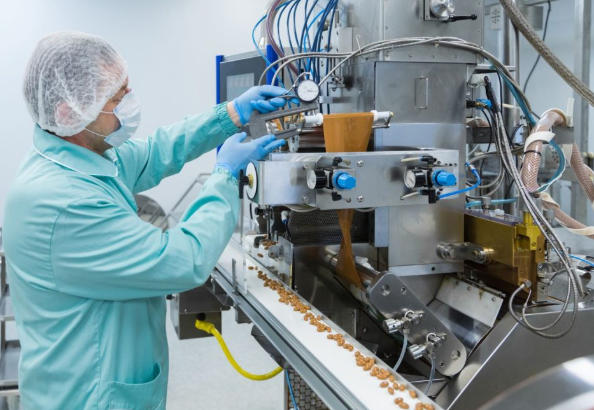
The Growing Importance of Pharmaceutical Equipment in Algeria
Algeria's pharmaceutical market is one of the largest in Africa, valued at over three billion USD annually. Local manufacturers, including public-sector companies and private enterprises, are focusing on expanding production capabilities to reduce import dependency.
Pharmaceutical equipment manufacturers and suppliers are key enablers in this process, offering solutions for:
- Water purification and distillation systems
- Clean steam generation and sterilization systems
- Mixing, filling, and packaging machinery
- Complete turnkey factory setups
The demand for such systems has increased not only in Algeria's major cities like Algiers, Oran, and Constantine but also in developing industrial zones across the country.
Key Pharmaceutical Equipment Manufacturers and Suppliers in Algeria
While Algeria continues to encourage local machinery development, many facilities still rely on international cooperation and imported technology. Below is an overview of some prominent pharmaceutical equipment providers operating within or in partnership with Algeria.
1. Saidal Group
Saidal Group, Algeria's leading public pharmaceutical manufacturer, also invests in production line modernization. The company works with multiple pharmaceutical equipment manufacturers and suppliers from Europe and Asia to upgrade filling systems, sterilizers, and cleanroom setups. Its partnerships aim to align operations with European GMP standards.
2. Biopharm
Biopharm is a major local producer with expertise in oral solid dosage and liquid preparation. To maintain product consistency, it partners with established pharmaceutical equipment manufacturers and suppliers who deliver water treatment units, automated filling systems, and capsule production lines.
3. Sanofi Algeria
As a multinational presence, Sanofi operates an advanced plant in Algeria that integrates high-end process equipment and continuous production systems. Their collaboration with suppliers of pharmaceutical machinery ensures efficient packaging, sterile environments, and precise dosing for pharmaceutical formulations.
4. Novo Nordisk Algeria
This company invests significantly in aseptic filling and inspection technology. By sourcing from global pharmaceutical equipment manufacturers and suppliers, Novo Nordisk enhances production automation and ensures compliance with WHO guidelines for sterile pharmaceutical production.
5. Everheal (China)
Everheal stands out as a specialized manufacturer and project integrator from China, serving global clients—including Algeria—with tailor-made pharmaceutical production solutions. The company's offerings include:
- Purified water systems for pharmaceutical use
- Pure steam generators for sterilization processes
- Multi-effect distilled water machines for injectable water production
- Liquid filling and sealing machines for aseptic environments
- Sterilization systems including autoclaves and clean steam sterilizers
Everheal not only provides high-quality equipment but also assists clients with customized factory layout design, HVAC systems, and production line integration. With strong engineering capabilities, Everheal acts as a key pharmaceutical equipment manufacturer and supplier connecting Asian innovation with African success.
Technological Trends in Pharmaceutical Equipment
Modern pharmaceutical equipment manufacturers and suppliers focus on enhancing efficiency, data traceability, and automation. In Algeria, companies adopting digitalized pharmaceutical production benefit from:
- IoT-enabled control systems, enabling remote monitoring of parameters like temperature and pressure
- Automated sterilization cycles, ensuring consistency in critical processes
- Energy-efficient clean steam and water systems that reduce operational costs
- Modular production lines, allowing scalability in response to growing market demand
Local manufacturers collaborating with international suppliers gain access to these technologies, increasing productivity and compliance with GMP, WHO, and ISO standards.
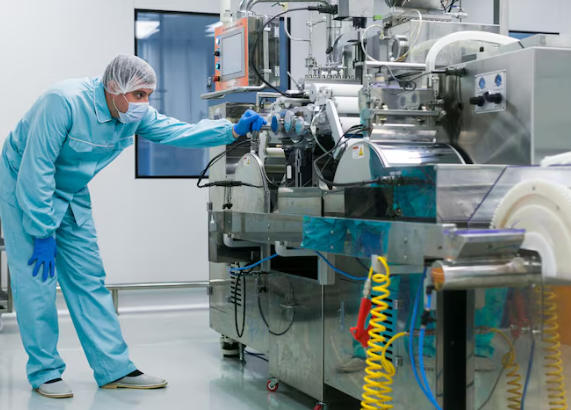
Everheal's Role in Algeria's Pharmaceutical Industry
Everheal's technical strength lies in its complete project approach. Rather than offering single machines, Everheal serves as a pharmaceutical engineering integrator, handling project design, system manufacturing, and overseas installation guidance.
Customized Project Solutions
Everheal provides versatile solutions for various pharmaceutical applications, including:
- Sterile injectable plants: Offering integrated purified water systems, clean steam generators, and autoclaves.
- Oral liquid and syrup production lines: Featuring mixing, filling, and sealing equipment with high precision.
- Vaccine and biological product facilities: Ensuring contamination-free workflows through advanced HVAC and sanitation systems.
By combining cutting-edge technology with energy-efficient design, Everheal supports Algerian pharmaceutical companies in achieving both regulatory compliance and long-term cost savings.
Benefits of Partnering with Global Pharmaceutical Equipment Manufacturers
Collaborating with international pharmaceutical equipment manufacturers and suppliers such as Everheal brings several advantages:
- Advanced Engineering Expertise: Proven experience with complex projects worldwide.
- Customization: Tailored machinery according to space, capacity, and local requirements.
- After-Sales Support: Provision of installation training, maintenance, and spare parts supply.
- Cost Efficiency: Competitive manufacturing capabilities in China lead to optimized project budgets.
These advantages allow Algerian companies to accelerate production readiness, enhance system reliability, and improve overall pharmaceutical quality.
Regulatory Standards for Pharmaceutical Equipment in Algeria
Pharmaceutical production in Algeria must comply with both National Agency of Pharmaceutical Products (ANEP) guidelines and international standards. Equipment manufacturers and suppliers must adhere to:
- Good Manufacturing Practices (GMP)
- World Health Organization (WHO) guidelines
- ISO 9001 and ISO 13485 quality management systems
Pharmaceutical equipment suppliers like Everheal design systems that align with these norms, ensuring acceptance in local and export-oriented operations.
The Future Outlook: Toward Greater Local Production
The Algerian government aims to achieve 70% self-sufficiency in local pharmaceutical production by 2030. This strategic goal requires continued investment in modern pharmaceutical equipment and training programs. Partnerships with advanced international suppliers will remain a key success factor.
Pharmaceutical equipment manufacturers and suppliers who can deliver proven technology, training, and cost-effective integrated solutions—such as Everheal—will play a crucial role in realizing this national vision.
Conclusion
Algeria's pharmaceutical sector is on a promising path of modernization and growth. The increasing cooperation between local producers and global pharmaceutical equipment manufacturers and suppliers enables the development of world-class facilities capable of meeting growing healthcare demands.
Companies like Everheal bring advanced Chinese engineering expertise and cost-effective manufacturing solutions to support Algeria's pharmaceutical ambitions. As the sector continues to expand, well-chosen partnerships and technological innovation will define the next era of Algerian pharmaceutical production.
FAQs
1. What types of pharmaceutical equipment are commonly used in Algeria?
Algerian pharmaceutical factories use equipment such as purified water systems, multi-effect distillers, filling and sealing machines, sterilizers, and clean steam generators to produce sterile and non-sterile medicines.
2. Why do Algerian manufacturers import pharmaceutical equipment from abroad?
Many high-performance systems are manufactured by specialized international companies. Importing ensures compliance with international GMP standards and provides access to advanced automation and energy-efficient technologies.
3. What services does Everheal provide to pharmaceutical producers?
Everheal offers complete project solutions including equipment manufacturing, factory layout design, installation guidance, after-sales training, and system customization according to client requirements.
4. How do pharmaceutical equipment manufacturers ensure quality compliance?
Manufacturers implement extensive validation procedures, use certified materials, and follow GMP, WHO, and ISO standards to guarantee equipment performance and sterile production integrity.
5. What trends will shape the future of pharmaceutical equipment in Algeria?
Automation, digital monitoring, eco-friendly system design, and localized maintenance support from international suppliers will significantly influence Algeria's pharmaceutical manufacturing advancements.


