Content Menu
● What Distilled Water Is and Why It Matters
● Why CPAP Machines Recommend Distilled Water
● Risks of Using Non‑Distilled Water
● Basic Home Method: Pot, Bowl, and Lid
● Using a Countertop Home Distiller
● Role of a Multi Function Distillation Water Machine
● Integrating Distillation into Factory Layouts
● Detailed Step‑By‑Step Procedure for Home CPAP Users
● Daily Use of Distilled Water in a CPAP Humidifier
● Cleaning and Maintenance When Distilled Water Is Not Available
● Cost and Convenience: Buy, DIY, or Multi Function Distillation Water Machine?
● Summary of the Multi Function Distillation Water Machine Advantage
● Conclusion
● FAQ
>> 1) Why can't I just use tap water in my CPAP machine?
>> 2) Is boiled water the same as distilled water?
>> 3) How often should I change the distilled water in my CPAP humidifier?
>> 4) What is a Multi Function Distillation Water Machine and where is it used?
>> 5) How should I store homemade distilled water for CPAP use?
● Citations:
Using distilled water in a CPAP humidifier protects the machine from mineral buildup, reduces the risk of microbial contamination, and keeps therapy comfortable and safe for users. Distilled water can be prepared at home in small batches or produced continuously with professional equipment such as a Multi Function Distillation Water Machine for medical and pharmaceutical environments.[1][2][5][11]
What Distilled Water Is and Why It Matters
Distilled water is produced by heating water until it becomes steam and then cooling that steam back into liquid in a separate container, leaving minerals and most contaminants behind. Because the dissolved solids stay in the original boiling chamber, distilled water contains very low levels of minerals and is considered one of the purest forms of water.[2][5]
In a CPAP humidifier, this purity is crucial because mineral‑rich water can leave hard deposits, encourage biofilm formation, and reduce the effectiveness and lifespan of the device. Distilled water also helps minimize the inhalation of unwanted particles and improves overall hygiene of the breathing system.[3][5][6][2]
Why CPAP Machines Recommend Distilled Water
Most CPAP manufacturers and sleep specialists explicitly recommend using distilled water in the humidifier reservoir rather than tap, spring, or mineral water. This recommendation is based on how quickly minerals like calcium and magnesium from ordinary water can accumulate in the chamber and tubing.[5][1]
If you repeatedly use non‑distilled water, you are likely to see white or chalky scale building up on the walls of the tank, which can be difficult to remove and may damage the chamber surface over time. These deposits can also trap microorganisms and residues from the air, increasing the effort and frequency required for effective cleaning.[6][2][3]
Risks of Using Non‑Distilled Water
Tap water, well water, and many bottled waters contain dissolved minerals and sometimes additives such as chlorine and fluoride. While these are generally safe for drinking under normal regulations, they are not ideal for a heated, closed humidifier system like a CPAP unit.[2][6]
Using such water can cause:
- Mineral scaling and discoloration inside the humidifier chamber and potentially the tubing.[4][5]
- More frequent cleaning cycles and descaling procedures to keep the device functioning correctly.[3][6]
Purified or filtered water may remove some impurities, but it often still contains enough minerals to cause buildup, so it is regarded as a temporary substitute rather than a long‑term solution.[5][2]
Basic Home Method: Pot, Bowl, and Lid
A simple way to make distilled water at home uses kitchen equipment you likely already own, such as a large pot, a heat‑resistant bowl, and a lid. This method is practical if you need modest amounts of distilled water for personal CPAP use.[12][13]
General steps:
1. Place a rack or trivet in the bottom of a large stainless‑steel pot and pour in tap water so that it rises partway up the rack without submerging it.[13]
2. Position a clean glass or stainless‑steel bowl on the rack so it sits above the water line and remains stable when the water simmers.[12][13]
3. Put the pot lid on upside down so the handle is centered over the bowl, then heat the pot until the water maintains a gentle simmer.[12]
4. As steam rises, it condenses on the underside of the cooler lid and drips down toward the handle into the waiting bowl; the liquid that collects there is distilled water.[13][12]
5. Once you have enough water, turn off the heat, allow everything to cool, and pour the collected distilled water into a clean storage container.
This process physically separates the water from dissolved minerals, which remain in the boiling section of the pot instead of entering the collection bowl.[6]
Using a Countertop Home Distiller
Countertop electric distillers are convenient for CPAP users who want regular access to distilled water without constant supervision of a stove. These devices usually include a heated boiling chamber, a condensing coil, and an integrated collection jug.[14][4]
Typical use pattern:
- Fill the distiller's tank with tap water up to the recommended line, close the lid, and start the cycle; the machine then heats the water, generates steam, and condenses it into a separate container.[14]
- At the end of the cycle, you allow the distilled water to cool and then transfer it into smaller bottles or pour it directly into the CPAP chamber as needed.[4]
For households with one or two CPAP users, an electric distiller can easily supply a day or more of humidifier water per run and reduce dependence on store‑bought jugs.[14]
Role of a Multi Function Distillation Water Machine
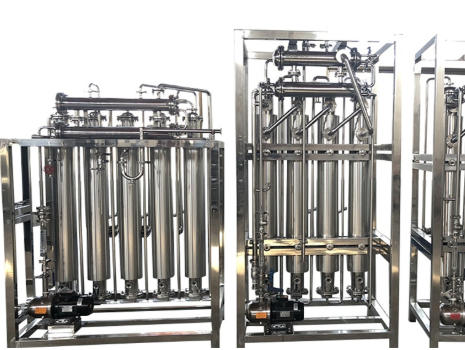
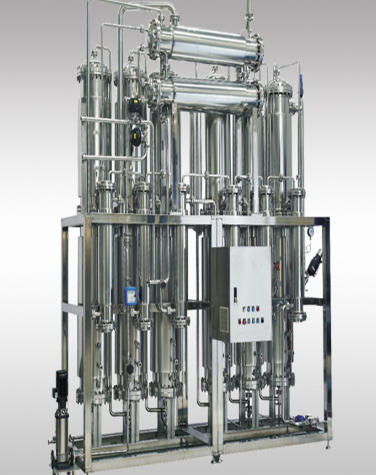
When demand for high‑purity water increases, as in hospitals, sleep clinics, or pharmaceutical plants, a Multi Function Distillation Water Machine is a more robust solution than multiple small home units. These systems are designed to produce large, continuous volumes of distilled or even pharmaceutical‑grade water that can be distributed to various points of use.[11][15]
A Multi Function Distillation Water Machine often incorporates:
- Multi‑effect or multi‑column distillation stages where water is boiled in successive vessels, and the steam from each stage is used to heat the next, improving energy efficiency.[15][11]
- Sanitary stainless‑steel design, automated controls, and integrated condensers to achieve stable output quality that can comply with pharmacopoeia standards when correctly specified.[16][11]
Such equipment is widely applied for Water for Injection, sterile formulations, and device cleaning, and the same distillate can be used to fill CPAP humidifier reservoirs in medical environments to ensure consistent quality.[15][16]
Integrating Distillation into Factory Layouts
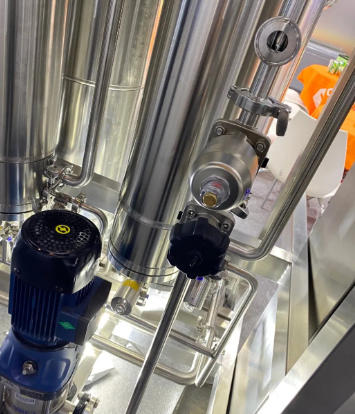
In a pharmaceutical or medical‑device factory, a Multi Function Distillation Water Machine can be integrated with pretreatment units, storage tanks, and a distribution loop to feed multiple process areas. Proper design considers flow rates, return lines, piping slopes, and hygienic drain points to keep water moving and minimize stagnation.[11][15]
For organizations serving large CPAP user populations, a central distilled‑water system allows:
- Centralized monitoring and documentation of water quality, which is important for audits, quality management, and regulatory compliance.[16][15]
- Efficient connection of CPAP filling stations, cleaning areas, and formulation lines without separate small distillers scattered across the facility.[11][16]
A Multi Function Distillation Water Machine can also be combined with pure‑steam generation or multi‑effect distillers to cover both liquid water and clean steam requirements in a unified layout.[17][15]
Detailed Step‑By‑Step Procedure for Home CPAP Users
For a home user who wants practical guidance, this expanded procedure summarizes how to safely make, cool, and store distilled water for a CPAP machine using simple equipment.[13][12]
1. Preparation and safety
- Gather a large stainless‑steel pot with a lid, a rack, and a smaller heat‑safe bowl plus a clean storage bottle reserved for distilled water only.[13]
- Wash all components with mild detergent and rinse thoroughly to remove any residues that might contaminate the final distilled water.[18]
2. Setting up the distillation system
- Place the rack at the bottom of the pot and pour in tap water so that it does not overflow or tip the inner bowl when heated.[12][13]
- Position the bowl on the rack so that any direct splashing from boiling water cannot enter it; the bowl should receive only condensed droplets from the lid.
3. Managing the heating process
- Turn the stove to medium or medium‑low and bring the water to a steady simmer instead of a rolling boil, reducing the chance of splashes and maintaining a controlled distillation rate.[12]
- If desired, you can periodically check the simmer to make sure the bowl remains stable and that the lid is still correctly aligned.
4. Collecting the distilled water
- As the process continues, droplets will collect on the underside of the lid and drip into the bowl; over time the bowl will fill with clear, distilled water while the original pot water becomes more concentrated with minerals.[6][13]
- Turn off the heat once you have collected enough water, and let both the pot and bowl cool completely before opening the lid to avoid burns from hot steam.
5. Transferring and storing the water
- Carefully remove the bowl and pour its contents through a clean, dedicated funnel into a capped bottle; label it as “distilled water for CPAP use.”[18]
- Store the bottle in a cool, shaded place and use the water within a reasonable period, discarding it if it becomes cloudy or if the container interior looks dirty.[3][14]
Consistent use of this process will supply you with distilled water that is well suited for CPAP humidifiers and similar devices.
Daily Use of Distilled Water in a CPAP Humidifier
The humidifier reservoir of a CPAP machine should be filled with fresh distilled water each night to ensure clean, moist air during sleep. Most users empty the leftover water every morning to prevent stagnation and then allow the chamber to air‑dry.[2][4]
Routine practices include:
- Rinsing the water chamber with mild soap and water periodically and thoroughly air‑drying it to limit microbial growth and residue accumulation.[2][6]
- Avoiding scented additives, essential oils, or cleaning chemicals in the water chamber because these can damage components and irritate the airways.[7]
Using genuine distilled water for every refill reduces the cleaning burden and helps the device maintain stable performance over longer intervals.[4][5]
Cleaning and Maintenance When Distilled Water Is Not Available
If distilled water is unavailable for a short period, many providers indicate that purified or filtered water can be used temporarily as long as you clean the chamber more frequently. However, it remains important to return to distilled water as soon as you can to minimize long‑term scaling.[5][3]
In such situations:
- Empty and rinse the humidifier chamber every morning, and inspect it closely for white deposits or discoloration that indicate mineral buildup.[3][6]
- Perform a more thorough cleaning if you notice visible scale, following the manufacturer's guidance on using gentle cleansers or descalers that will not damage the plastic.[5]
This extra maintenance helps offset some of the negative effects of using non‑distilled water temporarily, but it does not remove the advantages of long‑term distilled‑water use.[4][2]
Cost and Convenience: Buy, DIY, or Multi Function Distillation Water Machine?
Buying bottled distilled water is often the simplest option because it is produced under controlled conditions and labeled accordingly, giving users confidence about quality. The cost per liter is modest, but over years of nightly CPAP use it can add up, especially if you travel frequently or require higher humidity settings.[2][4]
Home distillation with a pot‑and‑bowl setup or an electric distiller lowers dependence on store‑bought water and can be economical over time, although it adds some energy and labor costs. For clinics, hospitals, and pharmaceutical factories, a Multi Function Distillation Water Machine is usually the most efficient choice, lowering the per‑liter cost of high‑purity water while supporting many users and processes simultaneously.[19][15][11][12]
Summary of the Multi Function Distillation Water Machine Advantage
A Multi Function Distillation Water Machine is more than just a large still; it is an engineered system that balances purity, energy use, automation, and hygiene for demanding environments. Multi‑effect and multi‑column configurations reuse heat between stages, reducing steam consumption and improving operating efficiency, while sanitary design ensures that the produced water remains low in endotoxins and microbial contamination.[15][16][11]
For organizations that support CPAP therapy, such a system offers:
- Reliable, consistent water quality for humidifiers, sterilizers, and formulation processes from a single centralized installation.[11][15]
- Easier compliance with internal quality standards and external audits because water treatment, storage, and distribution are fully documented and controlled.[16][11]
Integrating a Multi Function Distillation Water Machine into the overall plant layout allows medical and pharmaceutical clients to align CPAP support with broader purified‑water needs in an efficient, scalable way.[17][15]
Conclusion
Making distilled water for a CPAP machine involves separating pure water from minerals and other impurities so that only low‑mineral condensate enters the humidifier chamber. Home users can achieve this with simple kitchen equipment or a countertop distiller, while clinics and pharmaceutical factories benefit from centralized production using a Multi Function Distillation Water Machine that supplies consistent, high‑purity water across multiple processes. By using distilled water consistently, cleaning the humidifier regularly, and storing water correctly, CPAP users and healthcare providers can protect equipment, improve hygiene, and maintain effective, comfortable sleep therapy.[1][6][15][4][5][11][2]
FAQ
1) Why can't I just use tap water in my CPAP machine?
Tap water usually contains minerals and additives that can leave scale inside the humidifier chamber, potentially leading to damage or reduced performance over time. It may also encourage bacterial or fungal growth in the warm, moist environment of the humidifier, which is why distilled water is the preferred choice.[1][6][3][2]
2) Is boiled water the same as distilled water?
Boiling water kills many microorganisms but does not remove dissolved minerals, so the total mineral content remains largely unchanged. Distillation, by contrast, involves collecting only the steam condensate, which leaves minerals and most contaminants behind and produces a much purer water for CPAP use.[6][3][5]
3) How often should I change the distilled water in my CPAP humidifier?
The water in a CPAP humidifier should be replaced daily, with any leftover water discarded in the morning before rinsing and drying the chamber. Refilling each evening with fresh distilled water helps maintain hygiene and minimizes the risk of contamination or unpleasant odors.[3][2]
4) What is a Multi Function Distillation Water Machine and where is it used?
A Multi Function Distillation Water Machine is an industrial system that uses multi‑effect or multi‑column distillation to produce large volumes of high‑purity water for medical and pharmaceutical applications. It is commonly installed in hospitals, pharmaceutical plants, and other facilities that require reliable, continuous supplies of distilled or Water for Injection, including water for CPAP humidifiers.[15][16][11]
5) How should I store homemade distilled water for CPAP use?
Homemade distilled water should be stored in a clean, tightly sealed glass or high‑quality plastic container and kept away from sunlight and strong odors. It is best to use the water within a relatively short period and to discard it if any cloudiness, particles, or container contamination are noticed before filling the CPAP chamber.[14][4][2][3]
Citations:
[1](https://www.sleepapnea.org/cpap/should-you-use-distilled-water-for-a-cpap-machine/)
[2](https://www.sleepfoundation.org/cpap/should-you-use-distilled-water-for-a-cpap-machine)
[3](https://careicahealth.com/can-i-use-non-distilled-water-in-my-cpap-humidifier/)
[4](https://distillata.com/blog/what-type-of-water-to-use-for-cpap-machine/)
[5](https://sleepdoctor.com/pages/cpap/why-use-distilled-water-for-cpap)
[6](https://cpapsupplies.com/blog/tap-purified-water-humidifer)
[7](https://www.verywellhealth.com/do-you-need-distilled-water-for-the-cpap-humidifier-3015017)
[8](https://www.reddit.com/r/CPAP/comments/n7u094/how_important_is_it_to_use_distilled_water_in/)
[9](https://breathefreely.com/traveling-with-a-cpap-machine/)
[10](https://healthysleepmidwest.com/can-i-use-bottled-water-in-my-cpap-for-one-night/)
[11](https://www.biocell-pharma.com/products/multi-effect-distiller/)
[12](https://www.cnet.com/home/kitchen-and-household/its-easy-to-make-your-own-distilled-water-heres-how/)
[13](https://www.bobvila.com/articles/how-to-make-distilled-water/)
[14](https://www.cpapfix.com/blogs/tech-tips/how-to-make-distilled-water-for-cpap-machine)
[15](https://www.meco.com/product/biopharmaceuticals-multiple-effect-distillation/)
[16](https://www.molewater.com/pharmaceutical-multi-effect-distilled-water-generatorwfi-system)
[17](https://multiple-effect-water-distiller.com)
[18](https://www.vevor.com/diy-ideas/how-to-make-distilled-water/)
[19](https://www.reddit.com/r/CPAP/comments/1hd8lhc/making_own_distilled_water/)


