Content Menu
● What Is A Washable Air Filter?
● Why A Clean Washable Air Filter Matters
● How Often Should You Clean A Washable Air Filter?
● Tools And Materials You Will Need
● Step‑By‑Step: Cleaning A Washable Car Air Filter
>> Removing The Washable Air Filter
>> Inspecting The Condition
>> Applying Cleaner To The Washable Air Filter
>> Rinsing The Washable Air Filter
>> Drying The Washable Air Filter
● Re‑Oiling Oiled Washable Air Filters
● Reinstalling The Washable Air Filter
● Maintenance Tips For Longer Filter Life
● Common Mistakes To Avoid
● Environmental And Cost Benefits Of Washable Air Filters
● Troubleshooting Washable Air Filter Issues
● Conclusion
● FAQ
>> (1) How do I know when my Washable Air Filter should be cleaned?
>> (2) Can I use household soap or gasoline to clean a Washable Air Filter?
>> (3) Do all Washable Air Filters need oil after cleaning?
>> (4) How long should I let a Washable Air Filter dry?
>> (5) Is a Washable Air Filter always better than a disposable filter?
● Citations:
A clean Washable Air Filter keeps your engine breathing freely, protects internal components, and helps maintain fuel efficiency. Compared with disposable paper filters, a quality Washable Air Filter can be cleaned and reused many times, saving money and reducing waste over the life of your vehicle.[1][2]

What Is A Washable Air Filter?
A Washable Air Filter is a reusable engine intake filter usually made from oiled cotton gauze, synthetic fibers, or foam rather than disposable paper. It is designed so that trapped dust and contaminants can be removed by cleaning, then the filter can be dried and, if required, re‑oiled before going back into service.[2][1]
Many performance Washable Air Filter products are built to fit in the factory airbox or a performance intake kit, improving airflow while still capturing fine dust, sand, and pollen. When maintained correctly, a Washable Air Filter can last for many cleaning cycles, often for the lifetime of the vehicle.[1][2]
Why A Clean Washable Air Filter Matters
As a Washable Air Filter loads with dirt, airflow to the engine is restricted, which can reduce power, fuel economy, and throttle response. Excessive restriction also makes the engine work harder to draw air, which can affect drivability and, in extreme cases, cause rich running conditions.[1]
If the Washable Air Filter is neglected for too long or cleaned incorrectly, the media can deteriorate or develop holes, allowing unfiltered contaminants to enter the intake. Over time, this dust and grit can accelerate wear on cylinders, piston rings, and sensors.[2][1]
How Often Should You Clean A Washable Air Filter?
The ideal cleaning interval for a Washable Air Filter depends on your engine, driving environment, and mileage. Many reusable filters can go up to around 50,000 miles between cleanings under normal conditions, but it is wise to inspect the filter at roughly 25,000‑mile intervals.[1]
In very dusty regions, off‑road use, or high‑pollution urban areas, a Washable Air Filter may need servicing much more frequently. The best rule is to visually inspect: once the pleats look heavily coated and the original color is masked, it is time to clean the Washable Air Filter, regardless of mileage.[2][1]
Tools And Materials You Will Need
Preparing the right materials before you begin makes cleaning a Washable Air Filter easier and safer.[1]
- Dedicated Washable Air Filter cleaner recommended by the filter manufacturer.[2][1]
- Low‑pressure water source (such as a garden hose with a gentle setting).[2][1]
- Filter oil designed for oiled‑cotton or synthetic Washable Air Filters, if your model requires oil.[1][2]
- Soft brush to clean around the airbox and housing.[1]
- Clean towels or rags to protect painted surfaces and catch drips.[1]
- Gloves and safety glasses for personal protection when spraying cleaner.[1]
Always confirm in the owner's manual or product leaflet whether your Washable Air Filter is an oiled or dry type so you follow the correct procedure.[2]
Step‑By‑Step: Cleaning A Washable Car Air Filter
Removing The Washable Air Filter
Park the vehicle on level ground, switch off the engine, and open the hood. Locate the airbox or performance intake housing, release its clips or screws, and carefully lift off the cover to access the Washable Air Filter.[1]
Before pulling the Washable Air Filter out, note its orientation so you can reinstall it the same way. Gently tap the frame with your hand to knock off large loose debris, but avoid hitting the filter on hard edges that could bend or crack the frame.[2][1]
Inspecting The Condition
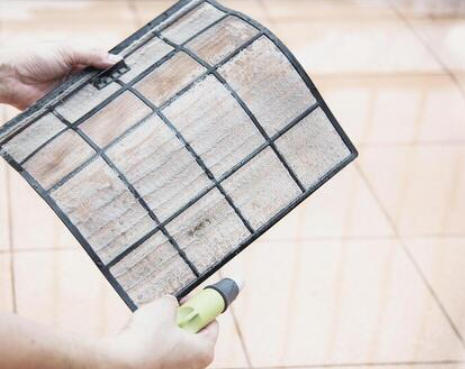
With the Washable Air Filter removed, examine the pleats and rubber sealing surfaces. If the pleats are heavily darkened, clogged with dust, sand, or leaves, or if you see oil and grime build‑up, cleaning is necessary.[2][1]
Also check for damage such as tears, separated pleats, or hardened rubber; a damaged Washable Air Filter should be replaced, not reused, because it cannot reliably stop contaminants. Take a moment to brush and wipe out the inside of the airbox so dirt does not immediately re‑contaminate the clean filter.[2][1]
Applying Cleaner To The Washable Air Filter
Place the Washable Air Filter on a suitable surface such as a sink or plastic tray. Spray a generous, even coat of the dedicated filter cleaner onto the dirty side first, then onto the clean side, making sure all pleats and corners are covered.[2][1]
Allow the cleaner to soak into the Washable Air Filter for about 10 minutes so that dirt, old oil, and contaminants can loosen from the fibers. Do not let the cleaner dry on the media, because dried chemicals and loosened dirt are harder to rinse out thoroughly.[1][2]
Rinsing The Washable Air Filter
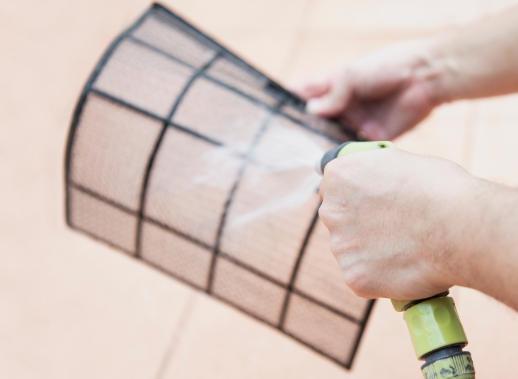
After soaking, rinse the Washable Air Filter with cool, low‑pressure water from the clean side out, which pushes contaminants back out through the direction they entered. A gentle stream is enough; high‑pressure jets can tear or deform the filter media and wire mesh.[2][1]
Continue rinsing until the water runs clear and there is no visible dirt collected in the pleats. If the Washable Air Filter still looks dirty, repeat the cleaner and rinse steps rather than using excessive water pressure or harsh scrubbing.[2]
Drying The Washable Air Filter
Once rinsed, gently shake off excess water from the Washable Air Filter. Stand it on its end or lay it on a clean surface in a well‑ventilated area and allow it to air‑dry naturally.[1][2]
Avoid placing the Washable Air Filter in direct high heat such as ovens, open flames, or powerful heat guns, as these can warp the frame or damage the fibers. Drying may take several hours depending on airflow and temperature, and the filter should be completely dry before oiling or reinstalling.[1][2]
Re‑Oiling Oiled Washable Air Filters
Some Washable Air Filters, especially performance cotton‑gauze models, require oil after cleaning to restore their fine dust‑trapping ability. Always use the specific oil recommended for your Washable Air Filter and follow the guidance on quantity and application style.[2][1]
For spray‑type oil, hold the nozzle a short distance away and move steadily along the top of each pleat, covering the entire surface with a light, even coat. For squeeze bottles, run a narrow bead of oil along the crown of each pleat, allowing capillary action to distribute it through the media.[1][2]
After application, let the oiled Washable Air Filter sit for around 20 minutes to allow the oil to wick evenly through the fibers. Inspect both sides for light spots and carefully touch them up with a small amount of oil without oversaturating the pleats.[2][1]
Too much oil can restrict airflow and may be drawn into the intake tract, potentially fouling sensors such as the mass‑airflow sensor. Too little oil reduces the Washable Air Filter's ability to capture fine dust, so even coverage is critical for efficient filtration.[1][2]
Reinstalling The Washable Air Filter
When the Washable Air Filter is fully dry and, if applicable, properly oiled, return it to the airbox or intake housing in the same orientation as removal. Make sure the sealing lip sits evenly in its groove or on its mating surface so that unfiltered air cannot bypass the media.[2][1]
Reattach the airbox lid or intake cover, tightening any screws and closing all clips firmly. A correctly seated Washable Air Filter will provide reliable airflow and filtration until the next inspection and cleaning interval.[1]
Maintenance Tips For Longer Filter Life
Checking your Washable Air Filter periodically rather than waiting for performance problems will help you avoid severe restriction. Many drivers find it convenient to inspect the Washable Air Filter during routine oil changes or seasonal services.[4][1]
Avoid over‑cleaning: unnecessarily frequent cleaning can wear the media and gaskets on a Washable Air Filter. Instead, follow the mileage guidelines, but let actual dirt buildup and driving environment guide your decisions.[2][1]
When removing and handling the Washable Air Filter, always support the frame instead of pulling on the pleats, which can distort or tear the media. Store any spare Washable Air Filters in a clean, dry place, away from solvents and direct sunlight.[2]
Common Mistakes To Avoid
Many problems with a Washable Air Filter come from using the wrong products or rushing the process. Strong solvents, gasoline, or aggressive household cleaners can degrade the filter media and rubber, shortening its service life and voiding warranties.[8][1][2]
Another frequent error is using high‑pressure water or compressed air directly on the pleats of the Washable Air Filter. This can open pinholes in the media or separate layers, allowing dirt to pass through unfiltered.[1][2]
Reinstalling a Washable Air Filter before it has fully dried is also risky. Moisture trapped in the filter can restrict airflow and, in cold conditions, may even freeze and cause further restriction.[1][2]
Finally, applying far too much or far too little oil on an oiled Washable Air Filter compromises performance. Proper training of maintenance staff or vehicle owners in correct oiling technique greatly reduces these risks.[2][1]
Environmental And Cost Benefits Of Washable Air Filters
A Washable Air Filter can be cleaned and reused many times, meaning fewer disposable paper filters end up in landfills over the life of the vehicle. For high‑mileage drivers or fleet operators, this cumulative reduction in waste can be substantial.[1][2]
Although a premium Washable Air Filter often costs more upfront than a standard paper filter, the ability to reuse it through many cleaning cycles usually results in lower total cost of ownership. For performance‑minded drivers, the combination of sustained airflow and reusability makes the Washable Air Filter particularly attractive.[2][1]
Troubleshooting Washable Air Filter Issues
If, after cleaning and reinstalling a Washable Air Filter, you notice unusual intake noise, check that the filter is properly seated and the airbox cover is fully closed. Any gap between the Washable Air Filter seal and housing can allow unfiltered air to bypass the media.[1][2]
If a check‑engine light appears or the engine runs roughly soon after servicing an oiled Washable Air Filter, excessive oil might have contaminated the mass‑airflow sensor. In such cases, the filter may need to be removed and blotted to reduce excess oil, and the sensor may require suitable cleaning according to manufacturer guidelines.[1]
When a Washable Air Filter shows visible tears, loose mesh, or permanently deformed pleats even after careful maintenance, it has likely reached the end of its service life and should be replaced. Continuing to reuse a compromised Washable Air Filter risks serious engine contamination over time.[2]
Conclusion
Cleaning a Washable Air Filter is a simple but essential procedure that preserves engine performance, reduces long‑term maintenance costs, and minimizes environmental impact. By removing the filter carefully, using the proper cleaner, rinsing with low‑pressure water, allowing complete drying, and correctly re‑oiling when required, any driver or technician can keep a Washable Air Filter working efficiently for many service cycles.[2][1]
FAQ
(1) How do I know when my Washable Air Filter should be cleaned?
A Washable Air Filter should be cleaned when the pleats appear dark and heavily coated with dust so that the original media color is largely hidden. If you have driven tens of thousands of miles since the last service or notice reduced throttle response, it is a good time to inspect and clean the Washable Air Filter.[1][2]
(2) Can I use household soap or gasoline to clean a Washable Air Filter?
Harsh solvents, gasoline, and many generic household cleaners can damage the media and seals of a Washable Air Filter. It is safer to use the dedicated cleaner recommended by the filter manufacturer, which is formulated to dissolve dirt and old oil without harming the materials.[8][2][1]
(3) Do all Washable Air Filters need oil after cleaning?
Only oiled designs require filter oil; many synthetic Washable Air Filters are dry‑type and are meant to operate without any oil at all. Always check the product documentation because adding oil to a dry Washable Air Filter can reduce airflow and cause issues in the intake system.[2][1]
(4) How long should I let a Washable Air Filter dry?
Drying time varies with temperature and airflow, but a Washable Air Filter typically needs several hours to air‑dry fully after rinsing. The filter should feel dry to the touch before you apply oil or reinstall it so that moisture does not restrict airflow or enter the intake.[1][2]
(5) Is a Washable Air Filter always better than a disposable filter?
A good Washable Air Filter can provide long‑term cost savings and less waste because it is reused rather than replaced, and many models offer excellent airflow when maintained correctly. However, it does require periodic cleaning and possible re‑oiling, so drivers who never want to perform maintenance may still prefer simple disposable filters.[2][1]
Citations:
[1](https://www.autozone.com/diy/air-intake/how-to-clean-reusable-car-air-filter)
[2](https://www.knfilters.com/cleaning)
[3](https://www.youtube.com/watch?v=wHnea2FykEk)
[4](https://www.reddit.com/r/cars/comments/yuh3nh/how_often_do_you_clean_replace_your_intake_filter/)
[5](https://www.youtube.com/watch?v=pohkTM6jaDs)
[6](https://barrysautobody.com/the-ultimate-guide-to-filter-maintenance/)
[7](https://www.kemsoracing.com/blogs/news/the-complete-drivers-guide-how-to-clean-your-cars-air-filter-the-right-way)
[8](https://www.facebook.com/groups/917272245043572/posts/24213311245013010/)


