Content Menu
● Overall Industry Structure
● Global Pharmaceutical Market Scale
● Medical Devices and Equipment Market Size
● Size and Importance of Pharmaceutical Equipment
● Demand Drivers Across the Industry
● Role of Pharmaceutical Equipment in Compliance and Quality
● Regional Dynamics in Pharmaceutical Equipment Demand
● Integrated Solutions: From Single Machines to Turnkey Plants
● How a Company Like Everheal Fits the Landscape
● Future Trends and Their Impact on Equipment
● Conclusion
● FAQ
>> (1) What are the main segments of the medical equipment and pharmaceutical industry?
>> (2) How large is the pharmaceutical market compared to medical equipment?
>> (3) Why is pharmaceutical equipment so important if its market size is smaller?
>> (4) What types of pharmaceutical equipment are most in demand?
>> (5) How can a company like Everheal compete globally in pharmaceutical equipment?
● Citations:
The global medical equipment and pharmaceutical industry has grown into one of the largest and most strategically important sectors in the world economy. It combines multi‑trillion‑dollar pharmaceutical sales, a rapidly expanding medical devices market, and a fast‑growing segment of specialized pharmaceutical equipment. Together, these segments shape how medicines and therapies are researched, manufactured, and delivered to patients.
Overall Industry Structure
When discussing “how large” the industry is, it is useful to see it as three tightly connected layers rather than a single market. At the top sit finished pharmaceuticals: patented drugs, generics, biologics, biosimilars, and vaccines sold to hospitals, pharmacies, and healthcare providers. Alongside them is the medical equipment and devices layer, ranging from imaging systems and surgical tools to monitoring devices and durable equipment used in hospitals and at home.
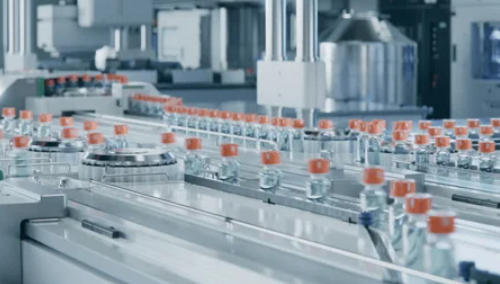
Beneath these sits the specialized pharmaceutical equipment layer, which includes purified water systems, pure steam generators, multi‑effect distillation equipment, liquid filling and sealing machines, sterilization systems, and laboratory/quality‑control machinery. Although this pharmaceutical equipment segment is smaller in revenue than the drug and device markets, it acts as the technical backbone that enables safe, consistent, and compliant production of all modern medicines.
Global Pharmaceutical Market Scale
The pharmaceutical market is the largest part of this ecosystem. Worldwide pharmaceutical spending is estimated to be in the range of about USD 1.7–1.8 trillion in the mid‑2020s and is projected to surpass USD 3 trillion by the mid‑2030s, with a mid‑single‑digit compound annual growth rate. North America and Europe remain the largest regional markets by value, driven by high healthcare spending and advanced insurance systems, while Asia‑Pacific shows the fastest growth due to rising incomes, urbanization, and investments in healthcare infrastructure.
Within this vast market, traditional small‑molecule drugs still account for the majority of sales, but biologics and biosimilars are growing faster. This shift toward complex molecules requires more stringent production environments, higher purity utilities, and more capable pharmaceutical equipment. As a result, demand for sophisticated processing, filtration, water treatment, and sterilization equipment increases in parallel with the growth of biologics and injectable products.
Medical Devices and Equipment Market Size
In parallel with pharmaceuticals, the global medical devices and equipment market has reached several hundred billion dollars in annual revenue. Estimates for 2024–2025 place the market roughly between USD 540 billion and USD 680 billion, with projections to approach or exceed around USD 900 billion to over USD 1 trillion in the 2030s. Key categories include diagnostic imaging (CT, MRI, ultrasound), in‑vitro diagnostics, cardiology devices, orthopedic implants, surgical instruments, patient monitoring systems, and home‑care/durable medical equipment.
This segment grows on the back of expanding hospital capacity, aging populations, and ongoing innovation in minimally invasive surgery, robotics, and connected or wearable medical devices. As hospitals purchase and use more advanced equipment, they also depend on a steady, reliable supply of high‑quality pharmaceuticals, which in turn increases pressure on manufacturers to invest in robust pharmaceutical equipment and compliant production facilities.
Size and Importance of Pharmaceutical Equipment
The specialized pharmaceutical equipment segment is smaller in absolute value but extremely strategic. Recent market estimates suggest that pharmaceutical equipment and closely related pharmaceutical manufacturing equipment together account for on the order of tens of billions of US dollars in annual global revenue. Projections indicate that this market will continue expanding, reaching well over USD 60 billion by the mid‑2030s, with compound annual growth rates typically in the range of roughly 5–7%.
This category includes:
- Purified water preparation systems and water for injection (WFI) systems
- Pure steam generators and multi‑effect distillation units
- Mixing, granulation, coating, and tablet‑pressing machinery
- Bioreactors and fermentation systems for biologics
- Liquid filling, sealing, capping, and labeling equipment
- Lyophilizers (freeze dryers) for injectables
- Sterilization systems (steam, dry heat, superheated water)
- Clean‑in‑place (CIP) and steam‑in‑place (SIP) systems
- Environmental monitoring and quality‑control equipment
Because these systems define how consistently and safely a plant can manufacture medicines, pharmaceutical manufacturers and contract manufacturing organizations treat investment in pharmaceutical equipment as a long‑term strategic decision rather than a simple capital purchase.
Demand Drivers Across the Industry
Several structural drivers explain why the medical equipment and pharmaceutical industry has reached such a large scale and continues to grow:
- Demographics and chronic diseases: Aging populations in developed and many developing countries lead to higher demand for ongoing treatments for cardiovascular disease, cancer, diabetes, and neurodegenerative conditions. Each of these conditions requires both drugs and monitoring or diagnostic devices.
- Innovation in therapies and technologies: Biologics, cell and gene therapies, personalized medicine, targeted oncology drugs, and advanced vaccines all depend on sophisticated pharmaceutical equipment that can maintain strict control over temperature, sterility, and process parameters.
- Regulatory pressure and quality standards: Good manufacturing practice (GMP), pharmacopeial standards, and strict oversight from agencies such as the FDA and EMA require manufacturers to validate equipment, monitor critical utilities like pharmaceutical water and pure steam, and document every step in the production process.
- Expansion in emerging markets: Countries in Asia‑Pacific, Latin America, Eastern Europe, and the Middle East are investing aggressively in domestic pharmaceutical manufacturing. New plants, expansions, and technology transfers drive significant demand for turnkey utilities and production lines.
- Digitalization and data integrity: As regulators emphasize data integrity and electronic records, pharmaceutical equipment increasingly integrates sensors, control systems, and software capable of traceable, real‑time monitoring and automated reporting.
These drivers support sustained growth in demand not only for finished products but also for the underlying pharmaceutical equipment that enables compliant, efficient production.
Role of Pharmaceutical Equipment in Compliance and Quality
In modern plants, pharmaceutical equipment is central to ensuring product safety, consistency, and compliance. A few key examples show how critical these systems are:
- Pharmaceutical purified water systems: Almost every dosage form uses purified water, whether as a solvent, a cleaning agent, or a component of formulations. For injectables and other high‑risk products, water must meet WFI standards, with extremely low microbial and endotoxin content.
- Pure steam generators and multi‑effect distillation systems: These systems produce pure steam and WFI used in sterilization, cleaning, and manufacturing of parenteral products. Temperature, pressure, and quality must be tightly controlled and documented.
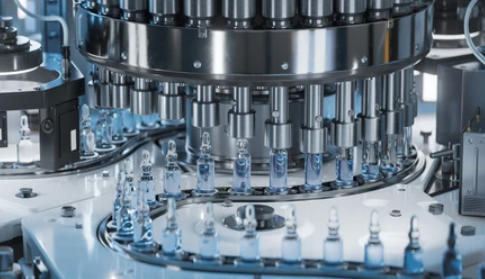
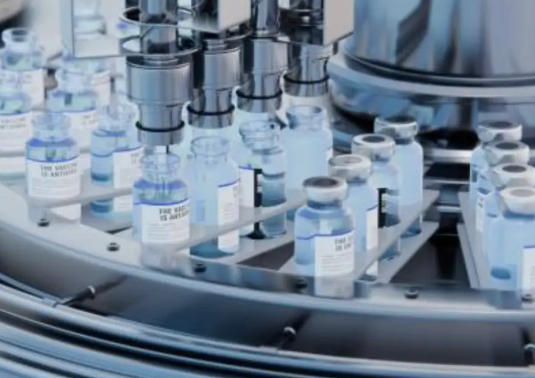
- Liquid filling and sealing machines: For ampoules, vials, prefilled syringes, and oral liquids, accurate and aseptic filling is critical. Modern filling lines integrate laminar‑flow protection, automatic in‑line checks, and rejection systems to prevent contamination and dosing errors.
- Sterilization and CIP/SIP systems: Autoclaves, sterilizers, and cleaning systems ensure that equipment, containers, and piping remain within predefined microbial and particulate limits. Validated sterilization cycles and cleaning procedures are necessary for regulatory approval and ongoing inspections.
Without reliable pharmaceutical equipment in these areas, even a well‑designed drug formulation cannot succeed commercially because production and regulatory compliance would be unstable or impossible.
Regional Dynamics in Pharmaceutical Equipment Demand
The global pharmaceutical equipment market is not evenly distributed. Different regions show distinct patterns:
- North America and Europe: These regions have a large installed base of pharmaceutical plants, many of which are being upgraded to handle biologics, continuous manufacturing, and stricter regulatory expectations. Equipment purchases often focus on modernization, replacement, and capacity balancing, with strong emphasis on high‑end technology.
- Asia‑Pacific: Asia‑Pacific, led by China and India, is the fastest‑growing region for pharmaceutical manufacturing and, therefore, for pharmaceutical equipment. Governments prioritize local drug production and export capacity, prompting the construction of new facilities that require full sets of purified water systems, pure steam generators, distillation units, filling lines, and sterilization systems.
- Latin America, Middle East, and Africa: These regions are increasingly investing in local production for essential medicines and vaccines. Many projects here rely on partnerships, technology transfers, and turnkey solutions from experienced equipment suppliers.
For suppliers of pharmaceutical equipment, this regional variation means that product portfolios and project services must be flexible enough to meet both advanced retrofit needs in established markets and greenfield turnkey requirements in rapidly developing ones.
Integrated Solutions: From Single Machines to Turnkey Plants
Historically, many suppliers focused on single‑unit operations—selling individual sterilizers, mixers, or fillers. Today, large pharmaceutical customers increasingly prefer partners that can provide integrated solutions. This shift creates an opportunity for companies that can combine engineering expertise with a broad range of pharmaceutical equipment.
Integrated solutions may include:
- Factory layout planning and cleanroom zoning
- Utility design and implementation for purified water, WFI, and pure steam
- Selection and integration of upstream processing equipment and downstream filling, sealing, and packaging lines
- Automation architecture, SCADA systems, and data‑integrity‑compliant control systems
- IQ/OQ/PQ validation, documentation, and operator training
By offering such end‑to‑end services, a supplier becomes not only a manufacturer of pharmaceutical equipment but also a project partner. This approach simplifies project management for clients, reduces integration risks, and can shorten time‑to‑market for new products.
How a Company Like Everheal Fits the Landscape
For a Chinese company such as Everheal that specializes in pharmaceutical equipment, the current global environment is particularly favorable. The combination of strong domestic manufacturing capabilities, competitive costs, and growing engineering expertise positions such suppliers well to serve both emerging markets and cost‑sensitive segments in developed regions.
A portfolio that includes pharmaceutical purified water preparation systems, pure steam generators, multi‑effect distillation water machines, liquid filling and sealing equipment, and sterilization systems directly targets the core utility and process needs of modern pharmaceutical plants. When this portfolio is combined with customized factory layout planning and complete production line construction, including installation and validation support, Everheal can offer clients a one‑stop solution rather than isolated machines.
Moreover, as more multinational and regional pharmaceutical companies seek reliable partners in Asia for capacity expansion and tech transfer projects, suppliers that can demonstrate stable quality, compliance with international standards, and strong after‑sales service gain a long‑term strategic advantage.
Future Trends and Their Impact on Equipment
Looking ahead, several trends will shape both the size of the industry and the specific types of pharmaceutical equipment that will be in demand:
- Biologics and advanced therapies: Sensitive biologics, cell and gene therapies, and highly potent compounds require ultra‑clean environments, specialized containment, and accurate control over critical parameters. This will drive demand for high‑grade water systems, advanced sterilization technologies, and flexible, modular processing equipment.
- Continuous and flexible manufacturing: To reduce costs and respond faster to market needs, manufacturers are exploring continuous processes and flexible, small‑footprint plants. Pharmaceutical equipment suppliers will need to develop skid‑mounted, modular units that can be configured for different products and scaled up or down quickly.
- Sustainability and energy efficiency: Utilities like pure steam and WFI are energy‑intensive. Equipment designs that minimize energy consumption, recover heat, reduce water usage, and support environmentally friendly operation will become more important as companies pursue sustainability goals.
- Digitalization and smart equipment: Monitoring, predictive maintenance, data analytics, and integration with plant‑wide information systems will become standard features. Pharmaceutical equipment will increasingly be expected to deliver actionable data and support regulatory audits with robust, tamper‑resistant electronic records.
For companies in the pharmaceutical equipment space, aligning R&D and engineering roadmaps with these trends is essential to remain competitive and capture a growing share of the expanding market.
Conclusion
The medical equipment and pharmaceutical industry has evolved into a massive, multi‑layered ecosystem, with global pharmaceutical sales around the trillion‑dollar scale and medical device revenues in the high hundreds of billions. Within this broad system, the pharmaceutical equipment market—though smaller in absolute revenue—plays a decisive, enabling role. It provides the purified water systems, pure steam generators, multi‑effect distillation units, liquid filling and sealing machines, sterilization systems, and quality‑control technologies that make safe and compliant medicine production possible.
As demographic changes, technological innovation, regulatory pressure, and emerging‑market growth continue to reshape global healthcare, demand for advanced pharmaceutical equipment will keep rising. Companies that can supply high‑quality pharmaceutical equipment and deliver integrated solutions—from utility design and factory layout to turnkey production lines and validation—will be well placed to benefit from this long‑term growth. For specialized suppliers like Everheal, the opportunity lies in combining strong engineering capabilities with reliable products to become a trusted global partner in the next generation of pharmaceutical manufacturing.
FAQ
(1) What are the main segments of the medical equipment and pharmaceutical industry?
The main segments are finished pharmaceuticals, medical devices and equipment, and the specialized pharmaceutical equipment used for manufacturing and quality control. Pharmaceuticals generate the largest revenue, while medical devices and pharmaceutical equipment provide the tools that make diagnosis, treatment, and compliant production possible.
(2) How large is the pharmaceutical market compared to medical equipment?
The global pharmaceutical market is larger in absolute value, with spending measured in the trillions of US dollars, while medical equipment and devices together account for several hundred billion dollars annually. However, both segments are essential and interdependent, since safe, effective treatment usually requires both high‑quality medicines and reliable medical devices.
(3) Why is pharmaceutical equipment so important if its market size is smaller?
Pharmaceutical equipment is critical because it defines how medicines are manufactured, cleaned, sterilized, and tested. Without compliant pharmaceutical equipment—such as purified water systems, pure steam generators, and validated filling and sterilization lines—manufacturers cannot reliably meet GMP requirements or maintain product quality and sterility.
(4) What types of pharmaceutical equipment are most in demand?
Systems for pharmaceutical purified water and WFI generation, pure steam generators, multi‑effect distillation units, aseptic filling and sealing machines, sterilization equipment, and CIP/SIP systems are consistently in high demand. As biologics and sterile injectables grow, the need for high‑purity utilities and advanced aseptic processing equipment becomes even more urgent.
(5) How can a company like Everheal compete globally in pharmaceutical equipment?
A company like Everheal can compete by offering a broad portfolio of reliable pharmaceutical equipment, backed by engineering services, factory layout planning, and turnkey production line integration. Focusing on compliance with international standards, strong after‑sales service, and cost‑effective solutions allows Everheal to serve both emerging markets building new plants and established manufacturers upgrading their facilities.
Citations:
[1](https://www.medicalmicromolding.com/medical-device-market-growth-outlook-2025-2030/)
[2](https://arterexmedical.com/medical-device-industry-statistics/)
[3](https://www.statista.com/outlook/hmo/medical-technology/medical-devices/worldwide)
[4](https://intuitionlabs.ai/articles/pharmaceutical-market-analysis-trends)
[5](https://www.fortunebusinessinsights.com/u-s-medical-devices-market-107009)
[6](https://www.todaysmedicaldevelopments.com/article/2025-forecast-todays-medical-developments-industry-outlook/)
[7](https://www.precedenceresearch.com/pharmaceutical-market)
[8](https://www.marketresearchfuture.com/reports/pharmaceutical-equipment-market-43199)
[9](https://www.deloitte.com/us/en/insights/industry/health-care/life-sciences-and-health-care-industry-outlooks/2025-life-sciences-executive-outlook.html)
[10](https://www.thebusinessresearchcompany.com/report/medical-equipment-global-market-report)


