Content Menu
● Understanding Your CPAP Machine
● Why Distilled Water Is Recommended
● Risks of Using Tap or Mineral Water
● Short‑Term Alternatives When Distilled Water Is Unavailable
● Why Electrolyte or “Enhanced” Waters Are Not Ideal
● Role of Humidification in Effective CPAP Therapy
● How a Multi Function Distillation Water Machine Works
● Multi Function Distillation Water Machine in CPAP Water Supply Chains
● Everheal's Integrated Pharmaceutical Water Solutions
● Daily Use and Maintenance Best Practices
● Safety Considerations for Home Medical Water Use
● Conclusion
● FAQ
>> 1. Why is distilled water better than tap water for CPAP?
>> 2. Can I use bottled or filtered water if I do not have distilled water?
>> 3. Is boiled tap water safe to use in a CPAP humidifier?
>> 4. How does a Multi Function Distillation Water Machine contribute to CPAP water quality?
>> 5. What solutions can Everheal provide for producing CPAP distilled water?
● Citations:
Using distilled water in a CPAP machine is strongly recommended because it minimizes mineral buildup, supports consistent humidification, and reduces potential hygiene risks. When this distilled water originates from pharmaceutical‑grade systems such as a Multi Function Distillation Water Machine, it can achieve even higher purity, making it especially suitable for medical applications including CPAP humidifiers.[1][3][6][11][12][13]
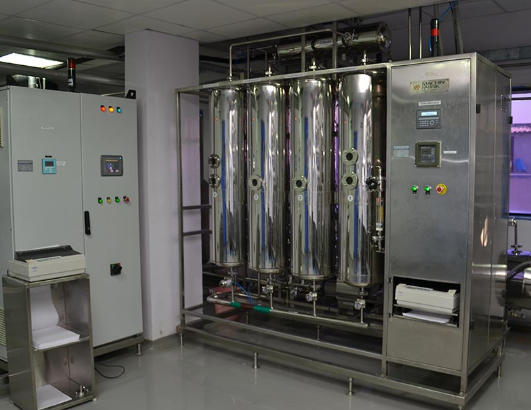
Understanding Your CPAP Machine
A CPAP (Continuous Positive Airway Pressure) machine prevents airway collapse during sleep by delivering a constant stream of pressurized air through a mask. Modern devices often include a heated humidifier, which adds moisture to the airflow to reduce dryness of the nose, throat, and mouth, improving comfort and therapy adherence.[3][5][6][1]
The water chamber of this humidifier is where water type becomes critical, because evaporation and reheating can concentrate minerals and impurities. Using pure water from a Multi Function Distillation Water Machine reduces these concerns and helps maintain both performance and cleanliness of the CPAP system over time.[2][11][12][3]
Why Distilled Water Is Recommended
Distilled water is produced by boiling water and then condensing the steam, which removes minerals, many chemicals, and microorganisms. As a result, distilled water does not leave scale or residue when heated and evaporated inside the humidifier chamber.[6][14][2][3]
Most manufacturers and sleep‑health organizations advise using distilled water in CPAP humidifiers to protect equipment and minimize microbial risks. Distilled water from a Multi Function Distillation Water Machine used in pharmaceutical plants is especially pure and consistent, making it an ideal upstream source for packaged CPAP water.[11][12][13][1][3][6]
Risks of Using Tap or Mineral Water
Tap water can be safe to drink yet unsuitable for CPAP machines because it contains dissolved minerals like calcium and magnesium as well as other solids. When this water is repeatedly heated, the minerals remain as deposits on the chamber walls, heater plate, and potentially other internal surfaces.[14][15][3][6]
Tap water and some bottled waters may also contain microorganisms that are harmless when swallowed, thanks to stomach acid, but can pose risks when aerosolized and inhaled through a CPAP device. Over time, this environment may favor the growth of bacteria or mold inside the humidifier, especially if cleaning is infrequent.[4][7][9][16]
Short‑Term Alternatives When Distilled Water Is Unavailable
In situations where distilled water is temporarily unavailable, some sources suggest that purified or filtered bottled water without added minerals can be used for a short period. However, even these alternatives may still contain trace minerals that can slowly accumulate inside the humidifier chamber.[9][1][3][6]
Boiled tap water is another common fallback, but while boiling kills many microorganisms, it does not remove minerals or chemical additives, so it cannot fully replace distilled water for long‑term CPAP use. After any period of using non‑distilled water, more frequent cleaning and descaling of the humidifier is recommended.[1][3][4][6][9]
Why Electrolyte or “Enhanced” Waters Are Not Ideal
Some bottled waters are labeled as “distilled with electrolytes” or “purified water with minerals added for taste.” These products intentionally include salts and minerals such as sodium, potassium, or magnesium, which are fine for drinking but can form deposits in a heated humidifier chamber.[8][17][3][14]
For CPAP machines, the best practice is to use plain distilled water with no added electrolytes, flavors, or disinfectants. When the water is produced by a validated Multi Function Distillation Water Machine running under pharmaceutical standards, maintaining it as additive‑free ensures maximum compatibility with CPAP humidification systems.[12][13][2][6][11]
Role of Humidification in Effective CPAP Therapy
Humidification helps reduce nasal congestion, dry throat, and mouth discomfort that can occur during CPAP therapy, especially at higher pressures or in dry climates. Comfortable humidity levels encourage patients to use the machine consistently, which is crucial for controlling obstructive sleep apnea.[5][2][1]
If mineral deposits or contamination interfere with the humidifier's performance, humidity levels can become inconsistent, leading to dry air, irritation, or noisy operation. Using distilled water and keeping the chamber clean preserves stable humidification, which directly supports long‑term treatment success.[3][5][6]
How a Multi Function Distillation Water Machine Works
A Multi Function Distillation Water Machine in the pharmaceutical field often uses multi‑effect distillation: water passes through multiple stages of evaporation and condensation to reach very low conductivity and impurity levels. Each effect uses steam and heat recovery to improve energy efficiency while progressively stripping away dissolved solids, endotoxins, and microorganisms.[13][18][11][12]
These systems integrate preheaters, evaporators, demisters, condensers, and advanced instrumentation to ensure stable quality and real‑time monitoring of critical parameters such as temperature, pressure, and conductivity. Because the output can meet Water for Injection or similar standards, the same Multi Function Distillation Water Machine can supply water for injectables, cleaning, and repackaged distilled water for devices like CPAP humidifiers.[18][19][11][12]
Multi Function Distillation Water Machine in CPAP Water Supply Chains
For hospitals, sleep centers, and medical‑water producers, relying on a Multi Function Distillation Water Machine allows centralized production of high‑purity water. This water can then be distributed to storage tanks and filling lines to create packaged CPAP distilled water while maintaining strict quality control.[19][11][12][13]
Because multi‑effect systems recover heat between stages, they reduce steam consumption and operating costs compared with single‑effect distillers while keeping purity levels high. As demand for home CPAP therapy grows worldwide, linking a Multi Function Distillation Water Machine with automated filling–sealing and sterilization equipment offers an efficient way to supply large volumes of consistent, medical‑grade distilled water.[11][13][18]
Everheal's Integrated Pharmaceutical Water Solutions
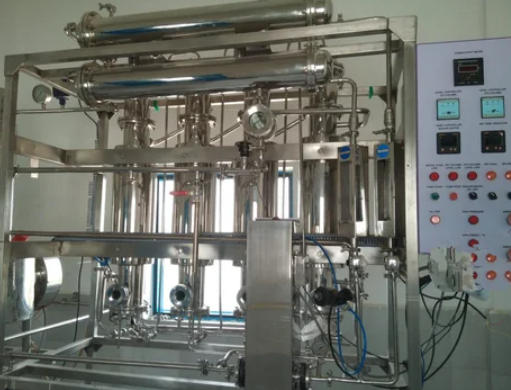
Everheal specializes in pharmaceutical equipment, including purified water systems, pure steam generators, Multi Function Distillation Water Machine units, liquid filling–sealing machines, and sterilization systems. These solutions can be combined into complete, cGMP‑compliant production lines for pharmaceutical water, sterile liquids, and consumables such as CPAP distilled water bottles.[12][19][11]
By offering custom factory layout design and turnkey production‑line construction, Everheal helps global clients optimize material flow, utilities, equipment placement, and automation for both safety and efficiency. A central Multi Function Distillation Water Machine can feed multiple processes at once, including CPAP water bottling, parenteral solution preparation, and cleanroom utility water, thereby maximizing investment value.[13][18][19][11]
Daily Use and Maintenance Best Practices
Even when using distilled water, CPAP users should empty the humidifier chamber daily, allow it to air dry, and follow the manufacturer's cleaning instructions. Regular washing with mild, approved cleaning agents helps prevent biofilm formation and removes any residues that do appear.[7][6][9][3]
If non‑distilled water has been used, occasional descaling with suitable agents may be required to remove mineral deposits from the chamber and heater plate. Consistent preventive maintenance combined with proper water quality—such as distilled water sourced from a Multi Function Distillation Water Machine—prolongs machine life and supports safer therapy.[15][6][14][11]
Safety Considerations for Home Medical Water Use
Public‑health authorities have reported infections linked to using unsterile tap water in home medical devices, including humidifiers and respiratory equipment. Because the lungs lack the protective acidity of the stomach, inhaled aerosols containing pathogens can be dangerous for vulnerable patients.[16][4][7]
For this reason, guidance emphasizes using distilled or appropriately treated water in such devices and maintaining regular cleaning routines. For CPAP therapy, this means choosing distilled water whenever possible and reserving alternatives only for short‑term contingencies, followed by careful cleaning.[4][6][9][16][1]
Conclusion
Distilled water is the preferred and widely recommended choice for CPAP humidifiers because it prevents mineral buildup, reduces microbial risk, and supports consistent, comfortable therapy. Tap water, mineral water, and electrolyte‑enhanced waters may be safe to drink but can cause scaling, contamination, and higher maintenance demands when used in CPAP machines.[6][14][1][3][4]
Pharmaceutical‑grade distilled water produced by a Multi Function Distillation Water Machine offers especially high purity and stability, making it an excellent upstream source for CPAP distilled water and other medical‑water products. By integrating purified water systems, Multi Function Distillation Water Machine units, pure steam generators, filling–sealing machines, and sterilization systems into turnkey lines, companies like Everheal can help global customers build efficient, compliant facilities that continuously supply safe water to support CPAP users worldwide.[18][19][11][12][13]
FAQ
1. Why is distilled water better than tap water for CPAP?
Distilled water contains virtually no minerals or microorganisms, so it does not leave scale or residue and is less likely to support microbial growth in the humidifier. Tap water, by contrast, can cause mineral deposits, reduce device efficiency, and increase hygiene concerns over time.[7][14][1][3][6]
2. Can I use bottled or filtered water if I do not have distilled water?
Purified or filtered bottled water without added minerals can be used temporarily if distilled water is not available, but it may still contain some minerals that accumulate in the chamber. When using such alternatives, more frequent cleaning is necessary, and it is best to return to genuine distilled water as soon as possible.[8][9][1][3][6]
3. Is boiled tap water safe to use in a CPAP humidifier?
Boiling tap water can kill many microorganisms but does not remove minerals or certain chemical additives. Therefore, boiled tap water can still cause mineral buildup and is not equivalent to distilled water for long‑term CPAP use.[14][1][3][4]
4. How does a Multi Function Distillation Water Machine contribute to CPAP water quality?
A Multi Function Distillation Water Machine uses multi‑effect distillation to remove minerals, microorganisms, and endotoxins to very low levels, producing high‑purity water that can meet pharmaceutical standards. When this water is properly stored and filled, it becomes an excellent source for medical‑grade distilled water used in CPAP humidifiers.[11][12][13][18]
5. What solutions can Everheal provide for producing CPAP distilled water?
Everheal can design and supply complete water‑treatment and production lines that combine purified water systems, Multi Function Distillation Water Machine units, pure steam generators, liquid filling–sealing machines, and sterilization systems. These integrated solutions enable global customers to build efficient, compliant facilities for manufacturing CPAP distilled water and other pharmaceutical products.[19][12][13][18][11]
Citations:
[1](https://www.sleepapnea.org/cpap/should-you-use-distilled-water-for-a-cpap-machine/)
[2](https://www.verywellhealth.com/do-you-need-distilled-water-for-the-cpap-humidifier-3015017)
[3](https://www.sleepfoundation.org/cpap/should-you-use-distilled-water-for-a-cpap-machine)
[4](https://www.healthline.com/health-news/sleep-apnea-tap-water-can-be-dangerous-to-use-in-cpap-machines)
[5](https://dreamzzsleep.com/should-you-use-distilled-water-for-a-cpap-machine/)
[6](https://sleepdoctor.com/pages/cpap/why-use-distilled-water-for-cpap)
[7](https://health.osu.edu/wellness/prevention/using-tap-water-in-medical-devices)
[8](https://healthysleepmidwest.com/can-i-use-bottled-water-in-my-cpap-for-one-night/)
[9](https://careicahealth.com/can-i-use-non-distilled-water-in-my-cpap-humidifier/)
[10](https://www.health.com/distilled-water-safety-7972502)
[11](https://www.meco.com/product/biopharmaceuticals-multiple-effect-distillation/)
[12](https://pharmaceutical-technologies.com/wfi-multiple-effect-distillation/)
[13](https://moerwater.com/pharmaceutical-multi-effect-distiller-wfi/)
[14](https://distillata.com/blog/what-type-of-water-to-use-for-cpap-machine/)
[15](https://uscpap.com/blogs/news/tap-water-in-your-cpap-a-deadly-mistake-you-can-easily-avoid)
[16](https://wwwnc.cdc.gov/eid/article/29/2/22-1205_article)
[17](https://cpapsupplies.com/blog/tap-purified-water-humidifer)
[18](https://www.biocell-pharma.com/multieffect-water-distiller-working-principle-and-technical-characteristics.html)
[19](https://www.senieer.com/multi-effect-water-distiller/)


