Content Menu
● Understanding the Function of HVAC Air Filters
>> The Purpose of an Air Filter
>> How Standard Filters Work
● What Are Washable Air Filters?
>> Types of Washable Air Filters
● Advantages of Washable Air Filters
>> 1. Cost Efficiency Over Time
>> 2. Environmentally Friendly
>> 3. Custom Fit and Durability
● Disadvantages of Washable Air Filters
>> 1. Reduced Filtration Efficiency
>> 2. Airflow Restriction Due to Moisture
>> 3. Cleaning Challenges
>> 4. Risk of Mold and Odor
>> 5. Inconsistent Performance Over Time
● Impact of Washable Air Filters on HVAC Systems
>> Airflow and Energy Efficiency
>> System Longevity
>> Indoor Air Quality Concerns
● Maintenance Best Practices for Washable Air Filters
>> Step 1: Remove and Inspect
>> Step 2: Clean Using Mild Solutions
>> Step 3: Allow Full Drying
>> Step 4: Inspect System Efficiency
>> Step 5: Replace When Necessary
● Washable Filters in Commercial and Industrial Use
>> Pre-Filtration Applications
>> Maintenance Scheduling
● Alternatives to Washable Air Filters
● When to Use Washable Air Filters
● Conclusion
● FAQ
>> 1. How often should a washable air filter be cleaned?
>> 2. Can I use soap or detergent when cleaning my washable filter?
>> 3. What happens if I reinstall the filter while it's still wet?
>> 4. Are washable air filters suitable for people with allergies?
>> 5. How long can a washable air filter last?
In modern HVAC systems, air filters play a crucial role in maintaining indoor air quality and protecting expensive system components. As concerns about environmental sustainability grow, washable air filters—also known as reusable air filters—have become a popular alternative to disposable ones. Their reusability appears cost-effective and eco-friendly, but many homeowners and facility managers wonder: Are washable central air filters bad for the system?
In this article, we'll explore how washable air filters work, their pros and cons, common maintenance challenges, and the long-term impact they can have on your HVAC performance.
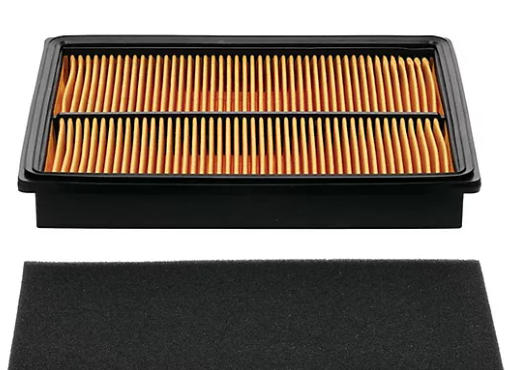
Understanding the Function of HVAC Air Filters
Before analyzing the effects of washable filters, it helps to understand what role a filter serves inside an HVAC system.
The Purpose of an Air Filter
The primary function of any central air filter is to trap contaminants and prevent them from entering your HVAC equipment. Common particles include dust, pollen, mold spores, and even microscopic bacteria. A good air filter not only protects your system but also supports healthier indoor air.
How Standard Filters Work
Traditional disposable air filters are made from pleated paper or synthetic fiber. These filters have a *Minimum Efficiency Reporting Value (MERV)* rating that reflects their ability to trap particles of different sizes. Higher MERV ratings mean better filtration, but also more airflow restriction.
When they become loaded with debris, disposable filters are simply replaced with new ones, ensuring the system maintains consistent airflow.
What Are Washable Air Filters?
A washable air filter is a reusable filter made from materials such as aluminum, foam, or electrostatically charged mesh. Instead of replacing it, users remove and clean it periodically with water or a mild cleaning solution.
Types of Washable Air Filters
There are several kinds of washable filters used in residential and industrial HVAC systems:
- Electrostatic washable filters: These use static electricity to attract particles.
- Foam media filters: Often used in older or custom units.
- Metal mesh filters: Typically made from aluminum or stainless steel, common in industrial environments.
Though they're durable and reusable, these filters require proper cleaning to maintain their efficiency.
Advantages of Washable Air Filters
At first, the benefits of washable air filters appear convincing, especially when evaluating cost and environmental concerns.
1. Cost Efficiency Over Time
One of the primary appeals of washable filters is cost savings. While the upfront price can be higher—ranging from \$20 to \$80 each—a single washable filter can last five to ten years with proper maintenance. Over the same period, disposable filters can cost several hundred dollars if changed every few months.
2. Environmentally Friendly
By reducing landfill waste, washable air filters appeal to eco-conscious consumers and businesses. Fewer disposables mean less packaging waste and a reduced carbon footprint.
3. Custom Fit and Durability
Washable filters can be tailored to fit unique HVAC configurations, offering flexibility for non-standard systems. Their metallic or durable construction ensures they can handle frequent cleaning without damage, unlike fragile paper-based filters.
Disadvantages of Washable Air Filters
Despite their potential, washable air filters are not always the perfect solution. Improper maintenance or misunderstanding of their characteristics can lead to serious HVAC issues.
1. Reduced Filtration Efficiency
Most washable filters have lower MERV ratings, typically between 1 and 8. This means they capture fewer fine particles such as smoke, pet dander, or bacteria. Homes with allergy sufferers may not benefit much from this type of filter.
2. Airflow Restriction Due to Moisture
One of the most common issues occurs when the filter is reinstalled before it's completely dry. Moisture can block airflow, leading to stress on the system, reduced efficiency, and even mold growth inside ducts.
3. Cleaning Challenges
Regular and proper cleaning is vital. Neglecting maintenance leads to clogging, while aggressive cleaning methods can damage the filter mesh. This delicate balance can frustrate users.
4. Risk of Mold and Odor
A damp or improperly dried washable air filter becomes a breeding ground for mildew and bacteria. Over time, this can produce unpleasant odors or even circulate spores throughout the home.
5. Inconsistent Performance Over Time
Even with good maintenance, the electrostatic capability of washable filters can degrade. As the material ages, its particle-trapping effectiveness drops, which may increase system wear and reduce air quality.
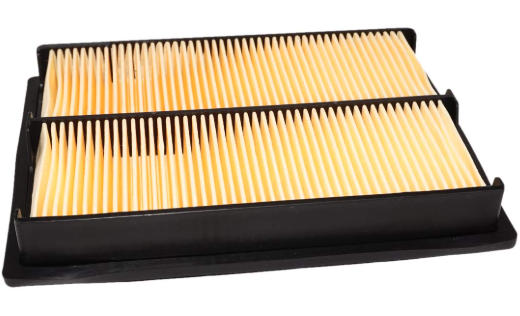
Impact of Washable Air Filters on HVAC Systems
Airflow and Energy Efficiency
A central air system depends on unrestricted airflow to maintain consistent room temperatures. A clogged or wet washable filter can restrict airflow, forcing the blower motor to work harder. This increases energy consumption and may cause overheating.
Professionals often observe that inconsistent airflow caused by dirty or damp reusable filters shortens the life of critical HVAC components, such as fans, compressors, and heat exchangers.
System Longevity
Because washable filters may not capture fine dust effectively, that debris can settle inside the coils or ductwork. Over months or years, this buildup reduces heat exchange efficiency, making the system cycle more frequently and wear out sooner.
Indoor Air Quality Concerns
Homes or facilities using washable air filters may notice more airborne particles, especially fine dust, floating in the air. For sensitive environments—such as pharmaceutical plants, cleanrooms, or medical laboratories—this could violate air purity standards.
Maintenance Best Practices for Washable Air Filters
To ensure washable filters do not harm your HVAC system, follow a consistent care routine.
Step 1: Remove and Inspect
Turn off the HVAC system before removing the filter. Inspect for excessive dust or visible mold. Any sign of black or green spots may require deep cleaning or replacement.
Step 2: Clean Using Mild Solutions
Rinse the filter gently with lukewarm water. Avoid high-pressure streams that could damage the mesh. Use a mild detergent if grease or heavy dust buildup exists.
Step 3: Allow Full Drying
Completely dry the filter before reinstallation. Depending on humidity, this might take 6–12 hours. A still-damp filter will reduce airflow efficiency and promote mold growth.
Step 4: Inspect System Efficiency
After cleaning, monitor your system's performance. If airflow feels weak or you notice noise changes, the filter may not have been correctly dried or seated.
Step 5: Replace When Necessary
Even reusable filters don't last forever. After about five years—or sooner if structural damage appears—it's best to replace them to maintain optimal HVAC performance.
Washable Filters in Commercial and Industrial Use
In industrial and pharmaceutical manufacturing, such as facilities managed by companies like Everheal, air cleanliness is critical. Washable filters are sometimes used in pre-filtration stages but rarely serve as the final filtration layer.
Pre-Filtration Applications
In production cleanrooms, washable metal filters can capture large particles before air passes through high-efficiency particulate air (HEPA) or ultra-low penetration air (ULPA) filters. This layered approach minimizes cost while ensuring compliance with purity standards.
Maintenance Scheduling
Industrial setups rely on strict maintenance intervals. Washable filters might be serviced weekly or monthly, depending on environmental conditions, to ensure consistent pressure drop and minimal contamination.
Alternatives to Washable Air Filters
If washable filters seem risky or high-maintenance, other filtration options can deliver both efficiency and ease.
- Pleated synthetic filters: Offer high MERV ratings with moderate cost.
- HEPA filters: Capture over 99.97% of particles 0.3 microns or larger.
- Activated carbon filters: Ideal for odor and gas removal.
- Hybrid systems: Combine washable pre-filters with disposable fine filters for balanced performance.
This layered approach reduces filter replacement frequency without compromising air purity.
When to Use Washable Air Filters
Washable air filters are most suitable when:
- The environment is relatively clean and free from fine particles.
- Users can commit to consistent cleaning schedules.
- Initial cost savings and environmental goals take precedence.
- The HVAC design allows sufficient airflow tolerance even with minor restriction.
In contrast, healthcare, lab, and food production environments are better served with fixed high-efficiency filtration systems.
Conclusion
Washable central air filters are not inherently bad for HVAC systems. However, whether they are *right* for your system depends on consistent maintenance and proper usage. While washable filters offer long-term savings and eco-friendly benefits, neglect or poor drying habits can severely damage system performance and indoor air quality.
In summary, choose washable air filters only if you can maintain them diligently. Otherwise, high-quality disposable filters might deliver better reliability and cleaner air over the system's lifetime.
FAQ
1. How often should a washable air filter be cleaned?
Most manufacturers recommend cleaning every 30 to 60 days. In dusty environments, more frequent washing ensures steady airflow and system efficiency.
2. Can I use soap or detergent when cleaning my washable filter?
Yes, mild non-abrasive detergents are safe to use. Avoid harsh chemicals or high-pressure water, as they can damage the filter mesh or reduce electrostatic charge.
3. What happens if I reinstall the filter while it's still wet?
A damp filter restricts air circulation and promotes mold growth. Always ensure the filter is 100% dry before reinstallation.
4. Are washable air filters suitable for people with allergies?
Not typically. They trap larger particles but may allow fine allergens, such as pollen and bacteria, to circulate. Allergy sufferers benefit more from high-MERV or HEPA filters.
5. How long can a washable air filter last?
A well-maintained washable air filter can last between 5 to 10 years. However, its performance gradually decreases over time due to wear, corrosion, and loss of electrostatic properties.


