Content Menu
● Importance of Pharmaceutical Water in Japan
● Regulatory and GMP Expectations
● Main Categories of Pharmaceutical Water Systems
>> Purified Water (PW) Systems
>> Water for Injection (WFI) Systems
>> Pure Steam and Clean Steam Generators
● Leading Japanese and Global Suppliers Active in Japan
● Where Everheal Adds Value for Japan-Focused Projects
● Typical System Architecture in a Japanese Pharma Plant
● Key Technology Trends in Japan
● Selection Criteria for Buyers
● Cooperation Models Between Japanese and Overseas Suppliers
● Conclusion
● FAQ
>> 1. What pharmaceutical water qualities are most important in Japan?
>> 2. Which companies are considered leading Pharmaceutical Water Trearment Equipment Manufacturers And Suppliers in Japan?
>> 3. How can Everheal work with Japanese partners?
>> 4. Are membrane-based WFI systems accepted for Japanese projects?
>> 5. What should buyers focus on when selecting Pharmaceutical Water Trearment Equipment Manufacturers And Suppliers for Japan?
● Citations:
Japan is one of the most mature and highly regulated pharmaceutical markets in the world, with extremely strict expectations for pharmaceutical-grade water and clean utilities. For international buyers who are evaluating Pharmaceutical Water Trearment Equipment Manufacturers And Suppliers, understanding the Japanese technical, regulatory and supplier landscape is essential for planning reliable and compliant projects.[1][2][3]
Importance of Pharmaceutical Water in Japan
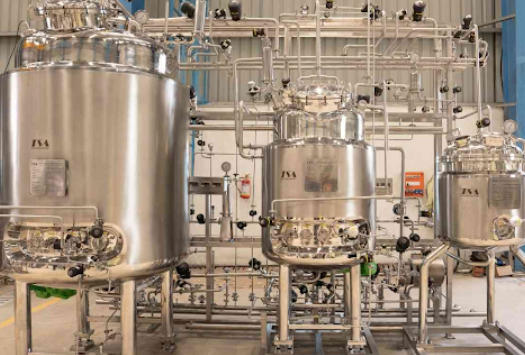
In Japanese pharmaceutical production, Purified Water (PW), Highly Purified Water (HPW) and Water for Injection (WFI) are classified as critical raw materials and utilities. These water qualities must comply not only with the Japanese Pharmacopoeia (JP), but often simultaneously with the United States Pharmacopoeia (USP) and European Pharmacopoeia (EP) to support export-oriented facilities.[2][3]
Because water is directly or indirectly in contact with drug products, regulators expect tight control of conductivity, TOC, endotoxins, and microbial counts throughout the water generation and distribution system. Pharmaceutical Water Trearment Equipment Manufacturers And Suppliers must therefore design, build and validate systems that can maintain stable water quality for many years under rigorous GMP inspection.[3][1][2]
Regulatory and GMP Expectations
The PMDA and Japanese GMP guidelines enforce detailed requirements for design qualification, installation, operation, and performance qualification (DQ/IQ/OQ/PQ) of pharma water systems. Pharmaceutical Water Trearment Equipment Manufacturers And Suppliers operating in Japan typically provide full documentation packages, including URS alignment, design calculations, P&IDs, material certificates, FAT/SAT protocols, and validation templates.[1][3]
In addition, systems must enable ongoing lifecycle management: periodic sanitization, preventive maintenance, calibration, and trending of critical parameters such as conductivity, temperature, flow and pressure. Many Japanese and international suppliers integrate audit trails, user management, and data integrity features into their automation platforms to help end users comply with GMP and data integrity expectations.[2][1]
Main Categories of Pharmaceutical Water Systems
Purified Water (PW) Systems
Purified Water is widely used in Japan for non-parenteral products, oral formulations, cleaning processes, and as a feed to further purification stages. Pharmaceutical Water Trearment Equipment Manufacturers And Suppliers usually implement pretreatment (filtration, softening, activated carbon), reverse osmosis (RO) and electrodeionization (EDI) combined with UV disinfection and final filtration.[1][2]
Organo, for example, applies its proprietary D2EDI technology to maintain stable conductivity and TOC in purified water systems that comply with JP standards. Mitsubishi Chemical Aqua Solutions offers hot-water-sterilizable PW production systems with skid-mounted designs to simplify on-site installation and validation.[3][1]
Water for Injection (WFI) Systems
Water for Injection is mandatory for injections, infusions, vaccines and many biologics, so it receives the highest regulatory scrutiny. Traditionally in Japan, WFI was produced using multi-effect distillation or vapor compression stills fed with Purified Water, but regulators now accept membrane-based “cold WFI” if systems are properly designed and controlled.[9][10][2]
Suppliers such as Puretech, MECO, EnviroFALK and Syntegon offer WFI systems that combine RO, EDI and ultrafiltration modules to achieve WFI quality without distillation, significantly reducing energy use. Pharmaceutical Water Trearment Equipment Manufacturers And Suppliers that can deliver both distillation-based and membrane-based WFI give Japanese buyers flexibility to choose the right technology for their risk profile and energy strategy.[5][10][11][9]
Pure Steam and Clean Steam Generators
Pure steam and clean steam are indispensable for sterilization-in-place (SIP), autoclaves, and contact applications where steam condensate may touch the product or product-contact surfaces. Organo and MECO integrate pure steam generators with WFI and PW systems so that users can manage the entire pure media suite as one validated utility.[5][1]
These generators typically feature sanitary construction, controlled blowdown, condensate quality monitoring, and fully automatic operation to ensure steam purity and reliability. Pharmaceutical Water Trearment Equipment Manufacturers And Suppliers that supply both pure steam and water production equipment help simplify validation, documentation, and long-term service.[5][1]
Leading Japanese and Global Suppliers Active in Japan
Japan hosts a mix of domestic and international Pharmaceutical Water Trearment Equipment Manufacturers And Suppliers, each with specific strengths and focus areas.[12][1]
- Organo Corporation (Japan): Provides complete water treatment systems for pharmaceutical production, including PW, UF water, WFI, and pure steam systems designed to satisfy Japanese Pharmacopoeia standards.[1]
- Mitsubishi Chemical Aqua Solutions (Japan): Supplies pharmaceutical water production systems using hot water sterilization and proprietary electrical deionization technologies, meeting JP, USP and EP GMP requirements.[3]
- Veolia Japan Group (Japan/global): Focuses on industrial water and wastewater treatment, supporting pharmaceutical plants with advanced operations, maintenance and optimization services.[7]
On the international side, several well-known brands supply systems and technology to the Japanese market:[12][2]
- Ovivo: Specializes in PW, HPW and WFI systems and storage & distribution loops compliant with major pharmacopoeias, including JP.[2]
- MECO: Provides a wide portfolio covering media filtration, RO, multiple-effect and vapor-compression distillation, membrane-based WFI, and pure steam solutions for global biopharma facilities.[5]
- BWT Pharma and Puretech: Deliver standardized and customized purified water and WFI solutions designed around EP, USP and JP requirements.[10][13]
This ecosystem of Pharmaceutical Water Trearment Equipment Manufacturers And Suppliers gives Japanese drug manufacturers and overseas investors a broad range of options from premium domestic integrators to global technology specialists.[7][12][1]
Where Everheal Adds Value for Japan-Focused Projects
Everheal, headquartered in China, focuses on pharmaceutical equipment and complete pure media solutions and has positioned itself as a flexible OEM and project partner for global clients. Its product lineup includes purified water preparation systems, pure steam generators, multi-function distillation water machines, and industrial distilled water machines tailored for pharmaceutical and medical applications.[14][15][16][17]
In addition to water treatment, Everheal manufactures liquid filling and sealing machines and sterilization equipment, and offers customized factory layout planning and full production line design services. This enables overseas buyers to work with a single company that understands both pure water utilities and downstream sterile processing needs, rather than coordinating multiple unconnected Pharmaceutical Water Trearment Equipment Manufacturers And Suppliers.[15][14]
For Japan-focused projects, Everheal can supply core equipment on an OEM basis to Japanese EPCs, engineering firms or end users who prefer local installation and long-term service partners. By combining Everheal's competitive pricing and customization with Japanese integrators' regulatory know-how, project stakeholders can realize a balanced solution in terms of cost, performance, and compliance.[14][15][7][3]
Typical System Architecture in a Japanese Pharma Plant
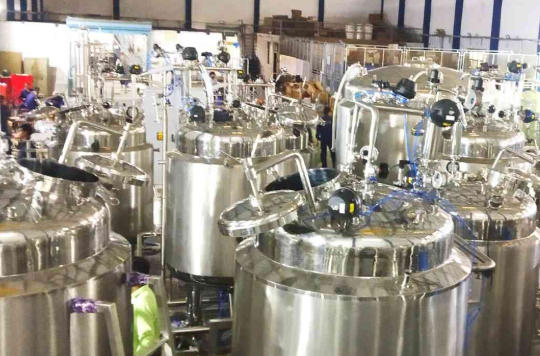
A modern Japanese pharmaceutical facility often deploys a layered pure media architecture starting from raw water to PW, then to WFI and pure steam where required.[2][1]
1. Pretreatment – Multimedia filters, activated carbon, softeners and cartridge filters condition municipal or groundwater supplies and protect downstream RO and EDI units.[8][2]
2. Purified Water Generation – RO and EDI systems produce PW that meets JP conductivity, TOC and microbial specifications.[1][2]
3. WFI Generation – Either multi-effect distillation or membrane-based trains (RO–EDI–UF) generate WFI for parenteral and critical processes.[11][9][10]
4. Storage and Distribution – Sanitary, typically hot, loops circulate PW and WFI with continuous flow and controlled return velocities to minimize microbial risk.[2]
5. Pure Steam Generation – Pure steam boilers use WFI-quality feedwater to supply SIP, sterilizers and other high-purity steam applications.[5][1]
Pharmaceutical Water Trearment Equipment Manufacturers And Suppliers must coordinate each stage with appropriate instrumentation, control logic and hygienic design to create a fully integrated utility.[3][1][2]
Key Technology Trends in Japan
Several trends are shaping the strategies of Pharmaceutical Water Trearment Equipment Manufacturers And Suppliers serving the Japanese market.[10][12]
- Shift toward membrane-based WFI: As regulations accept membrane-based WFI, many suppliers are offering RO–EDI–UF systems that lower energy use compared to full distillation while maintaining tight microbial control.[9][11][10]
- Increased digitalization and remote services: Advanced monitoring, data analytics and remote support solutions help plants optimize performance, predict maintenance needs and demonstrate ongoing GMP compliance.[7]
- Sustainability and energy efficiency: Japanese pharma manufacturers are under pressure to reduce their environmental footprint, pushing suppliers to design lower-energy systems and options for heat recovery and water reuse.[6][7]
Everheal can enhance its competitiveness in this environment by continuing to optimize the efficiency of its purified water and distillation systems and by aligning documentation and automation interfaces with Japanese expectations.[15][14]
Selection Criteria for Buyers
When global buyers shortlist Pharmaceutical Water Trearment Equipment Manufacturers And Suppliers for Japan-oriented projects, several criteria are particularly important.[12][3][2]
- Regulatory alignment – Proven ability to design, build and validate systems in line with JP, USP, EP, and PMDA expectations.[3][2]
- Technical capabilities and references – Track record in PW, WFI, pure steam and complete pure media rooms for pharmaceutical and biotech plants.[12][1][5]
- Documentation and validation support – Comprehensive engineering and qualification documents, templates and training that make regulatory inspections smoother.[1][3]
- Service and lifecycle support – Availability of preventive maintenance, rapid spare parts supply, and remote assistance in Japan or nearby regions.[7][5]
Everheal's role as both a Pharmaceutical Water Trearment Equipment manufacturer and a broader process equipment supplier can help buyers reduce interface risks among multiple vendors, especially when combined with a strong Japanese on-the-ground partner.[14][15]
Cooperation Models Between Japanese and Overseas Suppliers
Because no single supplier is perfect for every plant size and business model, many projects combine domestic and international Pharmaceutical Water Trearment Equipment Manufacturers And Suppliers.[7][12]
One effective approach is to select a Japanese integrator or engineering firm to handle local GMP interpretation, piping and automation integration, while purchasing core hardware such as PW systems, distillation units or pure steam generators from cost-competitive partners like Everheal. Another approach is to adopt standardized PW or WFI skids from global players such as Ovivo, BWT or MECO and then work with Everheal for downstream equipment (filling, sealing, sterilization) and plant layout optimization.[10][15][14][2][3]
Either way, clear division of responsibilities, early design coordination, and aligned documentation between all Pharmaceutical Water Trearment Equipment Manufacturers And Suppliers are crucial for a smooth qualification and start-up phase.[3][7][1]
Conclusion
Japan's pharmaceutical industry imposes strict standards on PW, HPW, WFI and pure steam, which drives continuous innovation among Pharmaceutical Water Trearment Equipment Manufacturers And Suppliers. Domestic leaders such as Organo and Mitsubishi Chemical Aqua Solutions, global brands like Ovivo, MECO, BWT and Puretech, and service specialists like Veolia Japan collectively provide a mature ecosystem of high-end pure water solutions.[10][12][2][7][1][3]
At the same time, Everheal offers flexible, competitively priced purified water systems, pure steam generators, multi-function distillation water machines, liquid filling and sealing machines, sterilization equipment, and complete factory layout services to complement these established suppliers. By combining Japanese integrators, international technology providers and Everheal's customized solutions, buyers can build robust, compliant and cost-effective pharmaceutical water and process lines tailored to the Japanese regulatory and business environment.[16][17][15][14][12][2][3]
FAQ
1. What pharmaceutical water qualities are most important in Japan?
The main water qualities are Purified Water (PW), Highly Purified Water (HPW) and Water for Injection (WFI), all of which must meet Japanese Pharmacopoeia standards and often also USP and EP requirements. These utilities support everything from oral formulations and cleaning processes to injectable drugs, vaccines and biologics.[12][2][3]
2. Which companies are considered leading Pharmaceutical Water Trearment Equipment Manufacturers And Suppliers in Japan?
Key domestic players include Organo and Mitsubishi Chemical Aqua Solutions, which supply JP-compliant PW, WFI and pure steam systems. International brands such as Ovivo, MECO, BWT and Puretech also supply advanced purified water and WFI solutions widely used in Japanese and global facilities.[13][10][2][5][1][3]
3. How can Everheal work with Japanese partners?
Everheal can supply purified water preparation systems, pure steam generators, multi-function distillation water machines, liquid filling and sealing machines, and sterilization systems as stand-alone equipment or OEM packages. Japanese EPCs or integrators can then handle on-site engineering, installation, validation and long-term maintenance, combining strengths from multiple Pharmaceutical Water Trearment Equipment Manufacturers And Suppliers.[17][16][15][14][7][3]
4. Are membrane-based WFI systems accepted for Japanese projects?
Yes, membrane-based WFI systems using RO, EDI and ultrafiltration are now accepted, provided that design, monitoring and maintenance comply with pharmacopoeial and GMP requirements. Suppliers like EnviroFALK and Syntegon have already delivered membrane-based WFI systems for Japan, which helps reduce energy usage compared with traditional distillation.[11][9][10]
5. What should buyers focus on when selecting Pharmaceutical Water Trearment Equipment Manufacturers And Suppliers for Japan?
Buyers should prioritize regulatory alignment with JP, USP and EP, proven references in pharma or biotech, high-quality design and documentation, and reliable service capabilities. They should also confirm that suppliers can integrate with local engineering partners and provide clear lifecycle support, including preventive maintenance and remote assistance.[2][5][7][12][3]
Citations:
[1](https://www.organo.co.jp/english/business/medical/total_system/)
[2](https://www.ovivowater.com/en/industry-solutions/pharmaceuticals-life-sciences/)
[3](https://www.mcas.co.jp/en/business/)
[4](https://www.kanadevia.com/english/business/field/water/)
[5](https://www.meco.com/industries/biopharmaceutical-2/)
[6](https://www.toray-intl.com/business/watertreatment/)
[7](https://www.veolia.jp/en/what-we-do/water-capabilities/industrial-water-and-wastewater-treatment)
[8](https://moerwater.com/pharmaceutical-water-solutions/)
[9](https://www.envirofalk-pharma.com/en/the-first-m-wfi-system-for-japan/)
[10](https://www.pharmaceutical-technology.com/uncategorized/puretech-water-purification-systems/)
[11](https://www.syntegon.com/solutions/pharma/membrane-based-pure-media-systems/)
[12](https://www.credenceresearch.com/report/japan-pharmaceutical-water-market)
[13](https://www.bwt-pharma.com/en/application-overview/purified-water/)
[14](http://www.everhealgroup.com/pharmaceutical-water-trearment-equipment.html)
[15](https://www.everhealgroup.com)
[16](https://www.everhealgroup.com/products/multi-function-distillation-water-machine.html)
[17](https://www.everhealgroup.com/products/Industrial-Distilled-Water-Machine.html)


