Content Menu
● What Is A Banana Bag?
● Hydration Role Of The Banana Bag
● Infusion Role Of The Banana Bag
● Key Ingredients Inside The Infusion Bag
● How The Banana Bag Works In The Body
● Clinical Uses Of Banana Bag Infusion Bags
● Infusion Bags: Design And Function
● Hydration Therapy vs Nutrient Infusion
● Advantages Of Banana Bag Infusion Bags Over Oral Intake
● Safety, Risks, And Professional Oversight
● Who May Benefit Most From Banana Bag Infusion Bags?
● Comparison: Hydration‑Only IV vs Banana Bag Infusion Bag
● Conclusion
● FAQ About Banana Bags And Infusion Bags
>> 1. Is a banana bag mainly hydration or mainly infusion?
>> 2. How long does a banana bag Infusion Bag usually take to administer?
>> 3. What is the main difference between a banana bag and a standard saline Infusion Bag?
>> 4. Who are typical candidates for banana bag Infusion Bags?
>> 5. Are banana bag Infusion Bags safe, and what side effects can occur?
● Citations:
A banana bag is both a hydration treatment and an infusion, because it delivers IV fluids and a concentrated mix of vitamins and minerals through an Infusion Bag directly into the bloodstream. In clinical practice it is usually classified as an IV nutrient infusion that also provides robust hydration, rather than as simple fluid therapy alone.[4][10][11][12]
What Is A Banana Bag?
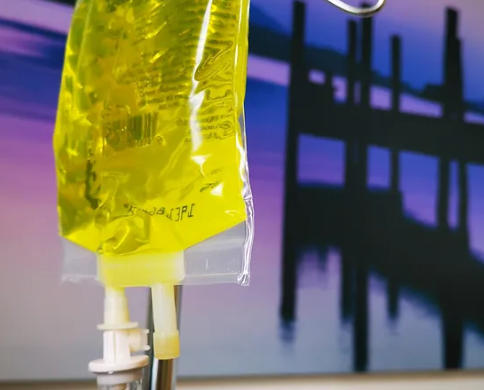
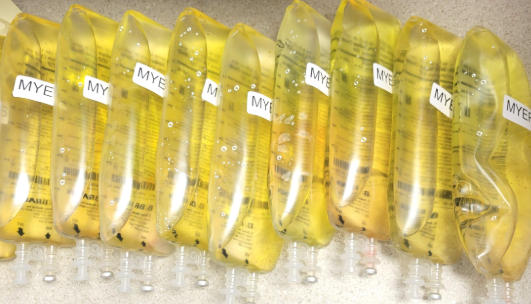
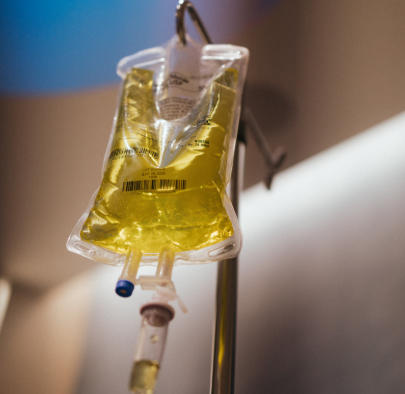
A banana bag is an intravenous (IV) solution prepared in an Infusion Bag that typically contains normal saline, B‑complex vitamins, thiamine, folic acid, magnesium, and sometimes vitamin C. The high concentration of B‑complex vitamins, especially riboflavin, gives the Infusion Bag a bright yellow color that resembles a ripe banana, which is how it gets its name.[6][10][4]
Originally developed in hospital settings to treat patients with severe nutritional deficiencies and alcohol‑related complications, banana bag therapy is now also used in wellness clinics and mobile IV services. In these environments, the same Infusion Bag concept is applied to support recovery from hangovers, dehydration, fatigue, and other conditions related to fluid and micronutrient loss.[8][4][6]
Hydration Role Of The Banana Bag
The foundation of a banana bag is usually one liter of normal saline or a similar crystalloid solution packaged in a sterile Infusion Bag. This fluid base restores circulating volume, supports blood pressure, and helps correct dehydration more rapidly than oral intake.[5][10][4][6]
Because the hydrating solution from the Infusion Bag is infused directly into a vein, it bypasses the digestive system and achieves almost complete bioavailability. This is especially useful when nausea, vomiting, diarrhea, or malabsorption limit how much fluid a person can take or absorb by mouth.[2][4][5]
Infusion Role Of The Banana Bag
In medical terminology, an infusion is the controlled administration of a liquid—containing drugs, nutrients, or both—into the venous system over time using an Infusion Bag or bottle. Banana bags clearly meet this definition, because they deliver thiamine, folate, magnesium, and multivitamins at therapeutic doses in addition to fluid volume.[3][10][13][14]
The contents of the Infusion Bag are carefully measured and compounded so that the patient receives precise amounts of each vitamin and mineral across the infusion period. This transforms the banana bag from being just a hydrating fluid into a targeted pharmacologic and nutritional therapy.[7][3][4][6]
Key Ingredients Inside The Infusion Bag
A typical banana bag Infusion Bag contains the following components, though exact formulas may vary slightly by institution:
- Normal saline (0.9% sodium chloride): Hydrating base fluid that restores volume and helps correct electrolyte balance.[10][6]
- Thiamine (vitamin B1): Supports cellular energy metabolism and helps protect the nervous system, particularly important in alcohol use disorder.[3][10]
- Folic acid: Aids red blood cell production and DNA synthesis, supporting tissue repair and recovery.[7][3]
- Magnesium sulfate: Helps regulate neuromuscular function, heart rhythm, and hundreds of enzymatic reactions in the body.[1][6]
- Multivitamin infusion (B‑complex ± vitamin C): Provides additional B vitamins and antioxidants that enhance energy production, immune function, and overall recovery.[4][6]
These ingredients dissolve in the saline solution and are then administered together from a single Infusion Bag, allowing simultaneous hydration and micronutrient replacement. Some protocols customize the Infusion Bag by adding higher doses of vitamin C, glutathione, or symptom‑specific medications such as anti‑nausea drugs.[1][6][4]
How The Banana Bag Works In The Body
When the banana bag Infusion Bag is connected and started, fluid and dissolved nutrients flow into the vein and circulate throughout the vascular system. Nearly 100% of the vitamins and minerals in the infusion reach the bloodstream directly, avoiding first‑pass metabolism in the gut and liver.[6][1][4][7]
Thiamine and other B vitamins assist with energy production at the cellular level, while magnesium supports muscle and nerve function and maintains normal heart rhythm. At the same time, the saline from the Infusion Bag restores fluid balance, improves circulation, and helps relieve symptoms like dizziness, fatigue, and headache associated with dehydration.[5][1][4][6]
Clinical Uses Of Banana Bag Infusion Bags
Banana bag Infusion Bags are classically used in hospitals for patients with chronic alcohol use disorder, who often have profound thiamine and folate deficiencies. In this population, timely thiamine infusion from the Infusion Bag helps reduce the risk of serious neurologic conditions such as Wernicke–Korsakoff syndrome.[15][3]
Beyond alcohol‑related conditions, banana bag infusions are employed for:
- Severe or persistent hangovers causing dehydration and nutrient depletion.[4][6]
- Acute dehydration due to illness, heat exposure, vomiting, or diarrhea when oral intake is insufficient.[2][5]
- Recovery from surgery, intense physical exertion, or prolonged illness where a rapid boost in fluids and micronutrients is needed.[1][6]
- General fatigue and wellness support in selected patients, administered in supervised IV therapy centers.[8][4]
In all these scenarios, the Infusion Bag acts as a versatile platform to deliver both volume and targeted nutrients according to clinical goals.[6][4]
Infusion Bags: Design And Function
An Infusion Bag is a flexible, sterile container—typically made from medical‑grade plastics—designed to hold IV solutions until they are administered to a patient. It has a hanger point, an outlet port for attaching IV tubing, and additional ports where clinicians can inject drugs or vitamins before starting the infusion.[13][14][16]
Infusion Bags come in multiple sizes, such as 100 ml, 250 ml, 500 ml, and 1,000 ml, enabling precise control over total fluid volume delivered. For banana bag therapy, 500 ml and 1,000 ml Infusion Bags are most common, because they provide enough volume for both hydration and vitamin delivery.[14][10][13][6]
Hydration Therapy vs Nutrient Infusion
Hydration therapy focuses on restoring fluid volume and basic electrolyte balance, most often by using an Infusion Bag containing saline or dextrose‑based solutions. Nutrient infusion emphasizes supplying vitamins, minerals, amino acids, or medications that exert specific biochemical effects beyond simple rehydration.[17][13][14]
A banana bag bridges these two categories, because it provides:
- Hydration through the saline base in the Infusion Bag.[10][6]
- Infusion of thiamine, folate, magnesium, and multivitamins at therapeutic doses.[3][7]
For this reason, it is most accurate to describe a banana bag as an IV nutrient infusion delivered in an Infusion Bag that also offers strong hydrating benefits.[11][12]
Advantages Of Banana Bag Infusion Bags Over Oral Intake
Using an Infusion Bag for banana bag therapy offers several advantages compared with oral supplements and drinking fluids alone:
- Higher and more reliable absorption: IV delivery bypasses the digestive tract, which is especially helpful in nausea, vomiting, or malabsorption.[1][4]
- Faster onset of effect: Patients often begin to feel better within 30–90 minutes as fluid and nutrients from the Infusion Bag circulate systemically.[4][6]
- Therapeutic concentrations: The Infusion Bag can contain higher vitamin doses than would be practical or tolerable via the oral route.[7][4]
These features explain why banana bag Infusion Bags are favored for acute conditions, whereas oral strategies are more suitable for routine maintenance when patients can eat and drink normally.[7][1]
Safety, Risks, And Professional Oversight
When prepared and administered correctly by trained staff, banana bag Infusion Bags are generally considered safe. Standard IV therapy protocols are followed, including patient assessment, aseptic technique, dose checks, and monitoring during and after the infusion.[18][19][13]
However, as with any IV treatment, there are potential risks such as:
- Local irritation, bruising, or phlebitis at the IV insertion site.[12][20]
- Infection if sterility is not maintained around the Infusion Bag or catheter.[13][18]
- Fluid overload in patients with heart or kidney problems if large volumes from the Infusion Bag are given too rapidly.[13][6]
- Allergic or adverse reactions to specific components in the banana bag, including multivitamin preparations.[20][12]
Because of these considerations, banana bag Infusion Bags should always be used under medical supervision, with appropriate patient selection and dosing.[19][18]
Who May Benefit Most From Banana Bag Infusion Bags?
Certain groups are more likely to benefit from banana bag therapy delivered via an Infusion Bag:
- Patients with chronic alcohol use: Often have severe thiamine, folate, and magnesium deficits that respond well to IV replacement.[15][3]
- People with acute or recurrent hangovers: Experience combined dehydration, electrolyte imbalance, and B‑vitamin depletion.[6][4]
- Individuals recovering from illness, surgery, or intense exertion: May need rapid restoration of fluid and nutrient levels that is hard to achieve with diet alone.[1][6]
- Patients with malabsorption issues: Conditions that impair digestive absorption make IV therapy via an Infusion Bag a more reliable route for essential vitamins.[4][1]
Clinicians typically evaluate medical history, current medications, and overall status before recommending a banana bag Infusion Bag.[18][13]
Comparison: Hydration‑Only IV vs Banana Bag Infusion Bag
| Aspect | Hydration‑Only IV (Infusion Bag) | Banana Bag IV (Infusion Bag) |
| Main purpose | Restore fluid volume and basic electrolytes. | Provide hydration plus targeted vitamin and mineral therapy. |
| Typical contents | Saline or dextrose solution in an Infusion Bag. | Saline plus thiamine, folate, magnesium, multivitamins in an Infusion Bag. |
| Visual appearance | Clear or slightly tinted fluid. | Bright yellow due to B‑complex vitamins. |
| Primary clinical uses | Mild–moderate dehydration, maintenance fluids. | Alcohol‑related deficiencies, hangovers, malnutrition, severe dehydration. |
| Classification | Hydration therapy via Infusion Bag. | Dual‑purpose hydration and medicinal infusion via Infusion Bag. |
This comparison shows that the main difference lies not in the Infusion Bag hardware, but in what is dissolved inside it and what clinical goals the infusion is designed to achieve. The banana bag's unique combination of saline and micronutrients is what makes it an infusion as well as a hydration tool.[11][10][6][4]
Conclusion
A banana bag is best understood as a dual‑action IV therapy: it is a hydrating solution and a nutrient infusion delivered from a single Infusion Bag. The saline base rapidly corrects fluid loss, while thiamine, folate, magnesium, and multivitamins in the Infusion Bag address energy metabolism, neurologic protection, blood formation, and immune support.[10][3][6][4]
Because banana bag Infusion Bags provide both immediate hydration and concentrated micronutrient replacement, they are widely used in hospitals and IV wellness settings for patients with alcohol‑related deficiencies, severe hangovers, dehydration, and recovery needs after illness or exertion. Recognizing the banana bag as both hydration and infusion helps patients and providers decide when this more comprehensive approach is warranted instead of plain fluid therapy alone.[12][11][6][4]
FAQ About Banana Bags And Infusion Bags
1. Is a banana bag mainly hydration or mainly infusion?
A banana bag is designed as an infusion that also offers strong hydration, because the Infusion Bag contains a large volume of saline plus therapeutic doses of vitamins and minerals. In clinical language it is typically classified as IV nutrient infusion therapy, not just a standard hydration drip.[11][12][10][4]
2. How long does a banana bag Infusion Bag usually take to administer?
In many wellness or outpatient settings, a banana bag Infusion Bag is administered over about 30–60 minutes, depending on protocol and patient tolerance. In hospital environments, the same infusion may be run more slowly—sometimes over several hours—for patients with complex medical conditions.[2][5][6][4]
3. What is the main difference between a banana bag and a standard saline Infusion Bag?
A standard saline Infusion Bag contains only fluid and electrolytes for basic hydration and maintenance. A banana bag Infusion Bag contains saline plus thiamine, folic acid, magnesium, and multivitamins, making it a therapeutic tool for correcting nutrient deficiencies as well as dehydration.[17][3][10][13]
4. Who are typical candidates for banana bag Infusion Bags?
Typical candidates include people with chronic alcohol use disorder, individuals suffering from severe hangovers, patients recovering from serious illness or surgery, and those with dehydration plus suspected micronutrient depletion. In each case, the Infusion Bag provides rapid hydration and vitamin replacement that may not be achievable quickly enough with oral strategies alone.[15][1][4]
5. Are banana bag Infusion Bags safe, and what side effects can occur?
Banana bag Infusion Bags are generally safe when prepared, dosed, and monitored by qualified healthcare professionals. Potential side effects include local IV site irritation, infection risk, fluid overload in susceptible patients, and rare allergic reactions to components of the infusion.[19][20][12][18]
Citations:
[1](https://alphaivtherapy.com/banana-bag-iv-infusion/)
[2](https://rockymountainivmedics.com/what-is-a-banana-bag/)
[3](https://www.pharmacytimes.com/view/whats-a-banana-bag)
[4](https://www.pureivnevada.com/whats-in-a-banana-bag)
[5](https://mobileivmedics.com/what-is-a-banana-bag-iv/)
[6](https://www.revivemobileivs.com/banana-bag-iv-therapy)
[7](https://iv-active.com/blog/whats-in-an-iv-banana-bag-exploring-the-contents-of-this-essential-medical-treatment/)
[8](https://ivelements.net/blog/banana-bag-iv-boost-your-body-iv-elements)
[9](https://www.asapivs.com/blog/what-is-a-banana-bag)
[10](https://en.wikipedia.org/wiki/Banana_bag)
[11](https://pushiv.com/banana-bag-hydration/)
[12](https://freerx.com/Blog/Details?s=Banana-Bag-IV)
[13](https://www.ncbi.nlm.nih.gov/books/NBK596734/)
[14](https://www.sinymedical.com/what-is-an-infusion-bag/)
[15](https://pubmed.ncbi.nlm.nih.gov/27002274/)
[16](https://www.ciamedical.com/infusion-bags)
[17](https://www.azivmedics.com/banana-bag-101)
[18](https://americanmedspa.org/blog/iv-therapy-safety-what-patients-should-know)
[19](https://www.rxivinfusions.com/post/what-is-a-banana-bag-iv)
[20](https://www.azivmedics.com/electrolyte-essentials-in-banana-bags-a-pharmacist-s-secret-weapon)


