Content Menu
● Understanding Pharmaceutical Equipment Validation
● Regulatory Foundations and Standards
● The Validation Lifecycle Approach
● Step 1: User Requirements and Risk Assessment
>> User Requirements Specification (URS)
>> Risk-Based Approach
● Step 2: Design Review and Vendor Qualification
● Step 3: Validation Master Plan (VMP)
● Step 4: Installation Qualification (IQ)
● Step 5: Operational Qualification (OQ)
● Step 6: Performance Qualification (PQ)
● Cleaning and Sterilization Validation
>> Cleaning Validation
>> Sterilization Validation
● Computerized Systems and Data Integrity
● Documentation and Traceability
● Change Control, Revalidation, and Lifecycle Management
● Special Considerations for Water and Steam Systems
>> Purified Water Systems
>> Pure Steam and Distillation Systems
● Integration with Process Validation
● Training and Human Factors
● Common Pitfalls and How to Avoid Them
● Why Strong Validation Matters for Everheal
● Conclusion
● FAQ
>> 1. What are the main stages of pharmaceutical equipment qualification?
>> 2. How often should pharmaceutical equipment be revalidated?
>> 3. What documents are essential for pharmaceutical equipment validation?
>> 4. How does cleaning validation relate to pharmaceutical equipment?
>> 5. Why is data integrity so critical for pharmaceutical equipment validation?
● Citations:
Validating pharmaceutical equipment is a structured, documented process that demonstrates each system can reliably produce pharmaceutical products meeting predefined quality attributes, regulatory expectations, and patient safety requirements. Robust pharmaceutical equipment validation protects patients, minimizes business risk, and supports smooth inspections by agencies such as the FDA and EMA.[1][2][3]
Understanding Pharmaceutical Equipment Validation
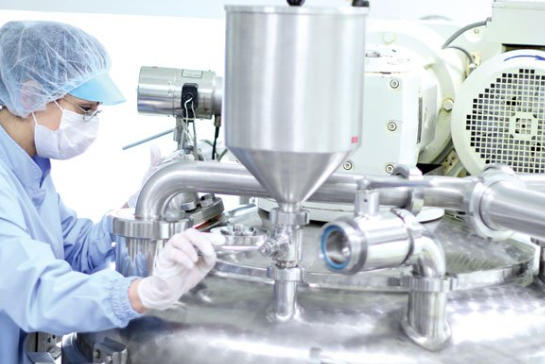
Pharmaceutical equipment validation is the documented act of proving that any equipment used in manufacturing, processing, filling, or packaging consistently performs as intended and remains under control throughout its lifecycle. In practice, pharmaceutical equipment validation links user needs, design, installation, operation, and routine performance into a continuous quality management framework.[2][3][4][7]
Regulatory Foundations and Standards
Regulatory bodies require that pharmaceutical equipment be designed, installed, operated, and maintained in a validated state under Good Manufacturing Practice (GMP). Regulations such as FDA 21 CFR Parts 210 and 211, EMA GMP guidelines, and ICH Q8–Q10 emphasize process understanding, lifecycle validation, and data integrity for pharmaceutical equipment.[4][1][2]
GMP guidance also expects written procedures, calibration programs, sanitation controls, and preventive maintenance schedules that support pharmaceutical equipment validation and sustained compliance.[3][5]
The Validation Lifecycle Approach
Modern validation follows a lifecycle model: plan, qualify, monitor, and improve. Pharmaceutical equipment validation is not a one‑time event but a continuum from concept through retirement, with periodic verification and revalidation when changes occur.[8][1][4]
Key lifecycle phases include:
- Concept, risk assessment, and user requirements.
- Design, supplier qualification, and factory acceptance.
- IQ/OQ/PQ qualification in the plant.
- Ongoing monitoring, maintenance, and revalidation.
Step 1: User Requirements and Risk Assessment
User Requirements Specification (URS)
The URS defines what the pharmaceutical equipment must do, under which conditions, and to which quality and regulatory standards. A good URS for pharmaceutical equipment covers capacity, materials of construction, utilities, control strategy, cleaning strategy, alarms, data logging, and integration with upstream and downstream processes.[6][2][4]
Risk-Based Approach
Risk assessment tools (e.g., FMEA) help determine which pharmaceutical equipment functions are critical to product quality and patient safety and therefore require deeper testing and controls. This risk‑based approach focuses validation effort on high‑impact parameters such as temperature uniformity, pressure control, sterile boundary integrity, and water purity.[7][3][4]
Step 2: Design Review and Vendor Qualification
Once URS is defined, the design of pharmaceutical equipment and the competence of the supplier are assessed against user needs and GMP expectations. Vendor audits, design reviews, and evaluation of quality certifications (such as ISO 9001) give confidence that pharmaceutical equipment is engineered and manufactured under robust quality systems.[2][6][7]
For complex systems like purified water preparation units, pure steam generators, multi‑effect distillation stills, and filling or sterilization systems, early design review ensures that layouts, piping slopes, drainability, and automation support pharmaceutical equipment validation and hygienic operation.[4][8]
Step 3: Validation Master Plan (VMP)
The Validation Master Plan is a high‑level document describing the overall approach to validation, including pharmaceutical equipment and utilities. It defines scope, responsibilities, timelines, risk criteria, and links to detailed protocols and standard operating procedures (SOPs).[3][2][4]
A clear VMP for pharmaceutical equipment typically:
- Lists all equipment subject to validation and their criticality.
- Describes IQ/OQ/PQ strategy and acceptance criteria.
- Defines documentation formats and approval workflows.
- Specifies triggers for revalidation and periodic review.[3][4]
Step 4: Installation Qualification (IQ)
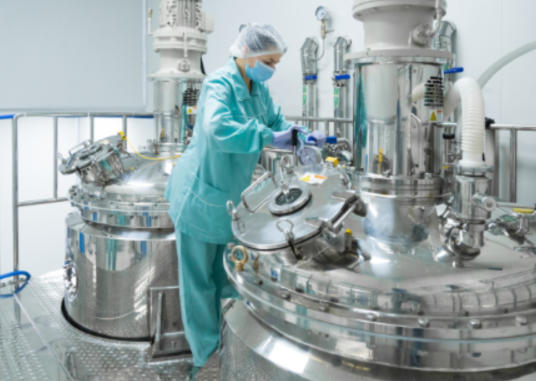
Installation Qualification confirms that pharmaceutical equipment has been delivered, installed, and configured according to approved design and manufacturer recommendations. IQ focuses on “as‑built” verification and documentation essential for traceability and future troubleshooting.[5][2][3]
Typical IQ activities for pharmaceutical equipment:
- Verify equipment nameplate data, model, and serial numbers.
- Confirm installation location, utilities (power, water, steam, compressed air), and environmental conditions meet specifications.
- Check materials of construction in product contact parts (e.g., 316L stainless steel, qualified gaskets).
- Verify correct installation of piping, slopes, drains, and vent filters for water and steam systems.
- Ensure availability of manuals, drawings, software documentation, and spare parts lists.[2][3]
Step 5: Operational Qualification (OQ)
Operational Qualification shows that pharmaceutical equipment operates consistently across defined operating ranges and under worst‑case conditions. During OQ, setpoints, alarms, interlocks, and control logic are challenged to prove that pharmaceutical equipment behaves safely and predictably.[5][2][3]
Typical OQ elements:
- Functional tests of start/stop sequences, modes, and safety systems.
- Challenge of alarms, interlocks, and emergency stop functions.
- Verification of control ranges for parameters like temperature, pressure, flow, agitation speed, and filling volume.
- Mapping studies for chambers and vessels (e.g., temperature distribution in sterilizers and tunnels).
- Calibration checks and confirmation that sensors and instruments meet accuracy requirements.[5][2]
Step 6: Performance Qualification (PQ)
Performance Qualification evaluates pharmaceutical equipment under routine operating conditions using actual product or representative media. PQ demonstrates that the combination of equipment, process parameters, operators, and environment delivers consistent results within predefined specifications.[4][2][3]
For pharmaceutical equipment such as purified water systems, PQ may include:
- Extended sampling of water quality (conductivity, TOC, microbial counts).
- Verification that sanitization cycles maintain control over time.
- Trending and statistical evaluation of critical parameters.[8][4]
For filling, sealing, and sterilization pharmaceutical equipment, PQ can involve:
- Media fills or simulation runs to verify aseptic integrity.
- Dose or volume accuracy studies over multiple lots.
- Sterility assurance and endotoxin verification based on defined acceptance criteria.[8][4]
Cleaning and Sterilization Validation
Cleaning Validation
Cleaning validation demonstrates that residues from products, detergents, or disinfectants are removed from pharmaceutical equipment to safe, predefined limits. Swab and rinse sampling, combined with analytical methods like HPLC or TOC, provide quantitative evidence that cross‑contamination risks are controlled for critical pharmaceutical equipment.[4][8]
Sterilization Validation
Sterilization validation confirms that sterilizers, autoclaves, pure steam generators, and clean‑in‑place (CIP/SIP) pharmaceutical equipment achieve the targeted sterility assurance level. Biological indicators, thermometric mapping, and lethality calculations (e.g., \(F_0\) values) are used to confirm effective microbial inactivation across load configurations and cycles.[8][4]
Computerized Systems and Data Integrity
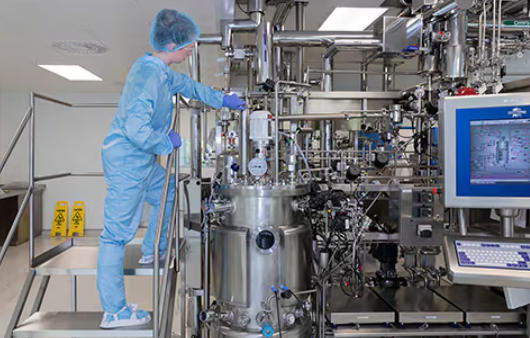
Many modern pharmaceutical equipment systems rely on programmable logic controllers (PLC), SCADA, and data historians. Computerized systems associated with pharmaceutical equipment require their own validation to ensure secure data acquisition, audit trails, electronic signatures, and compliance with 21 CFR Part 11 or similar rules.[1][5][4]
Key expectations include:
- Access control and user role management.
- Audit trails for parameter changes, alarms, and batch records.
- Backup, recovery, and cybersecurity measures.
- Validation of reports, trending tools, and batch review functions.[5][4]
Documentation and Traceability
Comprehensive documentation is central to pharmaceutical equipment validation and audit readiness. Every protocol, test, and deviation must be traceable back to requirements, with clear conclusions on equipment suitability.[2][3][4]
Essential documentation for pharmaceutical equipment includes:
- URS, design specifications, and risk assessments.
- IQ/OQ/PQ protocols with defined acceptance criteria.
- Executed protocols with raw data, calibration certificates, and test results.
- Deviation reports and corrective and preventive actions (CAPA).
- Validation Summary Report (VSR) consolidating evidence and approval for use.[3][4]
Change Control, Revalidation, and Lifecycle Management
Pharmaceutical equipment does not remain static: components are replaced, software is upgraded, and processes are optimized. A formal change control system evaluates the impact of changes on validated status, controls implementation, and determines whether partial or full revalidation is required.[3][4][8]
Lifecycle management for pharmaceutical equipment typically covers:
- Scheduled preventive maintenance and calibration.
- Periodic review of performance data and deviations.
- Risk‑based requalification or revalidation after major changes or recurring issues.
- Controlled retirement or decommissioning with proper documentation.[4][8]
Special Considerations for Water and Steam Systems
Purified Water Systems
Purified water systems are critical pharmaceutical equipment because water is often a major component in non‑sterile and sterile products. Validation of purified water preparation and distribution covers pretreatment, reverse osmosis, deionization, storage, and loop circulation, focusing on microbial control, endotoxin limits, and chemical purity.[8][4]
Important features for validated water pharmaceutical equipment:
- Hygienic design, proper slopes, and drainability.
- Continuous circulation to minimize dead legs.
- Sanitization strategies (thermal, chemical, or ozone).
- Trending of key parameters such as temperature, flow, conductivity, and TOC.[4][8]
Pure Steam and Distillation Systems
Pure steam generators and multi‑effect distillation units are pharmaceutical equipment designed to provide high‑purity steam and water for injection (WFI) applications. Validation confirms that these pharmaceutical equipment systems consistently meet pharmacopeial specifications, maintain sterile boundaries, and integrate with sterilizers, lyophilizers, and other critical equipment.[8][4]
Integration with Process Validation
While equipment validation focuses on the capability of pharmaceutical equipment, process validation demonstrates that the overall manufacturing process produces products meeting critical quality attributes. Both are intertwined: qualified pharmaceutical equipment supports robust process design, while process data confirm that the equipment and process together remain under control.[9][1][4]
FDA's three‑stage process validation model—process design, process qualification, and continued process verification—relies heavily on well‑validated pharmaceutical equipment for reliable operation and data collection.[9][1]
Training and Human Factors
Even the most advanced pharmaceutical equipment can fail to deliver consistent quality if operators are not trained and procedures are unclear. Validation programs therefore include training records, competency assessments, and clear SOPs for start‑up, shutdown, cleaning, troubleshooting, and emergency response.[7][3][8]
Human factors considerations for pharmaceutical equipment:
- Intuitive user interfaces and clear alarm messages.
- Ergonomic design to reduce errors and contamination risk.
- Clear labeling of valves, lines, and critical components.[6][7]
Common Pitfalls and How to Avoid Them
Several recurring issues can undermine pharmaceutical equipment validation if not proactively addressed.[3][8]
Typical pitfalls:
- Vague URS and incomplete risk assessments lead to gaps in testing.
- Poorly defined acceptance criteria in IQ/OQ/PQ protocols.
- Inadequate integration of cleaning, sterilization, and computerized system validation.
- Weak change control that fails to trigger necessary revalidation.
- Insufficient trending and review of performance data over time.[3][4]
Mitigation strategies include cross‑functional review of documents, use of traceability matrices, periodic internal audits, and continuous improvement based on deviations and inspection findings.[7][4]
Why Strong Validation Matters for Everheal
For a company like Everheal that supplies purified water preparation systems, pure steam generators, multi‑function distillation equipment, liquid filling and sealing machines, and sterilization systems, robust pharmaceutical equipment validation is both a regulatory requirement and a competitive advantage. Demonstrating that Everheal pharmaceutical equipment complies with global GMP standards, supports reliable product quality, and integrates smoothly into customers' validation programs builds trust and supports long‑term partnerships.[7][2][8]
Everheal can leverage a standardized validation package for each major class of pharmaceutical equipment, including predefined IQ/OQ/PQ protocols, FAT/SAT options, and detailed documentation sets, while still tailoring acceptance criteria to specific customer processes and regulatory markets.[6][4]
Conclusion
Effective validation of pharmaceutical equipment is a structured, lifecycle‑based discipline that starts with clear user requirements and risk assessment and continues through design review, IQ/OQ/PQ qualification, and long‑term monitoring. Pharmaceutical equipment validation integrates cleaning, sterilization, computerized systems, and data integrity into one coherent quality framework supported by strong documentation and change control. When executed well, pharmaceutical equipment validation enables manufacturers and solution providers like Everheal to deliver safe, consistent, and compliant medicines while passing inspections with confidence and optimizing operational performance.[1][2]
FAQ
1. What are the main stages of pharmaceutical equipment qualification?
The main stages of pharmaceutical equipment qualification are Installation Qualification (IQ), Operational Qualification (OQ), and Performance Qualification (PQ), which together demonstrate correct installation, reliable operation, and consistent performance under routine conditions.[2][5]
2. How often should pharmaceutical equipment be revalidated?
Pharmaceutical equipment should be revalidated after significant changes, repeated deviations, or maintenance that could affect performance, and at periodic intervals defined by a risk‑based strategy and company procedures aligned with regulatory expectations.[8][3]
3. What documents are essential for pharmaceutical equipment validation?
Essential documents include the Validation Master Plan, URS, design specifications, risk assessments, IQ/OQ/PQ protocols, executed test records, calibration certificates, deviation and CAPA reports, and a Validation Summary Report officially releasing the pharmaceutical equipment for use.[2][4]
4. How does cleaning validation relate to pharmaceutical equipment?
Cleaning validation is a focused component of pharmaceutical equipment validation that proves cleaning procedures can reliably remove product residues, cleaning agents, and contaminants to predefined safe limits, thereby preventing cross‑contamination between batches or products.[4][8]
5. Why is data integrity so critical for pharmaceutical equipment validation?
Data integrity is crucial because regulators require that all records generated by pharmaceutical equipment and associated computerized systems be accurate, complete, attributable, and tamper‑resistant, forming trustworthy evidence that processes are validated and under control throughout the lifecycle.[1][4]
Citations:
[1](https://www.fda.gov/files/drugs/published/Process-Validation--General-Principles-and-Practices.pdf)
[2](https://www.labmanager.com/introduction-to-pharmaceutical-equipment-validation-34136)
[3](https://dicksondata.com/pharmaceutical-validation-6-principles-for-effective-implementation)
[4](https://pharmuni.com/2025/09/26/the-ultimate-equipment-validation-guide-for-2026/)
[5](https://www.thefdagroup.com/blog/a-basic-guide-to-iq-oq-pq-in-fda-regulated-industries)
[6](https://www.linkedin.com/pulse/comprehensive-guide-equipment-qualification-sandy-luo-jahyc)
[7](https://safetyculture.com/topics/equipment-validation)
[8](https://www.ellab.com/blog/why-and-when-you-need-equipment-validation-a-complete-guide/)
[9](https://www.thefdagroup.com/blog/process-validation-pharmaceutical-industry)


