Content Menu
● What Is a Washable Air Filter?
● Why Cleaning Washable Air Filters Is Important
>> Key benefits of cleaning include:
● Tools and Materials Needed
● Step-by-Step Guide: How To Clean a Washable Air Filter
>> Step 1: Turn Off the System
>> Step 2: Remove the Filter
>> Step 3: Pre-Clean the Filter
>> Step 4: Prepare the Cleaning Solution
>> Step 5: Wash the Filter
>> Step 6: Rinse Thoroughly
>> Step 7: Disinfect (Optional)
>> Step 8: Dry the Filter
>> Step 9: Reinstall the Filter
● How Often Should You Clean a Washable Air Filter?
● Common Mistakes to Avoid
● When to Replace a Washable Air Filter
● Applications in Pharmaceutical and Industrial Environments
● Tips for Extending Filter Life
● Conclusion
● FAQ About Washable Air Filters
>> (1) How do I know if my air filter is washable?
>> (2) Can I use soap or detergent when cleaning?
>> (3) How long should I let the filter dry before reinstalling?
>> (4) Do washable air filters affect airflow or system pressure?
>> (5) How many times can a washable air filter be reused?
Keeping your washable air filter clean is essential to ensure optimal air quality, energy efficiency, and equipment longevity. Whether you're maintaining HVAC filters, industrial cleanroom systems, or pharmaceutical-grade filtration units, proper cleaning practices make a significant difference in system performance and hygiene. This article will guide you through the essential steps, techniques, and safety considerations for cleaning a washable air filter effectively.
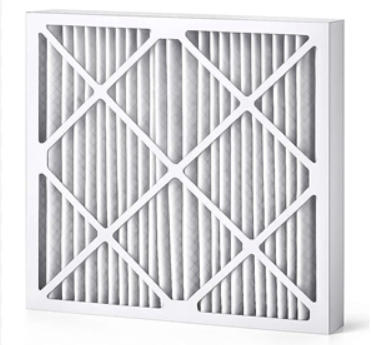
What Is a Washable Air Filter?
A washable air filter is a reusable filtration device that can be cleaned and reused multiple times instead of being discarded after use. Unlike disposable filters, these are typically made from durable materials such as aluminum mesh, foam, or synthetic fibers, often supported by a metal frame.
They are common in residential HVAC systems, industrial ventilation, and pharmaceutical cleanrooms, where air purity is critical. The washable design helps reduce maintenance costs and supports sustainability by limiting filter waste.
Why Cleaning Washable Air Filters Is Important
Regular maintenance of washable air filters ensures continuous airflow, efficient performance, and reduced energy consumption. Over time, dust, oil mist, and airborne contaminants accumulate within the filter mesh. If ignored, this buildup increases system pressure and lowers efficiency.
Key benefits of cleaning include:
- Improved air quality – Reduces allergens, microorganisms, and particulate matter.
- Energy savings – Clean filters allow unrestricted airflow, reducing power usage.
- Extended lifespan – Regular washing prevents clogging and premature degradation.
- Compliance with standards – In industrial and pharmaceutical applications, consistent cleaning meets GMP and ISO sanitation requirements.
- Reduced equipment wear – Clean filters prevent strain on fans, blowers, and chillers.
Tools and Materials Needed
Before you start cleaning your washable air filter, prepare the proper equipment. Having the right tools prevents damage and ensures thorough cleaning.
- Soft brush or vacuum cleaner
- Mild detergent or neutral pH cleaning solution
- Bucket with warm water
- Non-abrasive sponge or cloth
- Low-pressure water hose or spray bottle
- Antimicrobial disinfectant (for sterile environments)
- Gloves and safety goggles
Step-by-Step Guide: How To Clean a Washable Air Filter
Cleaning a washable air filter properly involves removing dust, washing with the right solution, rinsing, drying, and reinstalling. Follow these steps carefully to maintain filtration quality and durability.
Step 1: Turn Off the System
Safety first. Always switch off the HVAC or air handling system before removing the filter. Disconnect power to avoid fan activation or accidental suction during maintenance.
Step 2: Remove the Filter
Gently remove the washable air filter from its housing. Avoid shaking it roughly to prevent releasing trapped dust particles into the air. If you are working in a pharmaceutical or cleanroom environment, follow cleanroom gowning and containment procedures.
Step 3: Pre-Clean the Filter
Before washing, use a vacuum cleaner or soft brush to remove loose dust and debris. This step minimizes the contamination of your wash water and reduces washing time.
Step 4: Prepare the Cleaning Solution
Fill a bucket or container with warm water (about 40°C) and add a mild detergent. Avoid strong chemicals or bleach, as they can damage filter fibers. For pharmaceutical-grade filters, use an approved detergent validated for GMP cleaning protocols.
Step 5: Wash the Filter
Submerge the filter in the cleaning solution and gently agitate it. If the filter is heavily soiled, use a soft sponge to rub away contaminants. For aluminum mesh filters, light scrubbing is effective, but do not bend or twist the material.
Step 6: Rinse Thoroughly
Rinse the filter under low-pressure running water. Ensure all soap residues are eliminated, as remaining detergent can attract more dust and reduce airflow efficiency. Always rinse in the opposite direction of airflow to push out trapped particles.
Step 7: Disinfect (Optional)
If you use the washable air filter in cleanrooms, pharmaceutical manufacturing areas, or medical environments, apply an approved disinfectant or sanitizing solution after rinsing. This step ensures microbial control and prevents cross-contamination.
Step 8: Dry the Filter
Allow the filter to air dry completely before reinstalling it. Place it vertically to promote drainage. Do not use direct sunlight, heaters, or blow dryers, as excessive heat may warp or damage the filter materials.
Step 9: Reinstall the Filter
When the filter is fully dry, carefully reinstall it into the system. Check for correct positioning and sealing. Ensure that airflow direction aligns with the manufacturer's markings. Turn the system back on and inspect for proper operation.
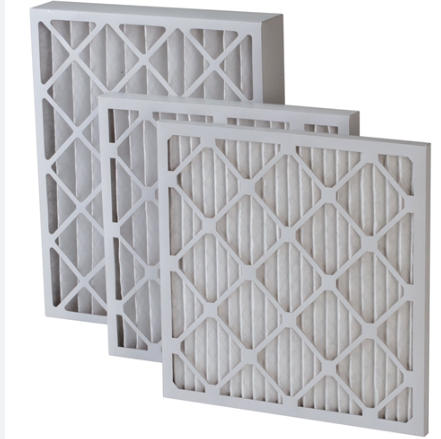
How Often Should You Clean a Washable Air Filter?
Cleaning frequency depends on the environment, system usage, and type of filter.
- Residential HVAC: Every 1–3 months.
- Industrial or manufacturing systems: Every week or as required by maintenance protocol.
- Pharmaceutical cleanrooms: According to GMP standards, often after each production batch or at specified intervals.
A good rule of thumb is to inspect filters monthly and clean them whenever a visible layer of dust appears.
Common Mistakes to Avoid
1. Using harsh detergents: Strong chemicals can degrade the filter's media or coating.
2. Applying high-pressure water: This may tear or deform the mesh.
3. Skipping drying steps: Reinstalling a moist filter promotes mold and bacteria growth.
4. Ignoring cleaning frequency: Overloaded filters lead to higher energy costs.
5. Forgetting safety gear: Gloves and goggles protect you from contaminants and chemicals.
When to Replace a Washable Air Filter
Even though washable filters are reusable, they don't last forever. Typically, a good-quality washable air filter can endure 5–10 years of use depending on material quality and maintenance habits. Replace your filter if:
- The frame is bent or corroded.
- Filter mesh has holes or tears.
- Airflow remains weak even after thorough cleaning.
- Visible mold or odor persists after drying.
Regular inspection ensures you maintain a balance between reusability and performance.
Applications in Pharmaceutical and Industrial Environments
In sectors such as pharmaceutical processing, food manufacturing, and biotechnology, maintaining sterile air environments is critical. Washable air filters are preferred for:
- Air handling units (AHUs) in cleanrooms.
- Pure steam generation systems.
- Distilled water systems and sterilizers.
- Filling and sealing machine enclosures.
Everheal, as a dedicated supplier of pharmaceutical machinery, integrates washable filtration solutions into full factory setups — combining system design, cleanroom engineering, and regulatory compliance to help clients maintain consistent purity levels.
Tips for Extending Filter Life
- Label filters with their cleaning dates.
- Store spare clean filters for easy replacement.
- Follow manufacturer recommendations for detergent type.
- Inspect sealing gaskets regularly.
- Keep the surrounding duct or housing clean.
Consistent care will reduce operational cost and ensure that your air filtration system performs efficiently throughout its lifetime.
Conclusion
A washable air filter offers an eco-friendly, cost-effective, and efficient solution to maintain air purity across different industries — from residential HVAC units to high-grade pharmaceutical facilities. Regular cleaning not only improves performance but also ensures compliance with hygiene standards and environmental sustainability.
Following the correct cleaning techniques, avoiding harsh chemicals, and observing drying protocols ensure your filter keeps the air system running smoothly for years. By maintaining your washable air filters properly, you safeguard both your equipment and indoor air quality.
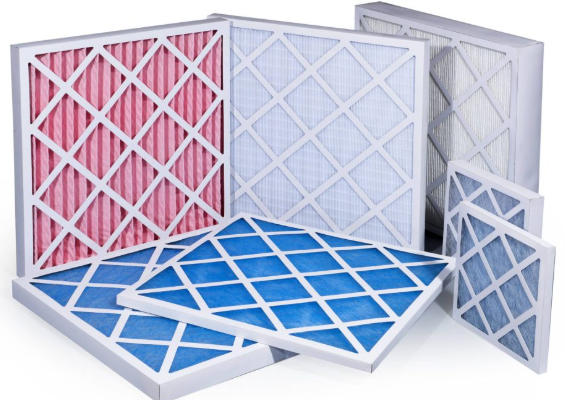
FAQ About Washable Air Filters
(1) How do I know if my air filter is washable?
Check the manufacturer's label or manual. A washable air filter is typically made from durable materials (metal mesh or synthetic fibers) and explicitly marked as “reusable” or “washable.”
(2) Can I use soap or detergent when cleaning?
Yes, but only mild or neutral pH detergents. Avoid bleach, solvents, or strong chemicals that can damage the filter media and reduce efficiency.
(3) How long should I let the filter dry before reinstalling?
Allow at least 12–24 hours for complete air drying. Ensure no dampness remains to prevent mold formation.
(4) Do washable air filters affect airflow or system pressure?
A clean washable air filter maintains proper airflow. However, if it becomes clogged or improperly installed, system pressure may rise, reducing performance.
(5) How many times can a washable air filter be reused?
A high-quality washable air filter can last between 5 and 10 years with proper care, depending on the operating environment and frequency of cleaning.


