Content Menu
● Understanding Washable Air Filters
● Why Cleaning Washable Air Filters Matters
● Tools and Materials Needed
● Step-by-Step: How To Clean A Washable Air Intake Filter
>> Step 1: Turn Off and Remove the Filter
>> Step 2: Pre-Clean by Removing Loose Dust
>> Step 3: Prepare the Cleaning Solution
>> Step 4: Wash the Filter Thoroughly
>> Step 5: Rinse with Clean Water
>> Step 6: Dry the Filter Completely
>> Step 7: Inspect and Reinstall
● Frequency of Cleaning
● Tips for Long-Term Maintenance
● Common Mistakes to Avoid
● Environmental and Cost Benefits
● Conclusion
● FAQ
>> 1. How often should a washable air filter be cleaned?
>> 2. Can I use regular tap water to wash my air filter?
>> 3. What happens if a washable air filter is not cleaned regularly?
>> 4. Are washable air filters suitable for all HVAC systems?
>> 5. How long can a washable air filter last?
Maintaining clean air filters is a critical part of ensuring the performance and longevity of industrial and pharmaceutical equipment. One important component across HVAC systems, air purification units, and large-scale production machinery is the washable air filter. Unlike disposable filters, these can be cleaned and reused, providing both economic and environmental benefits.
This article will explain how to clean a washable air intake filter step by step, why it is essential to your operation, and how to maintain peak filtration efficiency in the long run.

Understanding Washable Air Filters
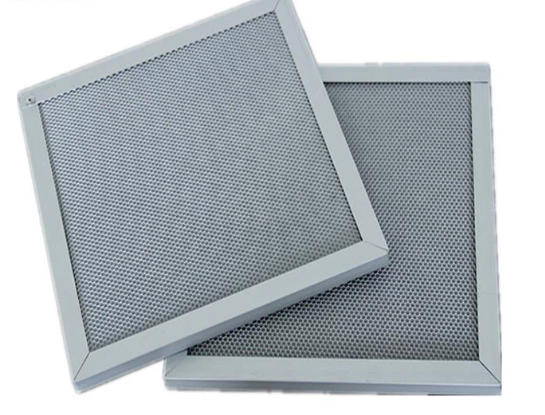
A washable air filter, sometimes called a reusable or permanent air filter, is designed to trap airborne dust, particulates, and contaminants while allowing sufficient air intake for cooling or ventilation. Unlike conventional fiberglass filters, washable filters are usually made of aluminum mesh, stainless steel, or electrostatic materials that can withstand repeated washing and drying cycles.
These filters are commonly used in:
- Pharmaceutical manufacturing cleanrooms
- Industrial ventilation systems
- HVAC systems for large buildings
- Air purification systems in laboratories and hospitals
- Food and beverage processing facilities
When properly maintained, a washable air filter can last several years, making it a cost-effective and sustainable choice for industries that demand clean air processing conditions.
Why Cleaning Washable Air Filters Matters
Cleaning your washable air filter regularly ensures:
- Efficient airflow: Clogged filters restrict air movement, increasing system pressure and energy consumption.
- Contaminant control: Clean filters prevent dust, bacteria, and particles from entering your production area.
- Improved equipment lifespan: Engines, compressors, and purification systems perform better when their intake air remains unobstructed.
- Cost savings: Maintaining reusable filters reduces the need for frequent replacements and waste disposal.
For industries like pharmaceuticals, where sterility and air purity are critical, periodic filter maintenance is not just recommended but necessary for compliance with GMP (Good Manufacturing Practice) standards.
Tools and Materials Needed
Before cleaning begins, prepare the following materials:
- Clean water (preferably deionized or distilled water for sterile environments)
- Mild detergent or filter cleaning solution
- Soft brush or low-pressure spray nozzle
- Gloves and safety goggles
- Drying rack or clean compressed air source (optional for industrial cleaning)
Always ensure that cleaning agents used are non-corrosive and non-reactive with the washable air filter material—especially in pharmaceutical or food-grade applications.
Step-by-Step: How To Clean A Washable Air Intake Filter
Cleaning a washable air filter follows a systematic approach to remove all trapped debris, while preserving filter integrity.
Step 1: Turn Off and Remove the Filter
Before beginning any maintenance, switch off the equipment or system connected to the air intake. Carefully open the housing section where the washable air filter is located. Gently remove it to avoid dislodging contaminants into the clean area.
Inspect the filter visually to determine the level of dirt accumulation. If the filter appears damaged—such as broken mesh, deformed frames, or holes—it should be replaced rather than cleaned.
Step 2: Pre-Clean by Removing Loose Dust
Use a low-pressure compressed air source or gently tap the filter on a soft surface to remove loose dust and debris. This initial dry cleaning step prevents excess dirt from saturating the wash water.
For washable filters installed in pharmaceutical clean areas, perform this step in an isolated pre-cleaning room or under a ventilation hood to prevent recontamination.
Step 3: Prepare the Cleaning Solution
Fill a large basin or cleaning tank with warm water (around 30–40°C). Add a mild, pH-neutral detergent suitable for washable air filters. Avoid strong acids, alkalis, or solvents that can degrade metal mesh or rubber gaskets.
Mix the solution gently until the detergent is fully dissolved. If your facility integrates automated washing systems, ensure the programmed cycle conforms with your filter's manufacturer cleaning parameters.
Step 4: Wash the Filter Thoroughly
Place the washable air filter in the cleaning tank. Submerge it completely and agitate lightly to dislodge embedded contaminants. Let it soak for 10–15 minutes depending on contamination levels.
Use a soft brush or spray nozzle to clean the surface, moving in the direction of airflow. Avoid excessive mechanical force, as it may bend the mesh or damage filter coatings. For pharmaceutical or cleanroom filters, ensure all residues and biological particles are completely removed.
Step 5: Rinse with Clean Water
After washing, rinse the washable air filter thoroughly with clean deionized water. Continue rinsing until the water runs clear, ensuring that no detergent residues remain. Detergent traces may interfere with airflow resistance and contaminate critical production zones.
If possible, use a low-pressure rinse system or a sterile water supply for high-standard production environments like biopharmaceutical facilities.
Step 6: Dry the Filter Completely
Shake off excess water and place the filter on a drying rack in a clean area. Allow it to air dry completely before reinstallation. For faster drying, use low-temperature clean air (below 40°C) or a gentle airflow chamber.
Never reinstall a damp washable air filter, as retained moisture can lead to mold growth or compromise system air purity. For pharmaceutical operations, monitor drying areas to maintain compliance with cleanroom humidity standards.
Step 7: Inspect and Reinstall
Once dry, inspect the washable air filter carefully. Check for:
- Warping or deformation
- Mesh loosening
- Persistent stains or odor
- Frame cracks
If the filter is intact and visibly clean, reinstall it in the air intake slot. Secure it firmly and ensure the airflow arrow (if present) is positioned correctly. Finally, start the system and verify normal pressure readings.
Frequency of Cleaning
The cleaning interval for washable air filters depends on the environment and system usage:
| Application | Recommended Cleaning Schedule |
| Pharmaceutical cleanrooms | Every 2–4 weeks |
| Industrial production lines | Monthly or based on operating hours |
| HVAC for offices or hospitals | Every 1–2 months |
| Heavy dust environments | Every 1–2 weeks |
| Sterile process systems | After each production cycle |
Always follow the manufacturer's recommendations. Overly aggressive cleaning or too frequent washing might wear out the filter prematurely.
Tips for Long-Term Maintenance
- Label each filter unit with its last cleaning date to maintain proper records.
- Use spare washable air filters to alternate during cleaning, avoiding downtime.
- Avoid high-pressure cleaning which may bend or detach mesh layers.
- Inspect housing seals to prevent air bypassing the filtration system.
- Integrate cleaning into preventive maintenance schedules for consistency and GMP compliance.
In high-purity industries, establishing a Standard Operating Procedure (SOP) for washable air filter maintenance is essential. This ensures repeatable performance and compliance with internal and regulatory quality systems.
Common Mistakes to Avoid
Even the best washable air filter will fail early if handled incorrectly. Avoid these common errors:
- Using strong solvents or alcohol-based cleaners.
- Skipping the rinse stage.
- Drying with excessively hot air (>60°C).
- Reinstalling filters before they are completely dry.
- Ignoring pressure drop readings after cleaning.
By following proper cleaning and inspection routines, you can extend the life of your washable air filter and guarantee efficient system performance.
Environmental and Cost Benefits
Reusable washable air filters reduce industrial waste significantly. Instead of discarding thousands of single-use filters each year, companies can reuse a single filter over 5–10 years with proper maintenance. This reduces operational costs, environmental impact, and storage needs for spare parts.
Moreover, in clean industries—such as pharmaceuticals, biotechnology, and healthcare—the reduced particle emission from a well-maintained washable air filter directly contributes to better indoor air quality and safer working conditions.
Conclusion
A washable air filter is a smart, eco-friendly, and cost-effective solution for maintaining clean air in industrial and pharmaceutical systems. However, its performance depends entirely on proper cleaning and maintenance practices. By following the steps outlined above—disconnecting, pre-cleaning, soaking, rinsing, drying, and inspection—you can ensure your air intake systems continue running at peak efficiency.
Routine cleaning not only prevents contamination but also aligns your operation with international air quality and production standards. Investing time in maintaining your washable air filters means investing in reliability, compliance, and sustainability.

FAQ
1. How often should a washable air filter be cleaned?
The frequency depends on your operating environment. In a standard HVAC system, clean it every one to two months, while in pharmaceutical or heavy-duty industrial systems, every 2–4 weeks is recommended to maintain consistent filtration quality.
2. Can I use regular tap water to wash my air filter?
Yes, for general industrial use, tap water is fine. But for sterile or pharmaceutical applications, deionized or distilled water is recommended to avoid mineral residue or microbial contamination on the filter surface.
3. What happens if a washable air filter is not cleaned regularly?
Dust buildup reduces airflow, increases energy consumption, and could cause system overheating. In precision environments, unclean filters can compromise product safety and violate GMP standards.
4. Are washable air filters suitable for all HVAC systems?
Not always. Washable air filters are ideal for systems designed to handle reusable components. Always check your system's specifications before switching from disposable filters.
5. How long can a washable air filter last?
With proper cleaning and care, most washable air filters can last up to 5–10 years, depending on material quality and usage conditions. Regular inspection is essential to identify wear and prevent performance issues.


