Content Menu
● Understanding Distilled Water
>> How Distillation Works
● The Role of Water in Espresso Quality
>> Key Water Parameters for Espresso
● Can You Use Distilled Water in an Espresso Machine?
>> Potential Problems with Distilled Water
● Benefits of Using Distilled Water Machines for Espresso Preparation
>> 1. Precision Purification
>> 2. Scale-Free Equipment Operation
>> 3. Consistent Water Quality Across Locations
>> 4. Controlled Remineralization
● How to Remineralize Distilled Water for Espresso
● Comparing Distilled, Filtered, and Tap Water
● The Role of Distillation Water Machines in Modern Coffee Shops
● Maintenance Benefits for Espresso Machines
>> Highlights:
● When Distilled Water Might Be Useful
● Best Practices for Using Distilled Water in Coffee Applications
● Sustainable Aspects of Distillation Water Machines
>> Energy-Saving Features
● Conclusion
● FAQ: Common Questions About Distilled Water and Espresso
>> 1. Is it safe to use distilled water in all espresso machines?
>> 2. How can I improve the taste of espresso brewed with distilled water?
>> 3. Does distilled water prevent limescale buildup completely?
>> 4. Can I use water from a distillation machine directly for espresso brewing?
>> 5. What's the difference between distilled and reverse osmosis (RO) water?
Making a perfect cup of espresso involves more than just premium beans and a quality espresso machine — the water you use plays a significant role in flavor and machine longevity. Many espresso enthusiasts and café owners wonder: Can you use distilled water in an espresso machine? The answer isn't straightforward, but understanding how water chemistry affects brewing and machine performance will help you make an informed decision.
In this article, we will explore the pros and cons of using distilled water, how it compares to other types of water, and how a Distillation Water Machine can produce the ideal water for coffee applications.
Understanding Distilled Water
Distilled water is created through a purification process known as distillation, where water is boiled to produce steam and then condensed back into liquid form. This process removes minerals, salts, and most impurities, leaving behind pure H₂O.
How Distillation Works
The distillation process typically follows these steps:
1. Water is heated until it turns into steam.
2. The steam rises and travels through a cooling chamber.
3. As it cools, the steam condenses back into purified water.
4. Contaminants, minerals, and heavy metals remain in the original boiling chamber.
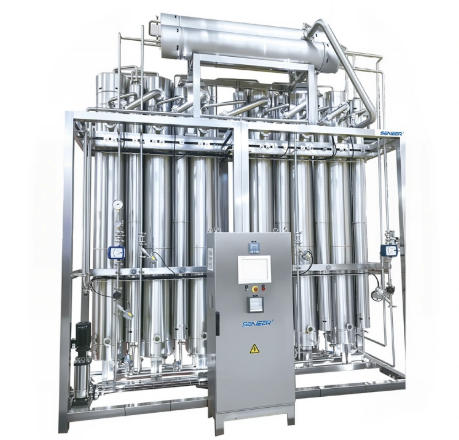
A Distillation Water Machine automates this process. Modern systems, such as those developed by Everheal, include stainless-steel boiling chambers, condensers, and integrated control systems for consistent purity.
Distillation is widely used in pharmaceutical, laboratory, and beverage production fields, and it's gaining traction among coffee enthusiasts who want unparalleled water purity.
The Role of Water in Espresso Quality
Water makes up over 90% of a cup of espresso, meaning even small changes in water chemistry can drastically affect taste and texture. Espresso machines also rely on water quality for internal performance — the wrong kind of water can lead to scaling, corrosion, or poor extraction.
Key Water Parameters for Espresso
- Hardness: The amount of dissolved calcium and magnesium ions.
- Alkalinity: The buffering capacity that affects acidity.
- pH Level: Ideally between 6.5 and 7.5.
- TDS (Total Dissolved Solids): The total amount of minerals in water, usually between 75–250 mg/L for optimal espresso flavor.
Distilled water, with zero TDS, may seem ideal because it prevents scale formation, but complete mineral absence can actually cause other problems.
Can You Use Distilled Water in an Espresso Machine?
The short answer: It's not recommended to use pure distilled water for espresso machines. Let's break down why.
Potential Problems with Distilled Water
1. No Minerals = Flat Taste
Espresso flavor depends on the extraction of coffee solubles, and minerals like magnesium and calcium help draw out aromatic compounds. Without these minerals, espresso can taste dull or “empty.”
2. Risk of Sensor Malfunction
Some espresso machines (particularly automatic or high-end models) rely on electrical conductivity sensors to monitor water levels or detect scale. Distilled water lacks conductivity, which can confuse machine sensors — leading to errors or system shutdowns.
3. Corrosion Issues
Pure water is slightly aggressive; it tries to absorb minerals from its surroundings. In a metal heating chamber or boiler, distilled water can accelerate corrosion, especially if materials aren't designed for ultra-pure water exposure.
4. Overly Soft Water
Water that's too soft can alter pressure and extraction consistency, affecting crema and balance in the espresso shot.
Benefits of Using Distilled Water Machines for Espresso Preparation
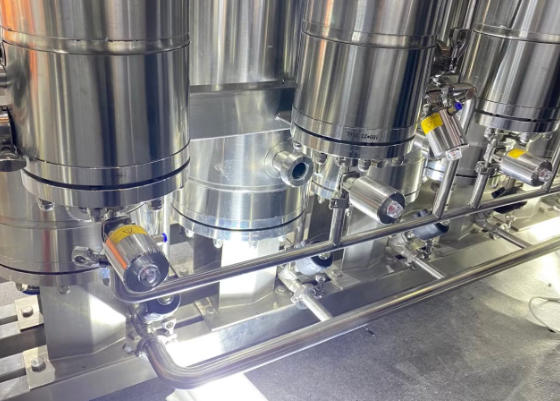
Although directly using distilled water might not be ideal, using a Distillation Water Machine as part of your water preparation system offers distinct advantages. With a little mineral adjustment, you can turn distilled water into the perfect espresso base.
1. Precision Purification
Distillation removes chlorine, heavy metals, bacteria, and organic contaminants that could produce unpleasant flavors or damage your machine.
By starting with water purified by a Distillation Water Machine, you gain full control over your water composition before adding back ideal minerals for espresso brewing.
2. Scale-Free Equipment Operation
Lime scale buildup is among the biggest maintenance concerns in espresso machines. Using water from a Distillation Water Machine, you can eliminate this issue entirely — leading to longer equipment lifespan and less frequent descaling.
3. Consistent Water Quality Across Locations
If your café operates in multiple regions or countries, local tap water quality varies drastically. A Distillation Water Machine ensures uniform purity, enabling consistent espresso flavor across all outlets.
4. Controlled Remineralization
Coffee professionals often "remineralize" distilled water by adding calcium and magnesium back in precise amounts. This method guarantees optimal flavor extraction and reduces maintenance problems.
You can mix distilled water with a concentrated mineral solution or use a cartridge system that reintroduces minerals automatically during refilling.
How to Remineralize Distilled Water for Espresso
If you opt to use distilled water from a Distillation Water Machine, remineralization restores the ideal balance between purity and flavor.
Here's how professionals do it:
1. Prepare the Base Water: Collect purified water from your Distillation Water Machine.
2. Add Minerals: Use commercially available mineral concentrates designed for coffee brewing (such as “Third Wave Water”) or create your own using food-grade magnesium sulfate (Epsom salt) and calcium chloride.
3. Check TDS Level: Aim for about 100 ppm (mg/L) total dissolved solids.
4. Test Taste and Texture: Brew a small batch and adjust mineral ratios according to taste preference.
This method allows total control over your espresso water chemistry while protecting your machine from scaling or corrosion.
Comparing Distilled, Filtered, and Tap Water
| Type of Water | Purity Level | Scaling Risk | Flavor Result | Machine Safety |
| Distilled Water | Highest | None | Flat, needs remineralization | May cause corrosion if pure |
| Filtered Water | Moderate | Low to Medium | Balanced, depends on location | Generally safe |
| Tap Water | Variable | High | Inconsistent, may taste metallic | Risk of scale buildup |
Distilled water from a Distillation Water Machine gives you total purity, but it needs adjustment for taste. Filtered water is safer for beginners but still requires occasional descaling.
The Role of Distillation Water Machines in Modern Coffee Shops
Many professional coffee shops, hotels, and factories incorporate Distillation Water Machines as part of their water management system.
For instance, in pharmaceutical and food industries, distilled water is crucial for cleanliness and consistency — exactly the same qualities needed in premium beverage production.
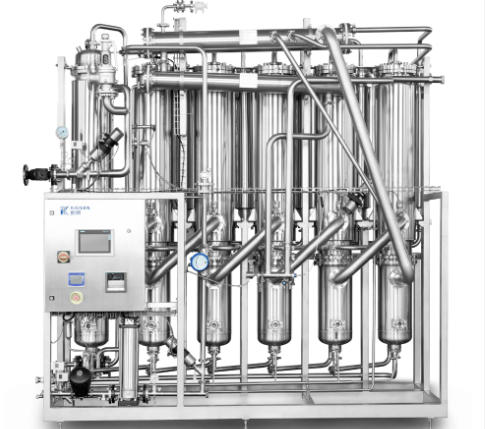
At Everheal, our multi-effect Distillation Water Machines and pure steam generators have been adapted for establishments requiring both sterile water and scalable automation. When integrated with remineralization systems, these setups deliver the precision and safety espresso equipment demands.
Maintenance Benefits for Espresso Machines
Using properly adjusted distilled water extends your espresso machine's service life significantly.
Highlights:
- Reduced scaling and clogging due to minimal minerals.
- Lower maintenance costs and fewer descaling intervals.
- Stable temperature exchange, improving pressure stability.
- Cleaner internal components, leading to consistent crema and extraction.
A Distillation Water Machine helps you obtain a reliable water base that ensures these benefits with every brew.
When Distilled Water Might Be Useful
Although not ideal for daily espresso brewing, pure distilled water is beneficial in certain situations:
- Machine storage or shipping: Prevents mineral residue during downtime.
- Initial flushing cycles: Removes contaminants before first use.
- Calibration tests: Provides a neutral water baseline during equipment setup.
Best Practices for Using Distilled Water in Coffee Applications
If you still prefer to use distilled water regularly, consider these best practices:
1. Blend with mineral water at a 50:50 ratio for improved flavor and safety.
2. Avoid long-term use in machines with metal boilers unless corrosion-resistant materials (e.g., stainless steel 316) are used.
3. Regularly test TDS levels to maintain mineral balance for extraction.
4. Monitor machine performance — unusual sensor errors might indicate water conductivity issues.
A Distillation Water Machine gives you flexibility to balance these factors, especially in professional brewing environments.
Sustainable Aspects of Distillation Water Machines
Distillation may seem energy-intensive, but modern Distillation Water Machines have evolved significantly.
Energy-Saving Features
- Heat recovery systems reuse residual steam to preheat feedwater.
- Multi-effect distillation reduces power input per liter of output.
- Automated controls optimize energy use based on demand.
Additionally, distilled water systems minimize chemical waste because they eliminate the need for ion-exchange resins and frequent filter replacements. Over time, this provides a cleaner, more sustainable water solution for coffee facilities.
Conclusion
Using distilled water in an espresso machine requires balance. While pure distilled water ensures no mineral buildup, its lack of minerals can result in flat-tasting espresso and potential mechanical issues. The most effective approach is to use a Distillation Water Machine to produce clean base water, then remineralize it for ideal espresso extraction.
By adopting this controlled method, you gain the best of both worlds — consistent flavor, optimal equipment health, and reliable performance for years to come. Whether you're operating a single café or managing a global coffee chain, integrating distillation technology into your setup gives you a competitive edge in both quality and sustainability.
FAQ: Common Questions About Distilled Water and Espresso
1. Is it safe to use distilled water in all espresso machines?
Not entirely. Some espresso machines have sensors that require conductive water. Using pure distilled water may cause these sensors to malfunction. Always check the manufacturer's manual.
2. How can I improve the taste of espresso brewed with distilled water?
Add a remineralization solution containing calcium and magnesium. This enhances flavor extraction and balances acidity, giving your espresso a rich, full body.
3. Does distilled water prevent limescale buildup completely?
Yes. Since distilled water contains no calcium or magnesium, it prevents limescale entirely. However, be cautious — lack of minerals can increase the risk of corrosion in certain metals.
4. Can I use water from a distillation machine directly for espresso brewing?
You can, but it's recommended to remineralize it first. Water from a Distillation Water Machine is excellent as a base, but espresso requires a specific mineral balance for ideal flavor.
5. What's the difference between distilled and reverse osmosis (RO) water?
Distilled water is produced by boiling and condensing steam, while RO water is filtered through a semi-permeable membrane. Both methods remove impurities, but distillation yields purer water — perfect when controlled remineralization is applied.


