


Views: 222 Author: Rebecca Publish Time: 2025-12-27 Origin: Site


Content Menu
● The Growing Pharmaceutical Industry in Kazakhstan
● Importance of Pharmaceutical Equipment in Modern Manufacturing
● Key Players: Pharmaceutical Equipment Manufacturers and Suppliers in Kazakhstan
>> 2. Nobel Almaty Pharmaceutical Factory
>> 4. Karaganda Pharmaceutical Complex
● Technological Trends in Kazakhstan's Pharmaceutical Equipment Market
>> Automation and Digital Control
>> Validation and Compliance Solutions
>> Local Assembly Partnerships
>> Energy Efficiency and Sustainability
● Why Choose Everheal as Your Equipment Partner
● Challenges and Opportunities in Kazakhstan's Market
● The Future Outlook for Kazakhstan's Pharmaceutical Sector
● FAQs
>> 1. What role do pharmaceutical equipment manufacturers and suppliers play in Kazakhstan's industry?
>> 2. Why is Everheal a preferred partner for Kazakh pharmaceutical manufacturers?
>> 3. What are the main types of pharmaceutical equipment required by Kazakh producers?
>> 4. How does automation benefit pharmaceutical manufacturing?
>> 5. What is the future of pharmaceutical equipment supply in Kazakhstan?
Kazakhstan's pharmaceutical industry has undergone rapid modernization in recent years, driven by growing healthcare needs, government support, and strategic investments from both domestic and international players. As the country evolves into a regional pharmaceutical hub for Central Asia, the demand for reliable pharmaceutical equipment manufacturers and suppliers has surged dramatically.
This growth has created remarkable opportunities for advanced technology providers such as Everheal, a Chinese company specializing in high-quality pharmaceutical equipment and integrated production line solutions. In this article, we explore the top pharmaceutical equipment manufacturers and suppliers in Kazakhstan, the industry trends shaping the region, and the technological solutions helping local producers meet GMP standards and global export requirements.
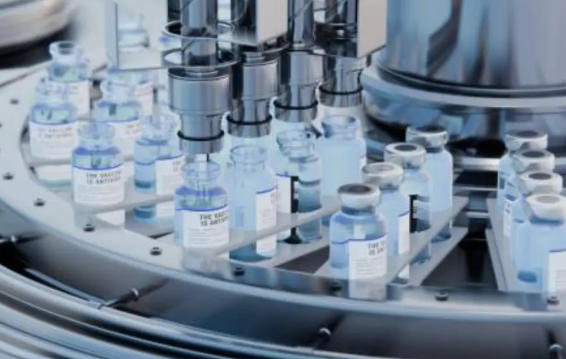
Kazakhstan has positioned itself as a key player in the pharmaceutical and medical device sector of Central Asia. The local manufacturing base, while still developing, is supported by increasing government investment and incentives. According to industrial reports, Kazakhstan aims to raise domestic pharmaceutical production to cover more than 50% of the national demand by the next decade.
Several factors contribute to this upward trend:
- Government Support: The "National Development Plan 2025" promotes the localization of drug production and incentivizes foreign partnerships in pharmaceutical equipment and technology.
- Strategic Location: Kazakhstan serves as a bridge between Europe and Asia, giving manufacturers access to the wider Eurasian market.
- Healthcare Expansion: Rising healthcare expenditure and hospital construction projects stimulate demand for advanced pharmaceutical processing systems.
All these dynamics create fertile ground for pharmaceutical equipment manufacturers and suppliers to offer integrated, efficient, and validated solutions to meet GMP standards.
In the pharmaceutical industry, precision, quality, and validation are non-negotiable. Each stage—from raw water treatment to sterilization and filling—must comply with rigorous international regulations such as EU GMP, WHO GMP, and ISO standards.
Leading pharmaceutical equipment manufacturers and suppliers provide solutions that maintain product purity, safety, and consistency. Advanced technologies include:
- Purified Water Generation Systems: Essential for producing water used in manufacturing, cleaning, and formulation.
- Pure Steam Generators: Used in sterilization and cleaning processes to prevent contamination.
- Multifunctional Distilled Water Machines: Deliver high-purity water suitable for injectable and oral dosage forms.
- Liquid Filling and Sealing Machines: Guarantee accurate filling volumes with aseptic sealing.
- Sterilization Systems: Ensure complete microbial control in pharmaceutical processes.
Each piece of equipment plays a role in maintaining product quality and ensuring that end medicines are safe for patient use.
Kazakhstan hosts a mix of domestic firms, regional distributors, and international equipment providers that work together to support the growing pharmaceutical production sector.
As the largest pharmaceutical producer in Kazakhstan, Chimpharm JSC (also branded as Santo) operates a state-of-the-art manufacturing base in Shymkent. The company collaborates with numerous pharmaceutical equipment manufacturers and suppliers to maintain high-quality standards in its tablet, injectable, and infusion lines.
Nobel AFF, part of the Turkish Nobel group, has a significant footprint in the Kazakh market. The company has invested heavily in modern filling and packaging lines sourced from global manufacturers such as Bosch and GEA. Its commitment to GMP standards sets an example for other local producers.
A joint venture between China's Kelun Pharmaceutical and a local partner, Kelun-Kazpharm leverages advanced Chinese pharmaceutical engineering to produce sterile infusion solutions. Many of the systems used in their facility, such as pure steam generators and purified water equipment, are imported from leading Chinese pharmaceutical equipment suppliers.
Located in central Kazakhstan, this facility manufactures antibiotics and injectable medications. Its modernization program included procurement of new filling, sealing, and sterilizing machinery from international suppliers, including those from Germany and China.
As a specialized pharmaceutical equipment manufacturer and supplier, Everheal provides customized process equipment and full production line solutions for clients in Kazakhstan and across the world. The company's core product portfolio includes:
- Purified water systems
- Pure steam generators
- Multi-effect distilled water machines
- Automatic liquid filling and sealing machines
- Sterilization systems
Everheal also assists customers with factory layout design, validation documentation, and on-site commissioning services, ensuring that each production plant meets global regulatory requirements. The company's strong engineering expertise and affordable pricing make it a trusted partner for Kazakh pharmaceutical producers seeking end-to-end solutions.
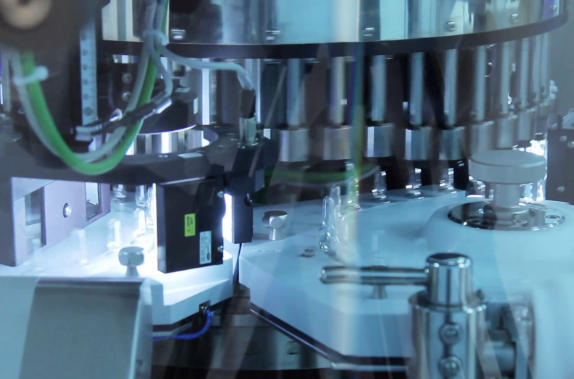
Modern pharmaceutical production in Kazakhstan demands digital integration, energy efficiency, and regulatory compliance. Some of the most influential technological developments include:
Automated systems minimize human error, enhance process repeatability, and allow real-time monitoring of critical parameters. PLC-controlled filling lines and intelligent sterilization systems are now widely adopted.
Pharmaceutical companies in Kazakhstan increasingly adopt systems that come with full validation documentation packages (DQ, IQ, OQ, PQ). This approach simplifies GMP approval processes and ensures traceability.
Some pharmaceutical equipment manufacturers and suppliers from China and Europe have initiated joint ventures for local equipment assembly to reduce import costs and improve maintenance accessibility.
Sustainable production technologies, including heat recovery in distilled water systems and low-energy steam generation, support Kazakhstan's national sustainability goals while reducing operational costs.
As one of the trusted pharmaceutical equipment manufacturers and suppliers, Everheal stands out for its ability to deliver tailor-made, cost-effective solutions. The company offers several competitive advantages:
- Customized Design: Every plant layout and equipment configuration is optimized for maximum efficiency.
- Compliance Expertise: Equipment meets strict international standards including EU GMP, WHO GMP, and USP.
- Turnkey Projects: Everheal provides end-to-end service, from initial design to installation and training.
- Quality Manufacturing: All systems are built with sanitary-grade stainless steel and undergo rigorous quality testing.
- Global Support: A responsive after-sales team provides remote guidance and on-site service in Kazakhstan and other regions.
By aligning equipment design with process optimization, Everheal helps pharmaceutical manufacturers reduce operational risks, improve yields, and achieve faster validation.
While the market outlook is positive, there remain challenges that pharmaceutical equipment manufacturers and suppliers should address. These include:
- Infrastructure Gaps: Logistics and supply chain limitations can slow equipment imports.
- Technical Knowledge: Some local plants need training in advanced automation and maintenance skills.
- Regulatory Adaptation: Harmonization of Kazakhstan's drug manufacturing rules with Eurasian Economic Union standards continues to evolve.
Despite these challenges, the opportunities remain immense. Localizing production, expanding sterile dosage capabilities, and upgrading to digital pharmaceutical systems are among the paths leading to future competitiveness.
The next five years are expected to bring an even greater focus on local production and export potential. With international cooperation from pharmaceutical equipment manufacturers and suppliers like Everheal, Kazakhstan can develop a fully compliant, technology-driven pharmaceutical base capable of meeting regional demands and competing in global markets.
Investments in automation, digital monitoring, and sustainable production methods will strengthen the industry further. More importantly, the integration of Chinese engineering and Kazakhstan's industrial strategy forms a model of manufacturing collaboration in Central Asia.
Kazakhstan's pharmaceutical manufacturing sector is growing rapidly, supported by forward-looking policies, healthcare expansion, and international cooperation. To sustain this momentum, the industry relies heavily on advanced process technologies provided by leading pharmaceutical equipment manufacturers and suppliers around the world.
Everheal, with its strong technical background and commitment to innovation, continues to support Kazakhstan's pharmaceutical development through high-quality equipment, engineering support, and turnkey plant solutions. As the country moves toward self-sufficiency and export capability, partnerships with experienced suppliers like Everheal will remain a cornerstone of progress.
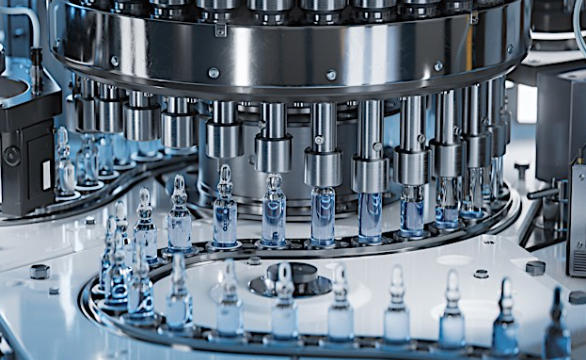
They provide essential machinery, including purified water systems, filling lines, and sterilizers, that support compliant drug production. Their technology enables local companies to meet international GMP and ISO standards.
Everheal offers complete project solutions—from design, equipment supply, and validation to after-sales support—ensuring efficiency and cost-effectiveness throughout the plant lifecycle.
Common systems include pure water generation units, pure steam generators, filling and sealing machines, and sterilization systems. These are vital for maintaining product quality and aseptic processing.
Automation improves accuracy, consistency, and traceability. It minimizes human error, enhances GMP compliance, and ensures reliable process control.
The market will see more local assembly, smart manufacturing integration, and strategic partnerships with global pharmaceutical equipment manufacturers and suppliers focusing on green and digital technologies.


