Content Menu
● How A Washable Air Filter Works
● Cost And Long‑Term Value
● Filtration Efficiency And Air Quality
● Environmental And Sustainability Impact
● Maintenance Requirements And Best Practices
● Lifespan And Durability
● Energy Efficiency And System Performance
● Where Washable Air Filters Fit Best
● Washable Air Filter And High‑Cleanliness Industries
● When Is A Washable Air Filter Truly Worth It?
● Conclusion
● FAQ About Washable Air Filters
>> 1. Is a Washable Air Filter as effective as a HEPA filter?
>> 2. How often should I clean a Washable Air Filter?
>> 3. Can a Washable Air Filter lower my energy bills?
>> 4. Is a Washable Air Filter safe for allergy sufferers?
>> 5. Can I use a Washable Air Filter in a cleanroom or pharmaceutical facility?
● Citations:
A Washable Air Filter is a reusable filtration element made from durable media such as synthetic mesh, metal screens, foam, or cotton gauze, designed to be cleaned and reinstalled instead of thrown away. It appears in HVAC systems, air purifiers, vehicles, and some industrial equipment where users want to balance filtration performance with lower operating costs and waste.[12][13][15][11]
Unlike thin disposable fiberglass or pleated paper filters, a Washable Air Filter is built to survive years of handling and rinsing without collapsing or tearing. Many models use electrostatic effects or layered media to hold dust and debris, then release it when rinsed with water.[3][16][11]
How A Washable Air Filter Works
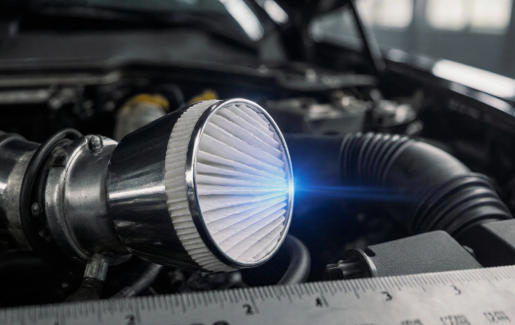
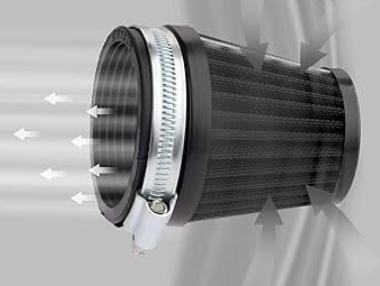
Most washable designs rely on a combination of mechanical and electrostatic filtration. As air passes through, particles collide with fibers or mesh and may also be attracted by small electrostatic charges, causing them to adhere to the filter surfaces.[6][15][16][3]
Because the filter is reusable, the goal is to capture common contaminants (dust, lint, hair, larger pollen) without clogging too quickly, while remaining easy to rinse clean. The frame and media are reinforced so the Washable Air Filter can be removed, washed, and reinstalled many times without losing its shape.[10][3][6]
Cost And Long‑Term Value
One of the strongest arguments that a Washable Air Filter is worth it is total cost of ownership. Although the up‑front price is usually several times higher than that of a basic disposable filter, the washable unit can last for years, replacing dozens of single‑use filters over time.[15][17][11][12]
In a typical home HVAC system, disposable filters are replaced every 1–3 months, which can mean 4–12 filters per year depending on usage and environment. A well‑maintained Washable Air Filter often serves for 5–10 years, so the purchase cost is spread across a long period and many filter cycles. When you add the savings in packaging, shipping, and emergency trips to buy replacements, the total economic benefit becomes clearer.[17][3][11][12][15]
The trade‑off is that you “pay” in time and effort instead of repeated purchases. Each cleaning cycle for a Washable Air Filter requires removal, rinsing, drying, and reinstallation, and some automotive performance filters also require specialized cleaner and oil.[18][19][20][15]
Filtration Efficiency And Air Quality
Whether a Washable Air Filter is worth it also depends on what level of air quality you actually need. Many washable HVAC filters fall at the lower end of the MERV scale (often around MERV 1–4, sometimes mid‑range for premium products), which means they primarily capture larger particles such as dust, lint, and hair.[11][12][15]
High‑efficiency disposable filters with higher MERV ratings (for example 9–13) or HEPA‑type media can remove a much greater portion of fine particles, including smaller pollen fragments, some bacteria, smoke, and very fine dust. For households with severe asthma, allergies, or immune‑compromised occupants, these higher‑grade disposable filters or dedicated air purifiers usually provide better protection than a standard Washable Air Filter alone.[13][16][11]
There are premium washable products that claim mid‑range MERV levels, sometimes around 8–11, and these can narrow the performance gap for everyday dust and common allergens. Even so, washable options still tend to lag behind the most advanced disposable or HEPA filters, especially for the smallest particles. This does not make a Washable Air Filter a bad choice—it simply means it fits best in “general air quality” applications rather than ultra‑clean environments.[7][16][3][6][13]
Environmental And Sustainability Impact
From an environmental perspective, a Washable Air Filter is often clearly worth it. Every reusable unit replaces a large number of disposable filters that would otherwise be manufactured, packaged, shipped, and eventually sent to landfills.[16][12][15][18]
Over 5–10 years of operation, one Washable Air Filter can take the place of dozens of single‑use filters, significantly reducing solid waste and the associated carbon footprint from production and transport. For homeowners and businesses trying to meet sustainability goals or green‑building standards, washable filtration is an attractive part of a broader strategy that might also include high‑efficiency HVAC equipment, energy recovery, and water‑saving systems.[8][3][15][16]
Maintenance Requirements And Best Practices
Maintenance is the main ongoing commitment with a Washable Air Filter, and it strongly influences whether the filter remains “worth it” over time. If you fail to clean the filter regularly, dust builds up, airflow drops, and the HVAC or engine system has to work harder, which can waste energy and potentially shorten equipment life.[21][10][16]
A typical cleaning process for a Washable Air Filter includes:
1. Turn off the system
Always shut down your HVAC, air purifier, or engine before removing the Washable Air Filter to prevent unfiltered air from bypassing the system and to ensure safety.[5][22]
2. Remove the filter
Carefully slide or lift the Washable Air Filter out of its housing, avoiding damage to the frame or media.[9][22]
3. Shake or vacuum loose debris
Lightly tap the Washable Air Filter or use a low‑suction vacuum to remove loose dust and debris from the dirty side.[2][11]
4. Wash with gentle water flow
Rinse the Washable Air Filter with low‑pressure, lukewarm water, usually from the clean side toward the dirty side so that trapped particles are pushed out rather than driven deeper in. Some guides also recommend soaking in a mild detergent solution to loosen stubborn dirt, especially for industrial or heavily loaded filters.[22][2][9]
5. Avoid harsh chemicals or high pressure
Strong detergents, solvents, or high‑pressure jets can damage fibers, bend fins, or erode the filter's structure, reducing filtration performance and lifespan. The goal is thorough but gentle cleaning of the Washable Air Filter.[5][22]
6. Rinse thoroughly
Continue rinsing the Washable Air Filter until the water runs clear and no soap remains, because residual detergent can attract dirt faster and may circulate into your system.[2][3]
7. Dry completely
Let the Washable Air Filter air‑dry fully before reinstallation; moisture left in the media can promote mold growth or restrict airflow. Drying time will vary depending on thickness, airflow, and ambient conditions.[8][22]
8. Oil, if required (mainly car filters)
Some reusable automotive filters require a specific oil applied in a thin, even layer to restore dust‑holding efficiency after washing. Only use the recommended product and follow instructions carefully.[19][20]
For residential HVAC systems, many experts suggest inspecting a Washable Air Filter monthly and cleaning it whenever there is visible buildup or as indicated by the manufacturer. Automotive Washable Air Filters are often cleaned at intervals like 30,000–50,000 miles, or more frequently under dusty conditions.[9][10][19][21]
Lifespan And Durability
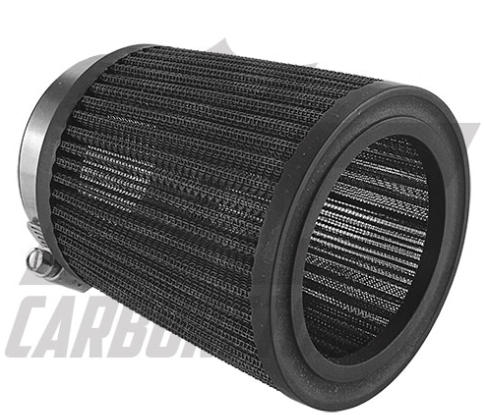
When maintained correctly, a Washable Air Filter in home HVAC service often lasts between 5 and 10 years. The exact lifespan depends on the quality of the materials, how often it is cleaned, and how harsh the operating environment is.[3][15][17][11]
Signs that a Washable Air Filter may be nearing the end of its life include tears in the media, a warped or cracked frame, corrosion on metal components, or permanent staining that does not rinse out. If airflow remains restricted even after thorough cleaning and drying, or if the filter no longer fits snugly in its slot, replacement is a sensible choice.[6][10][16][11]
From a value standpoint, even a 5‑year useful life can be enough for a Washable Air Filter to pay for itself several times over compared with purchasing disposable filters every few months. The more intensively a system runs—in hot climates, busy offices, or industrial areas—the more quickly the wash‑and‑reuse model can generate savings.[12][15][16][3]
Energy Efficiency And System Performance
A clean air filter is vital for efficient operation of HVAC systems, furnaces, and engines. When a Washable Air Filter becomes clogged and is not cleaned, it restricts airflow, causing blowers, compressors, or engines to work harder than necessary.[10][15][16]
Regular cleaning keeps pressure drop across the Washable Air Filter relatively low, helping maintain stable airflow and reducing strain on motors and fans. In HVAC systems, this can help avoid problems such as short cycling, coil icing, or furnace overheating caused by insufficient air movement. In vehicles, a clean reusable filter can support proper air‑fuel mixture and engine performance, though gains beyond the manufacturer's standard design are usually modest in normal driving.[23][16][18][6][9][10]
By combining the right filter with consistent maintenance, users can support both comfort and efficiency. In this sense, the value of a Washable Air Filter is not just the lower filter bill but also the potential for more stable operation and longer equipment life.[15][16][3][5]
Where Washable Air Filters Fit Best
A Washable Air Filter is particularly suitable in the following situations:
- Typical homes without severe allergy or asthma concerns, where the main goals are dust control, moderate air cleanliness, and cost savings over time.[3][15]
- Light commercial spaces such as small offices or shops that want to reduce maintenance purchases and landfill waste while maintaining reasonable air quality.[16][6]
- Vehicles and performance applications where reusable filters are designed to fit the intake system and can be serviced as part of routine maintenance.[20][23]
- Facilities seeking to reduce operating waste by using washable pre‑filters upstream of more specialized, higher‑efficiency disposable stages.[6][16]
On the other hand, a Washable Air Filter alone is usually not enough in:
- Medical facilities, cleanrooms, pharmaceutical manufacturing, and critical laboratories that need high‑MERV or HEPA filtration for compliance and safety.[7][13]
- Homes with occupants who have serious allergies, asthma, or sensitivity to smoke and fine particulate pollution, where higher‑grade filters or purifiers are recommended.[13][16]
- Construction or renovation phases with heavy fine dust, where low‑cost disposable “sacrificial” filters are better suited for frequent replacement.[8][3]
In these cases, washable elements can still be part of the strategy, but they serve mainly as pre‑filters to capture larger debris and protect more delicate high‑efficiency stages.[16][6]
Washable Air Filter And High‑Cleanliness Industries
Industries such as pharmaceuticals, biotechnology, medical device production, and high‑tech manufacturing rely on strict contamination control. For these applications, the final air filtration stages typically use high‑MERV, HEPA, or even ULPA filters, often within validated air‑handling systems and strict maintenance protocols.[7][13]
In such environments, a Washable Air Filter may still provide value as a pre‑filter that captures larger particles before the air reaches the high‑efficiency stages. This approach can extend the life of expensive final filters, reduce operating costs, and improve overall system stability, while still meeting regulatory requirements when implemented correctly. Integrating washable and disposable filters within a well‑designed layout allows facilities to balance operational cost, environmental responsibility, and compliance.[6][7][16]
When Is A Washable Air Filter Truly Worth It?
Pulling these points together, a Washable Air Filter is most “worth it” when:
- You are willing to clean it regularly and allow enough drying time.
- Your air‑quality needs focus on general dust and everyday allergens, not ultra‑fine or critical contamination.
- You value long‑term cost savings and reduced waste over the convenience of simply throwing away filters.
- Your system manufacturer approves washable filters and their resistance matches system requirements.[11][3]
If you fit this profile, a Washable Air Filter can be a cost‑effective, environmentally friendly solution that delivers a good balance of performance and practicality. If, however, you need maximum fine‑particle removal or prefer zero maintenance, higher‑grade disposable filters or combined solutions will likely serve you better.[14][12][13][15]
Conclusion
A Washable Air Filter offers a compelling mix of long‑term savings, waste reduction, and solid everyday filtration, making it an excellent choice for many residential, light commercial, and automotive applications. Its value comes from durability and reusability, provided users follow proper cleaning schedules and respect the filter's limitations.[21][2][15][11]
However, it does not fully replace high‑efficiency disposable or HEPA filters where ultra‑clean air is non‑negotiable, such as in hospitals, cleanrooms, or critical pharmaceutical production, or in homes facing severe allergy or pollution challenges. For these situations, a Washable Air Filter works best as a supporting pre‑filter rather than the sole filtration layer, allowing you to combine economic, environmental, and health priorities in a balanced way.[13][16][6]
FAQ About Washable Air Filters
1. Is a Washable Air Filter as effective as a HEPA filter?
In most cases, no. A standard Washable Air Filter typically has lower fine‑particle capture than a certified HEPA filter, which is engineered to remove extremely small particles at very high efficiency. HEPA and similar high‑MERV disposable filters are still preferred wherever the strictest air‑quality standards must be met.[15][7][13]
2. How often should I clean a Washable Air Filter?
For home HVAC systems, many manufacturers recommend inspecting a Washable Air Filter monthly and cleaning it whenever there is visible buildup or as specified in the user manual. Washable automotive filters are often serviced roughly every 30,000–50,000 miles, or more often under dusty or severe conditions.[19][9][10][21]
3. Can a Washable Air Filter lower my energy bills?
Yes, indirectly. By keeping a Washable Air Filter clean, you help maintain good airflow so that fans, compressors, and other components do not work against excessive resistance, which can improve overall efficiency. While energy savings vary, preventing a clogged filter is an important part of keeping HVAC and engine systems operating efficiently over time.[5][10][15][16]
4. Is a Washable Air Filter safe for allergy sufferers?
A Washable Air Filter can reduce larger particles like dust and pet hair, but many washable models do not achieve the high MERV ratings needed for the best fine‑allergen control. People with moderate to severe allergies or asthma often benefit more from high‑MERV disposable filters, HEPA purifiers, or combined systems that specifically target finer particles and allergens.[12][13][15][16]
5. Can I use a Washable Air Filter in a cleanroom or pharmaceutical facility?
Consumer‑grade Washable Air Filters are generally not suitable as the final filtration stage in cleanrooms or pharmaceutical facilities that must meet strict contamination standards. In such environments, washable filters can be valuable pre‑filters, but must be paired with validated high‑efficiency or HEPA stages that comply with industry regulations and quality requirements.[7][13][6]
Citations:
[1](https://filtersdirect.uk/how-to-clean-a-hepa-filter-guide/)
[2](https://lifesupplyusa.com/blogs/news/complete-guide-how-to-properly-wash-a-reusable-air-filter)
[3](https://www.kemsoracing.com/blogs/news/washable-air-filters-your-complete-guide-to-reusable-home-air-filtration)
[4](https://www.rabbitair.com/blogs/air-purifier/how-to-clean-a-hepa-filter-a-comprehensive-guide)
[5](https://www.heatandacsolutions.com/post/ultimate-guide-to-choosing-the-right-hvac-air-filter-for-your-system/)
[6](https://www.air-care.com/new-design-stagi/what-are-permanent-washable-air-filters/)
[7](https://paracohvac.com/blog/the-complete-guide-to-washable-hepa-filter-air-purifiers/)
[8](https://homesmiles.com/everything-you-need-to-know-about-washable-furnace-filters-maintenance-longevity-and-benefits/)
[9](https://www.knglobalfiltration.com/how-to-clean-your-industrial-air-filter-2/)
[10](https://www.airondemand.com/blog/all-about-washable-hvac-air-filters)
[11](https://www.hvac.com/expert-advice/washable-vs-disposable-air-filters/)
[12](https://www.airfiltersdelivered.com/blogs/helpful-tips/washable-air-filters-vs-disposable)
[13](https://www.breathenaturally.com/blogs/faq/the-effectiveness-of-washable-vs-disposable-air-purifier-filters)
[14](https://www.secondnature.com/blog/washable-air-filters-and-hvac-system)
[15](https://gexhaust.com/blogs/news/blog-the-pros-and-cons-of-reusable-vs-disposable-air-filters-in-air-intake-systems)
[16](https://customfiltersdirect.com/blogs/air-filter-blog/pros-and-cons-of-washable-air-filters)
[17](https://www.komfortairexperts.com/blog/differences-between-washable-and-disposable-air-filters/)
[18](https://www.aireserv.com/about/blog/2018/september/pros-cons-of-washable-furnace-filters/)
[19](https://www.jalopnik.com/1986081/can-you-clean-reuse-car-air-filter/)
[20](https://www.knfilters.com/cleaning)
[21](https://www.lozierheatingcooling.com/blog/things-to-know-about-washable-air-filters)
[22](https://www.autozone.com/diy/air-intake/how-to-clean-reusable-car-air-filter)
[23](https://www.customperformancecenter.net/how-a-washable-performance-air-filter-benefits-your-car)


