Content Menu
● What Is A HEPA Air Filter?
● Types Of HEPA Air Filters
● Why Washing Most HEPA Air Filters Is Risky
● Signs Your HEPA Air Filter Needs Maintenance
● Checking If Your HEPA Air Filter Is Washable
● Dry Cleaning Methods For Non-Washable HEPA Air Filters
● Step-by-Step Cleaning For Washable HEPA Air Filters
● Optimal Replacement Schedule For HEPA Air Filters
● Supporting Components: Prefilters And Carbon Layers
● Habits To Prolong HEPA Air Filter Longevity
● Conclusion
● FAQ
>> 1. Can every HEPA Air Filter be washed with water?
>> 2. How often should a home HEPA Air Filter be replaced?
>> 3. Is vacuuming safe for all HEPA Air Filters?
>> 4. What risks come from reinstalling a damp HEPA Air Filter?
>> 5. How to detect a failing HEPA Air Filter?
● Citations:
Keeping a HEPA Air Filter in optimal condition is crucial for maintaining high indoor air quality and ensuring effective protection against airborne contaminants. Most HEPA Air Filters in standard air purifiers cannot be fully cleaned to restore their original performance levels, and washing them with water is often not recommended unless explicitly stated by the manufacturer. Proper maintenance of a HEPA Air Filter involves understanding its type, following specific care guidelines, and knowing when replacement is necessary to avoid compromising filtration efficiency.[1][2][8][11]
What Is A HEPA Air Filter?
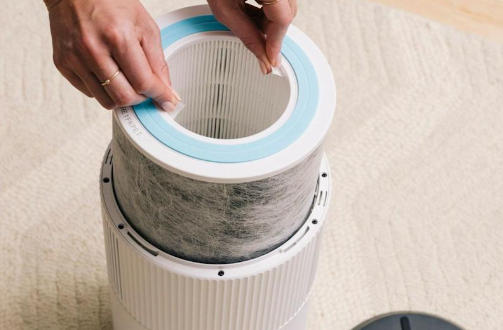
A HEPA Air Filter, or High-Efficiency Particulate Air Filter, is engineered to capture at least 99.97% of airborne particles as small as 0.3 microns, including dust mites, pollen, pet dander, smoke, and certain bacteria. The intricate network of fine fibers in a HEPA Air Filter works through diffusion, interception, and impaction to trap these microscopic pollutants effectively. This makes the HEPA Air Filter a cornerstone technology in air purifiers, HVAC systems, and cleanroom environments worldwide.[2][12][13][1]
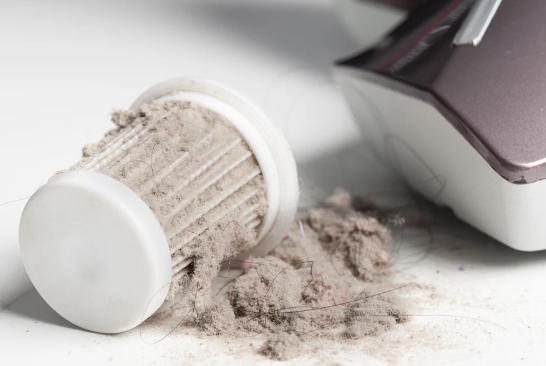
Over time, as a HEPA Air Filter accumulates particles, its pleated structure becomes clogged, which restricts airflow and diminishes its ability to filter incoming air. Regular monitoring of a HEPA Air Filter's condition is essential, as neglected maintenance can lead to reduced purifier performance and poorer indoor air quality. In pharmaceutical and medical settings, HEPA Air Filters undergo even stricter protocols to meet certification standards like those from the ISO or DOP testing.[8][12][13][14]
The durability and efficiency of a HEPA Air Filter depend on its construction materials, such as borosilicate glass fibers or synthetic polymers, which are designed for maximum particle retention without quick degradation. Understanding these properties helps users appreciate why improper cleaning methods can irreversibly damage a HEPA Air Filter's microstructure. Always prioritize manufacturer specifications when handling any HEPA Air Filter to preserve its high-performance capabilities.[6][1][2]
Types Of HEPA Air Filters
HEPA Air Filters come in various designs tailored to different applications, each with unique maintenance requirements. Common types include true HEPA Air Filters for consumer purifiers, ULPA filters for ultra-clean environments, and washable variants engineered with coarser fibers or protective coatings. Identifying your specific HEPA Air Filter type is the first step in safe maintenance.[1][6][8]
Non-washable disposable HEPA Air Filters dominate the market due to their superior filtration but require periodic replacement rather than cleaning attempts. Washable HEPA Air Filters, often found in budget or heavy-duty units, allow limited rinsing but still lose efficiency after multiple cycles. Permanent HEPA Air Filters, sometimes used in industrial setups, can endure dry cleaning methods but demand professional validation for critical uses.[2][8][1]
In advanced systems like those for pharmaceutical cleanrooms, HEPA Air Filters are classified by grades such as H13 or H14, offering even higher efficiency ratings. These specialized HEPA Air Filters integrate with fan-powered modules and pre-filters to extend service life in controlled atmospheres. Selecting the right HEPA Air Filter type ensures compatibility with your purifier and optimal long-term performance.[7][13][14]
Why Washing Most HEPA Air Filters Is Risky
The core filtration mechanism of a standard HEPA Air Filter relies on a delicate, tightly woven fiber matrix that captures particles through physical adhesion and electrostatic charges. Exposing a non-washable HEPA Air Filter to water disrupts this matrix, causing fibers to clump, swell, or separate, which creates larger pathways for contaminants to escape. Studies and manufacturer tests confirm that washed non-washable HEPA Air Filters can lose up to 30-50% of their efficiency post-cleaning.[8][1][2]
Moisture trapped in a damp HEPA Air Filter fosters microbial growth, including mold and bacteria, which not only defeats the purpose of air purification but can introduce new health risks. High-pressure water or detergents further exacerbate damage by eroding the filter media or frame integrity. For these reasons, most experts advise against any water-based cleaning on standard HEPA Air Filters unless certified as washable.[11][15][16][8]
Even in washable HEPA Air Filters, overuse of cleaning reduces lifespan due to gradual fiber degradation. Professional environments treat HEPA Air Filters as single-use components, replacing them based on differential pressure readings rather than attempting revival. Prioritizing replacement over risky cleaning safeguards both the HEPA Air Filter and your air quality investment.[12][13][14]
Signs Your HEPA Air Filter Needs Maintenance
Recognizing when a HEPA Air Filter requires attention prevents efficiency drops and extends system life. Key indicators include visibly darkened or discolored filter media, where accumulated grime signals saturation. Reduced airflow from the purifier, often accompanied by louder fan operation, points to increased resistance within the HEPA Air Filter.[17][12][1]
Persistent odors, rising allergy symptoms, or dust buildup on surfaces despite regular use suggest the HEPA Air Filter is no longer capturing particles effectively. Smart purifiers with sensors may display alerts or color-coded lights indicating HEPA Air Filter status. In high-stakes settings like labs, particle counters and airflow meters provide precise diagnostics for HEPA Air Filter health.[13][12][17]
Environmental factors accelerate HEPA Air Filter wear: pet owners, smokers, or those in urban areas with high PM2.5 levels notice quicker degradation. Routine visual inspections every 1-2 months help catch issues early, allowing timely intervention before air quality suffers.[16][17][1]
Checking If Your HEPA Air Filter Is Washable
Always consult the product manual, filter label, or manufacturer's website to verify if your HEPA Air Filter supports washing. Look for explicit terms like "washable HEPA Air Filter," "rinseable," or detailed cleaning instructions. Ambiguous language or absence of such notes means treat it as non-washable.[6][11][1][8]
Contact customer support for older models or unclear packaging, providing the model number for accurate guidance on your specific HEPA Air Filter. Third-party filters may lack official washability ratings, increasing risks if cleaned improperly. When uncertain, err on replacement to maintain HEPA Air Filter integrity.[11][12][8]
Dry Cleaning Methods For Non-Washable HEPA Air Filters
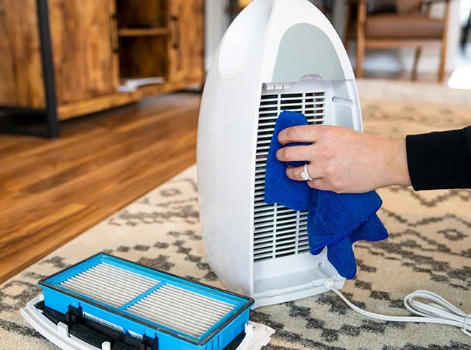
For non-washable HEPA Air Filters, gentle dry methods remove surface debris without penetrating the media. Start by tapping the HEPA Air Filter lightly outdoors to dislodge loose dust, avoiding forceful blows that could tear pleats. Use a vacuum with a soft brush attachment on low suction, gliding parallel to the folds without pressing into the media.[15][1][6][11]
A soft-bristle brush or compressed air can address stubborn external spots, directing airflow from the clean side outward. Perform these steps monthly in dusty homes to prolong HEPA Air Filter life, but recognize they don't restore deep-trapped particles. Limit frequency to prevent fiber damage from repeated handling.[5][15][1]
Step-by-Step Cleaning For Washable HEPA Air Filters
Washable HEPA Air Filters demand precise handling to preserve function. Unplug the unit, remove the HEPA Air Filter per manual instructions, and vacuum exterior dust first. Rinse under lukewarm running water from the upstream side, allowing flow to flush contaminants without scrubbing.[3][16][1][6]
Use mild detergent only if specified, rinsing thoroughly to eliminate residues. Gently shake excess water and air-dry upright in a well-ventilated area for 24-48 hours, ensuring no moisture remains. Reinstall only when fully dry, resetting any indicators.[5][1][6]
Repeat no more than 3-5 times before replacement, as efficacy wanes. Hot water, soaps, or heat sources like dryers warp fibers in even washable HEPA Air Filters.[1][6]
Optimal Replacement Schedule For HEPA Air Filters
Replace standard home HEPA Air Filters every 6-12 months, or sooner in polluted areas. Heavy use or events like wildfires shorten this to 3-6 months. Commercial or pharma HEPA Air Filters follow certified schedules based on testing.[12][13][17][11]
Track via purifier apps, pressure gauges, or visual cues. Genuine OEM HEPA Air Filters ensure compatibility and performance.[13][12]
Supporting Components: Prefilters And Carbon Layers
Prefilters shield the main HEPA Air Filter from large debris, washable weekly to extend life. Carbon filters tackle VOCs and odors, replaceable every 3-6 months. Balanced maintenance optimizes the entire HEPA Air Filter system.[7][16][12]
Habits To Prolong HEPA Air Filter Longevity
Position purifiers centrally, clean surroundings regularly, and use auto-modes. Avoid direct vents or dusty spots. These reduce load on the HEPA Air Filter.[16][8][1]
Conclusion
Maintaining a HEPA Air Filter requires adherence to manufacturer guidelines, distinguishing washable from non-washable types, and prioritizing replacement for peak performance. Improper cleaning damages the HEPA Air Filter's fibers, risking air quality and health. Regular checks, prefilter care, and timely swaps ensure effective purification in homes and beyond.[2][8][11][12][13][1]
FAQ
1. Can every HEPA Air Filter be washed with water?
No, only those labeled washable; water damages standard HEPA Air Filters by disrupting fibers, reducing efficiency by up to 50%.[8][11][1][2]
2. How often should a home HEPA Air Filter be replaced?
Every 6-12 months typically, more frequently in high-pollution settings to sustain filtration.[17][12][13]
3. Is vacuuming safe for all HEPA Air Filters?
Gentle vacuuming suits non-washable types for surface dust, but avoid aggression to prevent fiber harm.[15][11][1]
4. What risks come from reinstalling a damp HEPA Air Filter?
Mold growth, odors, and purifier damage; always air-dry fully for 24+ hours.[6][16][1]
5. How to detect a failing HEPA Air Filter?
Look for weak airflow, noise increase, odors, or discoloration; use sensors for precision.[12][17]
Citations:
[1](https://filtersdirect.uk/how-to-clean-a-hepa-filter-guide/)
[2](https://smartairfilters.com/en/blog/how-to-clean-wash-hepa-filter/)
[3](https://dphhs.mt.gov/assets/publichealth/Asthma/Wildfire%20Smoke/HEPAFilterGuide.pdf)
[4](https://safetyculture.com/topics/indoor-air-quality/hepa-filter-maintenance)
[5](https://www.reddit.com/r/Roborock/comments/1nqlg1c/hepa_filter_maintenance_whats_your_routine/)
[6](https://www.rabbitair.com/blogs/air-purifier/how-to-clean-a-hepa-filter-a-comprehensive-guide)
[7](https://www.cleanroomspecialists.com/blog/7-tips-for-maintaining-your-fan-powered-hepa-filters)
[8](https://molekule.com/blogs/all/how-to-clean-a-hepa-filter-and-what-you-should-know-beforehand)
[9](https://www.youtube.com/watch?v=r79yi2u4YQA)
[10](https://napasewandvac.com/hepa-filter-maintenance/)
[11](https://www.realsimple.com/home-organizing/cleaning/hepa-air-filter-cleaning)
[12](https://cowaymega.com/blogs/blog/the-importance-of-changing-your-hepa-air-filters-on-time)
[13](https://kleanlabs.com/blog/hepa-filter-replacement-guidelines-recommended-frequency/)
[14](https://cleanroomtechnology.com/when-to-replace-your-hepa-filter-according)
[15](https://learn.sensibo.com/b2c-blog/how-to-clean-a-non-washable-hepa-filter)
[16](https://www.vevor.com/diy-ideas/how-to-clean-air-purifier-filter/)
[17](https://www.smarterhepa.com/blogs/learn/signs-its-time-to-change-your-hepa-filter)


