Content Menu
● Understanding Cabin Air Filters
● What Is a Washable Air Filter?
● How Washable Cabin Air Filters Work
● Advantages of Using Washable Air Filters
>> 1. Cost Efficiency
>> 2. Environmental Sustainability
>> 3. Enhanced Performance Consistency
>> 4. Reduced Maintenance Waste in Industrial Applications
>> 5. Adaptable Design Integration
● Limitations of Washable Air Filters
● Applications of Washable Air Filters in Industry
● How to Clean a Washable Cabin Air Filter Properly
● Comparing Disposable vs. Washable Cabin Filters
● Choosing the Right Washable Air Filter
● Future Trends in Air Filtration Technology
● Conclusion
● FAQ
>> 1. What is the main benefit of a washable air filter?
>> 2. How often should I clean a washable cabin air filter?
>> 3. Can washable filters replace HEPA-grade filters?
>> 4. Are washable air filters safe for pharmaceutical environments?
>> 5. How long does a washable air filter last?
Cabin air filters play a vital role in maintaining air quality inside vehicles, machinery rooms, and controlled environments such as pharmaceutical cleanrooms. They trap dust, pollen, bacteria, and exhaust gases, ensuring that the air circulating inside is clean and healthy. But a common question arises among users and industrial equipment operators alike: Are there washable cabin air filters?
Understanding Cabin Air Filters
Cabin air filters are components installed in ventilation or HVAC systems to purify the air before it enters a sealed space. They are found not only in vehicles but also in industrial equipment, laboratories, and medical facilities. These filters can remove allergens, pollutants, and other contaminants that may affect air quality or product cleanliness.
There are generally two types of cabin air filters:
- Disposable air filters, which must be replaced regularly.
- Washable air filters, which can be cleaned and reused multiple times.
Both types serve the same function but differ in material, maintenance requirements, and long-term cost efficiency.
What Is a Washable Air Filter?
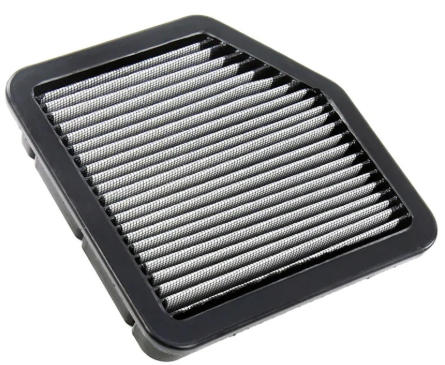
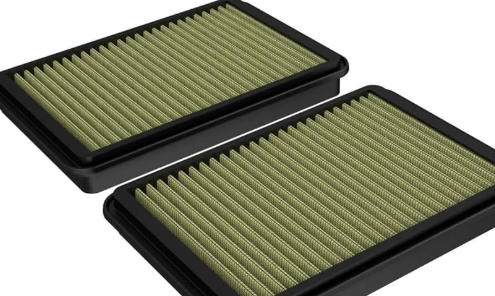
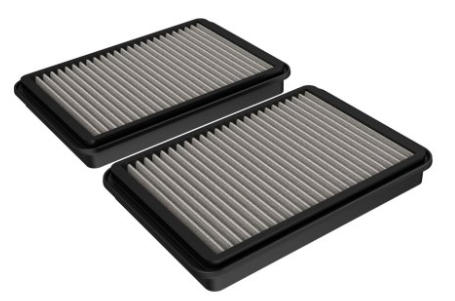
A Washable Air Filter is designed for repeated use. Unlike conventional paper or fiber filters, washable versions are constructed using durable materials such as metal mesh, foam, or synthetic fibers. They feature a reusable frame and filtration structure that allows cleaning instead of disposal.
After cleaning, the filter regains most of its airflow efficiency and filtration capability, providing an eco-friendly and cost-effective alternative to disposable designs. The Washable Air Filter concept is increasingly popular in industries concerned with sustainability, including automotive manufacturing, pharmaceutical equipment, and electronics production.
How Washable Cabin Air Filters Work
The working principle of a washable cabin air filter is relatively simple yet efficient. The filter traps airborne particles as air passes through its layered media. Over time, dust and contaminants build up and restrict airflow. Instead of replacing it, operators can wash the filter to remove debris, dry it, and reinstall it into the system.
The general process involves:
1. Removal: The washable cabin filter is taken out of its housing unit.
2. Cleaning: It is rinsed with water or a mild cleaning solution to detach dust and particulates.
3. Drying: The filter must be completely dried to prevent mold or mildew growth.
4. Reinstallation: Once clean and dry, it is placed back for continued operation.
This cycle can repeat dozens of times depending on the material quality and operational environment.
Advantages of Using Washable Air Filters
Washable air filters provide multiple benefits that appeal to end-users and equipment manufacturers alike.
1. Cost Efficiency
Although a Washable Air Filter has a higher initial cost, it ultimately saves money because it can be reused. This longevity reduces the frequency of replacement purchases while maintaining consistent performance.
2. Environmental Sustainability
Reusable filters decrease waste production by minimizing disposable filter consumption. For industries aiming to comply with environmental standards such as ISO 14001, washable filters contribute positively to sustainability targets.
3. Enhanced Performance Consistency
When maintained properly, washable filters maintain steady airflow rates and filtration performance. Regular washing ensures the purifier operates at peak efficiency without the performance drop typical of neglected disposable units.
4. Reduced Maintenance Waste in Industrial Applications
In industries like pharmaceuticals, where Everheal specializes in clean air processing equipment such as pure steam generators and sterilization systems, washable filters reduce waste generation in controlled areas and simplify facility management protocols.
5. Adaptable Design Integration
Washable filters are available in custom sizes and can be integrated into automated production or air treatment systems. This adaptability supports hygienic manufacturing environments across medical, biotech, and food sectors.
Limitations of Washable Air Filters
Despite their advantages, washable cabin air filters also present several limitations that users must consider before adoption.
- Moisture Risk: Improper drying after washing can promote bacterial or mold growth.
- Initial Cost: Washable filters are more expensive upfront compared to disposable ones.
- Performance Degradation Over Time: Repetition of cleaning cycles can weaken the filtering media, reducing efficiency gradually.
- Cleaning Effort: Some industrial filters require manual maintenance, which adds labor time.
- Compatibility Concerns: Not all HVAC or cabin systems are designed to support washable filters.
Applications of Washable Air Filters in Industry
Washable air filters are used in a range of industries that depend on clean, consistent air supply, including:
- Pharmaceutical Production: Ensuring sterile conditions for drug manufacturing, water purification, and equipment sterilization systems.
- Automotive and Transportation: Improving air quality for drivers and passengers while reducing maintenance costs.
- Electronics Manufacturing: Protecting sensitive devices from particulate contamination.
- Building Ventilation Systems: Maintaining healthy indoor air quality in offices, hospitals, and laboratories.
- Food and Beverage Processing: Preventing airborne contamination of consumable goods.
For a company like Everheal, which provides integrated cleanroom and air treatment systems, incorporating washable air filter technology aligns with global efforts to build environmentally responsible and cost-efficient production facilities.
How to Clean a Washable Cabin Air Filter Properly
Cleaning a washable air filter must follow a careful process to preserve its filtration efficiency and prevent system disruption.
1. Prepare Cleaning Tools: Use clean water, mild detergent, and a soft brush or low-pressure hose.
2. Remove the Filter: Turn off the system and extract the filter carefully to avoid tearing or warping.
3. Rinse Thoroughly: Wash both sides of the filter to remove debris. Avoid high-pressure water that could damage the filter media.
4. Use Detergent if Needed: For oily or heavy industrial contaminants, a gentle detergent helps lift residue.
5. Dry Completely: Allow the filter to air dry naturally. Do not use heat guns or dryers as high temperature could deform the material.
6. Reinstall Securely: Once fully dry, reinstall and verify proper seating within the housing system.
Performing this procedure regularly ensures optimal airflow and extends operational lifespan.
Comparing Disposable vs. Washable Cabin Filters
| Feature | Washable Air Filter | Disposable Air Filter |
| Initial Cost | Higher | Lower |
| Reusability | Yes | No |
| Maintenance | Requires cleaning | Simple replacement |
| Environmental Impact | Low waste generation | High waste output |
| Lifespan | 3–5 years | 3–6 months |
| Airflow Efficiency | Stable with regular wash | Declines as filter clogs |
In long-term use, washable cabin air filters provide superior value for environmentally conscious operators and facility managers focusing on lifecycle cost efficiency.
Choosing the Right Washable Air Filter
When selecting a washable air filter for automobiles or industrial HVAC systems, consider these factors:
- Filter Size and Compatibility: Fit must match the original system without modification.
- Filtration Rating (MERV or HEPA): Choose efficiency based on your environment's cleanliness needs.
- Material Construction: Stainless steel mesh or multi-layer synthetic fibers perform best under frequent cleaning.
- Ease of Maintenance: Filters with modular or removable frames simplify washing.
- Supplier Reliability: Choose manufacturers offering warranties, testing certifications, and technical support.
Companies like Everheal provide modular air filtration and sterilization solutions tailored to GMP-compliant pharmaceutical plants, integrating washable filter technology into custom plant layouts.
Future Trends in Air Filtration Technology
The air filtration industry is evolving rapidly under pressure from stricter environmental standards and industrial automation. Some key trends include:
- Smart Monitoring Systems: Automation of filter condition tracking using sensors.
- Nanofiber Materials: Enhanced washable filter membranes with higher particle capture rates.
- Hybrid Filtration Systems: Combining washable pre-filters with HEPA or ULPA post-filters.
- Eco-friendly Coatings: Use of antimicrobial or hydrophobic surface treatments for cleaner operation.
- Energy Optimization: Designing filters that maintain airflow with minimal resistance, reducing energy use.
These innovations will make Washable Air Filter technology even more widespread, particularly across sectors where cleanliness and sustainability intersect.
Conclusion
Yes, there are washable cabin air filters, and they are becoming increasingly important for both personal vehicles and industrial applications. A Washable Air Filter provides a reusable, eco-friendly, and economically sustainable alternative to disposable filters. By reducing waste, lowering long-term costs, and supporting efficient equipment performance, washable filters spearhead the movement toward greener air management systems.
For companies like Everheal, integrating washable filtration with pure water systems, sterilization equipment, and plant layout optimization ensures customers enjoy both superior air quality and operational sustainability. Investing in washable filters is not just a maintenance decision—it's a commitment to cleaner production and a healthier environment.
FAQ
1. What is the main benefit of a washable air filter?
A Washable Air Filter can be reused multiple times, reducing long-term costs and waste compared to disposable filters.
2. How often should I clean a washable cabin air filter?
Cleaning frequency depends on environment conditions. Typically, every 10,000–15,000 kilometers for vehicles or every 2–3 months for industrial systems ensures optimal airflow.
3. Can washable filters replace HEPA-grade filters?
Not always. Standard washable filters may not reach HEPA-level filtration, but hybrid designs can combine washability with higher efficiency.
4. Are washable air filters safe for pharmaceutical environments?
Yes, as long as they comply with GMP and cleanroom validation standards. Everheal's systems often integrate washable filters for pre-filtration prior to ultraclean zones.
5. How long does a washable air filter last?
A well-maintained Washable Air Filter can last 3–5 years, depending on build quality and cleaning discipline.


