Content Menu
● Understanding the Purpose of an Infusion Bag
● What Makes PVC Suitable for Infusion Bags?
>> 1. Flexibility and Strength
>> 2. Chemical Resistance
>> 3. Excellent Transparency
>> 4. Cost-Effectiveness
>> 5. Sterilization Durability
● Components of a PVC Infusion Bag
● Manufacturing Process of PVC Infusion Bags
>> Step 1: Raw Material Preparation
>> Step 2: Film Extrusion
>> Step 3: Cutting and Sealing
>> Step 4: Port Assembly
>> Step 5: Sterilization
>> Step 6: Quality Testing and Packaging
● Industrial Applications of PVC Infusion Bags
● Advantages of PVC Infusion Bags in Modern Medicine
>> High Clarity and Visibility
>> Stable Storage of Medical Fluids
>> Lightweight and Portable
>> Compatibility with Sterilization
>> Sustainable Manufacturing Development
● Challenges and Future Trends of PVC Infusion Bags
● Quality Compliance and Sterilization Standards
● Everheal's Expertise in Pharmaceutical Equipment
● Conclusion
● FAQs About PVC Infusion Bags
>> 1. What is the main material used in PVC Infusion Bags?
>> 2. Are PVC Infusion Bags safe for patients?
>> 3. Can PVC Infusion Bags be customized for different applications?
>> 4. How are PVC Infusion Bags sterilized?
>> 5. What are the alternatives to PVC Infusion Bags?
In modern pharmaceutical packaging, the Infusion Bag plays a vital role in ensuring the safe storage and precise delivery of intravenous (IV) solutions. Among various materials used for manufacturing these medical containers, Polyvinyl Chloride (PVC) stands as one of the most widely adopted options due to its flexibility, chemical stability, and cost-effectiveness. This article provides a comprehensive overview of what a PVC Infusion Bag is, its components, manufacturing process, quality standards, and its increasing significance in pharmaceutical production facilities.

Understanding the Purpose of an Infusion Bag
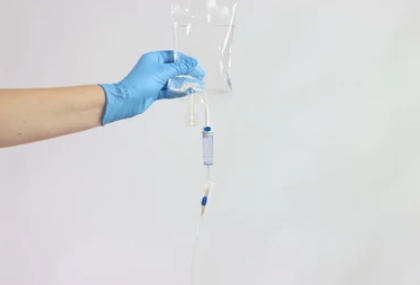
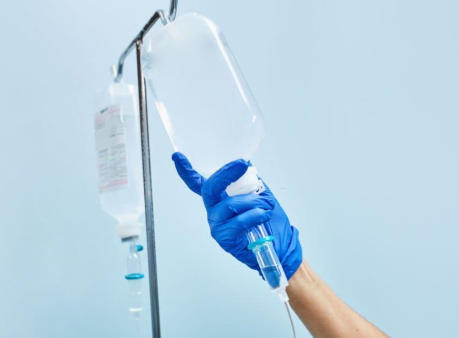
An Infusion Bag is a flexible container designed to hold sterile medical fluids, such as saline solutions, glucose, or medications, for intravenous administration to patients. The bag connects to infusion sets that deliver liquids directly into the bloodstream, allowing precise control of dosage and flow rates.
Whether in hospital wards, emergency care, or home therapy, Infusion Bags play a crucial role in maintaining patient hydration, delivering medications, and providing nutrition intravenously when oral intake is not possible.
PVC Infusion Bags, in particular, have been a preferred choice for hospitals and pharmaceutical manufacturers for decades because of their durability, transparency, and reliability during sterilization.
What Makes PVC Suitable for Infusion Bags?
1. Flexibility and Strength
PVC (polyvinyl chloride) exhibits exceptional elasticity when combined with medical-grade plasticizers. This property ensures that the Infusion Bag remains flexible, resistant to puncture, and light enough for easy handling.
2. Chemical Resistance
PVC is resistant to many acids, alkalis, and salts — essential for maintaining the chemical stability of medical fluids inside the Infusion Bag. It ensures that the stored solution remains pure and uncontaminated during storage and transportation.
3. Excellent Transparency
The clarity of PVC allows healthcare professionals to monitor the solution visually for impurities, air bubbles, or discoloration, improving patient safety.
4. Cost-Effectiveness
Compared with non-PVC alternatives such as polypropylene (PP) or polyethylene (PE), PVC remains more economical while providing consistent performance.
5. Sterilization Durability
PVC Infusion Bags can withstand various sterilization methods — including steam, gamma irradiation, and ethylene oxide — without deformation or chemical degradation.
Components of a PVC Infusion Bag
A typical PVC Infusion Bag consists of several key elements:
- Bag Body – Formed from two layers of medical-grade PVC film welded together to create a leak-proof chamber.
- Ports and Stoppers – Made from PVC or thermoplastic elastomer (TPE), allowing the insertion of an infusion set or syringe.
- Drip Chamber Connection – Ensures the smooth transfer of fluid into the drip chamber of the IV set.
- Printed Label Area – Used for identification, expiration dates, and dosage information.
Each part of the Infusion Bag is designed to meet stringent medical safety standards and to ensure compatibility with a wide range of drug formulations.
Manufacturing Process of PVC Infusion Bags
Producing a PVC Infusion Bag involves several critical stages, all executed under strict cleanroom conditions to ensure sterility and compliance with Good Manufacturing Practice (GMP) regulations.
Step 1: Raw Material Preparation
Medical-grade PVC pellets and additives are precisely blended to form films with uniform thickness and clarity. Additives such as plasticizers and stabilizers enhance flexibility and prolong the lifespan of the material.
Step 2: Film Extrusion
The blended PVC material is melted and extruded into thin, clear sheets. High-precision extrusion ensures consistent strength and uniformity, which is essential for bag sealing.
Step 3: Cutting and Sealing
The PVC film is cut into desired dimensions. Using advanced heat-sealing machines, both film layers are welded together along the edges to create a leak-proof pouch.
Step 4: Port Assembly
Infusion ports, filters, and stoppers are inserted and sealed onto the bag body. This step requires accuracy to ensure airtight and sterile connections.
Step 5: Sterilization
Completed bags undergo sterilization via autoclave or irradiation. This eliminates microbial contamination without affecting mechanical strength or solution compatibility.
Step 6: Quality Testing and Packaging
Each Infusion Bag is tested for leaks, transparency, tensile strength, and seal integrity. Only those meeting all pharmaceutical standards proceed to final packaging.
Industrial Applications of PVC Infusion Bags
PVC Infusion Bags are used across a variety of healthcare and pharmaceutical applications, including:
- Intravenous therapy – Delivering fluids, electrolytes, and medications directly into the bloodstream.
- Nutrient administration – Parenteral nutrition for patients unable to consume food orally.
- Antibiotic delivery systems – Sterile infusion bags containing specific drug formulations for hospital use.
- Biopharmaceutical production – As sterile storage vessels for liquid drug intermediates in biotech facilities.
For pharmaceutical equipment manufacturers such as Everheal, developing integrated solutions for Infusion Bag production lines — from pure water systems to liquid filling and sealing machines — ensures consistent quality and efficient large-scale output.
Advantages of PVC Infusion Bags in Modern Medicine
High Clarity and Visibility
Medical staff can easily inspect the content and ensure no particles or contaminants are present before administration.
Stable Storage of Medical Fluids
PVC offers a long shelf life and resists moisture and oxygen permeability, helping maintain the drug's efficacy.
Lightweight and Portable
Compared to glass bottles, PVC Infusion Bags reduce transportation costs and minimize breakage risks during handling.
Compatibility with Sterilization
Unlike rigid containers, PVC Infusion Bags endure autoclaving at 121°C without losing shape or integrity.
Sustainable Manufacturing Development
Although environmental concerns surround PVC production, modern additives and recycling technologies have made PVC Infusion Bags more eco-friendly and compliant with global standards such as USP, EP, and ISO.
Challenges and Future Trends of PVC Infusion Bags
While PVC Infusion Bags dominate the global market, several emerging trends are reshaping this sector:
- Move toward DEHP-free materials – Traditional plasticizers like DEHP are being replaced with safer alternatives such as TOTM or TEHTM.
- Eco-friendly alternatives – Manufacturers are exploring non-PVC materials like ethylene-vinyl acetate (EVA) and polyolefin blends.
- Smart packaging integration – Future Infusion Bags may include sensors for monitoring temperature or connected data systems for pharmaceutical tracking.
- Automation and digital process control – Companies like Everheal are advancing full-automatic Infusion Bag production lines for precision and cost efficiency.
Quality Compliance and Sterilization Standards
Ensuring the highest level of sterility and safety is mandatory for any PVC Infusion Bag production line. The following standards and tests are typically applied:
- USP <661> – Testing for plastic material suitability.
- ISO 8536 – Specifies requirements for infusion containers and accessories.
- GMP (Good Manufacturing Practice) – Ensures contamination-free environments and traceable production processes.
- Sterility Validation – Includes bacterial endotoxin testing, seal integrity tests, and accelerated aging studies.
These quality certifications help manufacturers guarantee that every Infusion Bag leaving the factory meets medical-grade performance and patient safety requirements.
Everheal's Expertise in Pharmaceutical Equipment
As a leading supplier of pharmaceutical equipment, Everheal provides turnkey solutions for the complete Infusion Bag production system, including:
- Pure Water Preparation Systems – Providing high-quality sterile water for solution formulation.
- Pure Steam Generators – Ensuring clean steam for sterilization processes.
- Multi-Effect Distillers – Producing distilled water for injection (WFI).
- Liquid Filling and Sealing Machines – Ensuring accurate, contamination-free filling.
- Automatic Sterilization Systems – Providing stable and validated sterilization procedures.
By integrating these systems, Everheal supports pharmaceutical manufacturers worldwide in establishing compliant, efficient, and safe Infusion Bag production facilities.
Conclusion
A PVC Infusion Bag is more than just a container — it's a critical component of modern medical therapy, ensuring the precise, sterile, and safe administration of intravenous fluids and medications. With continual advancements in material science, manufacturing automation, and regulatory compliance, PVC Infusion Bags remain indispensable to healthcare systems globally. For companies dedicated to high-quality pharmaceutical equipment — such as Everheal — innovation in Infusion Bag technology continues to support global healthcare and improve patient outcomes.
FAQs About PVC Infusion Bags
1. What is the main material used in PVC Infusion Bags?
PVC Infusion Bags are primarily made from medical-grade polyvinyl chloride combined with FDA-approved plasticizers for flexibility and transparency.
2. Are PVC Infusion Bags safe for patients?
Yes. When produced under GMP standards, these bags are non-toxic, biocompatible, and sterilized to ensure safe intravenous usage.
3. Can PVC Infusion Bags be customized for different applications?
Absolutely. Manufacturers can design specialized Infusion Bags for antibiotics, nutrient solutions, or chemotherapy fluids with varied capacities and designs.
4. How are PVC Infusion Bags sterilized?
They are commonly sterilized through steam autoclaving, ethylene oxide gas, or gamma irradiation without degrading their material strength.
5. What are the alternatives to PVC Infusion Bags?
Alternatives include non-PVC materials such as polypropylene (PP), polyethylene (PE), and ethylene-vinyl acetate (EVA), offering environmental and biocompatibility advantages.


