Content Menu
● Understanding the Basics of HEPA Air Filtration
>> What Is a HEPA Air Filter?
>> The Science Behind HEPA Filtration
● Why HEPA Air Filters Matter in Pharmaceutical Production
>> Role in Cleanrooms
>> Supporting Equipment Performance
● Construction and Materials of HEPA Air Filters
>> Main Components
● How HEPA Air Filters Work in Different Settings
>> In Pharmaceutical Cleanrooms
>> In Hospitals and Laboratories
>> In Industrial and HVAC Applications
● Efficiency and Performance Standards
● Maintenance and Replacement of HEPA Air Filters
>> Regular Testing and Validation
>> Replacement Frequency
>> Handling and Disposal
● Benefits of Using HEPA Air Filters
>> 1. Superior Air Purity
>> 2. Protection Against Contamination
>> 3. Compliance with Regulatory Standards
>> 4. Enhanced Equipment Longevity
>> 5. Improved Health and Productivity
● Choosing the Right HEPA Air Filter
● Emerging Trends in HEPA Air Filtration Technology
>> Energy-Efficient Designs
>> Smart Monitoring Systems
>> Antimicrobial Coatings
>> Modular Cleanroom Integration
● Common Challenges and Solutions
>> Challenge 1: Pressure Drop and Energy Consumption
>> Challenge 2: Filter Leakage
>> Challenge 3: Contamination Risk During Replacement
>> Challenge 4: Uneven Air Distribution
● Conclusion
● FAQs About HEPA Air Filters
>> 1. What is the main purpose of a HEPA Air Filter?
>> 2. How often should a HEPA Air Filter be replaced?
>> 3. Can HEPA Air Filters remove viruses?
>> 4. Are all HEPA filters the same?
>> 5. How do I test a HEPA Air Filter's performance?
High-Efficiency Particulate Air (HEPA) filters are essential components in pharmaceutical production, medical facilities, cleanrooms, and modern HVAC systems. They play a crucial role in maintaining air purity and protecting delicate manufacturing environments from contamination. But what exactly does a HEPA Air Filter do, and why is it such an indispensable technology for industries such as pharmaceuticals?
This comprehensive article explores the science, applications, benefits, and operational aspects of HEPA Air Filters, helping you understand how they contribute to cleaner, safer, and more efficient working environments.
Understanding the Basics of HEPA Air Filtration
What Is a HEPA Air Filter?
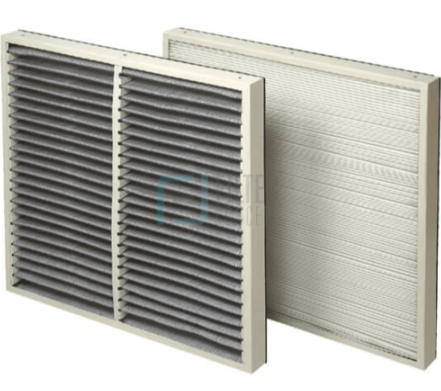
A HEPA Air Filter is a highly specialized filtration device that captures at least 99.97% of particles as small as 0.3 microns in diameter. That means it can trap dust, pollen, bacteria, aerosols, and even some viruses — all while allowing purified air to pass through. These filters are made from microfiber glass or synthetic materials arranged in fine pleats, maximizing the surface area for effective filtration.
The Science Behind HEPA Filtration
HEPA filtration relies on three main mechanisms:
1. Interception – Particles following the airflow path touch the fibers and get trapped.
2. Impaction – Larger particles cannot navigate around the fibers and collide with them directly.
3. Diffusion – Extremely small particles move erratically (Brownian motion) and are captured through random collisions with filter fibers.
This triple mechanism ensures that HEPA Air Filters can efficiently remove contaminants of varying sizes, especially in environments demanding extreme cleanliness, like pharmaceutical production zones or laboratories.
Why HEPA Air Filters Matter in Pharmaceutical Production
Pharmaceutical manufacturing requires controlled environments free from dust, microorganisms, or chemical contaminants. Even microscopic airborne particles can compromise drug quality or cause contamination in sterile environments. Hence, HEPA filtration is a cornerstone of Good Manufacturing Practice (GMP) compliance.
Role in Cleanrooms
Cleanrooms are classified by their maximum permissible particle concentration per cubic meter. To meet these stringent standards, HEPA Air Filters are integrated into air handling units (AHUs), laminar airflow systems, and biosafety cabinets. They create ultra-clean zones where sensitive manufacturing operations, such as ampoule filling, sterile filtration, or packaging, take place.
Supporting Equipment Performance
Companies like Everheal provide complete cleanroom and pharmaceutical equipment solutions, ranging from pure steam generators to liquid filling machines. All such systems rely on HEPA Air Filters to maintain optimal air purity, ensuring machinery functions efficiently and final products meet international safety standards such as ISO 14644 and EU GMP Annex 1.
Construction and Materials of HEPA Air Filters
A HEPA Air Filter typically consists of multiple structural elements that work together to deliver exceptional filtration performance. Each part contributes to maintaining air quality and filter durability.
Main Components
- Filter Media: Usually made of borosilicate microfiber or synthetic blends; the pleated design increases filtration surface.
- Frame or Housing: Constructed from aluminum, stainless steel, or galvanized steel to withstand air pressure changes.
- Separator or Spacer: Ensures pleats are evenly spaced to optimize airflow distribution.
- Sealant or Gasket: Prevents air leakage around the edges to ensure 100% filtration efficiency.
Each layer is engineered to handle high air volumes and resist chemical or thermal stress — ideal for pharmaceutical-grade environments where frequent sterilization is required.
How HEPA Air Filters Work in Different Settings
In Pharmaceutical Cleanrooms
In a pharmaceutical cleanroom, HEPA Air Filters capture airborne particles generated during tablet coating, mixing, or filling processes. They are integrated into terminal HEPA modules, ceiling diffusers, or fan filter units (FFUs) to provide uniform airflow and constant filtration.
In Hospitals and Laboratories
Hospitals install HEPA Air Filters in operating rooms, isolation wards, and patient recovery areas to prevent cross-contamination. Laboratories use HEPA Air Filters inside biosafety cabinets to protect research samples and personnel from hazardous pathogens.
In Industrial and HVAC Applications
Besides healthcare and pharmaceutical uses, HEPA Air Filters are applied in HVAC systems, semiconductor manufacturing, food processing, and even aviation cabins. In these cases, HEPA technology ensures air circulation without introducing contaminants that could affect product quality or health standards.
Efficiency and Performance Standards
To ensure consistent quality and performance, HEPA Air Filters must meet recognized international standards. Some key ones include:
- EN 1822 (Europe): Defines filter efficiency classes from E10 to U17.
- ASHRAE 52.2 (USA): Measures Minimum Efficiency Reporting Value (MERV) up to 17.
- ISO 29463: An international equivalent defining efficiency retention at 0.3 microns.
Pharmaceutical manufacturers often employ H13 or H14 HEPA filters, which capture 99.95% and 99.995% of particles respectively — essential for sterile production lines and cleanroom-grade environments.
Maintenance and Replacement of HEPA Air Filters
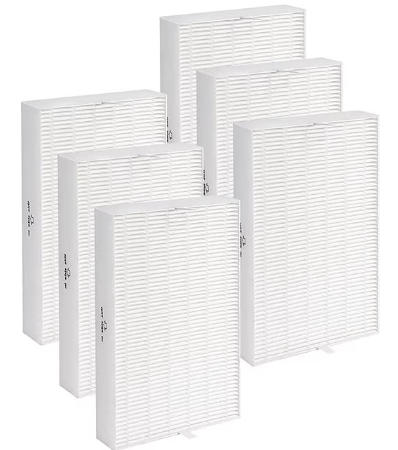
Maintaining HEPA Air Filters is vital for continual performance and compliance.
Regular Testing and Validation
HEPA filters used in pharmaceutical and healthcare applications undergo DOP (Dispersed Oil Particulate) or PAO (Polyalphaolefin) testing to confirm integrity and efficiency. These tests verify that no leaks or performance degradation occur during operation.
Replacement Frequency
While lifespan depends on usage conditions, most HEPA Air Filters last between 6 to 18 months in standard environments. In high-demand cleanroom operations, filters may require replacement every 6 months or after reaching a predetermined pressure drop threshold.
Handling and Disposal
Used HEPA filters should be replaced under safe, inert conditions, sealed immediately, and disposed of as contaminated waste, following local environmental and safety regulations. Everheal's sterilization systems can assist in pre-treating filters before disposal, ensuring zero biohazard risk.
Benefits of Using HEPA Air Filters
1. Superior Air Purity
HEPA Air Filters eliminate pollutants like bacteria, spores, and dust, maintaining a contaminant-free atmosphere essential for pharmaceutical and medical production.
2. Protection Against Contamination
Consistent air purification prevents microbial spread, protecting both personnel and product integrity.
3. Compliance with Regulatory Standards
Using HEPA filtration helps facilities comply with GMP, ISO, and FDA environmental control guidelines.
4. Enhanced Equipment Longevity
Clean air prolongs machinery life by preventing dust accumulation in compressors, filling systems, and pipelines.
5. Improved Health and Productivity
By filtering airborne allergens and irritants, HEPA Air Filters contribute to a safer, healthier, and more productive environment.
Choosing the Right HEPA Air Filter
Selecting the appropriate filter depends on several factors:
- Application environment – cleanroom, lab, or HVAC system.
- Required filtration class – e.g., H13 or H14 for pharmaceutical production.
- Airflow rate and pressure drop limits.
- Temperature and humidity tolerance.
- Compatibility with sterilization processes.
Everheal offers customized HEPA Air Filters and integrated clean air systems according to client-specific facility layouts, regulatory zones, and environmental demands.
Emerging Trends in HEPA Air Filtration Technology
Energy-Efficient Designs
New-generation HEPA filters feature low-resistance media, reducing energy consumption without compromising efficiency.
Smart Monitoring Systems
Modern pharmaceutical environments integrate IoT-based filter monitoring to track air pressure, efficiency, and maintenance schedules in real time.
Antimicrobial Coatings
HEPA filters with embedded silver ion or photocatalytic coatings can actively reduce microbial growth within the filter layer, extending lifespan and improving sterility assurance.
Modular Cleanroom Integration
Innovations in modular cleanroom construction allow HEPA filters to be easily installed or replaced within pre-fabricated walls or ceiling modules, reducing downtime.
Common Challenges and Solutions
Challenge 1: Pressure Drop and Energy Consumption
Solution: Use filters with optimized pleat geometry to maintain airflow with minimal pressure resistance.
Challenge 2: Filter Leakage
Solution: Apply high-quality gaskets and perform routine PAO testing to ensure no bypass paths develop.
Challenge 3: Contamination Risk During Replacement
Solution: Replace filters in controlled areas using sealed change-out housings or bag-in/bag-out systems to prevent exposure.
Challenge 4: Uneven Air Distribution
Solution: Utilize laminar airflow design and uniform HEPA diffuser placement calibrated via airflow validation tests.
Conclusion
A HEPA Air Filter is far more than a simple piece of equipment — it is the backbone of clean air management in critical industries. Whether in a pharmaceutical factory, hospital operating room, or scientific research laboratory, HEPA Air Filters ensure safety, quality, and compliance.
By investing in high-efficiency filtration solutions and maintaining regular validation practices, pharmaceutical manufacturers can achieve unparalleled air quality standards, ultimately delivering safer products and protecting human health.
FAQs About HEPA Air Filters
1. What is the main purpose of a HEPA Air Filter?
A HEPA Air Filter's primary function is to trap airborne particles as small as 0.3 microns with an efficiency of at least 99.97%, ensuring clean and sterile air in sensitive environments like pharmaceutical plants and hospitals.
2. How often should a HEPA Air Filter be replaced?
The replacement frequency depends on environmental conditions, but typically every 6–18 months. In pharmaceutical cleanrooms, filters should be replaced more frequently to maintain certified air quality standards.
3. Can HEPA Air Filters remove viruses?
Yes, HEPA filters can capture many viruses attached to larger particles such as aerosols or droplets. However, HEPA filtration should be combined with proper ventilation and sterilization systems for maximum bio-safety.
4. Are all HEPA filters the same?
No. HEPA filters are classified from H10 to H14 according to their efficiency levels. For pharmaceutical applications, only H13 or H14 filters are recommended because they meet stringent cleanroom standards.
5. How do I test a HEPA Air Filter's performance?
Regular integrity tests like DOP or PAO testing confirm HEPA filter efficiency and detect leaks. Differential pressure monitoring also helps identify when filters need replacement.


