Content Menu
● Understanding Why Distilled Water Matters for CPAP Devices
>> Key Reasons to Use Distilled Water
● What Is Distilled Water?
● How to Make Distilled Water at Home for Your CPAP Machine
>> Step 1: Prepare Your Equipment
>> Step 2: Set Up the Distillation System
>> Step 3: Start Heating
>> Step 4: Add Ice
>> Step 5: Collect the Distilled Water
● Is Home Distilled Water Safe for CPAP Use?
● Using a Distillation Water Machine for Higher Purity
>> How a Distillation Water Machine Works
● Industrial Applications of Distillation Water Machines
>> 1. Pharmaceutical Manufacturing
>> 2. Laboratory and Clinical Use
>> 3. Food and Beverage Industry
>> 4. Electronics and Semiconductor Sectors
● Advantages of Using a Distillation Water Machine
● Maintaining a Distillation Water Machine
>> Key Maintenance Steps
● Safety and Quality Assurance
● Comparing Distilled, Deionized, and Reverse Osmosis Water
● Environmental and Economic Benefits
● Integrating Everheal Distillation Water Machines into Your Facility
>> Our Core Offerings Include
● Best Practices for Storing Distilled Water
● Conclusion
● FAQs
>> 1. What kind of water should I use in my CPAP machine?
>> 2. Can I use bottled or filtered water instead of distilled water?
>> 3. How long can I store distilled water for CPAP use?
>> 4. What's the difference between home-distilled water and water from a Distillation Water Machine?
>> 5. How often should I clean my Distillation Water Machine?
Living with sleep apnea means taking good care of your CPAP (Continuous Positive Airway Pressure) machine, and one of the most important maintenance steps is using distilled water. If you've ever wondered whether you can make distilled water at home or what role a Distillation Water Machine plays in the process, this article will guide you through everything you need to know — from the methods and safety considerations to the machinery behind industrial-grade water purification.
Understanding Why Distilled Water Matters for CPAP Devices
Distilled water is free from minerals, bacteria, and impurities found in tap water. When you use regular or filtered water in your CPAP humidifier, the minerals can leave behind residue, damage internal components, and foster bacterial growth.
Key Reasons to Use Distilled Water
- Prevents mineral buildup: Tap water contains calcium and magnesium, which create scale on your CPAP's heating element.
- Ensures clean air hydration: Without impurities, the moist air remains fresh and safe for your lungs.
- Prolongs device lifespan: Consistently using distilled water reduces corrosion and maintenance costs.
- Supports better hygiene: Distilled water eliminates microbial contamination risk.
In short, using distilled water makes breathing easier, safer, and healthier during sleep therapy.
What Is Distilled Water?
Distilled water is purified through a process called distillation — a method that mimics the natural water cycle. Water is boiled into vapor, cooled back into liquid form, and collected, leaving behind impurities, minerals, and contaminants.
This process can be done at different scales:
- Household distillation: Simple boiling and collecting condensation.
- Medical or pharmaceutical distillation: Done using a Distillation Water Machine to meet high purity standards required in laboratories, hospitals, and production lines.
How to Make Distilled Water at Home for Your CPAP Machine
While Everheal manufactures industrial-grade purification systems, you can produce a small amount of distilled water at home if you need it for personal use. Here's a simple method using household tools.
Step 1: Prepare Your Equipment
You'll need:
- A large pot with a lid (preferably glass).
- A smaller heat-resistant bowl that fits inside the pot.
- Ice cubes.
- Tap or filtered water.
- A stove or electric burner.
Step 2: Set Up the Distillation System
1. Fill the pot halfway with water.
2. Place the smaller bowl inside the pot, ensuring it floats but doesn't touch the bottom.
3. Flip the lid upside down on top of the pot. The lid should slope downward so condensation drips into the bowl.
Step 3: Start Heating
Bring the water to a low boil. As steam rises, it will condense on the cooled lid and drip into the bowl — this collected water is distilled.
Step 4: Add Ice
Place several ice cubes on top of the inverted lid to aid condensation. The temperature contrast helps vapor cool faster.
Step 5: Collect the Distilled Water
After 30–40 minutes, carefully remove the lid and take out the inner bowl. Let the distilled water cool before pouring it into a clean container. Store in a glass bottle with a tight lid in a cool, dark place.
Is Home Distilled Water Safe for CPAP Use?
Yes, as long as you follow hygiene and storage guidelines. Always:
- Use clean equipment for distillation and collection.
- Avoid storing distilled water in plastic containers that can leach chemicals.
- Replace unused water in your CPAP chamber daily.
However, for consistent purity, a Distillation Water Machine offers better results than manual distillation.
Using a Distillation Water Machine for Higher Purity
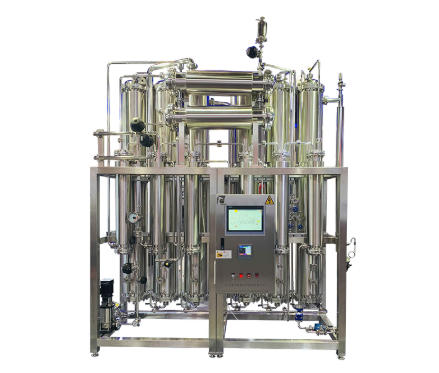
For healthcare, pharmaceutical, and industrial applications, Distillation Water Machines provide automated, continuous, and reliable water purification at a professional level. Everheal's solutions ensure compliance with USP, EP, and GMP water standards, ideal for hospitals, labs, and production facilities.
How a Distillation Water Machine Works
A Distillation Water Machine uses a multi-stage purification process:
1. Pre-heating: Raw water passes through a preheater to optimize energy use.
2. Boiling and Evaporation: The system generates vapor through electric or steam heating.
3. Separation: Steam is separated from non-volatile contaminants, ensuring total removal of heavy metals and organics.
4. Condensation: Steam travels through a condenser coil to produce distilled water.
5. Collection and Storage: The pure water is stored in stainless steel tanks for distribution.
Everheal systems precisely control temperature, pressure, and flow rate to maintain consistent water quality, meeting even the most demanding purity levels for medical devices like CPAP, autoclaves, and sterile production lines.
Industrial Applications of Distillation Water Machines
Though the CPAP user only needs small quantities, the same purification standards apply to industries that demand sterile water environments.
1. Pharmaceutical Manufacturing
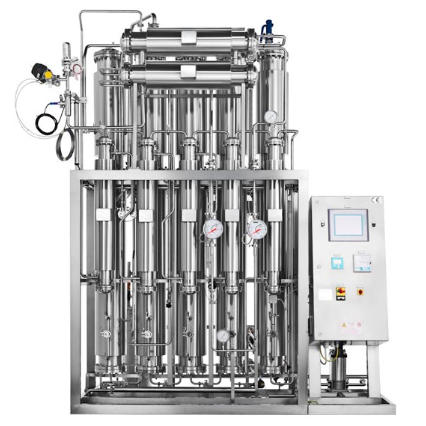
Distilled water is essential in drug formulation, injection preparation, and equipment cleaning. Everheal's multi-effect Distillation Water Machines help pharmaceutical plants produce Water for Injection (WFI) safely and efficiently.
2. Laboratory and Clinical Use
Clinical devices, diagnostic tests, and sterilization chambers rely on high-purity distilled water to avoid false results or contamination.
3. Food and Beverage Industry
Distilled water ensures ingredient consistency and improves shelf life in beverage and nutritional product manufacturing.
4. Electronics and Semiconductor Sectors
Distilled water eliminates conductivity issues when cleaning delicate electronic components.
Advantages of Using a Distillation Water Machine
If you require large quantities of high-grade distilled water, investing in a Distillation Water Machine is worthwhile. Here are its main benefits:
- Exceptional purity: Removes 99.9% of contaminants.
- Continuous operation: Produces distilled water non-stop for large-scale needs.
- Energy efficiency: Multi-effect distillation reuses thermal energy, reducing cost.
- Durable structure: Built from corrosion-resistant stainless steel with a long service life.
- Automation: Intelligent control systems manage temperature, pressure, and volume automatically.
These features make it the cornerstone of modern clean water production for sensitive medical and pharmaceutical applications.
Maintaining a Distillation Water Machine
To ensure optimal performance and long product life, proper maintenance is essential.
Key Maintenance Steps
1. Regular cleaning: Prevents mineral scale and microbial growth in heated components.
2. Filter inspection: Replace inlet filters periodically to maintain water clarity.
3. Check seals and pumps: Avoid air leaks that can affect pressure balance.
4. Monitor conductivity: Regularly test output water to confirm purity levels.
5. Calibrate sensors: Maintain accurate temperature and flow readings with scheduled calibration.
Everheal provides service packages and spare parts support to keep your system running efficiently.
Safety and Quality Assurance
For industrial water generation, following proper standards is crucial. Everheal's Distillation Water Machines meet various international certifications, including ISO 9001, GMP, and CE. Every unit is validated through quality testing and performance verification before delivery.
Our systems are also compatible with CIP (Clean-in-Place) and SIP (Sterilization-in-Place) functions, ensuring sterilization and hygiene during water production — a key factor in pharmaceutical operations.
Comparing Distilled, Deionized, and Reverse Osmosis Water
| Type of Water | Process | Impurities Removed | Best Used For |
| Distilled Water | Boiling and condensation | Minerals, solids, bacteria | CPAP machines, labs, medical equipment |
| Deionized Water | Ion exchange resins | Ionic contaminants | Electronics, battery refills |
| Reverse Osmosis (RO) Water | Membrane filtration under pressure | Most dissolved solids | Drinking, aquariums, industrial pre-treatment |
While RO or deionized water is clean, they don't guarantee the same level of sterilization as distillation. For sensitive medical devices, distilled water remains the safest choice.
Environmental and Economic Benefits
Using a Distillation Water Machine not only guarantees purity but also promotes sustainability.
- Reduced plastic waste: On-site production cuts bottled water use.
- Efficient heat recovery: Saves energy through multi-effect distillation.
- Scalable production: Systems can be customized according to consumption needs.
Everheal's modular designs allow optimal capacity configuration – from small hospitals to large pharmaceutical plants – minimizing operational costs while ensuring compliance.
Integrating Everheal Distillation Water Machines into Your Facility
Everheal doesn't just manufacture equipment — we design complete turnkey solutions. Our engineers evaluate each facility's layout, water source, regulatory requirements, and budget to tailor a Distillation Water Machine that fits seamlessly into your line.
Our Core Offerings Include
- Pure water preparation systems
- Multi-effect Distillation Water Machines
- Pure steam generators
- Sterilization and filling systems
- Custom water loop distribution design
Each project is backed by engineering consultation, installation guidance, and after-sales training.
Best Practices for Storing Distilled Water
Whether you produce it at home or in an industrial system, proper storage preserves purity.
- Use sealed stainless-steel or glass containers.
- Store at cool temperatures, away from sunlight.
- Avoid long-term storage — prepare only what you'll use within a few days.
- Label containers with production date and intended use.
For medical applications, follow your CPAP manufacturer's recommendations to maintain hygiene.
Conclusion
Distilled water is the lifeline of your CPAP machine — protecting your health, improving sleep quality, and preserving device performance. While small quantities can be made at home, consistent quality and sterility are best achieved with a Distillation Water Machine. For hospitals, clinics, and manufacturers requiring precise water purity, Everheal delivers advanced solutions backed by engineering expertise and global quality standards.
By understanding the process and technology behind distilled water, you ensure both safety and efficiency — one drop at a time.
FAQs
1. What kind of water should I use in my CPAP machine?
Always use distilled water. It prevents mineral buildup and bacterial contamination, keeping your CPAP device functioning safely and effectively.
2. Can I use bottled or filtered water instead of distilled water?
No. Bottled or filtered water may still contain minerals and impurities. Only distilled water ensures complete purity and equipment safety.
3. How long can I store distilled water for CPAP use?
It's best to use distilled water within 3–5 days. Store it in clean, airtight glass containers away from sunlight to maintain quality.
4. What's the difference between home-distilled water and water from a Distillation Water Machine?
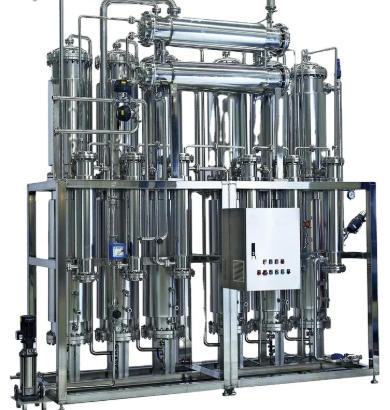
Home-distilled water is suitable for small personal use. However, industrial-grade Distillation Water Machines produce consistently pure water with precise temperature and pressure control, making them reliable for medical and pharmaceutical use.
5. How often should I clean my Distillation Water Machine?
For heavy usage, clean and sanitize components weekly or as recommended by the manufacturer. Regular maintenance ensures stable performance and compliance with purity standards.


