Content Menu
● Understanding the Role of Infusion Bags in Chemotherapy
>> What Is an Infusion Bag?
● Preparation Before Hanging a New Infusion Bag
>> Steps of Preparation
● The Correct Technique: Hanging a New Infusion Bag
>> Step 1: Gather Equipment
>> Step 2: Perform Hand Hygiene
>> Step 3: Prepare the Infusion Line
>> Step 4: Inspect and Spike the Infusion Bag
>> Step 5: Prime the Line
>> Step 6: Hang the Infusion Bag
>> Step 7: Adjust the Flow and Initiate Infusion
● Importance of Asepsis and Equipment Integrity
● Handling Cytotoxic Spills and Accidents
● The Role of Infusion Bag Design in Efficiency
● Safety and Sterility Validation
● Environmental Control in Infusion Bag Manufacturing
● Maintenance of Infusion Equipment in Clinical Settings
● Conclusion
● FAQ
>> 1. What materials are used to make an Infusion Bag?
>> 2. How often should Infusion Bags be inspected in use?
>> 3. What safety measures protect staff handling Infusion Bags containing chemotherapy drugs?
>> 4. How does Everheal support Infusion Bag production for chemotherapy applications?
>> 5. Can Infusion Bags be reused after sterilization?
The administration of chemotherapy drugs is one of the most delicate and critical processes in modern healthcare. Every step must be executed with accuracy, sterility, and consistency to ensure patient safety. Among these steps, hanging a new Infusion Bag of a chemotherapy drug might seem simple, but it requires a deep understanding of aseptic techniques, the chemical stability of cytotoxic drugs, and the mechanical precision of modern infusion systems.
As a global provider of pharmaceutical equipment, Everheal supports hospitals, pharmaceutical manufacturers, and clinical laboratories with integrated solutions — from pure water preparation systems and multi-effect distillation units to liquid filling and sealing machines. Each of these systems contributes to the efficiency, purity, and safety of infusion therapy equipment production, especially the manufacturing process of Infusion Bags used in chemotherapy.
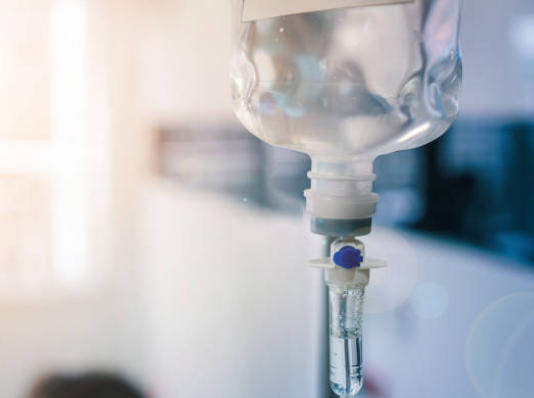
Understanding the Role of Infusion Bags in Chemotherapy
What Is an Infusion Bag?
An Infusion Bag is a sterile, flexible container typically made from medical-grade polymer materials such as polyethylene or polypropylene. It holds liquid medications that are delivered intravenously to a patient through a controlled flow rate. In chemotherapy, the Infusion Bag contains cytotoxic drugs — powerful medicines designed to destroy cancer cells.
Infusion Bags are used because they:
- Provide precise dose control.
- Ensure aseptic delivery of intravenous solutions.
- Prevent contamination during transportation and administration.
- Support compatibility with automated infusion systems or drip sets.
Preparation Before Hanging a New Infusion Bag
Before hanging a new Infusion Bag of a chemotherapy drug, preparation is vital. Chemotherapy drugs are among the most hazardous medications in hospital environments. Incorrect handling can lead to severe consequences for both patients and healthcare personnel.
Steps of Preparation
1. Verify the Prescription and Patient Information:
Double-check the chemotherapy protocol, patient name, infusion dosage, and sequence of administration. Medication errors are serious risks in oncology.
2. Inspect the Infusion Bag:
Examine the Infusion Bag for leaks, cloudiness, discoloration, or any compromise in sealing. Everheal's liquid filling and sealing systems are designed to minimize such quality issues through automated integrity inspection.
3. Check Drug Compatibility and Expiration:
Chemotherapy drugs often degrade or react when mixed improperly. Ensure the Infusion Bag matches the prescribed compound and is within its expiration date.
4. Prepare Personal Protective Equipment (PPE):
Nurses and pharmacists should wear chemotherapy-rated gloves, fluid-resistant gowns, eye protection, and respirators if aerosolization is possible.
5. Work Under a Safety Cabinet (if applicable):
Use laminar flow hoods or biological safety cabinets to reduce the risk of airborne contamination while preparing the Infusion Bag.
The Correct Technique: Hanging a New Infusion Bag
The process of hanging a new Infusion Bag must maintain sterility and control drug delivery precision. Below are the detailed steps healthcare professionals should follow:
Step 1: Gather Equipment
Collect the infusion set, sterile alcohol swabs, gloves, infusion stand, sterile caps, and of course, the new Infusion Bag of the chemotherapy drug. Ensure that all materials are within reach before beginning the procedure.
Step 2: Perform Hand Hygiene
Wash hands thoroughly with antiseptic soap for at least 40 seconds, dry with sterile towels, and apply alcohol-based sanitizer before handling the Infusion Bag.
Step 3: Prepare the Infusion Line
Remove the used Infusion Bag and dispose of it according to cytotoxic waste protocols. Clean the infusion stand and check for any residual chemicals. Attach the new tubing or confirm the current line's compatibility with the chemotherapy agent in the new Infusion Bag.
Step 4: Inspect and Spike the Infusion Bag
Hold the Infusion Bag at eye level and check again for any visible abnormalities. Then, insert the sterile spike of the infusion set into the appropriate port of the Infusion Bag without touching the connection area with bare hands.
In Everheal's advanced aseptic filling systems, such connections are pre-tested for sealing efficiency and particle-free finishes, which help avoid contamination risks during clinical use.
Step 5: Prime the Line
Allow the chemotherapy drug to flow slowly through the tubing to remove any air bubbles. This ensures accurate fluid delivery once the infusion starts. Air in the line can cause dangerous embolisms.
Step 6: Hang the Infusion Bag
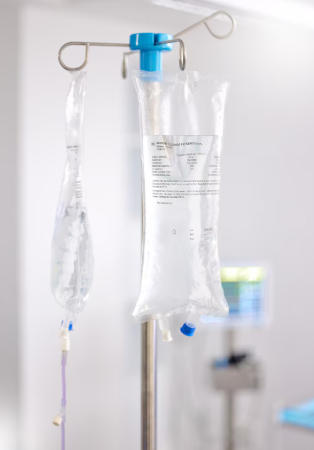
Place the Infusion Bag onto an infusion stand, ensuring it hangs upright with no kinks in the tubing. Label the bag with essential information: drug name, concentration, preparation time, and patient ID.
Step 7: Adjust the Flow and Initiate Infusion
Set the infusion pump or manual drip rate according to the physician's orders. Observe the patient closely during the first minutes of infusion for any adverse reactions.
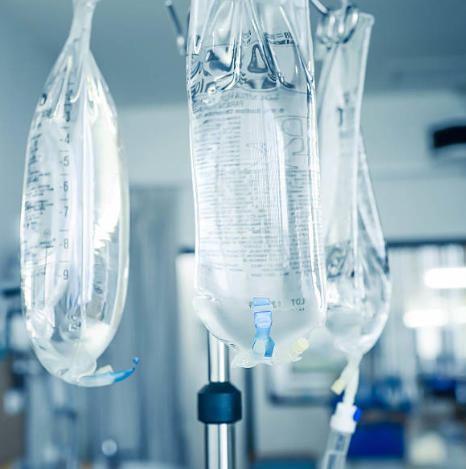
Importance of Asepsis and Equipment Integrity
Every Infusion Bag depends on the sterile quality of the production process. From raw water used in diluent preparation to the materials used in the bag itself, contamination control is fundamental.
Everheal's pharmaceutical equipment ensures this through:
- Pure Water Preparation Systems: Delivering pharmaceutical-grade purified water for drug solution preparation.
- Pure Steam Generators: Providing reliable sterilization for Infusion Bags, filling lines, and container seals.
- Liquid Filling and Sealing Machines: Guaranteeing precise dose control and airtight sealing.
- Sterilization Systems: Validating microbial-free conditions for both liquid products and packaging materials.
By integrating these solutions, drug manufacturers can achieve higher yield rates, cleaner environments, and compliance with GMP standards — ultimately protecting the patient at the end of the supply chain.
Handling Cytotoxic Spills and Accidents
In rare situations, if the Infusion Bag leaks or bursts, immediate containment procedures are required:
- Stop the infusion process immediately.
- Do not touch any spilled material with bare hands.
- Use chemotherapy spill kits and absorbent pads.
- Dispose of contaminated surfaces and PPE in sealed cytotoxic waste containers.
- Notify the safety officer and document the incident following hospital protocol.
Everheal also provides customized cleanroom layout planning to reduce such hazards during compounding and infusion bag storage.
The Role of Infusion Bag Design in Efficiency
Modern Infusion Bag design has evolved beyond simple medical packaging. Today's Infusion Bags feature multi-layer barrier films, anti-leak welds, and aseptic connection ports. Innovations such as dual-chamber Infusion Bags allow separate storage of base liquids and powdered chemotherapy drugs until the moment of use.
Everheal supports manufacturers in optimizing Infusion Bag production lines, including:
- Heat welding precision systems for multi-layer bags.
- Automated filling and capping machines.
- CIP/SIP-ready (Clean-in-Place/Sterilize-in-Place) production modules.
- Integrated inspection equipment for particle detection.
These technologies enhance both patient safety and manufacturing efficiency.
Safety and Sterility Validation
Every Infusion Bag must undergo validation to prove its pharmaceutical safety. Validation involves:
- Integrity testing (checking for leaks or microholes).
- Compatibility testing (drug stability within the Infusion Bag).
- Endotoxin and microbial testing (sterility assurance).
Everheal's multi-effect distillation systems and pure steam generators are widely used by manufacturers worldwide to achieve validated sterile environments that meet US FDA, EU GMP, and Chinese NMPA standards.
Environmental Control in Infusion Bag Manufacturing
The packaging of chemotherapy drugs requires environments classified ISO 7 or ISO 8 under GMP cleanroom standards. These controlled conditions minimize airborne particle contamination during the Infusion Bag filling process.
Key factors include:
- Air filtration (HEPA systems).
- Positive pressure maintenance.
- Controlled temperature and humidity.
- Continuous monitoring of particulate and microbial loads.
By designing complete factory layouts, Everheal assists clients in achieving optimal workflow — from purified water production to Infusion Bag sterilization — supporting global competitiveness.
Maintenance of Infusion Equipment in Clinical Settings
Hospitals and clinics must regularly inspect infusion pumps, tubing systems, and infusion stands used with chemotherapy Infusion Bags. Regular calibration, cleaning, and component replacement prevent dosing errors and maintain sterility.
Maintenance checklist:
- Check infusion pump calibration weekly.
- Inspect drip sets for cracks or residue.
- Clean clamps and valves with medical-grade disinfectants.
- Replace infusion stands that show signs of corrosion or instability.
Proper maintenance not only protects patients but also prolongs the service life of medical assets — a principle deeply aligned with Everheal's philosophy of precision and longevity in pharmaceutical manufacturing.
Conclusion
The task of hanging a new Infusion Bag of a chemotherapy drug represents far more than a simple clinical action. It involves an intricate connection between precision-engineered equipment, sterile pharmaceutical production, and careful nursing practice. From manufacturing the Infusion Bag itself to its final use in a hospital, each step demands exacting quality control.
At Everheal, we understand these complexities. Our holistic systems — from pure steam generators to automated filling and sterilization equipment — help manufacturers produce Infusion Bags that meet the world's most demanding standards. Through continuous innovation and technical excellence, we enable healthcare providers to deliver safer, more reliable, and more effective chemotherapy treatments worldwide.
FAQ
1. What materials are used to make an Infusion Bag?
Most Infusion Bags are made from polypropylene (PP), polyethylene (PE), or multilayer copolymers that resist chemical reactions with cytotoxic drugs. These materials maintain durability while ensuring minimal drug absorption or leaching.
2. How often should Infusion Bags be inspected in use?
Each Infusion Bag should be visually examined before use for leaks, discoloration, or compromised seals. During infusion, healthcare staff should monitor for bulging or flow issues continuously.
3. What safety measures protect staff handling Infusion Bags containing chemotherapy drugs?
Staff must wear PPE such as gloves, gowns, and masks. Work should be performed under biological safety cabinets, and spills should be managed using chemotherapy spill kits.
4. How does Everheal support Infusion Bag production for chemotherapy applications?
Everheal provides integrated pharmaceutical solutions including purified water systems, pure steam generators, liquid filling and sealing machines, and full production line design to ensure safe Infusion Bag manufacturing.
5. Can Infusion Bags be reused after sterilization?
No. Infusion Bags are single-use devices. Reusing them increases contamination risks and violates GMP and hospital safety protocols.


