Content Menu
● Understanding the Consumer Health Division
● The Role of Pharmaceutical Consumables in the Consumer Health Industry
>> Quality Control and Safety
>> Precision in Production
>> Regulatory Compliance
● Why Pharmaceutical Companies Establish Consumer Health Divisions
● Key Product Segments in Consumer Health
● Integration of Engineering and Consumable Production
● Manufacturing Trends in Pharmaceutical Consumables for Consumer Health
>> Sustainable Materials
>> Single-use Technology
>> Digital Validation and Traceability
>> Modular Production Systems
● The Global Outlook of the Consumer Health Division
● Challenges Facing the Consumer Health Division
● Conclusion
● FAQs
>> 1. What are pharmaceutical consumables in the consumer health industry?
>> 2. How are pure water systems used in consumer health manufacturing?
>> 3. Why is sterilization important in the production of OTC products?
>> 4. What trends are shaping the pharmaceutical consumables market?
>> 5. How does Everheal support consumer health manufacturers?
In today's rapidly advancing healthcare industry, the boundaries between pharmaceuticals, medical technology, and consumer-focused health products are increasingly blurred. Among the many divisions within pharmaceutical corporations, the Consumer Health Division plays a crucial role in bridging professional medical innovations with the everyday needs of patients and health-conscious consumers. This division focuses on producing products and solutions that promote well-being, preventive care, and accessible health management — while often relying on advanced manufacturing systems, such as those offered by Everheal, including pure water preparation systems, sterilization units, and pharmaceutical consumables processing equipment.
Understanding the Consumer Health Division
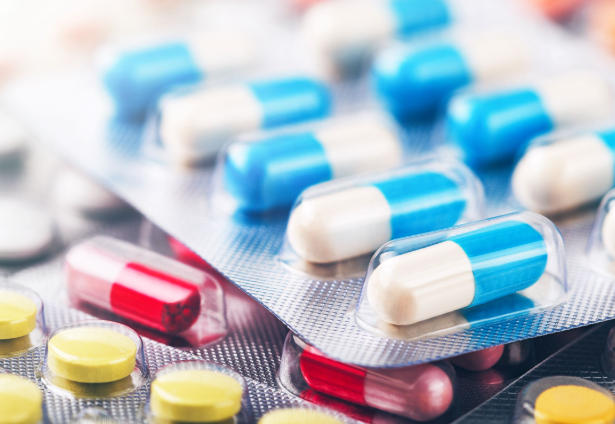
The Consumer Health Division within a pharmaceutical company typically manages over-the-counter (OTC) medicines, nutritional supplements, skincare treatments, and other self-care products. Unlike the prescription drug segment—which targets healthcare professionals and hospitals—this division develops health solutions designed directly for consumers.
Pharmaceutical companies establish such divisions to diversify their portfolios and meet growing global demand for easily accessible health products. This segment has grown significantly, driven by rising global health awareness, aging populations, and increasing consumer interest in preventive healthcare.
Consumer health divisions rely heavily on pharmaceutical consumables such as sterile filtration materials, packaging components, water purification systems, and aseptic filling technologies. High-quality consumables ensure that every product—from vitamin supplements to nasal sprays—maintains safety, stability, and compliance with international pharmaceutical standards.
The Role of Pharmaceutical Consumables in the Consumer Health Industry
Quality Control and Safety
In the manufacturing of consumer health products, pharmaceutical consumables serve as the backbone of hygienic and sterile production. These include water for injection (WFI) systems, filtration assemblies, cleanroom disposables, and filling machine components. Equipment like Everheal's pure steam generators and purified water systems are pivotal in maintaining consistent purity levels and preventing microbial contamination.
Every stage of production—from ingredient preparation to final packaging—relies on reliable consumables to ensure compliance with international GMP (Good Manufacturing Practice) standards. For example, the use of distilled water produced through Everheal's multi-effect distillation systems guarantees product safety and chemical consistency.
Precision in Production
Pharmaceutical consumables also contribute to the precision and reproducibility of the manufacturing process. Sterile transfer bags, tubing systems, and filter cartridges prevent contamination and cross-contact between batches. Such precision ensures that over-the-counter drugs and dietary supplements maintain the same level of efficacy across every production cycle.
Regulatory Compliance
Health authorities, including the U.S. FDA and the European Medicines Agency (EMA), demand that all consumer health products be produced with validated equipment and consumables. Without high-standard pharmaceutical consumables, it becomes impossible for manufacturers to maintain the required documentation, traceability, and microbiological control.
Why Pharmaceutical Companies Establish Consumer Health Divisions
There are several strategic and commercial reasons behind the development of consumer health divisions within pharmaceutical companies:
1. Market Diversification:
While prescription drug markets face regulatory hurdles and patent expiration risks, consumer health offers more flexible growth opportunities with quicker product development cycles.
2. Brand Evolution:
By connecting directly with consumers, pharmaceutical companies strengthen brand loyalty and awareness. OTC pain relievers, vitamins, and probiotics often become household names, creating lasting trust among consumers.
3. Revenue Stability:
The consumer health market is less volatile than the prescription segment, providing a steady revenue stream during patent cliffs or R&D delays.
4. Preventive Healthcare Trend:
Increasing global attention on wellness and immunity has boosted demand for accessible healthcare products. Consumer health divisions allow pharma companies to meet this trend effectively through innovation in pharmaceutical consumables and product development.
Key Product Segments in Consumer Health
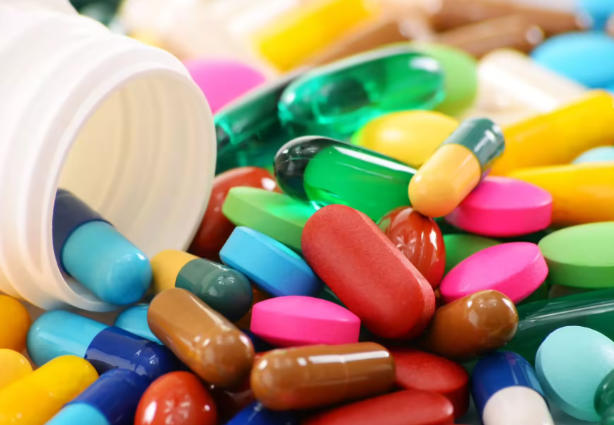
The consumer health category spans multiple product types, often divided into several sub-segments:
- OTC Medicines: Medication available without prescription, such as pain relievers, cough syrups, and antacids.
- Vitamins & Supplements: Nutritional enhancement products that support general well-being.
- Dermatological Solutions: Topical creams, wound care, and skin protection products.
- Personal Hygiene Products: Sanitizers, disinfectants, and general wellness consumables.
Each of these categories depends on reliable pharmaceutical consumables to maintain quality during filtration, filling, sealing, and sterilization. Everheal's liquid filling and sealing machines, for instance, ensure aseptic handling during the final production stage, preserving the product's purity and longevity.
Integration of Engineering and Consumable Production
For companies like Everheal, understanding the needs of the Consumer Health Division provides not only a business opportunity but also an engineering challenge. Designing integrated systems that combine pure water generation, multi-effect distillation, pure steam production, and sterilization lines ensures the safety of both pharmaceutical and consumer health products.
The synergy between equipment and consumables plays a vital role in optimizing productivity and ensuring consistent quality outcomes. In a typical consumer health plant:
- Pure Water Systems generate purified water for ingredient dissolution and cleaning.
- Pure Steam Generators sterilize process lines and packaging equipment.
- Multi-effect Distillation Units produce high-quality distilled water for injections and formulations.
- Liquid Filling & Sealing Machines handle sensitive formulations aseptically.
- Sterilization Systems ensure microbial control before product dispatch.
By integrating these technologies with GMP-grade consumables, manufacturers achieve a controlled environment where contamination risks are minimized.
Manufacturing Trends in Pharmaceutical Consumables for Consumer Health
Sustainable Materials
A shift toward environmentally responsible pharmaceutical consumables is changing the industry landscape. The use of recyclable and biocompatible materials in packaging and filtration reduces ecological footprints and aligns with corporate sustainability goals.
Single-use Technology
Consumer health manufacturing increasingly adopts single-use systems to improve efficiency and reduce cleaning validation cycles. For example, single-use bags, connectors, and tubing assemblies decrease downtime and contamination risks during production shifts.
Digital Validation and Traceability
With the rise of digital manufacturing, pharmaceutical companies employ connected systems to track consumable usage, sterilization cycles, and batch conformity. Smart labeling and QR-tracked components enhance traceability throughout the supply chain.
Modular Production Systems
Flexible and modular plant designs make it easier to scale production of consumer healthcare products. When combined with automated validation and fully compatible pharmaceutical consumables, manufacturers can quickly adapt to new demand patterns or regulatory changes.
The Global Outlook of the Consumer Health Division
The global consumer health market has experienced robust growth over the past decade, surpassing USD 330 billion and continuing to rise. The COVID-19 pandemic further accelerated demand for immunity-boosting supplements, sanitizers, and disinfection products, setting a new stage for innovation in consumables and production technologies.
Regions such as Asia-Pacific and Europe show significant expansion in health-conscious consumer behavior. For manufacturers, this expands the need for advanced pharmaceutical consumables that ensure cost-effective scalability while meeting international safety standards.
Everheal's presence in this ecosystem—providing reliable pure water preparation and sterilization equipment—serves as a cornerstone for global health companies aiming to achieve sustainable, high-capacity, and compliant production.
Challenges Facing the Consumer Health Division
Despite its growing potential, this division faces unique challenges:
- Regulatory Complexity: Consumer health products may fall into different regulatory categories depending on regional guidelines.
- Supply Chain Risks: Dependence on global suppliers for pharmaceutical consumables can lead to disruptions during crises.
- Quality Consistency: Maintaining homogenous quality while scaling production volumes remains a difficult task.
- Innovation Pressure: Constant consumer demand for new, effective, and natural ingredients drives the need for rapid R&D adaptation.
Everheal helps minimize some of these challenges by providing dependable, GMP-certified equipment that optimizes water and steam purity, essential for consistent product quality.
Conclusion
The Consumer Health Division of a pharmaceutical company serves as the link between advanced medical science and everyday wellness. Its success depends heavily on precision manufacturing, stringent quality control, and above all, the effective use of pharmaceutical consumables. From the purity of water systems to the sterility of fill-finish operations, every detail matters in ensuring that final products are safe, efficient, and compliant.
For companies like Everheal, specializing in purified water systems, steam generators, and sterilization equipment, collaboration with consumer health manufacturers opens a pathway to global impact. As the world increasingly values convenient and preventive healthcare, the synergy between technology, equipment, and consumables will define the next era of consumer health innovation.
FAQs
1. What are pharmaceutical consumables in the consumer health industry?
Pharmaceutical consumables refer to disposable items and materials used during production, such as filters, tubing, vials, caps, and sterile packaging. They ensure that health products maintain purity and safety throughout manufacturing.
2. How are pure water systems used in consumer health manufacturing?
Pure water systems generate high-purity water used for cleaning, solution preparation, and formulation blending. These systems prevent contamination and comply with pharmacopoeia standards for purity and microbial control.
3. Why is sterilization important in the production of OTC products?
Sterilization ensures that all microbial and particulate contaminants are eliminated from equipment and packaging components. This process guarantees product safety and extends shelf life.
4. What trends are shaping the pharmaceutical consumables market?
Key trends include single-use technology, sustainability initiatives, traceability through digital labeling, and increased automation in consumable management systems.
5. How does Everheal support consumer health manufacturers?
Everheal provides customized equipment solutions, including purified water systems, pure steam generators, and sterilization units that work seamlessly with pharmaceutical consumables to ensure superior product quality and compliance.


