Content Menu
● Overview of Thailand's Pharmaceutical Manufacturing Industry
● Key Pharmaceutical Equipment Used in Thailand
● Leading Pharmaceutical Equipment Manufacturers And Suppliers in Thailand
>> Siam Pharmaceutical Machinery Co., Ltd.
>> Biolab Equipment Ltd.
>> Meditec International Co., Ltd.
>> Everheal (China)
>> Thai Engineering Works Co., Ltd.
● Imported Equipment and Global Partnerships
● Market Trends in Pharmaceutical Equipment Supply
● Why Thailand Is an Attractive Market for Equipment Suppliers
● The Future of Pharmaceutical Equipment Manufacturing in Thailand
● Conclusion
● FAQ
>> 1. What are the key types of pharmaceutical equipment used in Thailand?
>> 2. Why are foreign suppliers important to Thailand's pharmaceutical industry?
>> 3. How does Everheal support pharmaceutical companies in Thailand?
>> 4. What trends are shaping the pharmaceutical equipment market in Thailand?
>> 5. How can companies choose the right equipment supplier?
The pharmaceutical industry in Thailand has seen remarkable growth in recent years, driven by increasing investments in healthcare infrastructure and a strong demand for high-quality pharmaceutical products. This growth has created new opportunities for Pharmaceutical Equipment Manufacturers And Suppliers, both local and international, to provide advanced machinery and integrated solutions that support the country's expanding pharmaceutical production capacity.
As Thailand continues to position itself as a regional hub for pharmaceutical manufacturing, knowing the top companies and what they offer is essential for buyers, investors, and partners seeking to build reliable supply chains and upgrade production systems.
Overview of Thailand's Pharmaceutical Manufacturing Industry
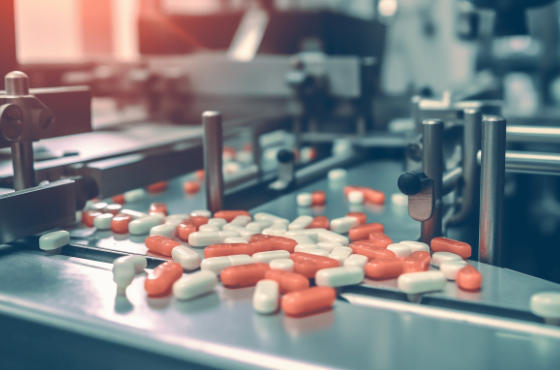
Thailand's pharmaceutical sector is one of the most developed in Southeast Asia. With strong government support and the country's strategic location, local and multinational firms have invested heavily in state-of-the-art production facilities. The market's value surpasses billions of baht annually, especially in generics, healthcare supplies, and export-oriented medicines.
Modern Thai pharmaceutical plants are equipped with advanced purification systems, sterile filling technologies, and automated production lines that comply with Good Manufacturing Practices (GMP) and World Health Organization (WHO) standards.
Pharmaceutical Equipment Manufacturers And Suppliers play a vital role in this progress by enabling companies to produce pharmaceuticals efficiently, safely, and at high quality.
Key Pharmaceutical Equipment Used in Thailand
Thailand's pharmaceutical companies rely on specialized machinery for various stages of production. Below are the essential types of equipment commonly supplied by both local and international manufacturers:
- Water Purification Systems – Used to produce purified water and water-for-injection (WFI) essential for sterile preparations.
- Pure Steam Generators – Supply clean steam for sterilization and process applications.
- Distillation Units – Multi-effect or single-effect distillers used for high purity water generation.
- Filling and Sealing Machines – Automate the dosing and packaging process for liquid and vial-based medicines.
- Sterilization Equipment – Includes autoclaves, steam sterilizers, and dry-heat sterilizers ensuring product safety.
- Cleanroom Systems – Control contamination and maintain consistent, pharmaceutical-grade air standards.
These systems form the backbone of modern pharmaceutical manufacturing facilities, supporting large-scale production and regulatory compliance.
Leading Pharmaceutical Equipment Manufacturers And Suppliers in Thailand
When it comes to Pharmaceutical Equipment Manufacturers And Suppliers in Thailand, several companies stand out for their innovation, service, and reliability. Here are some of the top names in the industry:
Siam Pharmaceutical Machinery Co., Ltd.
Siam Pharmaceutical Machinery is one of Thailand's oldest and most reputable companies offering a wide range of pharmaceutical machinery, from tablet presses to liquid filling machines. The firm provides both standard and customized solutions, covering everything from equipment installation to after-sales service.
Biolab Equipment Ltd.
Biolab specializes in supplying biotech and pharmaceutical machinery across Southeast Asia. Known for its precise equipment calibration and compliance with GMP standards, Biolab offers turnkey systems ideal for sterile production and lab-scale to production-scale projects.
Meditec International Co., Ltd.
This company imports and distributes world-class pharmaceutical machinery from European and Japanese manufacturers. Their product range includes granulators, encapsulators, filtration systems, and automated blister packaging lines. Meditec's team provides technical consultancy and validation services aligned with international quality norms.
Everheal (China)
Everheal stands out as a global Pharmaceutical Equipment Manufacturer And Supplier known for delivering customized system solutions and high-efficiency processing machinery to Thailand's pharmaceutical sector. The company provides:
- Purified Water Preparation Systems optimized for continuous operation and low maintenance.
- Pure Steam Generators designed for aseptic pharmaceutical applications.
- Multi-functional Distillation Units that produce distilled water with zero-contamination assurance.
- Liquid Filling and Sealing Machines ensuring precise and hygienic packaging.
- Sterilization Systems fully compliant with European and U.S. standards.
Apart from manufacturing, Everheal offers full engineering design and layout planning for pharmaceutical plants, assisting Thai clients in optimizing space, efficiency, and compliance with cGMP guidelines. Its focus on quality, reliability, and cost-effectiveness has made Everheal a preferred partner for many Southeast Asian pharmaceutical producers.
Thai Engineering Works Co., Ltd.
Thai Engineering Works focuses on stainless steel process systems, tanks, filters, and mixers used in both pharmaceutical and food industries. Their engineering expertise allows them to fabricate custom machines tailored to local GMP requirements with cost-effective maintenance plans.
Imported Equipment and Global Partnerships
Many of Thailand's pharmaceutical companies rely on international partnerships for advanced machinery supply. Global Pharmaceutical Equipment Manufacturers And Suppliers from China, Japan, Germany, and Italy commonly collaborate with Thai firms. This collaboration ensures technology transfer, localization of spare parts, and sustainable production management.
Foreign suppliers like Everheal, Bosch Packaging Technology, and IMA Group provide high-precision equipment that supports sterile, liquid, and solid dosage manufacturing. This combination of local and foreign manufacturers allows Thai pharmaceutical companies to maintain quality standards while reducing operation and validation time.
Market Trends in Pharmaceutical Equipment Supply
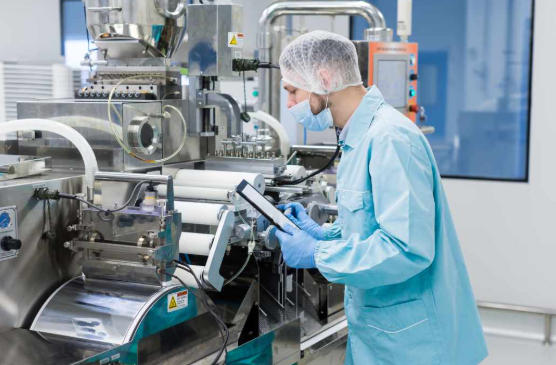
Current trends in Thailand's pharmaceutical industry reveal a strong emphasis on automation, smart control, and sustainable production. The following developments are particularly noteworthy:
- Automation and Robotics – Automated filling, labeling, and inspection systems reduce human error and improve productivity.
- Digital Process Monitoring – IoT-based monitoring tools track water purity, temperature, and sterilization cycles in real-time.
- Sustainability – New systems are designed for energy efficiency, minimizing steam and water consumption.
- Localized After-Sales Support – Global manufacturers now offer local maintenance teams for faster part replacements and reduced downtime.
- Compliance Upgrades – With strict GMP enforcement, suppliers provide validation-ready documentation to simplify regulatory audits.
These changes are transforming the relationship between pharmaceutical manufacturers and their equipment suppliers into more integrated, technology-driven partnerships.
Why Thailand Is an Attractive Market for Equipment Suppliers
Thailand's pharmaceutical industry is supported by strong demand from both domestic and ASEAN markets. Its free-trade agreements, highly skilled workforce, and investment-friendly policies make it an ideal base for pharmaceutical production and export.
Moreover, government initiatives under the Thailand 4.0 strategy encourage digital and technological innovation in healthcare manufacturing. As Thai companies expand production facilities, the demand for reliable Pharmaceutical Equipment Manufacturers And Suppliers continues to grow at a steady pace.
International companies seeking market entry benefits can explore partnerships, distributorships, or direct equipment supply to Thai firms. Offering advanced, compliance-ready technology can lead to strong local collaboration and consistent growth opportunities.
The Future of Pharmaceutical Equipment Manufacturing in Thailand
Thailand's pharmaceutical future lies in integrating digitalization, sustainability, and high-quality engineering. In the next decade, Pharmaceutical Equipment Manufacturers And Suppliers will focus on:
- Modular plant design for faster installation and expansion.
- Smart manufacturing using real-time process data.
- Sustainable production lines minimizing waste generation.
- Full compliance with evolving ASEAN GMP regulations.
Manufacturers that can offer turnkey solutions — from purified water systems to complete fill-finish lines — will be best positioned to capture Thailand's growing market share.
Conclusion
Thailand's pharmaceutical industry continues to advance thanks to the innovation brought by reliable Pharmaceutical Equipment Manufacturers And Suppliers. Companies like Everheal, Biolab, and Siam Pharmaceutical Machinery are helping local manufacturers meet global quality standards through high-performance systems and technical expertise.
As the nation aims to become a regional pharmaceutical export hub, demand for efficient, sustainable, and compliant production equipment will keep rising. Partnering with the right equipment manufacturer ensures not only long-term reliability but also regulatory confidence and improved production efficiency.
FAQ
1. What are the key types of pharmaceutical equipment used in Thailand?
Thailand's pharmaceutical companies use purified water systems, pure steam generators, distillation units, filling and sealing machines, and sterilization systems to meet manufacturing and GMP compliance needs.
2. Why are foreign suppliers important to Thailand's pharmaceutical industry?
Foreign suppliers bring advanced technology, international expertise, and validation support that help Thai manufacturers maintain world-class quality standards.
3. How does Everheal support pharmaceutical companies in Thailand?
Everheal provides custom-engineered pharmaceutical equipment, including water systems, sterilizers, and filling machines, along with plant layout design and installation services.
4. What trends are shaping the pharmaceutical equipment market in Thailand?
Key trends include automation, digital monitoring, sustainable manufacturing, and GMP-compliant innovation, helping manufacturers boost efficiency and traceability.
5. How can companies choose the right equipment supplier?
Buyers should evaluate a supplier's GMP compliance, technical support, local presence, customization ability, and proven track record in pharmaceutical projects.


