Content Menu
● Understanding the Distillation Water Machine
>> Key Components
● The Working Principle of a Distillation Water Machine
● Step-by-Step Guide: How To Use a Distillation Water Machine
>> Step 1: Preparing the Feed Water
>> Step 2: System Setup and Inspection
>> Step 3: Power On and Initial Settings
>> Step 4: Heating and Boiling Process
>> Step 5: Condensation and Collection
>> Step 6: Monitoring Output Quality
>> Step 7: Shutdown Procedure
● Maintenance and Cleaning Tips
● Common Applications in the Pharmaceutical Industry
● Advantages of Using a Distillation Water Machine
● Troubleshooting Common Issues
● Safety Precautions When Using a Distillation Water Machine
● Conclusion
● FAQs About Distillation Water Machines
>> 1. What is the difference between single-effect and multi-effect Distillation Water Machines?
>> 2. Can I use tap water in a Distillation Water Machine?
>> 3. How often should I clean the Distillation Water Machine?
>> 4. What conductivity should distilled water have?
>> 5. How do I know my Distillation Water Machine is performing correctly?
In modern pharmaceutical and healthcare manufacturing, Distillation Water Machines play a vital role in ensuring water purity for production, cleaning, and sterilization processes. Distilled water is free from impurities, minerals, microorganisms, and pyrogens, making it a preferred choice for laboratories, medical equipment cleaning, and industrial applications.
For companies involved in pharmaceutical manufacturing and life sciences, understanding how to use a Distillation Water Machine correctly ensures consistent product quality and regulatory compliance. This article will guide you through the complete operation process, working principles, maintenance practices, and best usage tips.
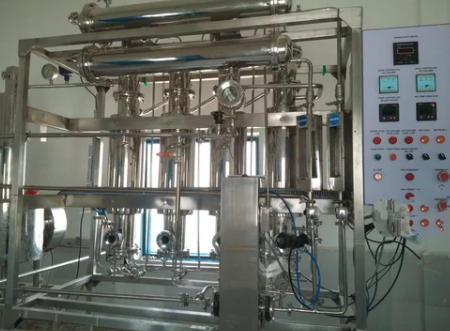
Understanding the Distillation Water Machine
A Distillation Water Machine (also known as a distilled water generator or water distiller) is designed to purify raw feed water by converting it to steam and condensing it back into pure water. This process effectively removes contaminants, volatile chemicals, heavy metals, and microorganisms.
Key Components
The main components of a pharmaceutical-grade Distillation Water Machine include:
- Boiling Chamber: Heats raw water to produce steam.
- Condenser: Cools and converts steam into distilled water.
- Storage Tank: Collects purified water for further use.
- Electric Heating System or Steam Heating Jacket: Provides thermal energy for distillation.
- Monitoring Sensors: Control temperature, flow rate, and pressure for quality assurance.
Everheal's advanced Distillation Water Machines integrate automatic control systems, conductivity monitoring, and stainless steel piping to guarantee high output purity.
The Working Principle of a Distillation Water Machine
The operation principle of a Distillation Water Machine is based on phase change—turning liquid water into steam and back into liquid—to separate dissolved solids, salts, and organic matter.
1. Feed water enters the boiling chamber through pre-filtration and heating stages.
2. Heating elements or steam jackets raise the water temperature until it begins to vaporize.
3. Steam rises while impurities remain in the chamber.
4. The steam passes through a condenser, where cooling water or air converts it back to pure water.
5. The distilled water is collected in a storage tank, ready for pharmaceutical, laboratory, or industrial use.
This method ensures purity levels that meet international pharmaceutical standards such as USP, EP, and JP.
Step-by-Step Guide: How To Use a Distillation Water Machine
Step 1: Preparing the Feed Water
Start by checking that the raw water source (e.g., purified water or deionized water) meets the input quality requirements of the machine. Remove suspended solids through a pre-filter system to avoid scale buildup.
Step 2: System Setup and Inspection
Ensure that all pipes, tanks, and valves are properly connected. Verify that the electrical supply, cooling water, and steam inlets are operating within required parameters. Inspect the sealing rings, joints, and safety valves before each operation.
Step 3: Power On and Initial Settings
Turn on the main power supply and check the display interface. Set operational parameters such as boiling temperature, distillation rate, and conductivity thresholds. Many Everheal Distillation Water Machines include digital panels for simple control and automatic parameter adjustment.
Step 4: Heating and Boiling Process
Once started, the heating system increases the temperature of raw water until evaporation begins. Steam rises through the separation column, leaving behind non-volatile contaminants. The system's design ensures maximum efficiency and minimal water loss.
Step 5: Condensation and Collection
The steam enters the condenser, where it cools and forms distilled water drops. These are then collected in a sterile stainless-steel tank or distributed directly into the production line. Avoid touching any open outlets to prevent contamination.
Step 6: Monitoring Output Quality
Check the conductivity, temperature, and TOC (Total Organic Carbon) values of the produced distilled water. Pharmaceutical production requires continuous monitoring to ensure compliance with water-for-injection (WFI) standards.
Step 7: Shutdown Procedure
After production, switch off the heating system first, allowing residual steam to dissipate. Then close the inlet water and power supply. Drain remaining water from the boiling chamber to prevent scale formation.
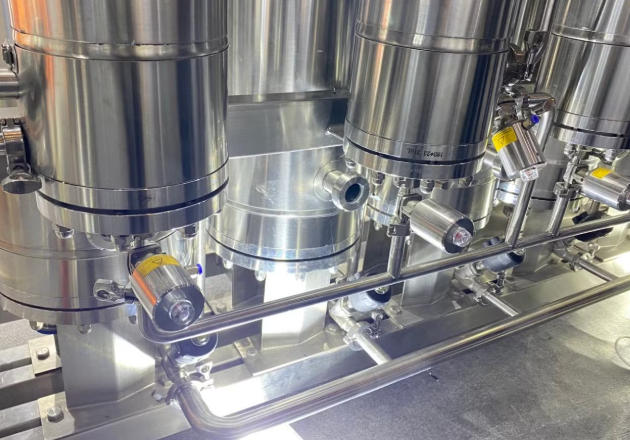
Maintenance and Cleaning Tips
To keep your Distillation Water Machine in optimal condition, regular maintenance is essential.
- Descale regularly: Remove mineral deposits from the boiling chamber using mild acids recommended by the manufacturer.
- Clean the condenser: Prevent microbial growth and residue accumulation.
- Check gaskets and seals: Replace worn-out seals to prevent steam leakage.
- Calibrate sensors and probes: Conductivity and temperature probes should be checked every few months.
- Schedule professional servicing: Annual inspection by technicians ensures the machine's long-term performance.
Everheal provides comprehensive maintenance plans for pharmaceutical clients, ensuring uninterrupted pure water production.
Common Applications in the Pharmaceutical Industry
A Distillation Water Machine is indispensable in industries where water purity determines the quality of the final product. Key applications include:
- Pharmaceutical production lines: For producing purified water and water for injection (WFI).
- Laboratories: Used in analytical and testing environments.
- Sterilization systems: Providing clean steam or distilled water for autoclaves and washing.
- Cosmetics manufacturing: Ensures formulation stability and product safety.
- Biotechnology: Supplies ultrapure water for cell culture and reagent preparation.
With its robust design and high water purity output, Everheal's Distillation Water Machine serves both small-scale laboratories and large-scale pharmaceutical facilities worldwide.
Advantages of Using a Distillation Water Machine
- High purity: Removes 99.99% of impurities, ensuring ultra-clean output.
- Durability: Stainless steel structure for corrosion resistance and longevity.
- Automation: Advanced control panels for automatic start, stop, and monitoring.
- Energy efficiency: Multiple-effect distillation design reduces power consumption.
- Regulatory compliance: Conforms to cGMP, FDA, and WHO standards.
Investing in a high-quality Distillation Water Machine is not only a compliance measure but also an efficiency strategy for pharmaceutical manufacturing operations.
Troubleshooting Common Issues
Even the best machines require periodic troubleshooting to maintain efficiency.
- Low distillate output: Check the feed water flow rate or heating system.
- High conductivity readings: Inspect the condenser and reboiling chamber for contamination.
- Excessive noise or vibration: May indicate scale buildup or uneven pressure distribution.
- Overheating alarms: Ensure water level sensors are clean and functioning properly.
Keeping a log of operational data helps identify recurring problems and supports preventive maintenance planning.
Safety Precautions When Using a Distillation Water Machine
Operating a Distillation Water Machine involves high-temperature steam and pressurized systems. Follow these precautions:
- Always wear protective gloves and goggles during operation.
- Do not open the boiling chamber while it's under pressure.
- Ensure proper ventilation in the installation area.
- Regularly check safety valves, pressure gauges, and temperature sensors.
- Keep documentation of all maintenance and calibration work.
By enforcing strict safety protocols, pharmaceutical companies can reduce downtime and improve workplace safety.
Conclusion
Using a Distillation Water Machine effectively requires understanding its working principle, operational procedure, and maintenance requirements. By following correct steps—from feed water preparation to shutdown—you can ensure consistent high-quality distilled water for pharmaceutical production, laboratory research, or industrial applications.
Everheal's advanced Distillation Water Machines offer scalable solutions, energy efficiency, and user-friendly automation features tailored to meet international pharmaceutical standards. With proper operation and care, your machine will deliver pure, reliable water for years of service.
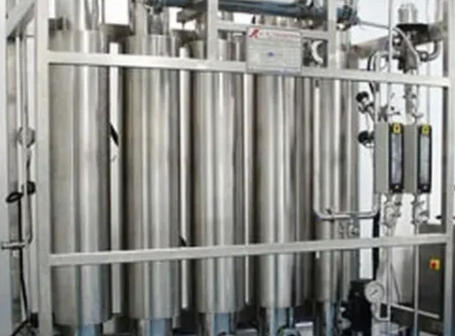
FAQs About Distillation Water Machines
1. What is the difference between single-effect and multi-effect Distillation Water Machines?
Single-effect machines use one boiling and condensation cycle, while multi-effect models reuse steam energy across several stages for higher efficiency and lower operating costs.
2. Can I use tap water in a Distillation Water Machine?
It is not recommended. Tap water contains minerals and chlorine that can damage internal components. Use pretreated or purified feed water for best results.
3. How often should I clean the Distillation Water Machine?
For continuous operation, cleaning every two weeks is ideal. In pharmaceutical use, schedule maintenance according to GMP validation protocols.
4. What conductivity should distilled water have?
Pharmaceutical-grade distilled water generally has a conductivity below 1.3 µS/cm at 25°C, depending on system calibration and regional standards.
5. How do I know my Distillation Water Machine is performing correctly?
Monitor key parameters such as distillate flow rate, temperature, and conductivity. Consistent readings within the acceptable range indicate stable performance.


