Content Menu
● Understanding Washable Air Filters
>> What Is a Washable Air Filter?
>> How Does a Washable Air Filter Work?
● Importance of Regular Filter Cleaning
>> Key Benefits of Regular Cleaning
● Factors Affecting Cleaning Frequency
>> 1. Environmental Conditions
>> 2. Airflow Volume and System Load
>> 3. Type of Filter Material
>> 4. Process Sensitivity
>> 5. Cleaning and Drying Quality
● Recommended Cleaning Frequency
● Step-by-Step Cleaning Procedure
>> Step 1: Power Down and Remove the Filter
>> Step 2: Initial Dust Removal
>> Step 3: Washing
>> Step 4: Rinsing and Drying
>> Step 5: Reinstallation
● Common Mistakes to Avoid
● Maintenance Best Practices
● Conclusion
● FAQ
>> 1. How can I tell when my Washable Air Filter needs cleaning?
>> 2. Can I use chemicals to clean the filter?
>> 3. How often should filters in cleanrooms be maintained?
>> 4. What happens if I don't clean it regularly?
>> 5. How long can a Washable Air Filter last?
Air filtration efficiency is one of the key factors determining the reliability and hygiene level of any modern production environment—especially in sectors such as pharmaceuticals, food processing, and electronics manufacturing. For enterprises like Everheal, a leader in pharmaceutical equipment, maintaining pristine air quality through well-maintained Washable Air Filters is essential to meet global GMP (Good Manufacturing Practice) standards.
This article explores how often a Washable Air Filter should be cleaned, what influences cleaning frequency, and how proper maintenance impacts system performance, product quality, and operational costs.

Understanding Washable Air Filters
What Is a Washable Air Filter?
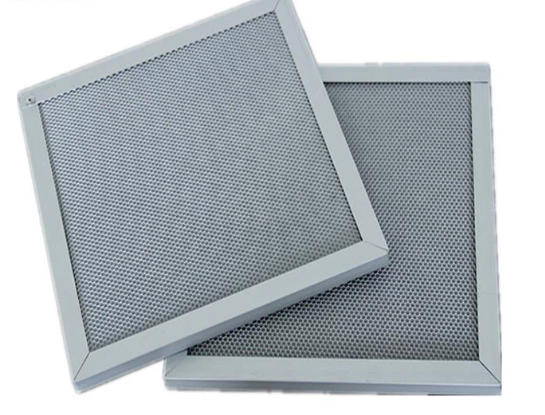
A Washable Air Filter is a reusable filtration device designed to trap dust particles, microorganisms, and airborne contaminants before they enter sensitive equipment or clean areas. Unlike disposable filters, washable filters can be cleaned, dried, and reused—making them both eco-friendly and cost-effective.
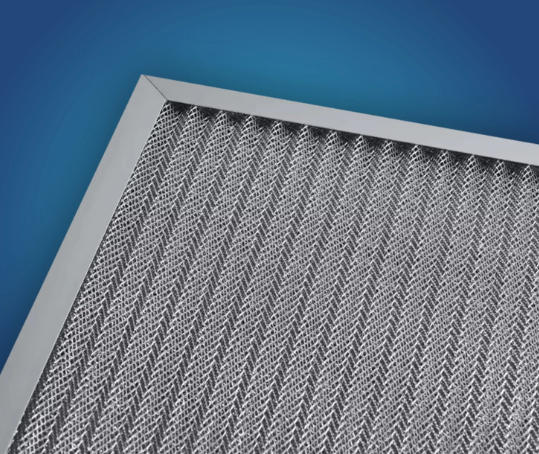
Most washable filters are made from woven aluminum mesh, electrostatic fibers, or polymer-based materials that capture particles through mechanical and electrostatic attraction. They are used in HVAC systems, production lines, air-handling units, and laboratory ventilation systems.
How Does a Washable Air Filter Work?
When air passes through the Washable Air Filter, contaminants adhere to the mesh layers while clean air flows through. Over time, trapped particles accumulate, reducing airflow and efficiency. Cleaning the filter removes these impurities, restoring its filtering capacity and preventing system overload.
The filtration stages may include:
- Pre-filtration for large particles (dust, lint, pollen).
- Fine filtration for microscopic pollutants (bacteria, spores).
- Final filtration for ultra-clean requirements in pharmaceutical or sterile environments.
Importance of Regular Filter Cleaning
Keeping a Washable Air Filter clean ensures that air quality remains stable and equipment efficiency is not compromised. In critical industries like pharmaceuticals, where contamination can stop production or lead to batch rejection, neglecting air filter maintenance is not an option.
Key Benefits of Regular Cleaning
1. Consistent Air Quality: Maintains purity levels required for sensitive processes.
2. Energy Efficiency: Prevents pressure buildup in ventilation systems, reducing energy consumption.
3. Extended Equipment Life: Clean filters reduce strain on motors and fans.
4. Regulatory Compliance: Meets environmental and GMP air cleanliness standards.
5. Lower Operational Cost: Reusable filters save money over time compared to disposable ones.
For companies like Everheal, which design integrated production systems—including purified water generators and sterilization equipment—efficient air management is a cornerstone of factory safety and sustainability.
Factors Affecting Cleaning Frequency
The cleaning schedule for a Washable Air Filter is influenced by several variables. Understanding these helps facilities determine the ideal maintenance frequency.
1. Environmental Conditions
If your plant operates in dusty, humid, or polluted environments, filters will become dirty faster. Pharmaceutical factories in urban industrial zones often require biweekly cleaning schedules, while those in cleaner environments can extend it to monthly intervals.
2. Airflow Volume and System Load
Systems handling high-volume airflow capture more contaminants and thus need cleaning more often. Monitoring differential pressure across the Washable Air Filter helps assess performance—once pressure drops beyond the manufacturer's specified limit, cleaning is necessary.
3. Type of Filter Material
Aluminum mesh filters require less frequent cleaning than electrostatic fiber filters, which clog faster. Always refer to the maintenance guidelines provided by your supplier or system integrator.
4. Process Sensitivity
Cleanrooms used for sterile drug formulation or vaccine filling demand the highest air purity. In such areas, Washable Air Filters might be inspected weekly and cleaned every 10–14 days to avoid microbial buildup.
5. Cleaning and Drying Quality
Improper cleaning or incomplete drying can reduce filter effectiveness. Each maintenance cycle should include a standardized cleaning protocol—typically warm water with mild detergent followed by full drying before reinstallation.
Recommended Cleaning Frequency
There is no one-size-fits-all schedule, but general industry recommendations provide a helpful baseline.
| Application Area | Recommended Cleaning Interval | Conditions |
| Office buildings | Every 2–3 months | Moderate dust level |
| Industrial workshops | Every 2–4 weeks | Heavy dust or fumes |
| Pharmaceutical cleanrooms | Every 10–14 days | Strict air purity |
| Food processing areas | Every 2–3 weeks | Prevent odor and contamination |
| Laboratory ventilation | Every 1–2 months | Controlled environment |
These are general guidelines. A Washable Air Filter should always be cleaned if:
- Differential pressure increases beyond the permissible level.
- Visual inspection shows dust accumulation on the mesh.
- Airflow volume significantly decreases.
Monitoring systems can also automate reminders based on hours of use or air pressure readings.
Step-by-Step Cleaning Procedure
Proper cleaning is critical to restore the full function of your Washable Air Filter. Here's a recommended cleaning procedure applicable to most industrial filters.
Step 1: Power Down and Remove the Filter
Switch off the ventilation or HVAC system. Carefully detach the filter following equipment safety protocols.
Step 2: Initial Dust Removal
Shake or lightly tap the filter to release loose dust and debris. Avoid using compressed air directly on delicate filter material.
Step 3: Washing
Rinse the filter with lukewarm water (around 30–40°C). Apply a mild, non-corrosive detergent. For electrostatic filters, avoid strong detergents that can neutralize charge properties.
Step 4: Rinsing and Drying
After washing, rinse thoroughly until water runs clear. Let the Washable Air Filter dry completely—ideally in a clean, ventilated space. Never reinstall when damp, as moisture can promote mold growth or microbial contamination.
Step 5: Reinstallation
Once dry, reinstall the filter securely. Ensure no gaps remain around the frame, as leaks reduce filtration efficiency.
Common Mistakes to Avoid
Even experienced technicians sometimes make errors during air filter cleaning. Avoid these common pitfalls:
- Using high-pressure hoses or solvents that damage filter materials.
- Skipping drying time, leading to bacterial growth.
- Ignoring inspection records, which track cleaning intervals and performance history.
- Reinstalling backward, reducing proper airflow direction.
By maintaining proper documentation and procedures, Everheal's engineering clients can ensure that every Washable Air Filter operates at optimal efficiency throughout the production lifecycle.
Maintenance Best Practices
- Set a fixed cleaning schedule based on operational data.
- Log pressure readings before and after cleaning.
- Train maintenance teams to identify signs of clogging.
- Examine filters under light to ensure uniform cleanliness.
- Replace when structural integrity declines.
Everheal recommends integrating these maintenance routines into overall factory management systems to maintain constant control over air quality across all manufacturing zones.
Conclusion
Cleaning your Washable Air Filter regularly is an investment in performance, sustainability, and product safety. While specific cleaning intervals depend on environment and usage, a proactive approach—supported by inspections and pressure monitoring—ensures stable airflow, lower energy use, and extended equipment lifespan.
For industries requiring sterile conditions, such as pharmaceutical production, the Washable Air Filter is not just a maintenance component; it is a critical element of quality assurance. Implementing precise cleaning schedules, standardized protocols, and proper documentation keeps your systems compliant, efficient, and competitive in global markets.
FAQ
1. How can I tell when my Washable Air Filter needs cleaning?
When there's visible dust buildup, reduced airflow, or a rise in system pressure, it's time to clean the Washable Air Filter.
2. Can I use chemicals to clean the filter?
Use only mild, pH-neutral detergents. Strong chemicals can damage fiber or mesh layers, reducing filter life.
3. How often should filters in cleanrooms be maintained?
Cleanroom Washable Air Filters should generally be cleaned every 10–14 days and inspected weekly to ensure consistent purity levels.
4. What happens if I don't clean it regularly?
Neglecting filter maintenance increases energy use, causes HVAC strain, and risks contamination—especially critical in pharmaceutical environments.
5. How long can a Washable Air Filter last?
With proper cleaning and care, a Washable Air Filter can last up to 5–10 years depending on material and usage conditions.


