Content Menu
● Typical Replacement Intervals For HEPA Air Filters
● Special Environments: Cleanrooms And Pharmaceutical Applications
● Key Signs Your HEPA Air Filter Needs Changing
● Factors That Affect Replacement Frequency Of HEPA Air Filters
● Measuring Performance: Pressure Drop And Air Quality Metrics For HEPA Air Filters
● HEPA Air Filters In Pharmaceutical And Medical Air Purifiers
● How To Extend HEPA Air Filter Life Safely And Effectively
● Step-By-Step Guide: Changing A HEPA Air Filter In An Air Purifier
● Digital Indicators, Sensors, And Smart Monitoring For HEPA Air Filters
● The Role Of Pre-Filters And Multi-Stage Filtration In HEPA Air Filter Systems
● Common Myths And Misconceptions About HEPA Air Filter Replacement
● Cost Considerations And Benefits Of Timely HEPA Air Filter Changes
● Conclusion
● FAQ
>> 1. How often should I change a HEPA air filter in a home air purifier?
>> 2. What are the clearest signs that a HEPA air filter needs to be replaced?
>> 3. Can I wash and reuse a HEPA air filter air purifier cartridge?
>> 4. How do cleanroom and pharmaceutical facilities decide when to replace HEPA air filters?
>> 5. Does having pets or living in a polluted city affect HEPA air filter replacement time?
● Citations:
A HEPA air filter represents a cornerstone of modern air purification technology, engineered to trap an impressive 99.97% of airborne particles that measure 0.3 microns or larger. This high-efficiency particulate air filtration system excels at capturing everything from dust and pollen to bacteria, viruses, and fine smoke particles, making the HEPA air filter indispensable in both residential and industrial settings. The intricate design of a HEPA air filter involves a dense network of randomly arranged fibers, typically made from materials like borosilicate glass or synthetic polymers, which create a labyrinthine path for air to flow through while ensnaring contaminants through mechanisms such as impaction, interception, and diffusion.
In air purifiers, the HEPA air filter serves as the primary barrier against microscopic pollutants that standard filters simply cannot address effectively. Unlike coarser filters that only block larger debris, a HEPA air filter's superior particle retention ensures cleaner, healthier air circulation, which is particularly vital in environments where air quality directly impacts health or product integrity. Over time, however, the accumulation of these trapped particles within the HEPA air filter media leads to increased resistance and reduced airflow, necessitating timely replacement to maintain optimal performance.
The evolution of HEPA air filter technology traces back to the 1940s, originally developed for military applications to protect against radioactive particles during nuclear testing. Today, HEPA air filters adhere to stringent standards set by organizations like the U.S. Department of Energy and the European EN 1822 classification, ensuring reliability across diverse applications. Whether integrated into portable air purifiers or large-scale HVAC systems, every HEPA air filter must balance filtration efficiency with airflow capacity to avoid straining the device's fan motor.
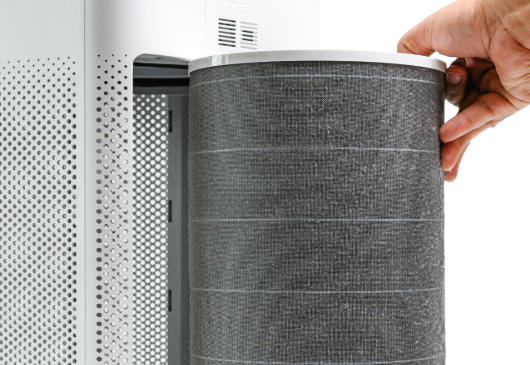
Typical Replacement Intervals For HEPA Air Filters
Determining the ideal replacement interval for a HEPA air filter in a standard air purifier often hinges on manufacturer recommendations, which typically range from 6 to 12 months for residential use. This timeframe assumes moderate indoor air quality, with the air purifier operating around 8 to 12 hours per day in environments free from excessive dust or pet dander. Factors like room size and filter size also play a role; larger HEPA air filters in high-capacity units may endure longer due to their greater surface area, which distributes particle loading more evenly.
For users in urban areas or homes with open windows during pollen seasons, the HEPA air filter might require changing closer to the six-month mark to counteract higher pollutant influx. Conversely, in low-traffic spaces with minimal cooking or smoking, a HEPA air filter could safely last up to a year without compromising air quality. It's worth noting that many air purifiers equipped with HEPA air filters include built-in timers or usage trackers that alert users when the filter has reached its estimated lifespan, helping to prevent guesswork.
In commercial settings, such as offices or retail spaces, the replacement cycle for HEPA air filters shortens to every 3 to 6 months due to higher foot traffic and potential contaminants from cleaning products or outdoor infiltration. Adhering to these intervals ensures that the HEPA air filter continues to deliver peak filtration without allowing bypassed particles to recirculate, which could otherwise lead to diminished indoor air freshness.
Special Environments: Cleanrooms And Pharmaceutical Applications
In controlled environments like pharmaceutical cleanrooms, the replacement strategy for HEPA air filters shifts from time-based schedules to performance-driven assessments, prioritizing compliance with regulations such as Good Manufacturing Practices (GMP) and ISO 14644 standards. Here, HEPA air filters are critical for maintaining sterile conditions during drug production, where even trace contaminants could compromise batch integrity. Integrity testing, often conducted using aerosol challenges like Dioctyl Phthalate (DOP) or Polyalphaolefin (PAO), evaluates the HEPA air filter's sealing and media efficiency every six months in ISO Class 1-5 rooms and annually in less stringent Class 6-9 areas.
Pharmaceutical facilities, much like those operated by companies specializing in equipment such as pure water preparation systems and sterilization units, integrate HEPA air filters into laminar flow hoods, biosafety cabinets, and filling lines to safeguard against microbial ingress. Replacement occurs not on a fixed calendar but when tests reveal leaks exceeding 0.01% penetration or when pressure differentials indicate excessive loading. This rigorous approach can extend a well-maintained HEPA air filter's life to 2-5 years in stable conditions, but sudden events like equipment maintenance or construction nearby may prompt immediate evaluation and change-out.
The interplay between HEPA air filters and supporting systems in pharma settings underscores the need for holistic air management. For instance, pre-filters upstream of the main HEPA air filter capture coarser particles, thereby prolonging the primary filter's service life and reducing operational costs. Regular monitoring via differential manometers helps detect subtle shifts in HEPA air filter performance, ensuring uninterrupted protection for sensitive processes like liquid filling and sealing operations.
Key Signs Your HEPA Air Filter Needs Changing
Recognizing the subtle cues that a HEPA air filter in your air purifier is nearing the end of its lifespan can prevent a decline in air quality and potential health risks. One of the earliest indicators is a noticeable reduction in airflow from the unit's exhaust vents, even when set to higher fan speeds, as the saturated HEPA air filter restricts the passage of air. This clogging not only diminishes purification effectiveness but can also cause the motor to overwork, leading to increased energy consumption and premature wear.
Audible changes, such as unusual humming or rattling noises from the air purifier, often signal that the fan is straining against a loaded HEPA air filter. Visually inspecting the filter itself—if accessible—may reveal a darkened or dust-caked surface, a clear sign that particles have overwhelmed its capacity. Persistent odors, like stale air or lingering cooking smells escaping the unit, further suggest that the HEPA air filter is no longer trapping volatile compounds effectively, allowing them to cycle back into the room.
For allergy sufferers or those in polluted areas, a resurgence of symptoms such as sneezing, itchy eyes, or respiratory irritation despite consistent use of the air purifier points to a failing HEPA air filter. Pairing the device with an independent air quality monitor can quantify this by showing rising particulate matter (PM2.5 or PM10) levels over time. Addressing these signs promptly by replacing the HEPA air filter restores full functionality and maintains a healthier indoor atmosphere.
Factors That Affect Replacement Frequency Of HEPA Air Filters
The longevity of a HEPA air filter in an air purifier is profoundly influenced by environmental variables, making personalized adjustment of replacement intervals essential for efficiency. High levels of ambient pollution, such as those from nearby traffic, industrial emissions, or seasonal wildfires, accelerate particle accumulation on the HEPA air filter, often halving its expected lifespan in affected areas. Homes near construction sites face similar challenges, where fine silica dust can infiltrate and rapidly load the filter media.
The presence of pets introduces additional allergens like dander, hair, and saliva proteins that the HEPA air filter must capture, particularly in multi-pet households where shedding is prolific. Cooking habits also factor in; frequent frying or grilling releases oil aerosols and smoke particulates that adhere to the HEPA air filter fibers, necessitating more frequent checks. Operational patterns, including continuous 24/7 runtime versus intermittent use, directly correlate with exposure hours, with high-speed settings exacerbating wear by forcing more air—and thus more contaminants—through the HEPA air filter.
Device-specific elements, such as the quality of upstream pre-filters and the overall build of the air purifier, modulate how quickly a HEPA air filter becomes saturated. In humid climates, moisture can promote microbial growth within the filter, indirectly shortening its viable period. By mitigating these factors—through vacuuming floors regularly or sealing windows during high-pollution days—users can optimize HEPA air filter performance and extend intervals between replacements without risking air quality.
Measuring Performance: Pressure Drop And Air Quality Metrics For HEPA Air Filters
Quantitative evaluation forms the backbone of HEPA air filter maintenance, especially in technical applications where subjective signs alone are insufficient. Pressure drop, measured in inches of water gauge (in. w.g.), quantifies the resistance a HEPA air filter imposes on airflow; a clean filter might start at 0.2-0.5 in. w.g., and replacement is typically advised when it doubles to 0.4-1.0 in. w.g., depending on system design. This metric, tracked via built-in gauges or portable manometers, provides an objective trigger for action, preventing energy spikes from overtaxed blowers.
Air quality metrics, derived from particle counters or laser sensors, offer another layer of insight by comparing upstream and downstream concentrations. A well-functioning HEPA air filter should reduce particulates by at least 99.97%, but deviations signal degradation. In pharmaceutical contexts, where HEPA air filters support sterile filling and distillation processes, these measurements align with validation protocols to confirm ongoing compliance.
Integrating data logging tools allows for trend analysis, revealing patterns like seasonal spikes in pressure drop due to pollen surges. This proactive monitoring not only informs precise HEPA air filter replacement timing but also aids in troubleshooting system-wide issues, ensuring sustained filtration efficacy.
HEPA Air Filters In Pharmaceutical And Medical Air Purifiers
Pharmaceutical manufacturing demands unwavering reliability from HEPA air filters, as they form the last line of defense in preventing contamination during critical operations like pure steam generation and multi-effect distillation. In ISO-certified cleanrooms, HEPA air filters are strategically placed at terminal points to deliver unidirectional airflow over work zones, capturing viable and non-viable particles that could adulterate injectables or oral solids. Companies like Everheal, focused on customized solutions for water purification and sterilization systems, rely on these filters to uphold GMP standards across global production lines.
Medical air purifiers incorporating HEPA air filters extend this protection to patient care areas, such as operating theaters or isolation rooms, where they mitigate surgical smoke, bioaerosols, and drug residues. The filters' pleated construction maximizes surface area for high-volume throughput without excessive pressure loss, accommodating the 20-100 air changes per hour required in such spaces. Integration with UV sterilization or plasma ionization enhances the HEPA air filter's role, creating a multi-barrier approach to pathogen control.
Regulatory bodies like the FDA emphasize documented HEPA air filter performance in validation reports, including initial certification and periodic retesting. This ensures that every stage—from liquid filling to final packaging—occurs in an environment where the HEPA air filter maintains particulate levels below actionable limits, safeguarding product efficacy and patient safety.
How To Extend HEPA Air Filter Life Safely And Effectively
Maximizing the service life of a HEPA air filter requires a blend of preventive care and informed usage, without compromising the filtration integrity essential for clean air delivery. Routine maintenance of ancillary components, such as vacuuming the pre-filter monthly to remove gross debris, significantly reduces the burden on the main HEPA air filter by preventing premature saturation. In dusty environments, upgrading to higher-MERV pre-filters can further shield the HEPA air filter, potentially adding months to its operational window.
Operational adjustments, like running the air purifier at medium speeds during low-pollution periods, conserve the HEPA air filter by limiting airflow velocity and particle impaction rates. Avoiding placement near heat sources or direct sunlight prevents thermal degradation of the filter media, while ensuring proper sealing during installation eliminates bypass leaks that waste filtration capacity. For pharmaceutical setups, implementing automated airflow controls tied to occupancy sensors optimizes HEPA air filter usage, aligning runtime with actual need.
Educational practices, such as training facility staff on gentle handling to avoid frame damage during inspections, contribute to longevity. While no method can indefinitely prolong a HEPA air filter beyond its design limits, these strategies collectively reduce replacement frequency by 20-30%, balancing cost savings with consistent air purity.
Step-By-Step Guide: Changing A HEPA Air Filter In An Air Purifier
Replacing a HEPA air filter in an air purifier is a straightforward process that, when done correctly, restores full efficiency and extends the unit's overall lifespan. Begin by powering down the device and disconnecting it from the electrical outlet to eliminate any risk of accidental activation during handling. Locate the access panel, usually on the rear or bottom, and release any latches or screws as per the model's manual to expose the filter compartment.
Gently extract the old HEPA air filter, holding it by the frame to minimize disturbance of accumulated dust, which could re-enter the air stream. Dispose of the used filter in a sealed bag to contain any allergens, then inspect the housing for debris or gasket wear, wiping surfaces clean with a dry cloth if necessary. Slide the new HEPA air filter into place, verifying alignment and a snug fit to prevent air gaps that could undermine filtration.
Reassemble the unit, reset the filter life indicator if equipped, and reconnect power for a test run at low speed, listening for normal operation and checking for even airflow. Document the installation date to track future replacements, ensuring the HEPA air filter cycle remains on schedule for optimal performance.
Digital Indicators, Sensors, And Smart Monitoring For HEPA Air Filters
Advancements in smart technology have revolutionized HEPA air filter management, with many contemporary air purifiers featuring app-connected sensors that provide real-time data on filter status. These systems calculate remaining HEPA air filter life based on cumulative runtime, fan speed averages, and integrated particulate sensors that detect efficiency drops as low as 5%. Users receive push notifications when the HEPA air filter reaches 80% capacity, allowing for proactive ordering and minimal downtime.
In industrial applications, building automation systems (BAS) extend this capability to entire HEPA air filter arrays, logging pressure differentials and alerting maintenance teams via dashboards. IoT-enabled devices even predict HEPA air filter failure by analyzing historical trends against environmental data, such as humidity or VOC levels. This data-driven approach not only refines replacement timing but also supports energy audits, identifying inefficiencies early.
For pharmaceutical operations, where HEPA air filter compliance is non-negotiable, these tools integrate with quality management software, generating audit-ready reports on filter performance. By leveraging such monitoring, facilities ensure that every HEPA air filter contributes to a validated, contaminant-free environment without unnecessary interventions.
The Role Of Pre-Filters And Multi-Stage Filtration In HEPA Air Filter Systems
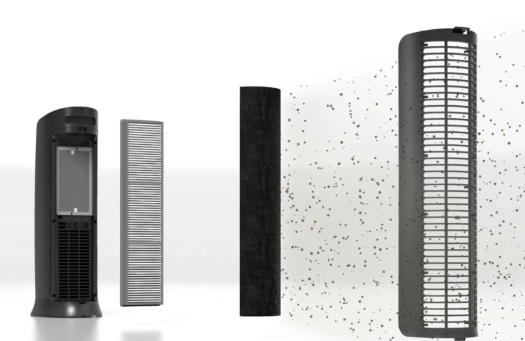
Pre-filters act as the first defense in multi-stage HEPA air filter systems, capturing larger particles like lint, pet hair, and coarse dust to preserve the delicate HEPA air filter for finer contaminants. Typically rated MERV 8-13, these upstream components should be inspected and cleaned or replaced every 1-3 months, depending on usage, to prevent overload on the primary HEPA air filter. In high-particle environments, such as workshops or pharma prep areas, dual pre-filter setups can double protection, significantly extending HEPA air filter intervals.
Carbon or activated charcoal stages complement the HEPA air filter by adsorbing gases, odors, and volatile organic compounds that particles alone do not address, creating a holistic purification profile. Neglecting these can lead to off-gassing through the system, indirectly stressing the HEPA air filter. Proper sequencing—pre-filter, carbon, then HEPA air filter—optimizes airflow and efficiency, reducing overall system pressure and energy draw.
In customized setups for industries like pharmaceuticals, where HEPA air filters pair with sterilization tunnels, multi-stage designs ensure layered redundancy. This not only prolongs individual component life but also enhances total system reliability, minimizing risks during critical production phases.
Common Myths And Misconceptions About HEPA Air Filter Replacement
A prevalent myth surrounding HEPA air filter replacement is that visual cleanliness equates to functional efficacy; however, even a seemingly spotless HEPA air filter may harbor deep-seated submicron particles that evade casual inspection. Another misconception holds that washing extends life, but most true HEPA air filters are non-washable, as moisture compromises fiber integrity and breeding grounds for microbes. Users often believe higher-cost HEPA air filters last indefinitely, yet premium materials primarily boost initial efficiency rather than durability against loading.
Some assume all air purifiers share universal replacement cycles, overlooking model-specific variations in airflow rates and filter volumes that dictate unique timelines. In cleanroom contexts, the idea that annual swaps suffice ignores testing mandates, potentially leading to non-compliance. Dispelling these myths through education empowers better decisions, ensuring HEPA air filter systems perform as intended without false economies.
Cost Considerations And Benefits Of Timely HEPA Air Filter Changes
Investing in timely HEPA air filter replacements yields substantial long-term savings, as neglected filters strain motors, inflate energy bills by up to 15%, and shorten device lifespan. Initial costs for a standard HEPA air filter range from $20-100, but in pharmaceutical scales, specialized units can exceed $500; however, extending life through pre-maintenance offsets this by reducing frequency. The intangible benefits, like fewer sick days from improved air quality, further justify the expense.
In business terms, compliant HEPA air filter management avoids regulatory fines and production halts, particularly in GMP environments where downtime from filter failures could cost thousands hourly. Bulk purchasing and subscription services for HEPA air filters streamline budgeting, while energy-efficient models amplify ROI. Ultimately, proactive replacement safeguards health and operations, proving cost-effective beyond mere filter expenses.
Conclusion
Timely replacement of HEPA air filters in air purifiers is crucial for sustaining high indoor air quality, preventing health issues, and ensuring system longevity across residential, commercial, and pharmaceutical applications. By heeding signs like reduced airflow and pressure increases, while factoring in environmental influences, users can tailor schedules that balance efficiency and cost. In specialized fields like pharma equipment manufacturing, rigorous testing and multi-stage integration elevate HEPA air filter strategies to meet stringent standards, protecting processes from contamination.
Adopting smart monitoring and maintenance best practices empowers precise management, dispelling myths and maximizing benefits. Whether for home comfort or industrial sterility, a well-maintained HEPA air filter remains a vital ally in clean air delivery, fostering healthier environments worldwide.
FAQ
1. How often should I change a HEPA air filter in a home air purifier?
For most home devices, a HEPA air filter should be replaced approximately every 6–12 months, assuming normal indoor pollution and average daily use. If the purifier runs many hours each day, or if the air is dusty or smoky, the HEPA air filter may need to be changed closer to the 6‑month mark.
2. What are the clearest signs that a HEPA air filter needs to be replaced?
Clear signs include weaker airflow, louder fan noise, visible dust buildup on the HEPA air filter, and lingering odors from the purifier. You may also notice more dust resettling on surfaces or a return of allergy or asthma symptoms, indicating that the HEPA air filter is no longer trapping fine particles effectively.
3. Can I wash and reuse a HEPA air filter air purifier cartridge?
Most true HEPA air filter cartridges used in purifiers, HVAC systems, and cleanrooms are not designed to be washed and reused, because water or cleaning can damage the delicate fibers and seals. Instead, manufacturers specify complete replacement of the HEPA air filter when pressure drop, run‑time, or visual inspection indicates the end of service life.
4. How do cleanroom and pharmaceutical facilities decide when to replace HEPA air filters?
Cleanroom and pharmaceutical facilities rely on regular integrity testing, pressure‑drop monitoring, and airflow measurements rather than a simple calendar. When tests detect leaks, when resistance doubles versus initial values, or when airflow velocity falls below specifications, the HEPA air filter modules are repaired within strict limits or replaced.
5. Does having pets or living in a polluted city affect HEPA air filter replacement time?
Yes, homes with multiple pets or high outdoor pollution will load a HEPA air filter more quickly, shortening the effective replacement interval. In such conditions, checking the HEPA air filter more often and planning for replacement closer to 3–6 months can help maintain clean air and reduce allergy symptoms.
Citations:
[1](https://www.priceindustries.com/content/uploads/assets/literature/manuals/section%20a/ftr-hepa-filter-replacement-guide.pdf)
[2](https://dphhs.mt.gov/assets/publichealth/Asthma/Wildfire%20Smoke/HEPAFilterGuide.pdf)
[3](https://www.sepsservices.com/resources/enhancing-air-quality-a-guide-to-hepa-filter-testing-replacement-and-maintenance/)
[4](https://oransi.com/blogs/how-it-works/what-is-a-hepa-filter)
[5](https://www.pureairsystems.com/general-guidelines-for-replacing-filters/)
[6](https://thecleaningstation.com/blog/breathe-easy-the-comprehensive-guide-to-h13-hepa-filters/)
[7](https://kleanlabs.com/blog/hepa-filter-replacement-guidelines-recommended-frequency/)
[8](https://avmgroup.com/what-is-a-hepa-filter/)
[9](https://cleanair.camfil.us/2025/09/22/hepa-filters-understanding-performance-standards-applications-and-selection-criteria/)
[10](https://csitesting.com/cleanroom-hepa-filters/)


