Content Menu
● Understanding the Basics of an Infusion Bag
● The Structure of an Infusion Bag
● How Infusion Bags Are Manufactured
● Material Technology Behind Infusion Bags
>> Common Materials Used
● Sterilization of Infusion Bags
● Applications of Infusion Bags
● Global Market and Trends of Infusion Bags
● The Role of Pure Water and Steam Systems in Production
● Quality Control and Compliance
● Conclusion
● FAQ About Infusion Bags
>> 1. What materials are used in infusion bags?
>> 2. Are non-PVC infusion bags better than PVC ones?
>> 3. How are infusion bags sterilized?
>> 4. What is the shelf life of an infusion bag?
>> 5. Can infusion bags be customized for specific pharmaceutical uses?
In the pharmaceutical and medical device industries, Infusion Bags play a critical role in the safe and sterile delivery of fluids, medications, and nutrients to patients. These bags, often underestimated in complexity, reflect decades of refinement in material science, fluid dynamics, and sterilization technology. Beyond mere containers, infusion bags are engineered solutions that meet stringent clinical, regulatory, and manufacturing standards.
As a professional manufacturer like Everheal, specializing in pure water preparation systems, sterilization systems, and pharmaceutical filling and sealing equipment, understanding the role and production of infusion bags helps ensure consistent product quality and compliance for global healthcare markets.
Understanding the Basics of an Infusion Bag
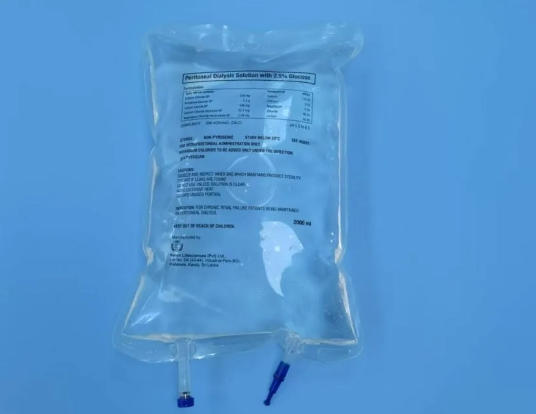
An Infusion Bag is a flexible medical-grade container used to deliver fluids intravenously. It replaces traditional glass bottles and offers advantages in safety, handling, and logistics. Made from specialized polymers such as polypropylene (PP), polyvinyl chloride (PVC), or multilayer copolymers, infusion bags maintain the purity of their contents and prevent leaching of harmful substances.
Infusion bags are used across various medical settings, including hospitals, clinics, and emergency facilities. They carry solutions such as saline, glucose, antibiotics, electrolytes, vitamins, or parenteral nutrition formulations. The design ensures aseptic integrity from production to delivery, making it a cornerstone of modern healthcare.
The Structure of an Infusion Bag
Each Infusion Bag is designed with precision to sustain a sterile environment and facilitate efficient infusion. Typical components include:
- Main bag body: The flexible polymer container holds the fluid and must resist puncture, flex cracking, and sterilization heat.
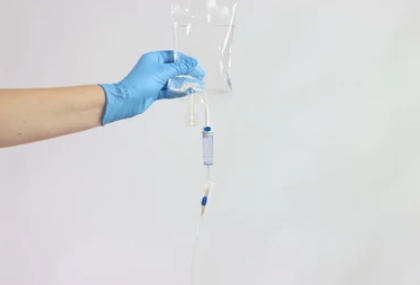
- Ports and connectors: These allow secure attachment of IV tubing and spike connectors during infusion or filling.
- Sealing and closures: Advanced sealing technology—often heat or ultrasonic sealing—prevents microbial contamination.
- Labeling area: Transparent zones for batch details, expiry dates, and usage instructions.
Depending on the solution type, bags may be single-chamber or multi-chamber. Multi-chamber infusion bags allow the mixing of two or more components before administration, an ideal feature for drugs that must remain separated until use.
How Infusion Bags Are Manufactured
The manufacturing of an Infusion Bag involves a series of precisely controlled steps to ensure sterility, consistency, and compliance with GMP (Good Manufacturing Practices). The process typically includes:
1. Material preparation: Selection and extrusion of medical-grade polymer films designed to meet USP and European Pharmacopoeia standards.
2. Bag forming: Using form-fill-seal machines that shape, fill, and seal the bag in a controlled cleanroom environment.
3. Sterilization: Common methods include steam sterilization, gamma irradiation, or ethylene oxide sterilization, ensuring product safety and shelf life.
4. Inspection and labeling: Each bag undergoes leak testing, visual quality checks, and batch identification.
5. Packaging: Bags are packed using cleanroom-compatible materials to maintain sterile integrity during transportation.
Everheal integrates technologies like pure water generation systems, pure steam generators, and sterilization chambers to support every stage of infusion bag production. These systems guarantee microbial control and consistent water-for-injection quality—essential for pharmaceutical-grade bag filling.
Material Technology Behind Infusion Bags
The reliability of an Infusion Bag depends heavily on its material properties. Manufacturers prioritize materials that ensure:
- Biocompatibility to prevent patient reactions.
- High transparency for visual inspection.
- Mechanical strength to avoid leaks or ruptures during transport.
- Chemical resistance against additives or active pharmaceutical ingredients.
- Thermal stability to endure sterilization conditions.
Common Materials Used
- PVC (Polyvinyl Chloride): Versatile and cost-effective, though less preferred due to plasticizer migration concerns.
- Non-PVC films (polypropylene, multilayer coextruded films): Offer excellent safety, chemical stability, and environmental benefits.
- Ethylene-vinyl acetate (EVA): Used in specialized parenteral nutrition bags for flexibility and temperature tolerance.
Non-PVC infusion bags are increasingly adopted due to global trends toward eco-friendly, DEHP-free medical devices. These advancements align with the pharmaceutical industry's push for sustainable, high-performance materials.
Sterilization of Infusion Bags
Sterilization ensures the Infusion Bag remains free from pathogenic microorganisms. Common sterilization methods include:
- Autoclave sterilization: Uses pressurized steam at 121–134°C to kill bacteria and spores, ideal for heat-resistant materials.
- Gamma radiation: Effective for large-scale sterilization and sensitive materials.
- Electron-beam sterilization: Provides rapid, uniform sterilization with minimal thermal stress.
Everheal's pure steam generation systems and autoclaves ensure the highest sterilization consistency, critical for preventing contamination and maintaining product sterility in high-volume production environments.
Applications of Infusion Bags
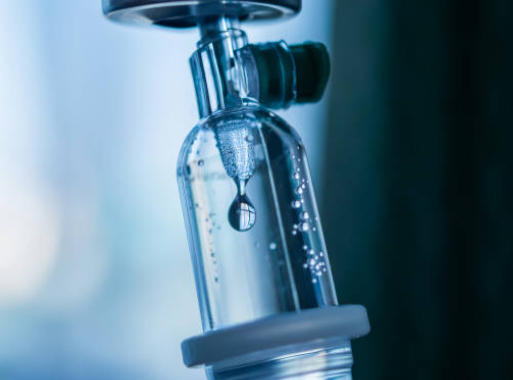
Infusion bags have diverse applications in the medical and pharmaceutical fields, including:
- Intravenous therapy: Delivering saline, dextrose, medications, or electrolytes.
- Total parenteral nutrition (TPN): Providing complete nutrition intravenously for patients unable to eat or absorb food.
- Chemotherapy drug mixing: Multi-chamber infusion bags allow precise dosing and isolation until use.
- Hospital pharmacy compounding: Custom fluid combinations are prepared on-site for patient-specific therapy.
- Emergency care: Used in transfusions and resuscitation where quick fluid administration is vital.
Beyond hospitals, infusion bags play a significant role in veterinary medicine, clinical trials, and even home-care medical services.
Global Market and Trends of Infusion Bags
The global Infusion Bag market is evolving rapidly due to advances in materials and rising healthcare standards. With the ongoing expansion of healthcare infrastructure in emerging economies and the growing adoption of non-PVC materials, demand continues to surge.
Key trends include:
- Sustainability and green manufacturing: Non-toxic, recyclable materials are becoming standard.
- Automation in production: Integration of robotics and intelligent inspection in filling and sealing lines.
- Smart infusion systems: Future designs include digital sensors for temperature, dosage monitoring, and traceability.
- Regulatory alignment: Increasing adherence to FDA, CE, and ISO standards across international markets.
As a manufacturer, Everheal remains committed to supporting global pharmaceutical producers with integrated water systems, cleanroom sterilization technology, and advanced filling and sealing equipment to ensure the production of safe and high-quality infusion bags.
The Role of Pure Water and Steam Systems in Production
Producing an Infusion Bag is inseparable from maintaining ultra-pure water and steam conditions throughout processing. For example:
- Pure Water Generation Systems ensure Water for Injection (WFI) purity for filling and cleaning.
- Pure Steam Generators provide sterilization-grade steam.
- Distillation Systems maintain controlled conductivity and endotoxin-free outputs.
These systems collectively create a sterile environment that aligns with pharmaceutical industry standards and sustainable factory operation goals.
Quality Control and Compliance
Each Infusion Bag batch must comply with pharmacopeial and regulatory specifications. Critical quality control parameters include:
- Leak and burst testing.
- Sterility and endotoxin testing.
- Visual inspection of clarity and particulate matter.
- Compatibility evaluations with intended drug formulations.
Regulatory requirements from agencies such as the FDA, EMA, and NMPA govern all aspects of design, raw materials, manufacturing processes, and final testing, ensuring safety and performance consistency.
Conclusion
An Infusion Bag represents far more than a simple fluid container—it embodies precision manufacturing, advanced polymer engineering, and stringent pharmaceutical standards. From the preparation of water for injection to the final sterilization process, every stage demands technical expertise and reliable equipment.
As a leader in pharmaceutical machinery and system engineering, Everheal supports global manufacturers in building complete, compliant, and efficient infusion production lines. The result is a safer, more sustainable, and higher-quality healthcare supply chain for patients worldwide.
FAQ About Infusion Bags
1. What materials are used in infusion bags?
Infusion bags are typically made from PVC, PP, EVA, or multilayer non-PVC films that ensure biocompatibility and chemical resistance.
2. Are non-PVC infusion bags better than PVC ones?
Yes. Non-PVC infusion bags are safer, environmentally friendly, and eliminate the risk of DEHP plasticizer migration found in PVC-based alternatives.
3. How are infusion bags sterilized?
They are sterilized using methods like autoclaving, gamma irradiation, or electron-beam sterilization, depending on the material type.
4. What is the shelf life of an infusion bag?
The typical shelf life ranges from 2 to 3 years under controlled storage conditions, ensuring the sterility and integrity of the solution.
5. Can infusion bags be customized for specific pharmaceutical uses?
Absolutely. Manufacturers like Everheal design custom-capacity, multilayer, or multi-chamber infusion bag configurations suited for different formulations and medical applications.


