Content Menu
● Understanding the Definition of Infusion Bag
● The Key Functions of an Infusion Bag
● Materials Used in Infusion Bags
● Types of Infusion Bags and Their Applications
>> 1. Single-Chamber Infusion Bags
>> 2. Multi-Chamber Infusion Bags
>> 3. Non-PVC Infusion Bags
>> 4. Large Volume Parenteral (LVP) Bags
>> 5. Custom Infusion Bags
● Manufacturing Process of Infusion Bags
● The Advantages of Using Infusion Bags
● Infusion Bags in Pharmaceutical Manufacturing
● Global Market Trends for Infusion Bags
● Quality and Compliance Standards
● How to Choose the Right Infusion Bag System
● Future Developments in Infusion Technology
● Conclusion
● FAQ About Infusion Bags
>> 1. What is an Infusion Bag used for?
>> 2. What materials are most common in Infusion Bags?
>> 3. How are Infusion Bags sterilized?
>> 4. Why are non-PVC Infusion Bags preferred?
>> 5. Can Infusion Bags be customized for different drugs?
In the modern pharmaceutical and healthcare industry, Infusion Bags play a vital role in ensuring the safe and sterile delivery of fluids, nutrients, and medicines to patients. These specialized containers are used globally across hospitals, clinics, and manufacturing facilities to simplify intravenous therapy and enhance the quality of patient care.
Everheal, a professional Chinese manufacturer dedicated to pharmaceutical equipment, provides tailored solutions for Infusion Bag production, from purified water preparation systems to liquid filling and sealing machines. This article will explore in depth what an infusion bag is, how it works, its types, materials, manufacturing process, and its growing significance in the global medical field.
Understanding the Definition of Infusion Bag
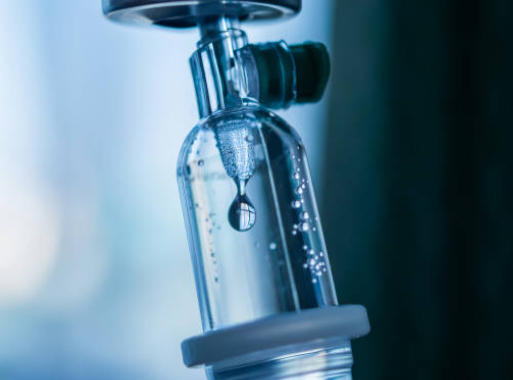
An Infusion Bag is a sterile, flexible container used for holding and administering liquids such as saline solutions, glucose, electrolytes, or parenteral nutrition formulations directly into the bloodstream through an intravenous (IV) line.
These bags are essential medical devices designed to maintain sterility, prevent contamination, and provide precise dosage control. They are widely used in intravenous therapy to deliver fluids, medications, or nutrients when a patient cannot take substances orally.
Essentially, the infusion bag acts as both a container and a transport medium for pharmaceutical liquids, ensuring accurate, hygienic, and efficient administration.
The Key Functions of an Infusion Bag
An Infusion Bag serves several critical purposes in modern healthcare:
- Fluid replacement: Restores hydration and electrolyte balance in patients suffering from dehydration or blood loss.
- Medication delivery: Administers antibiotics, painkillers, vitamins, or chemotherapy drugs directly into the bloodstream.
- Parenteral nutrition: Provides essential nutrients for patients unable to eat or digest food normally.
- Blood transfusion support: Serves as an auxiliary system for delivering blood products when necessary.
- Hospital and clinical efficiency: Simplifies intravenous setup while maintaining sterility and reducing contamination risks.
Materials Used in Infusion Bags
The performance and safety of an Infusion Bag are largely determined by its material composition. The most common materials include:
- Polypropylene (PP): Known for its strength, chemical resistance, and transparency; used for both single-layer and multilayer infusion bags.
- Polyvinyl chloride (PVC): Traditionally used due to flexibility and cost-efficiency; however, concerns over DEHP plasticizers have encouraged a shift toward non-PVC materials.
- Ethylene-vinyl acetate (EVA): Offers excellent clarity, durability, and heat-sealing performance, making it suitable for both freezing and high-temperature sterilization.
- Multilayer co-extruded films: Combine several materials to enhance gas barrier properties, extend shelf life, and maintain drug stability.
Manufacturers like Everheal use advanced pure steam generators and multi-effect distilled water machines to ensure that each Infusion Bag is produced under the strictest pharmaceutical-grade conditions.
Types of Infusion Bags and Their Applications
Infusion bags are classified based on purpose, capacity, and structure:
1. Single-Chamber Infusion Bags
These are the standard types used for basic fluid replacement like saline or glucose solutions. Their straightforward design allows easy filling, sealing, and use in hospitals.
2. Multi-Chamber Infusion Bags
These are designed for medications that require mixing before use. The separate chambers allow for compartmentalized storage of powder and liquid components that are combined just before infusion.
3. Non-PVC Infusion Bags
Widely adopted by modern pharmaceutical companies due to safety and compliance with environmental regulations. Non-PVC materials reduce toxicity and improve biocompatibility.
4. Large Volume Parenteral (LVP) Bags
Used for delivering large fluid volumes, typically between 100 mL and 1000 mL, for continuous drug administration or rehydration therapy.
5. Custom Infusion Bags
Tailor-made to meet specific pharmaceutical formulations or aesthetic and labeling requirements for different regional markets.
Manufacturing Process of Infusion Bags
The creation of an Infusion Bag requires precise engineering and adherence to international pharmaceutical production standards. A typical manufacturing process includes several critical stages:
1. Material preparation: Selection and extrusion of high-quality plastic films suitable for medical use.
2. Bag forming: Heat-sealing technology is used to shape multilayer films into sterile flexible containers.
3. Filling: Advanced liquid filling and sealing systems inject pharmaceutical-grade solutions into the formed bags under aseptic conditions.
4. Sealing: The filled bags are immediately sealed using automated machines to maintain sterility.
5. Sterilization: Steam sterilizers or autoclaves ensure complete microbial deactivation.
6. Quality control: Inspection for leaks, strength, and visual clarity before packaging and labeling.
Everheal's sterilization systems, combined with automated liquid filling and clean steam generation technologies, guarantee that each Infusion Bag meets GMP and FDA requirements.
The Advantages of Using Infusion Bags
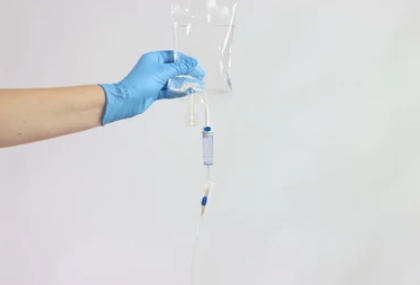
- Convenience: Lightweight and easy to transport compared with traditional glass bottles.
- Safety: Reduced breakage risk and higher sterilization integrity.
- Flexibility: Available in multiple capacities and configurations.
- Compatibility: Resistant to most pharmaceutical drugs and sterilization processes.
- Sustainability: Non-PVC and recyclable designs support greener medical production.
These features make Infusion Bags a preferred choice in modern medical supply chains and hospital environments.
Infusion Bags in Pharmaceutical Manufacturing
For pharmaceutical manufacturers, producing infusion bags involves integrating multiple systems and technologies.
Everheal supports clients worldwide in turnkey pharmaceutical plant solutions, which include:
- Purified Water Systems: Ensuring high-quality water for infusion liquid preparation.
- Pure Steam Generators: Providing clean steam for sterilization processes.
- Multi-Effect Distilled Water Machines: Supplying water-for-injection (WFI) for safe pharmaceutical production.
- Liquid Filling and Sealing Machines: Automating bag filling and sealing with precision.
- Sterilization Systems: Maintaining aseptic conditions to comply with global GMP standards.
By providing complete system integration—from layout design to machinery installation—Everheal helps customers build efficient Infusion Bag production lines.
Global Market Trends for Infusion Bags
The global Infusion Bag market continues to grow due to rising healthcare demands, technological innovation, and improvements in hospital infrastructure.
Key market trends include:
- Shift to non-PVC materials: Driven by environmental and patient safety regulations.
- Smart infusion systems: Integration of digital sensors for monitoring flow rate and dosage.
- Emerging markets expansion: Increased investments in Asia-Pacific, Africa, and Latin America healthcare sectors.
- Customized bag design: Pharmaceutical companies seeking branded, functional, and cost-effective solutions.
China, as a global manufacturing hub, is now one of the world's leading producers and exporters of infusion systems, supported by companies like Everheal that deliver end-to-end equipment and engineering services.
Quality and Compliance Standards
Compliance with international standards is essential in Infusion Bag production. Manufacturers must adhere to:
- Good Manufacturing Practice (GMP).
- ISO 9001 and ISO 13485 Quality Systems.
- FDA, CE, and WHO standards.
- European Pharmacopoeia and US Pharmacopeia specifications.
These certifications ensure that every infusion bag meets medical safety and performance standards before entering healthcare facilities.
How to Choose the Right Infusion Bag System
When selecting Infusion Bags or production lines, pharmaceutical companies should consider:
- Material choice and drug compatibility.
- Bag design (single vs multi-chamber).
- Filling and sealing precision.
- Sterilization efficiency.
- Supplier experience and after-sales support.
Everheal offers consultation and design optimization to help clients select the right configuration for their application needs.
Future Developments in Infusion Technology
The infusion sector is moving toward automation and smart manufacturing. Technologies like AI-based quality control, IoT-enabled filling systems, and sustainable packaging will redefine the next generation of Infusion Bags.
Biodegradable film innovations and enhanced aseptic designs will likely dominate the market in the coming decade, ensuring both patient safety and environmental responsibility.
Conclusion
In summary, an Infusion Bag is far more than a medical container — it represents advanced pharmaceutical engineering and meticulous quality control. From material innovation to manufacturing automation, infusion bags have revolutionized fluid therapy and patient care.
With decades of experience and industry-certified solutions, Everheal continues to empower global pharmaceutical manufacturers with high-performance systems for infusion bag production, ensuring safety, efficiency, and innovation at every stage.

FAQ About Infusion Bags
1. What is an Infusion Bag used for?
An Infusion Bag is used for intravenous administration of fluids, nutrients, or drugs to patients who require controlled medical treatment.
2. What materials are most common in Infusion Bags?
The most common are polypropylene (PP), ethylene-vinyl acetate (EVA), and non-PVC multilayer materials for safety and durability.
3. How are Infusion Bags sterilized?
They are typically sterilized using pure steam or autoclave systems to remove all microorganisms while maintaining bag integrity.
4. Why are non-PVC Infusion Bags preferred?
They are safer for patients, environmentally friendly, and free from harmful DEHP plasticizers found in traditional PVC.
5. Can Infusion Bags be customized for different drugs?
Yes. Pharmaceutical manufacturers can specify material type, volume, port design, and labeling according to drug formulation and regional regulations.


