


Views: 222 Author: Rebecca Publish Time: 2026-01-07 Origin: Site


Content Menu
● Understanding HEPA Air Filter Construction
● Types of HEPA Air Filters: Cleanable vs. Non-Cleanable
● Pre-Cleaning Assessment and Safety Precautions
● Vacuum Cleaning Method for HEPA Air Filters
● Water Washing Technique for Cleanable Filters
● Drying Procedures for Washed HEPA Filters
● Compressed Air Cleaning for Industrial Applications
● Inspection and Performance Testing After Cleaning
● Frequency and Maintenance Schedule Guidelines
● When Cleaning Is Not Recommended
● Environmental and Cost Considerations
● Advanced Cleaning Technologies and Professional Services
● Integration with Facility Air Quality Management
● FAQ
>> 1. Can all HEPA air filters be cleaned and reused?
>> 2. How often should I clean my cleanable HEPA air filter?
>> 3. What is the safest method to clean a HEPA air filter at home?
>> 4. How do I know when a HEPA air filter needs replacement instead of cleaning?
>> 5. Is it safe to use compressed air to clean HEPA air filters?
HEPA air filters have become essential components in maintaining clean and healthy indoor environments across pharmaceutical facilities, hospitals, cleanrooms, and residential spaces. As a leading manufacturer of pharmaceutical equipment, Everheal understands the critical role these filters play in ensuring product quality and workplace safety. Understanding proper maintenance and cleaning procedures for HEPA air filters is crucial for maximizing their efficiency and extending their operational lifespan.
HEPA, which stands for High-Efficiency Particulate Air, represents a filter standard capable of capturing 99.97% of particles as small as 0.3 microns. These filters work tirelessly to remove contaminants from the air, but over time, they accumulate dust, debris, and other particulates that can reduce their effectiveness. Many facility managers and homeowners wonder whether HEPA air filters can be cleaned and reused, or if they must be replaced entirely. The answer depends on several factors, including the filter type, contamination level, and manufacturer specifications.
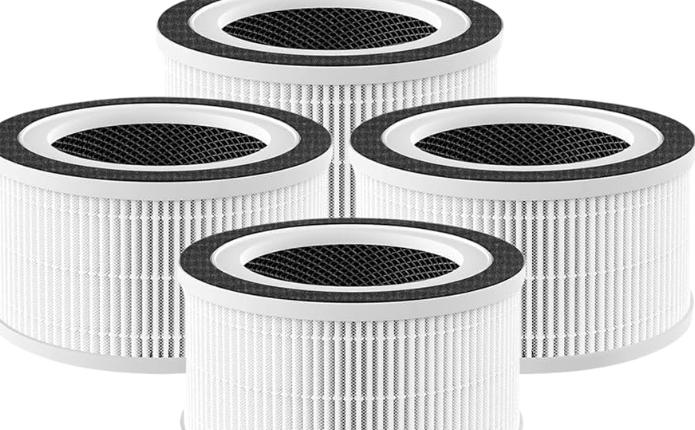
Before attempting any cleaning procedure, it's essential to understand how HEPA air filters are constructed. A typical HEPA air filter consists of a mat of randomly arranged fibers, usually made from fiberglass with diameters between 0.5 and 2.0 microns. These fibers are arranged in a pleated pattern to maximize surface area while maintaining a compact design. The filter media is supported by a rigid frame, often made from aluminum, steel, or moisture-resistant materials.
The intricate structure of HEPA air filters makes them highly effective at trapping particles through three primary mechanisms: interception, impaction, and diffusion. This complex filtration process means that any cleaning attempt must be approached carefully to avoid damaging the delicate fiber matrix. Understanding these construction principles helps explain why some HEPA air filters are designed for cleaning while others are strictly disposable.
Not all HEPA air filters are created equal when it comes to cleaning potential. Washable or permanent HEPA air filters are specifically designed with durable materials that can withstand cleaning procedures. These filters typically cost more initially but offer long-term savings through extended use. They feature robust frames and filter media that maintain structural integrity after multiple cleaning cycles.
Disposable HEPA air filters, on the other hand, are designed for single-use applications and should never be cleaned. These filters use delicate fiberglass materials that can break down when exposed to water or physical cleaning methods. Attempting to clean a disposable HEPA air filter can damage the fiber structure, creating gaps that allow unfiltered air to pass through. This compromises the filter's ability to maintain the 99.97% efficiency standard and can contaminate cleanroom environments.
In pharmaceutical manufacturing environments where Everheal's equipment operates, the choice between cleanable and disposable HEPA air filters depends on specific application requirements, contamination types, and regulatory compliance needs. Facilities must carefully evaluate these factors before implementing any cleaning protocol.
Before initiating any cleaning procedure for a HEPA air filter, conduct a thorough assessment to determine if cleaning is appropriate and safe. First, verify that your HEPA air filter is indeed designed for cleaning by checking the manufacturer's documentation. Look for labels indicating "washable," "permanent," or "reusable" on the filter housing or packaging materials.
Safety considerations are paramount when handling used HEPA air filters. These filters contain accumulated contaminants that may include harmful pathogens, chemical residues, mold spores, or other hazardous materials. Always wear appropriate personal protective equipment, including N95 respirators, safety goggles, and nitrile gloves. Work in a well-ventilated area, preferably outdoors or in a designated maintenance space away from clean production areas.
Document the filter's condition before cleaning, noting any visible damage, excessive contamination, or unusual odors. If the HEPA air filter shows signs of structural damage, such as tears, bent frames, or compressed pleats, replacement is necessary regardless of cleanability. For pharmaceutical facilities, maintain detailed cleaning records as part of your quality management system and regulatory compliance documentation.
Vacuum cleaning represents the safest and most effective method for maintaining cleanable HEPA air filters. This approach removes surface debris without introducing moisture or applying excessive pressure that could damage the filter media. Use a vacuum cleaner equipped with a soft brush attachment and adjustable suction settings to prevent filter damage during the cleaning process.
Begin by setting your vacuum to low or medium suction power. High suction can pull at the filter fibers and cause structural damage. Gently run the brush attachment across the filter surface, working in the direction of the pleats rather than against them. Take your time with this process, as rushing can miss accumulated debris or cause inadvertent damage to the delicate filter structure.
Focus on both sides of the HEPA air filter if accessible, paying particular attention to areas with visible dust accumulation. The vacuum cleaning method works best for routine maintenance when contamination levels are moderate. For heavily soiled filters, multiple passes may be necessary, but if significant debris remains after thorough vacuuming, the filter may require replacement rather than continued cleaning attempts.
For HEPA air filters specifically designed for water washing, this method can restore significant filtering capacity when performed correctly. Start by removing all loose debris through vacuum cleaning before introducing any water. This prevents creating a muddy paste that can clog filter pores and make thorough cleaning more difficult.
Use lukewarm water for the washing process, as hot water can damage adhesives or warp plastic components. Hold the HEPA air filter under a gentle stream of water, allowing the flow to run in the same direction as the air normally passes through the filter. Never spray water forcefully at the filter surface or use high-pressure washers, as this can tear the delicate filter media and create bypass channels.
If the manufacturer permits, you may use a mild, non-toxic detergent to help remove stubborn contaminants. Mix a small amount of dish soap or specialized filter cleaning solution with water, creating a light lather. Gently work this solution through the filter using your hands or a soft brush, then rinse thoroughly until all soap residue is removed. Any remaining detergent can attract more dirt and reduce filter efficiency once the unit is back in service.
Proper drying is crucial after washing a HEPA air filter, as any remaining moisture can promote mold growth and compromise filter performance. Never reinstall a damp filter into your air handling system. Begin the drying process by gently shaking the filter to remove excess water, taking care not to damage the pleated structure during this step.
Position the HEPA air filter in a well-ventilated area where air can circulate freely around all surfaces. A covered outdoor space with good airflow works well, protecting the filter from direct sunlight while allowing natural air movement to facilitate drying. Avoid placing the filter in direct sunlight, as UV exposure can degrade certain filter materials over time and weaken the structural integrity.
Allow at least 24 to 48 hours for complete drying, depending on humidity levels and filter size. Larger industrial HEPA air filters used in pharmaceutical manufacturing facilities may require even longer drying times. You can speed the process by positioning a fan to blow air across the filter surface, but never use heated air sources like hair dryers or heaters, as excessive heat can warp plastic frames or damage adhesives holding the filter assembly together.
In industrial settings where water washing isn't practical, compressed air cleaning offers an alternative for cleanable HEPA air filters. This method is particularly useful in pharmaceutical manufacturing environments where Everheal's purified water systems and sterile processing equipment operate. Compressed air can effectively dislodge accumulated particulates without introducing moisture into the facility.
Set your compressed air supply to a maximum of 30 PSI to prevent filter damage. Higher pressures can tear the filter media or force contaminants deeper into the filter structure. Hold the air nozzle at least six inches from the filter surface and use short bursts rather than continuous streams. Work systematically across the entire filter surface, directing the airflow in the same direction as normal air passage through the filter.
Perform compressed air cleaning outdoors or in a designated maintenance area with proper ventilation and dust collection systems. The dislodged particles can become airborne and create contamination risks if performed near production areas. Wear appropriate respiratory protection during this process, as the procedure can generate significant airborne dust that may contain harmful substances collected by the HEPA air filter during operation.
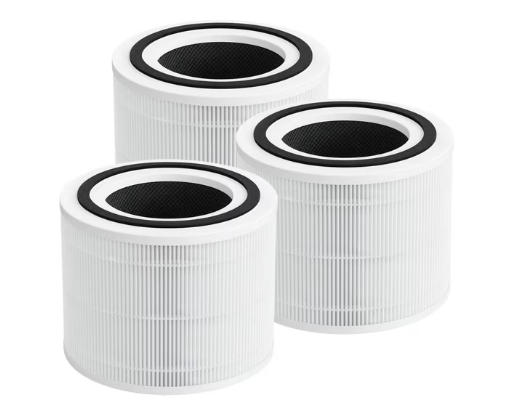
After completing any cleaning procedure, thoroughly inspect the HEPA air filter before reinstallation. Examine the filter media for any tears, holes, or areas where the pleats have collapsed or compressed. Check the frame for warping, cracks, or separation from the filter media. Even minor damage can compromise the filter's ability to maintain proper efficiency standards required in pharmaceutical and cleanroom applications.
Look for signs that cleaning was incomplete, such as remaining visible debris, discoloration, or unusual odors. A properly cleaned HEPA air filter should appear relatively uniform in color without heavily soiled spots. If significant contamination remains after thorough cleaning attempts, the filter has likely reached the end of its useful life and requires replacement.
For critical applications in pharmaceutical manufacturing, consider performing particle count testing before and after cleaning to verify maintained efficiency. While this requires specialized equipment, it provides objective data about filter performance. In facilities using Everheal's sterilization systems and cleanroom equipment, maintaining documented evidence of HEPA air filter performance is essential for regulatory compliance and quality assurance programs.
Establishing an appropriate cleaning schedule for HEPA air filters depends on multiple factors, including air quality, usage hours, and environmental conditions. In residential settings, cleanable HEPA air filters typically require attention every one to three months. Industrial and pharmaceutical applications may necessitate more frequent maintenance due to higher air volumes and stricter cleanliness requirements.
Monitor pressure drop across the HEPA air filter as the primary indicator for cleaning needs. Most air handling systems include differential pressure gauges that measure resistance to airflow. When pressure drop increases by 50% above the clean filter baseline, cleaning or replacement becomes necessary. This approach provides more accurate maintenance timing than fixed calendar schedules.
Develop a comprehensive maintenance log documenting each cleaning event, including dates, methods used, inspection findings, and any performance measurements taken. This documentation serves multiple purposes: tracking filter lifespan, identifying recurring issues, supporting regulatory compliance, and optimizing maintenance schedules. In pharmaceutical facilities working with Everheal's water purification and sterilization equipment, these records integrate with broader equipment maintenance and validation programs.
Understanding when to replace rather than clean a HEPA air filter is critical for maintaining air quality and system performance. If a HEPA air filter has been exposed to biological hazards, chemical spills, or other hazardous contaminants, replacement is the only safe option. Cleaning cannot adequately decontaminate filters exposed to dangerous substances, and attempting to do so creates health risks for maintenance personnel.
Filters showing visible damage, excessive wear, or structural degradation should never be cleaned and returned to service. Even if the damage appears minor, compromised filter integrity allows unfiltered air bypass, defeating the purpose of HEPA filtration. In pharmaceutical manufacturing environments, this can lead to product contamination, batch failures, and regulatory non-compliance issues.
Age is another factor to consider. Even cleanable HEPA air filters have limited lifespans, typically ranging from three to five years depending on usage and maintenance quality. As filters age, the media becomes less resilient, and the risk of damage during cleaning increases. Establish maximum service life limits regardless of apparent filter condition, replacing filters proactively before they fail during critical operations.
The decision between cleaning and replacing HEPA air filters involves both environmental and economic factors. Cleanable HEPA air filters reduce waste generation by extending filter service life, supporting sustainability initiatives in manufacturing operations. This aligns with pharmaceutical industry trends toward greener practices and reduced environmental impact.
However, the cost-effectiveness of cleaning depends on labor expenses, cleaning supplies, and the risk of premature filter failure. Calculate total cost of ownership by considering initial filter price, expected cleaning cycles, labor requirements, and potential downtime costs if a cleaned filter fails prematurely. In some cases, especially for smaller residential filters, the labor cost of proper cleaning exceeds the replacement filter price.
For pharmaceutical facilities operating Everheal's liquid filling systems and sterilization equipment, filter reliability takes precedence over cost savings. The expense of product batch losses or contamination incidents far exceeds filter replacement costs. These operations typically favor scheduled replacement with new filters over cleaning programs, unless specifically using engineered permanent filter systems designed for validated cleaning procedures.
Specialized cleaning technologies have emerged for industrial-scale HEPA air filter maintenance. Ultrasonic cleaning systems use high-frequency sound waves to dislodge contaminants without mechanical contact, reducing damage risk. These systems are particularly effective for valuable, engineered HEPA air filters used in pharmaceutical cleanrooms and sterile processing areas.
Professional filter cleaning services offer expertise, specialized equipment, and validation capabilities that may not be available in-house. These services typically include pickup, professional cleaning using industry-standard protocols, performance testing, certification, and documentation suitable for regulatory compliance. For pharmaceutical manufacturers, professional services can provide the documentation rigor required for FDA inspections and quality audits.
Electrostatic cleaning represents another advanced technology, using controlled electrical charges to attract and remove particles from filter surfaces. This method shows promise for certain filter types but requires specialized equipment and expertise. As HEPA air filter technology continues evolving, new cleaning methods will emerge, offering improved efficiency and reliability for critical applications.
HEPA air filter maintenance should integrate with broader facility air quality management programs. This includes monitoring indoor air quality parameters, tracking system performance trends, and coordinating filter maintenance with other HVAC system services. In pharmaceutical facilities, this integration ensures that all air handling components work together to maintain required cleanliness classifications.
Coordinate HEPA air filter cleaning or replacement with scheduled shutdowns when possible to minimize production disruption. Plan maintenance activities during periods of lower demand or between production campaigns. This approach is particularly important in facilities using Everheal's purified water systems and sterile processing equipment, where air quality directly impacts product quality and sterility assurance.
Consider implementing real-time monitoring systems that track HEPA air filter performance continuously. Modern building management systems can integrate pressure differential sensors, providing alerts when filters require attention. This proactive approach prevents unexpected filter failures and optimizes maintenance scheduling based on actual conditions rather than predetermined intervals.
Proper HEPA air filter maintenance, whether through appropriate cleaning procedures or timely replacement, is essential for maintaining clean air in pharmaceutical manufacturing facilities, cleanrooms, hospitals, and residential environments. While some HEPA air filters are designed for cleaning and reuse, others must be replaced when they reach capacity. Understanding your specific filter type, following manufacturer guidelines, and implementing appropriate cleaning methods when applicable can extend filter life while maintaining optimal air quality.
The key to successful HEPA air filter maintenance lies in careful assessment, proper technique execution, and knowing when replacement is the better option. For pharmaceutical manufacturers working with sophisticated equipment like Everheal's purified water preparation systems, steam sterilizers, and aseptic filling lines, air quality management through proper filter maintenance directly impacts product quality, regulatory compliance, and operational efficiency. By implementing comprehensive maintenance programs that include appropriate cleaning protocols, regular inspections, and performance monitoring, facilities can optimize HEPA air filter performance while controlling costs and supporting sustainability initiatives.
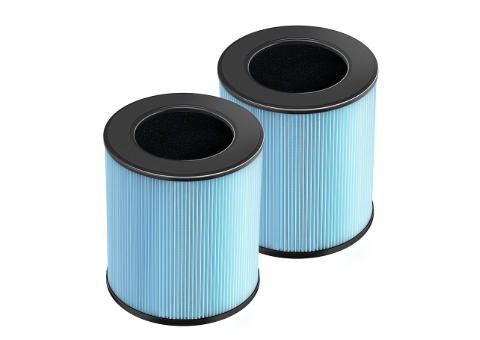
No, not all HEPA air filters can be cleaned and reused. Only filters specifically labeled as "washable," "permanent," or "reusable" by the manufacturer are designed for cleaning. Disposable HEPA air filters use delicate materials that break down when cleaned, creating gaps that compromise filtration efficiency. Always check manufacturer specifications before attempting to clean any HEPA air filter to avoid damaging the filter and reducing its effectiveness.
The cleaning frequency for HEPA air filters depends on usage conditions and air quality. For residential applications, cleaning every one to three months is typical. Industrial and pharmaceutical settings may require more frequent maintenance. The best approach is monitoring pressure drop across the filter—when it increases by 50% above baseline, cleaning or replacement is needed. Visual inspection and airflow reduction are also indicators that cleaning may be necessary.
Vacuum cleaning with a soft brush attachment represents the safest method for home HEPA air filter maintenance. Use low to medium suction settings and gently brush across the filter surface in the direction of the pleats. This removes surface debris without risking water damage or structural harm. For washable filters, gentle rinsing with lukewarm water followed by complete air drying for 24-48 hours is acceptable if manufacturer guidelines permit.
Replace a HEPA air filter when you observe visible damage such as tears, compressed pleats, or frame warping. Other replacement indicators include persistent odors after cleaning, exposure to hazardous contaminants, reaching maximum service life (typically 3-5 years for cleanable filters), or when cleaning no longer restores adequate airflow. In pharmaceutical and critical applications, replace filters proactively before failure to maintain consistent air quality and regulatory compliance.
Compressed air can be used safely if proper precautions are followed. Limit air pressure to maximum 30 PSI, hold the nozzle at least six inches from the filter surface, and use short bursts rather than continuous streams. Always perform this outdoors or in well-ventilated maintenance areas while wearing respiratory protection. Compressed air cleaning works well for industrial applications but requires careful technique to avoid damaging the delicate filter media or forcing contaminants deeper into the filter structure.


