Content Menu
● Understanding the Role of a HEPA Air Filter
>> Why Sharp Air Purifiers Depend on HEPA Filters
● The Average Lifespan of a Sharp HEPA Air Filter
>> Typical Lifespan Ranges by Usage Conditions:
>> Manufacturer Recommendations
● Key Factors That Affect HEPA Filter Longevity
>> 1. Air Quality and Pollution Levels
>> 2. Indoor Activities
>> 3. Air Purifier Usage Time
>> 4. Room Size and Ventilation
>> 5. Pre-filter and Carbon Filter Conditions
● Signs It's Time to Replace Your HEPA Air Filter
● How to Replace the HEPA Filter in Your Sharp Air Purifier
>> Step-by-Step Replacement Guide:
● How to Extend the Life of a Sharp HEPA Filter
● The Science Behind HEPA Air Filtration
● Environmental and Cost Considerations
● Why Regular Filter Replacement Matters
● Conclusion
● FAQ
>> 1. How do I know when the HEPA filter in my Sharp air purifier needs replacing?
>> 2. Can I clean and reuse my HEPA Air Filter?
>> 3. Does running the air purifier 24/7 shorten the HEPA filter's lifespan?
>> 4. Why does my room still smell even after replacing the HEPA filter?
>> 5. Are Sharp HEPA filters interchangeable between models?
Air purifiers play a crucial role in maintaining clean indoor air, especially in environments where health and precision matter — such as pharmaceutical facilities, laboratories, and modern homes. Among the many filtration systems available, the HEPA Air Filter stands out as a highly efficient method for trapping particles and purifying air. But how often should you change the HEPA filter in a Sharp Air Purifier to ensure optimal performance?
This detailed guide breaks down everything you need to know — from the function and lifespan of HEPA filters to factors affecting replacement frequency, signs of filter wear, proper maintenance tips, and more.
Understanding the Role of a HEPA Air Filter
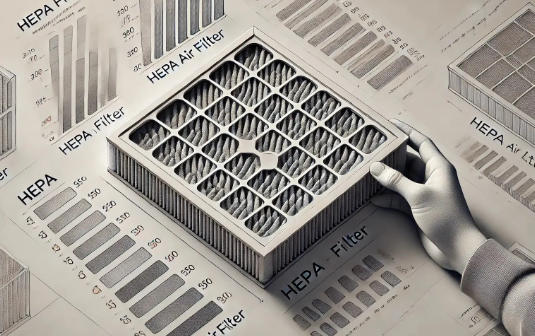
A HEPA Air Filter (High-Efficiency Particulate Air filter) is designed to trap airborne particles with extreme precision. To qualify as “true HEPA,” the filter must capture at least 99.97% of particles as small as 0.3 microns — including dust, pollen, spores, bacteria, and even some viruses.
Why Sharp Air Purifiers Depend on HEPA Filters
Sharp air purifiers are renowned for combining HEPA filtration with Plasmacluster ion technology, which helps neutralize pathogens and odors. The HEPA filter in a Sharp air purifier acts as the core component responsible for physically removing contaminants, while the ion technology decomposes remaining pollutants on a molecular level.
Without a properly maintained HEPA Air Filter, even advanced air purifiers can lose their effectiveness over time.
The Average Lifespan of a Sharp HEPA Air Filter
The general rule of thumb for most Sharp air purifiers is to replace the HEPA Air Filter every 2 years under normal use. However, this figure can vary widely depending on a range of environmental and operational factors.
Typical Lifespan Ranges by Usage Conditions:
- Light Usage (Clean Environment): Up to 2–3 years
- Moderate Urban Home Use: About 1.5–2 years
- High Dust or Pollution Areas: Between 6–12 months
- Industrial or Laboratory Settings: 3–6 months may be necessary for optimal air purity
Manufacturer Recommendations
Sharp's product manuals usually specify approximate lifespans based on standard testing. However, as with any air purification device, routine inspection and air quality monitoring are more reliable indicators for determining when to change the HEPA filter.
Key Factors That Affect HEPA Filter Longevity
Several variables determine how quickly a HEPA Air Filter becomes saturated with particles and loses efficiency. Understanding these factors ensures your Sharp Air Purifier performs at its best throughout its lifespan.
1. Air Quality and Pollution Levels
If your space is exposed to high concentrations of smog, smoke, or industrial particles, the HEPA filter will clog faster. Users in large cities or near factories will typically need to change their filters more frequently.
2. Indoor Activities
Cooking, burning candles, or using chemical cleaning products all produce microparticles that add to the HEPA filter's load. Homes with pets may also introduce hair and dander, which accelerate clogging.
3. Air Purifier Usage Time
A Sharp air purifier running continuously (24 hours a day) will naturally use up its filter faster than one operating intermittently for a few hours daily.
4. Room Size and Ventilation
If your purifier is used in a large or poorly ventilated room, it needs to process more air to achieve the same level of purification, wearing out the HEPA filter in a shorter time.
5. Pre-filter and Carbon Filter Conditions
Many Sharp air purifiers have multi-layer filtration systems. The pre-filter captures larger dust particles, extending the HEPA filter's life. Failure to clean or replace these supporting layers can shorten the HEPA filter's lifespan significantly.
Signs It's Time to Replace Your HEPA Air Filter
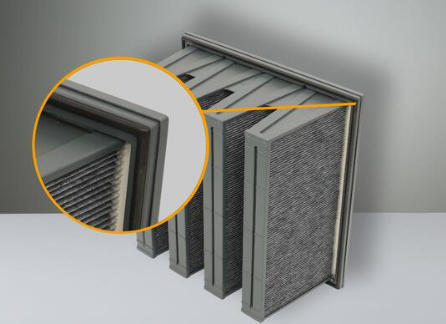
Even if you haven't hit the manufacturer's recommended replacement date, several signs may indicate that it's time to replace your HEPA Air Filter:
- Reduced air output: If airflow feels weaker even on high settings, it's likely the filter is clogged.
- Persistent odors: Stale or dusty smells suggest the filter is saturated with trapped pollutants.
- Visible discoloration: A gray, brown, or darkened filter indicates heavy particle accumulation.
- Decreased air quality: Allergies or respiratory discomfort returning after months of relief can signal filter saturation.
- Unusual noise or overheating: Overexertion due to blocked airflow makes the unit strain harder.
Proactive inspection once every few months ensures filters are changed at the right time rather than waiting for clear signs of failure.
How to Replace the HEPA Filter in Your Sharp Air Purifier
While specific steps may vary slightly across models, most Sharp purifiers share a similar replacement process.
Step-by-Step Replacement Guide:
1. Turn off and unplug the air purifier.
2. Open the front or back panel carefully to expose the filters.
3. Remove the pre-filter and carbon layer (if installed).
4. Slide out the old HEPA Air Filter and dispose of it properly.
5. Insert the new filter, ensuring the airflow direction arrows are aligned correctly.
6. Reinstall the pre-filter and carbon layer.
7. Close the cover and plug the device in again.
8. Reset the filter indicator light, usually by holding the “Reset” button for a few seconds.
Avoid vacuuming or washing a non-washable HEPA Air Filter, as it can damage the microscopic fiber structure and reduce filtration effectiveness.
How to Extend the Life of a Sharp HEPA Filter
Proper care and environmental management can significantly extend the functional life of a HEPA Air Filter. Here are practical strategies you can adopt:
- Clean the pre-filter regularly: Most pre-filters can be vacuumed or gently washed every 2–4 weeks.
- Maintain general cleanliness: Reduce dust buildup in your home by vacuuming and wiping surfaces often.
- Use the purifier on auto mode: Sharp's intelligent sensors regulate fan speed efficiently, balancing performance and longevity.
- Keep doors and windows closed while operating the machine to minimize the entry of outdoor pollutants.
- Avoid smoking indoors: Tobacco particles are sticky and clog filters quickly.
- Monitor humidity levels: Excessive moisture may cause mildew growth on the filter material.
By practicing these steps, you not only improve air purity but also reduce recurring maintenance costs.
The Science Behind HEPA Air Filtration
The efficiency of HEPA technology isn't merely due to fine mesh sieving; it's the result of three powerful mechanisms:
1. Interception – As air passes through, mid-sized particles adhere to fibers.
2. Impaction – Larger particles collide and stick to the filter material.
3. Diffusion – Tiny particles follow random motion and eventually collide with fiber surfaces.
This combination allows HEPA filters to capture a wide spectrum of contaminants without significantly impeding airflow. Because of these traits, HEPA Air Filters are widely used in hospitals, labs, and pharmaceutical manufacturing — environments where even microscopic impurities can affect safety and product quality.
Environmental and Cost Considerations
Continuous use of air purifiers means regular HEPA filter replacements, which have both environmental and financial implications.
- Cost efficiency: The average Sharp HEPA replacement filter ranges from $30–$70 USD, depending on size and model.
- Waste management: Filters must be disposed of properly since they trap biological contaminants and particulates.
- Eco alternatives: Some Sharp models use hybrid filters combining HEPA media with reusable components, minimizing total waste.
Planning ahead with bulk filter purchases or scheduled replacements ensures consistent air quality while optimizing operational costs.
Why Regular Filter Replacement Matters
Neglecting to replace a HEPA Air Filter doesn't just reduce purification performance—it can also pose hygiene risks. A clogged or neglected filter may:
- Release previously trapped particles back into the air.
- Overwork the fan motor, shortening the device's lifespan.
- Harbor microbial growth if exposed to moisture.
For environments like pharmaceutical or healthcare facilities—where Everheal specializes in providing purified water systems, sterilization units, and hygienic production solutions—clean air complements the overall goal of maintaining a contaminant-free production environment.
Consistent filter maintenance ensures both home and industrial air purification systems remain reliable and safe.
Conclusion
The HEPA Air Filter is the cornerstone of modern air purification, and in Sharp air purifiers, it delivers exceptional performance when properly maintained. Although Sharp recommends filter replacement every 2 years under normal conditions, real-world factors such as air quality, usage time, and environment often shorten this interval.
By monitoring filter health, cleaning pre-filters, and replacing components on schedule, you can ensure your air purifier maintains maximum efficiency. The result is not just cleaner air but also healthier living and more reliable performance — whether for personal use or in demanding industrial and pharmaceutical settings.
FAQ
1. How do I know when the HEPA filter in my Sharp air purifier needs replacing?
Most Sharp purifiers have an indicator light that signals when filter performance has declined. Additionally, reduced airflow, unpleasant odors, or increased allergy symptoms can alert you to change it.
2. Can I clean and reuse my HEPA Air Filter?
No. True HEPA Air Filters are not washable. Washing or vacuuming can damage the ultra-fine fibers and reduce filtering efficiency. Always replace with an authentic Sharp HEPA filter.
3. Does running the air purifier 24/7 shorten the HEPA filter's lifespan?
Yes. Continuous operation means the HEPA Air Filter works constantly, accumulating particles faster. You may need to replace it every 6–12 months under heavy use.
4. Why does my room still smell even after replacing the HEPA filter?
Lingering odors come from gases or volatile organic compounds (VOCs), which HEPA filters cannot absorb. These require activated carbon filters or Sharp's Plasmacluster ion system for neutralization.
5. Are Sharp HEPA filters interchangeable between models?
Not always. Each Sharp air purifier model has a specific filter design. Always check the model number and use OEM filters to ensure compatibility and optimal performance.


