Content Menu
● What Is a HEPA Air Filter?
● Why HEPA Air Filters Are Essential
● Factors That Affect HEPA Filter Replacement Frequency
>> 1. Air Quality and Pollution Level
>> 2. Operating Hours
>> 3. Environment Type
>> 4. Pre-Filtration System Efficiency
>> 5. Manufacturer's Recommendations
● Signs It's Time to Replace the HEPA Air Filter
● How to Replace a HEPA Air Filter Properly
● Extending HEPA Filter Lifespan
● HEPA Air Filters in Pharmaceutical Environments
● Environmental and Cost Considerations
● Best Practices for HEPA Filter Management in Industrial Applications
● Conclusion
● FAQ
>> 1. How often should I change a HEPA Air Filter?
>> 2. Can I clean and reuse a HEPA Air Filter?
>> 3. What's the difference between HEPA and activated carbon filters?
>> 4. Are there signs that my HEPA filter needs replacement sooner?
>> 5. Why are HEPA filters critical in pharmaceutical production?
Maintaining indoor air quality is a top priority for laboratories, pharmaceutical production facilities, hospitals, and even households. One of the most critical elements of this process is the HEPA Air Filter used in air purifiers. These filters trap 99.97% of airborne particles as small as 0.3 microns, ensuring that the air remains clean and contaminant-free. However, their efficiency depends heavily on proper maintenance—particularly, knowing how often to change the HEPA filter.
This guide discusses the factors influencing replacement frequency, the signs your filter needs attention, maintenance tips, and the role of HEPA Air Filters in highly controlled environments such as pharmaceutical manufacturing.
What Is a HEPA Air Filter?
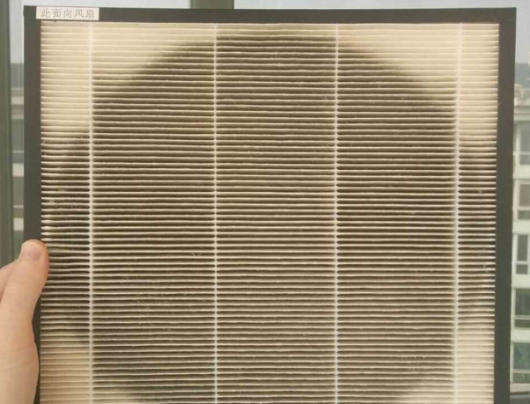
A HEPA Air Filter (High-Efficiency Particulate Air filter) is designed to capture extremely fine airborne particles, including dust, bacteria, pollen, smoke, and even viruses. To qualify as true HEPA, a filter must meet strict standards set by organizations such as the U.S. Department of Energy (DOE) or the European EN1822 classification.
HEPA filters are typically made from a dense mat of fibers arranged to intercept particles through mechanisms like diffusion, interception, and impaction. The result is an exceptionally high filtration efficiency that surpasses other common filter types.
In pharmaceutical and medical environments, these filters are not just for comfort—they're crucial for compliance with GMP (Good Manufacturing Practices) and for protecting both products and personnel from contamination.
Why HEPA Air Filters Are Essential
The importance of HEPA Air Filters extends far beyond simple dust removal. In industries like healthcare, biotechnology, and pharmaceuticals, air purity correlates directly with product quality and safety. HEPA filters maintain controlled environmental conditions by:
- Preventing airborne contaminants from entering cleanrooms.
- Controlling microbial load during product filling and packaging.
- Ensuring compliance with ISO and GMP cleanliness standards.
- Protecting sensitive materials and preventing cross-contamination.
Without proper filtration, even minor particulate exposure could lead to costly product rejections or safety risks. Hence, replacing HEPA filters at the correct interval becomes a critical maintenance activity.
Factors That Affect HEPA Filter Replacement Frequency
Determining how often to change your HEPA Air Filter depends on several environmental and operational factors. Let's explore the most influential ones.
1. Air Quality and Pollution Level
If your purifier is operating in a region with heavy air pollution, high dust content, or chemical exposure, your HEPA filter will clog faster. Urban or industrial areas might require replacement every 6–12 months, compared to a cleaner environment where filters can last up to two years.
2. Operating Hours
Continuous operation significantly shortens a filter's lifespan. For devices used 24/7, the HEPA filter might need replacement twice a year. On the other hand, air purifiers that run intermittently in offices or homes might last longer—around 12 to 18 months.
3. Environment Type
In pharmaceutical facilities or laboratories, air purity standards are strictly regulated. Controlled spaces require frequent air filter inspection and replacement—often scheduled quarterly—to ensure compliance and maintain cleanroom classification.
4. Pre-Filtration System Efficiency
Air purifiers equipped with pre-filters or activated carbon layers help extend the life of HEPA filters. A high-quality pre-filter traps larger particles such as lint and dust, reducing HEPA filter load and maintenance frequency.
5. Manufacturer's Recommendations
Manufacturers test their air purifiers under specific conditions. Always follow the time frame they suggest—typically every 6 to 12 months for consumer devices and every 3 to 6 months for industrial models.
Signs It's Time to Replace the HEPA Air Filter
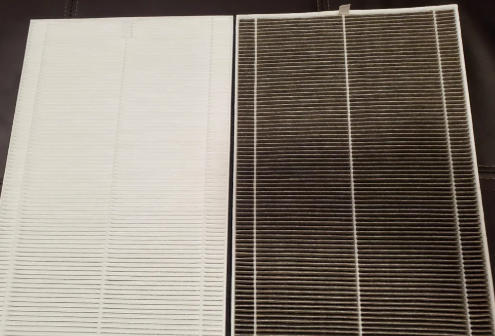
Regardless of the schedule, your HEPA Air Filter will eventually show signs of wear and reduced efficiency. Look out for these indications:
- Reduced airflow: When airflow decreases, it often means the filter is clogged.
- Increased noise level: The purifier may work harder to push air through a blocked filter.
- Dust buildup around vents: External dust indicates internal saturation.
- Unpleasant odors: Odors suggest accumulated pollutants the filter can't handle anymore.
- Allergy symptoms returning: Sneezing or irritation may mean airborne particles are slipping through.
Regularly checking your system indicator (if your purifier has one) can also prevent overuse of the HEPA filter.
How to Replace a HEPA Air Filter Properly
Changing a HEPA Air Filter is relatively straightforward, but adherence to careful procedure ensures both safety and performance continuity.
1. Switch off and unplug the purifier. Always disconnect power for safety.
2. Remove the outer covering or latch. Access the filter compartment carefully.
3. Take out the used HEPA filter. Avoid shaking or tapping it, which could release trapped particles.
4. Clean the inner chamber. Wipe surfaces gently with a damp cloth to remove residual dust.
5. Insert the new filter. Make sure it fits snugly with no gaps or loose fitting.
6. Reset the filter timer or indicator. Many modern purifiers track usage electronically.
Store spare filters in clean, dry environments to maintain their protective quality before installation.
Extending HEPA Filter Lifespan
Although you must replace filters periodically, you can extend lifespan through proper maintenance. Here's how:
- Vacuum pre-filters regularly. Removes coarse dust.
- Operate in clean conditions. Regular floor and surface cleaning reduces airborne contaminants.
- Monitor humidity. Excessive moisture can damage filter fibers or encourage microbial growth.
- Avoid blocking vents. Ensure adequate airflow around the purifier.
- Schedule routine inspections. Especially critical in industrial or pharmaceutical applications.
Such habits can reduce replacement frequency, optimizing both costs and performance.
HEPA Air Filters in Pharmaceutical Environments
Companies like Everheal, which specialize in pharmaceutical equipment and cleanroom systems, understand the strategic importance of HEPA Air Filters. Whether integrated into a pure steam generator, filling machine, or sterilization system, HEPA filtration is pivotal for maintaining sterile air inside production and packaging areas.
In these environments, HEPA filters are incorporated into multiple points of the air handling system, including:
- Terminal air diffusers in cleanrooms.
- Laminar flow cabinets and isolators.
- Sterile filling machine enclosures.
- HVAC systems supplying Class A or B rooms.
For GMP compliance, filters undergo integrity tests (such as DOP or PAO tests) at installation and at regular intervals thereafter. Even minor leaks or clogging could threaten product sterility, emphasizing the need for professional maintenance and timely replacement.
Environmental and Cost Considerations
Replacing a HEPA Air Filter involves both cost and environmental factors. Though initially more expensive, premium filters typically last longer and maintain efficiency over time.
Some eco-friendly designs also incorporate recyclable components or washable pre-filters to minimize waste. For organizations concerned with sustainability, proper disposal and recycling of used filters should follow local environmental regulations due to the potential biological contaminants they may contain.
When viewed through a total-cost-of-ownership lens, regular maintenance not only preserves air quality but also prevents excessive energy consumption caused by clogged filters, saving costs in the long run.
Best Practices for HEPA Filter Management in Industrial Applications
For pharmaceutical manufacturers, following structured maintenance and documentation is vital. Recommended best practices include:
- Maintain detailed filter replacement logs for each air-handling unit.
- Schedule preventive maintenance rather than waiting for filter failure.
- Use certified replacement filters meeting EN1822 or ISO 29463 standards.
- Conduct smoke or aerosol leakage tests after each replacement.
- Train staff in safe handling procedures for contaminated filters.
These steps ensure consistent air purity and reliable compliance audits.
Conclusion
Changing a HEPA Air Filter isn't just a technical task—it's a crucial part of ensuring health, safety, and product integrity in any controlled environment. The general frequency varies from 6 to 18 months depending on conditions, but in pharmaceutical or industrial settings, scheduled maintenance and periodic testing are mandatory.
Ultimately, understanding the characteristics and role of HEPA filters helps users maximize filter efficiency, prolong equipment life, and maintain exceptional air quality standards.
FAQ
1. How often should I change a HEPA Air Filter?
In typical residential use, every 6–12 months is sufficient. Industrial or pharmaceutical environments may require quarterly replacement based on usage and regulatory compliance.
2. Can I clean and reuse a HEPA Air Filter?
No. True HEPA filters are non-washable. Attempting to clean them may damage the fiber structure, reducing filtration efficiency.
3. What's the difference between HEPA and activated carbon filters?
HEPA filters trap particles like dust and microbes, while activated carbon filters absorb gases, odors, and volatile organic compounds (VOCs). They work best together.
4. Are there signs that my HEPA filter needs replacement sooner?
Yes. Reduced airflow, increased noise, and persistent odors often indicate a clogged or ineffective filter that needs replacement.
5. Why are HEPA filters critical in pharmaceutical production?
They maintain sterile environments by preventing microbial contamination in cleanrooms and manufacturing areas, ensuring product safety and GMP compliance.


