Content Menu
● How CPAP humidification works
● Why distilled water is the standard
● What exactly is alkaline water?
● Distilled vs. distilled alkaline water
● Can you use distilled alkaline water in a CPAP machine?
● Risks of using non‑distilled or alkaline water
● What do guidelines and manufacturers say?
● Role of Multi Function Distillation Water Machine in CPAP water supply
● Benefits of in‑house distilled water for CPAP fleets
● What if distilled water is not available?
● Practical best practices for CPAP water use
● How Everheal supports CPAP‑related water systems
● Conclusion
● FAQ
>> 1. Is any type of distilled alkaline water acceptable for CPAP use?
>> 2. What should I do if I used alkaline water in my CPAP by mistake?
>> 3. Is purified or filtered water a good long‑term alternative to distilled water?
>> 4. How does a Multi Function Distillation Water Machine improve CPAP water quality in hospitals?
>> 5. Why do guidelines emphasize “distilled, sterile, or demineralized” water for CPAP?
● Citations:
Everheal, a Chinese pharmaceutical equipment specialist, focuses on purified water preparation systems, pure steam generators, Multi Function Distillation Water Machine solutions, liquid filling and sealing machines, and sterilization equipment for global OEM and healthcare partners. For CPAP users, one of the most common questions is whether distilled alkaline water is acceptable in the humidifier tank, and what role high‑grade distillation systems play in ensuring safe water for respiratory therapy.[2][3]
Using the correct water protects both your lungs and your CPAP device, so understanding the difference between distilled water, distilled alkaline water, and other water types is essential. This article explains the science, the clinical recommendations, and how a Multi Function Distillation Water Machine can support professional CPAP water‑supply strategies in hospitals, sleep centers, and medical‑device factories.[3][11][12][2]
How CPAP humidification works
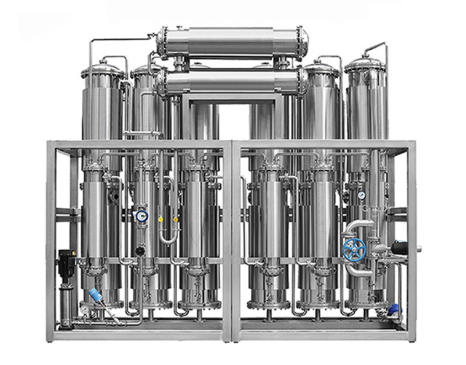
A CPAP machine delivers continuous positive airway pressure to keep the upper airway open during sleep and reduce apneas and hypopneas. Many devices include an integrated or optional humidifier that warms water in a small tank so that moisture is added to the airflow, minimizing dryness of the nose, mouth, and throat.[7][2][3]
When the humidifier operates, water is heated and a portion of it evaporates into the pressurized air stream. Any dissolved minerals or impurities in the water remain in the tank and on contact surfaces, gradually forming scale and leaving residue on the chamber walls and heater plate. In addition, microorganisms present in non‑sterile water may multiply in the warm, moist environment and can potentially be carried into the airway via fine droplets.[5][13][2][3][7]
Why distilled water is the standard
Sleep‑medicine organizations, device manufacturers, and infection‑control authorities consistently recommend using distilled water in CPAP humidifiers. Distillation removes minerals, metals, and many organic impurities by boiling water and condensing the steam, resulting in very low total dissolved solids and reduced microbial content.[1][13][2][3]
Official guidance for healthcare water systems explicitly notes that CPAP humidifiers should be filled with sterile or distilled water, and that users should follow manufacturer instructions that usually specify distilled or demineralized water. Using distilled water reduces limescale buildup, helps maintain consistent humidifier performance, and makes cleaning easier, which in turn supports both patient safety and device longevity.[9][1][2][5]
What exactly is alkaline water?
Alkaline water is water that has a higher pH than typical drinking water, usually around pH 8–9 instead of near‑neutral pH 7. This is generally achieved by adding minerals such as calcium, magnesium, potassium, or by passing water through ionizing devices that modify mineral content and charge balance.[14][15]
From a drinking perspective, alkaline water is often marketed as having potential health benefits, although evidence for many claims is limited. However, in technical terms, alkaline water is mineral‑containing water with elevated pH, which behaves more like mineral water than pure distilled water when it is heated and evaporated.[15][14]
Distilled vs. distilled alkaline water
Standard distilled water is produced by distillation and then collected without adding anything afterward, so its mineral content and conductivity are very low. Distilled alkaline water usually starts from distilled or highly purified water, but then minerals or electrolytes are intentionally added back to increase pH and “enrich” the water.[13][3][14][15]
This means distilled alkaline water no longer meets the “pure distilled” definition that CPAP manufacturers rely on in their recommendations. Once additional ions are introduced, the water can leave deposits when heated repeatedly, just like other mineral or electrolyte‑containing waters. From a CPAP standpoint, the critical point is not the pH label but the presence or absence of dissolved minerals and additives.[16][14][15]
Can you use distilled alkaline water in a CPAP machine?
In most practical situations, distilled alkaline water should not be used in a CPAP machine because it contains added minerals and electrolytes that can create scale and residue. CPAP‑focused guidance groups alkaline water together with other mineralized waters as types that increase deposition on humidifier components and are therefore not recommended.[14][15]
Even if the base water has been distilled, any post‑treatment that raises pH by adding minerals effectively cancels the advantages of distillation for CPAP use. These additives do not improve respiratory therapy outcomes and only add unnecessary load to the chamber, heater plate, and cleaning process. To follow manufacturer instructions and infection‑control advice, users should choose plain distilled or demineralized water, not alkaline or “electrolyte‑enhanced” versions.[1][2][5][16][14]
Risks of using non‑distilled or alkaline water
Using alkaline, tap, or mineral water in CPAP humidifiers brings two main categories of risk: technical problems with the device and potential health concerns. Technically, calcium, magnesium, and other mineral salts can precipitate out on the heater plate and the reservoir surfaces, forming white or colored scale that is hard to remove and may shorten the life of the humidifier.[2][3][5]
Health‑wise, non‑distilled water can contain bacteria, fungi, and protozoa that survive in plumbing and water storage systems. While such water may be safe to drink because the stomach's acid helps neutralize microorganisms, the lower respiratory tract lacks this protective mechanism, so aerosolized contaminants from CPAP humidifiers are more concerning. Although the absolute risk for an individual user may be low, guidelines encourage sterile or distilled water to minimize avoidable exposure.[17][3][13][1]
What do guidelines and manufacturers say?
Clinical and public‑health guidance stresses that CPAP water should be distilled, sterile, or demineralized bottled water, explicitly discouraging routine use of untreated tap water. Individual major CPAP brands echo this by recommending room‑temperature distilled water to prevent mineral deposits and protect humidifier tanks and bases.[3][7][9][1][2]
Educational resources note that spring, mineral, and alkaline waters all contain varying levels of dissolved solids, so they are not suitable substitutes for distilled water in CPAP systems. Some documents allow for short‑term use of purified or filtered water if distilled water is unavailable, but clearly differentiate this from ideal, long‑term practice.[5][15][2][3]
Role of Multi Function Distillation Water Machine in CPAP water supply
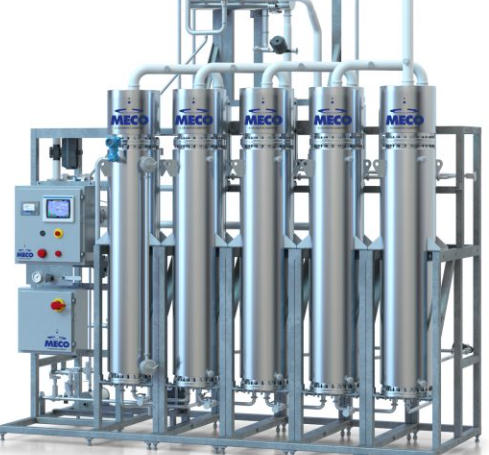
In hospitals, sleep labs, and large care facilities, relying solely on small commercial bottles of distilled water can strain logistics and increase costs. Installing a central Multi Function Distillation Water Machine provides a continuous, on‑site supply of high‑purity water for CPAP humidifiers, anesthesia machines, autoclaves, and other medical devices that benefit from mineral‑free water.[11][12]
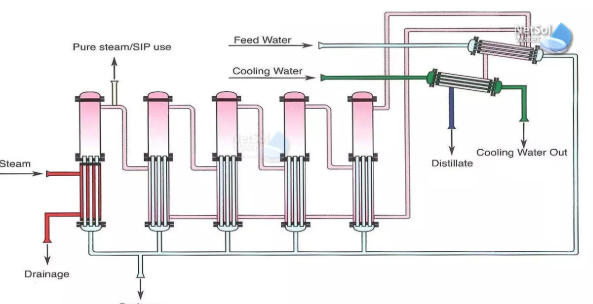
These systems typically combine feed‑water pre‑treatment, multi‑effect or single‑effect distillation, storage, and distribution under controlled conditions, maintaining low conductivity and bacterial counts. For Everheal's pharmaceutical customers, integrating a Multi Function Distillation Water Machine with pure steam generators and purified water loops creates a complete utility backbone that can also support clean‑in‑place, injectable‑grade water requirements, and sterile filling operations.[12][13]
Benefits of in‑house distilled water for CPAP fleets
For a sleep center or respiratory department managing many CPAP units, a Multi Function Distillation Water Machine offers several advantages over purchasing bottled distilled water. First, it delivers consistent quality that matches or exceeds typical bottled standards, avoiding variations between brands and batches. Second, it simplifies inventory management and reduces plastic waste by eliminating large numbers of single‑use containers.[12][11]
Third, centralized production can be linked with automated distribution and closed storage tanks, reducing the risk of secondary contamination and aligning with hospital infection‑control policies. Finally, the same distilled water infrastructure can feed sterilizers and pure steam generators, improving total system efficiency and return on investment for the healthcare facility.[11][12][13][1]
What if distilled water is not available?
Real‑world situations such as travel, remote locations, or temporary supply issues may make distilled water difficult to obtain. In such cases, clinical resources suggest that purified or filtered bottled water can be used as a short‑term solution, although it is not ideal because trace minerals can still accumulate in the humidifier tank.[10][2][3]
Some patient education materials mention that boiled tap water can reduce microbial load when nothing else is available, but boiling does not remove mineral content, so it still promotes scaling. After using any non‑distilled water, the humidifier should be cleaned more thoroughly according to the manufacturer's instructions and switched back to distilled water as soon as possible.[6][3][5]
Practical best practices for CPAP water use
To protect therapy effectiveness, user safety, and device lifetime, several simple habits are recommended:
- Always prefer distilled or demineralized water in the CPAP humidifier, following manufacturer instructions and healthcare guidance.[2][3]
- Avoid alkaline, spring, mineral, or electrolyte‑enhanced water, even if these products are marketed as “healthier” for drinking.[15][14]
- Empty and air‑dry the water chamber daily, and clean it regularly with mild detergent and thorough rinsing to prevent biofilm and deposits.[4][5]
- If non‑distilled water is used briefly, increase cleaning frequency and check for visible scale, then resume distilled water as soon as it becomes available.[6][5]
- In institutional or OEM environments, consider a Multi Function Distillation Water Machine as a central utility to guarantee a stable supply of CPAP‑grade distilled water at scale.[12][11]
How Everheal supports CPAP‑related water systems
Everheal's experience in pharmaceutical water and steam systems allows it to design and supply complete purified water preparation lines, pure steam generators, Multi Function Distillation Water Machine installations, filling equipment, and sterilization solutions. This expertise can be applied directly to CPAP and respiratory‑care ecosystems, whether for hospitals seeking robust utility infrastructure or CPAP manufacturers building high‑spec production plants.
By offering plant layout design, equipment selection, process piping, control systems, and validation support, Everheal helps customers implement water systems that consistently provide suitable distilled water for humidifiers and other critical devices. Combining distillation with pure steam sterilization and hygienic distribution supports both product quality and regulatory compliance in global markets, while Multi Function Distillation Water Machine technology sits at the core of this strategy.[11][12]
Conclusion
Distilled water is clearly the safest and most widely recommended choice for CPAP humidifiers because it minimizes mineral deposition, simplifies cleaning, and reduces the risk of microbial contamination. Distilled alkaline water, by contrast, generally contains added minerals or electrolytes that increase scaling and do not provide any respiratory benefit, so it should not be used as a routine substitute for plain distilled water in CPAP machines. For hospitals, sleep centers, and OEM manufacturers that need a secure and consistent supply of high‑quality water, installing a pharmaceutical‑grade Multi Function Distillation Water Machine as part of an integrated Everheal purified‑water and pure‑steam solution can reliably support CPAP fleets and broader medical‑device operations.[1][3][11][12][14][15][2]
FAQ
1. Is any type of distilled alkaline water acceptable for CPAP use?
In general, no, because most distilled alkaline waters have minerals deliberately added to raise pH, making them more similar to mineral or electrolyte water than to true distilled water. Since CPAP manuals and clinical guidance call for mineral‑free distilled or demineralized water, alkaline products fall outside the recommended range and may cause scaling in the humidifier.[16][14][15][2]
2. What should I do if I used alkaline water in my CPAP by mistake?
If alkaline or mineral water has been used accidentally, empty the tank, wash it with mild soap, rinse thoroughly, and allow it to air dry before refilling with distilled water. Occasional use is unlikely to immediately damage the machine in most cases, but repeated use can lead to mineral deposits and may make future cleaning more difficult.[4][5][6]
3. Is purified or filtered water a good long‑term alternative to distilled water?
Purified or filtered water is better than untreated tap water in the short term, but it usually contains some dissolved minerals that can gradually build up in the humidifier. For long‑term use, distilled water remains the preferred and recommended option to protect both the CPAP device and the user's airway.[3][5][2]
4. How does a Multi Function Distillation Water Machine improve CPAP water quality in hospitals?
A Multi Function Distillation Water Machine continuously produces high‑purity water with very low mineral content, ensuring that every CPAP humidifier in the facility can be filled with suitable distilled water. Centralized production also facilitates better microbial control, more consistent quality, and easier compliance with infection‑control and maintenance protocols.[13][11][12][1]
5. Why do guidelines emphasize “distilled, sterile, or demineralized” water for CPAP?
Guidelines highlight these water types because they limit both dissolved minerals that cause scale and microorganisms that could be aerosolized and inhaled. Distilled, sterile, or appropriately demineralized water provides a simple, standardized way to reduce avoidable technical and health risks associated with CPAP humidification.[13][1][2][3]
Citations:
[1](https://www.cdc.gov/infection-control/hcp/reopen-health-facilities/water-system-repair.html)
[2](https://www.sleepfoundation.org/cpap/should-you-use-distilled-water-for-a-cpap-machine)
[3](https://www.sleepapnea.org/cpap/should-you-use-distilled-water-for-a-cpap-machine/)
[4](https://www.sleephealthfoundation.org.au/sleep-disorders/caring-for-your-cpap-equipment)
[5](https://careicahealth.com/can-i-use-non-distilled-water-in-my-cpap-humidifier/)
[6](https://healthysleepmidwest.com/can-i-use-bottled-water-in-my-cpap-for-one-night/)
[7](https://www.resmed.com.au/blog/a-beginners-guide-to-cpap-therapy-humidification)
[8](https://www.england.nhs.uk/wp-content/uploads/2023/11/How-to-use-your-water-tub-easy-read.pdf)
[9](https://www.usa.philips.com/c-e/hs/sleep-and-respiratory-care/covid-19-response/sleep-apnea-faqs.html)
[10](https://breathefreely.com/traveling-with-a-cpap-machine/)
[11](https://www.biron.com/en/education-center/your-questions/water-type-choice-cpap-device/)
[12](https://distillata.com/blog/what-type-of-water-to-use-for-cpap-machine/)
[13](https://wwwnc.cdc.gov/eid/article/29/2/22-1205_article)
[14](https://aquapap.com/what-is-alkaline-water/)
[15](https://www.cpap.com/blogs/cpap-therapy/cpap-water)
[16](https://sleepdoctor.com/pages/cpap/why-use-distilled-water-for-cpap)
[17](https://www.healthline.com/health-news/sleep-apnea-tap-water-can-be-dangerous-to-use-in-cpap-machines)


