Content Menu
● Understanding pharmaceutical consumption
● Which country truly consumes the most?
● Leading pharmaceutical‑spending countries
>> Major high‑spending markets
● Volume versus spending: two different pictures
● Disease trends driving medicine use
● Emerging markets and shifting global demand
● Pharmaceutical Consumables: the hidden backbone
● Role of purified water and pure steam
● Filling, sealing, and sterilization capabilities
● Turnkey factory layout for high‑demand regions
● Everheal's support for global Pharmaceutical Consumables demand
● Conclusion
● FAQ
>> (1) Which country consumes the most pharmaceuticals by spending?
>> (2) Are there countries that use large medicine volumes but spend less?
>> (3) How do ageing populations affect Pharmaceutical Consumables demand?
>> (4) What role do purified water and pure steam play in high‑consumption markets?
>> (5) How can Everheal help manufacturers targeting top‑consumption countries?
● Citations:
The United States spends more on pharmaceuticals per person than any other country, making it the world's largest consumer of medicines in economic terms among high‑income nations. Other countries with very high pharmaceutical spending per capita include Germany, Switzerland, Canada, and Japan, but their outlays remain below US levels. This intense demand drives continuous investment in Pharmaceutical Consumables, production capacity, and advanced pharmaceutical equipment worldwide.[1][2][3][4][5]
Understanding pharmaceutical consumption
Pharmaceutical consumption can be measured in two main ways: physical volume of medicines used (such as doses per 1,000 inhabitants) and spending in monetary terms. Some countries stand out for high volumes of generic drug use, while others are notable because of higher prices, broader coverage of innovative medicines, and greater use of specialty drugs that sharply increase expenditure on Pharmaceutical Consumables.[6][7][8]
Global reports show that total medicine use continues to grow due to ageing populations, chronic disease burdens, and expanding access to basic and advanced therapies in emerging markets. At the same time, worldwide pharmaceutical spending has risen into the trillions of US dollars, with North America alone accounting for a large share of global sales revenues and demand for Pharmaceutical Consumables.[4][5][7]
Which country truly consumes the most?
If the focus is on overall and per‑capita pharmaceutical spending, the United States clearly consumes the most pharmaceuticals in economic terms. Studies estimate that the US accounts for around half of global prescription drug revenues among high‑income markets, even though it represents only a minority share of global prescription volume, underlining the impact of high prices and intensive use of expensive therapies.[2][5][8][9][1]
Volume‑based comparisons sometimes show smaller gaps, because other countries also use large amounts of essential medicines and generics. However, the US combination of pricing, rapid uptake of new products, and wide use of biologics and specialty drugs means its pharmaceutical spend and associated use of Pharmaceutical Consumables remain unmatched.[7][8][9][10][6]
Leading pharmaceutical‑spending countries
International comparisons identify a group of high‑income countries that consistently appear near the top for pharmaceutical spending per capita. These markets not only purchase significant quantities of medicines but also rely heavily on high‑quality Pharmaceutical Consumables to manufacture, package, and deliver therapies safely.[3][5][1][2][4]
Major high‑spending markets
- United States: Highest per‑capita and total pharmaceutical spending, accounting for a disproportionate share of global drug revenues.[9][1][2]
- Germany: Large, well‑funded healthcare system with strong use of chronic‑disease therapies and extensive generic substitution.[1][7]
- Switzerland: Very high per‑capita spending, advanced hospital sector, and a powerful export‑oriented pharmaceutical industry.[3][1]
- Canada: High spending with a mix of public and private insurance schemes that provide broad access to prescription drugs.[1][3]
- Japan: Large ageing population and considerable use of chronic disease and specialty medicines.[11][4][1]
Other countries such as France, Belgium, Australia, and several Nordic states often appear near the top of pharmaceutical spending rankings. All of these markets rely on stable supply chains and GMP‑compliant Pharmaceutical Consumables, from vials and stoppers to filters and single‑use components.[5][12][3][1]
Volume versus spending: two different pictures
Asking which country consumes the most pharmaceuticals can lead to different answers depending on whether the focus is on physical volume or spending. Some health systems emphasize broad access to low‑cost generics, resulting in high volumes but moderate spending, while others use many high‑priced, patented therapies that drive up total expenditure and demand for sophisticated Pharmaceutical Consumables.[8][6][7]
Analyses comparing the US with peer countries suggest that US per‑capita drug volume is somewhat higher than the global average, but spending is much higher because of greater use of costly agents and higher prices per unit. In contrast, several European systems combine strict price regulation with strong promotion of generics and biosimilars, leading to controlled spending despite substantial use of essential medicines that still rely on sterile Pharmaceutical Consumables and validated equipment.[12][13][7][8][9]
Disease trends driving medicine use
Patterns of pharmaceutical consumption are shaped heavily by disease trends, especially chronic non‑communicable diseases such as hypertension, diabetes, cancer, and depression. OECD data show substantial growth in the use of antihypertensives, antidiabetics, lipid‑lowering agents, and antidepressants in many countries over the past decade.[14][7]
Rising use of biologics and targeted therapies in oncology, rheumatology, and rare diseases also contributes significantly to spending and to the sophistication of required Pharmaceutical Consumables. These products often demand aseptic processing, cold‑chain logistics, and highly controlled contact materials, reinforcing the importance of advanced filling equipment, pure utilities, and reliable sterilization solutions.[4][5][8]
Emerging markets and shifting global demand
Although high‑income countries remain dominant in per‑capita spending, large emerging markets are becoming central to the global pharmaceutical landscape. China has already grown into one of the world's largest pharmaceutical markets by total spending, driven by health‑system reforms, urbanization, and the rising prevalence of chronic diseases.[5][4]
Other middle‑income countries in Latin America, the Middle East, Eastern Europe, and Southeast Asia are investing in access to medicines and local manufacturing capacity. As these markets grow, they increase demand for both finished drugs and local production infrastructure, including purified water lines, clean steam generation, filling and sealing equipment, sterilization systems, and corresponding Pharmaceutical Consumables that must meet international quality and regulatory expectations.[6][12][4][5]
Pharmaceutical Consumables: the hidden backbone
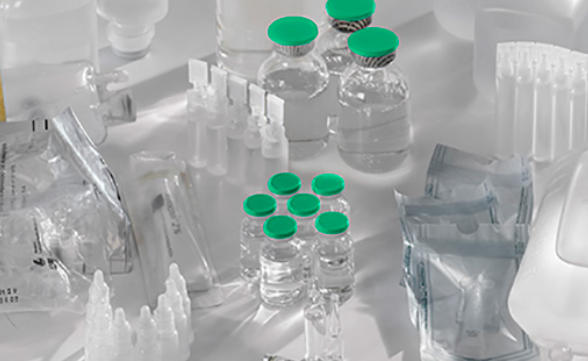
Behind every tablet, vial, ampoule, or prefilled syringe stands a wide range of Pharmaceutical Consumables that support safe, efficient, and compliant manufacturing. These include single‑use bags, sterile filters, tubing sets, gaskets, vials, stoppers, caps, primary and secondary packaging materials, wash and rinse solutions, and biological indicators used in sterilization cycles.[4][5][6]
As global pharmaceutical consumption rises, so does the volume and technical complexity of these Pharmaceutical Consumables. Manufacturers must qualify suppliers, control extractables and leachables, ensure sterility assurance levels, and maintain robust documentation, making the interface between process equipment and consumables a key focus for regulatory inspections.[12][5][4]
Role of purified water and pure steam
Every high‑consumption market depends on high‑quality water and steam systems that underpin pharmaceutical production. Purified water and water for injection (WFI) are used for solution preparation, equipment washing, rinsing of Pharmaceutical Consumables, and as a component of many liquid and semi‑solid formulations.[5][6][12]
Pure steam is essential for sterilizing equipment, piping, and many types of Pharmaceutical Consumables that come into contact with sterile products. Multi‑effect distillation units, pure steam generators, hygienic distribution loops, and automated monitoring systems must be designed and operated to comply with pharmacopoeial and regulatory requirements, particularly in markets such as the US, EU, and Japan that consume large quantities of high‑value medicines.[6][12][5]
Filling, sealing, and sterilization capabilities
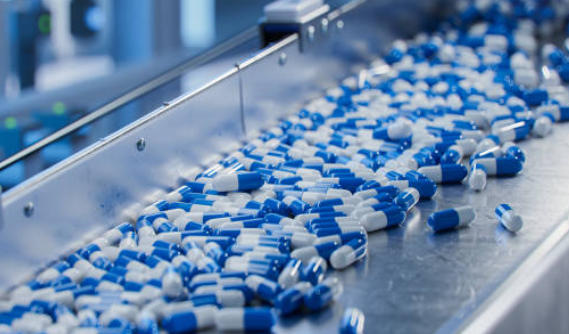
Countries that consume the most pharmaceuticals require extensive filling and packaging capacity to transform bulk products into ready‑to‑use medicines. High‑speed filling and sealing machines handle a variety of formats, from small‑volume injectable vials and ampoules to larger bottles and infusion bags, each of which relies on precise dosing and consistent handling of Pharmaceutical Consumables like stoppers, caps, and liners.[4][5][6]
Sterilization technologies such as autoclaves, steam‑air mixtures, dry‑heat tunnels, and sterilizing filtration are critical to maintaining product sterility and safety. Validated sterilization cycles must ensure that both equipment and many Pharmaceutical Consumables achieve the required sterility assurance levels, especially for parenteral products destined for high‑regulation markets.[12][5][6]
Turnkey factory layout for high‑demand regions
To serve top‑consuming markets, pharmaceutical companies often build or upgrade facilities with carefully optimized layouts that integrate process equipment, utilities, and Pharmaceutical Consumables flows. Turnkey providers can design plants that combine purified water preparation systems, pure steam generators, multi‑effect distillation units, liquid filling and sealing machines, and sterilization systems into a coherent production platform.[5][6][12][4]
A well‑planned layout supports logical flows of personnel, materials, and waste, minimizing cross‑contamination risks and simplifying handling of Pharmaceutical Consumables from incoming goods to final packaging. For manufacturers targeting the US, European, and Japanese markets, this approach helps align capacity and compliance with the expectations of health authorities in the countries that consume the most pharmaceuticals.[6][12][5]
Everheal's support for global Pharmaceutical Consumables demand
Manufacturers in high‑consumption countries need partners who understand both regulatory expectations and practical production challenges. By focusing on purified water preparation systems, pure steam generators, multi‑function distilled‑water machines, liquid filling and sealing equipment, and sterilization systems, Everheal can help clients build the backbone of their Pharmaceutical Consumables and drug‑product manufacturing operations.[4][5]
Through customized factory layout planning and integrated production‑line construction, Everheal supports efficient material flows, ease of cleaning and sterilization, and robust validation packages for regulated markets. This makes it easier for pharmaceutical companies to supply top‑consuming countries with safe, high‑quality medicines and to manage Pharmaceutical Consumables consistently across global networks.[12][4][5]
Conclusion
The United States consumes the most pharmaceuticals when measured by total and per‑capita spending, with Germany, Switzerland, Canada, Japan, and several other high‑income nations also showing substantial pharmaceutical outlays. These consumption patterns reflect ageing populations, chronic‑disease burdens, pricing policies, and rapid adoption of advanced therapies that all intensify demand for Pharmaceutical Consumables and sophisticated manufacturing infrastructure.[2][7][8][9][14][3][1][4]
Behind every high‑consumption market lies a complex system of purified water and pure steam utilities, filling and sealing lines, sterilization equipment, and qualified Pharmaceutical Consumables working together under strict GMP regulations. By providing integrated equipment and turnkey factory layout solutions, Everheal can help global manufacturers expand or modernize their facilities to meet the needs of the countries that consume the most pharmaceuticals while maintaining safety, quality, and regulatory compliance.[12][4][5][6]
FAQ
(1) Which country consumes the most pharmaceuticals by spending?
The United States consumes the most pharmaceuticals by spending, leading the world in both total and per‑capita pharmaceutical expenditure. It accounts for a disproportionately high share of global prescription drug revenues compared with its share of global population and prescription volume, which also increases demand for advanced Pharmaceutical Consumables.[8][9][2][1][5]
(2) Are there countries that use large medicine volumes but spend less?
Yes. Several countries combine wide access to medicines with strong use of generics and tight price regulation, which keeps spending lower even when volumes are high. In such systems, large quantities of essential drugs still require robust supplies of Pharmaceutical Consumables, but unit costs for many therapies remain significantly below US levels.[13][7][12][6]
(3) How do ageing populations affect Pharmaceutical Consumables demand?
Ageing populations increase the prevalence of chronic diseases such as hypertension, diabetes, and cardiovascular conditions, which drives sustained use of multiple medications. This long‑term therapy increases consumption of both finished products and associated Pharmaceutical Consumables used in production, filling, packaging, and administration.[7][14][4]
(4) What role do purified water and pure steam play in high‑consumption markets?
Purified water and pure steam form the core utilities needed to produce sterile medicines for the world's highest‑consumption markets. They are used to prepare solutions, clean and rinse equipment, and sterilize many Pharmaceutical Consumables, helping manufacturers maintain compliance with pharmacopoeial and regulatory standards.[12][5][6]
(5) How can Everheal help manufacturers targeting top‑consumption countries?
Everheal supports manufacturers targeting high‑consumption countries by providing integrated purified water systems, pure steam generators, multi‑effect distillation machines, liquid filling and sealing lines, and sterilization systems tailored to project requirements. Combined with factory layout planning and turnkey engineering services, these solutions help clients manage Pharmaceutical Consumables efficiently, strengthen GMP compliance, and align production capacity with demand in markets such as the US, Europe, and Japan.[5][12]
Citations:
[1](https://www.nationmaster.com/nmx/ranking/total-pharmaceutical-spending)
[2](https://www.statista.com/statistics/266141/pharmaceutical-spending-per-capita-in-selected-countries/)
[3](https://pharmawaysnews.com/15-countries-with-highest-pharmaceutical-spend-per-capita/)
[4](https://www.iqvia.com/insights/the-iqvia-institute/reports-and-publications/reports/the-global-use-of-medicines-2023)
[5](https://www.efpia.eu/media/rm4kzdlx/the-pharmaceutical-industry-in-figures-2023.pdf)
[6](https://www.oecd.org/en/data/indicators/pharmaceutical-spending.html)
[7](https://www.oecd.org/en/publications/2023/11/health-at-a-glance-2023_e04f8239/full-report/pharmaceutical-consumption_4b6cb013.html)
[8](https://www.ncbi.nlm.nih.gov/books/NBK611829/)
[9](https://aspe.hhs.gov/sites/default/files/documents/4326cc7fe43bc11770598cf2a13f478c/international-market-size-prices.pdf)
[10](https://aspe.hhs.gov/reports/comparing-prescription-drugs)
[11](https://www.weforum.org/stories/2015/11/which-countries-spend-the-most-on-medicine/)
[12](https://www.oecd.org/en/publications/2025/11/health-at-a-glance-2025_a894f72e/full-report/pharmaceutical-expenditure_ab82eef9.html)
[13](https://www.commonwealthfund.org/sites/default/files/documents/___media_files_publications_issue_brief_2017_oct_sarnak_paying_for_rx_ib_v2.pdf)
[14](https://www.oecd.org/en/publications/2025/11/health-at-a-glance-2025_a894f72e/full-report/pharmaceutical-consumption_cd4ca729.html)


