Content Menu
● Overview of Russia's Pharmaceutical Industry
● Leading Russian Pharmaceutical Equipment Manufacturers
>> 1. Rota-Pack Industries
>> 2. PharmTechnika LLC
>> 3. ImProm LLC
>> 4. TechnoPharm Engineering
>> 5. BiokonTech Group
● International Suppliers in the Russian Market
>> Notable global names:
● Equipment Categories in Demand
>> 1. Water Treatment and Purification Systems
>> 2. Sterilization and Aseptic Equipment
>> 3. Liquid Filling and Sealing Lines
>> 4. Tablet and Capsule Production Equipment
>> 5. Cleanroom and Containment Solutions
● Trends Shaping the Russian Pharmaceutical Equipment Market
● Why Russia Is a Strategic Hub
● How to Choose a Reliable Supplier
● The Role of Everheal in Global Pharmaceutical Manufacturing
● Conclusion
● FAQs about Pharmaceutical Equipment Manufacturers and Suppliers
>> 1. What are the most in-demand types of pharmaceutical equipment in Russia?
>> 2. Why should pharmaceutical companies buy equipment from Russia?
>> 3. How can foreign pharmaceutical equipment manufacturers enter the Russian market?
>> 4. What certifications do reliable pharmaceutical equipment suppliers need?
>> 5. Why is Everheal considered a trusted global supplier?
Russia's pharmaceutical industry has been expanding steadily, driven by technological innovation, increasing healthcare demand, and a growing focus on self-sufficiency in drug manufacturing. The market for pharmaceutical equipment manufacturers and suppliers in Russia has therefore become highly dynamic, with both local and international companies competing to provide advanced production equipment, automation systems, and GMP-compliant solutions.
In this article, we will explore the leading pharmaceutical equipment manufacturers and suppliers in Russia, discuss their main products, innovations, and market contributions, and identify why Russia is positioning itself as one of the emerging hubs for pharmaceutical machinery in the Eurasian region.
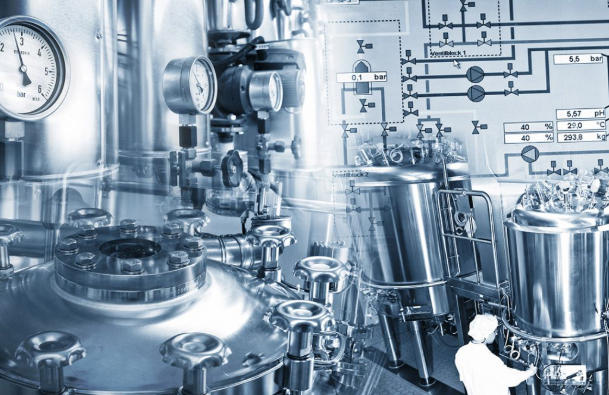
Overview of Russia's Pharmaceutical Industry
Over the past decade, Russia's pharmaceutical sector has undergone a transformation under the government's “Pharma 2030” strategy, which aims to localize production and reduce reliance on imports. This shift has spurred demand for advanced pharmaceutical equipment manufacturers and suppliers capable of delivering modern, automated systems for drug production, packaging, and quality assurance.
Several factors contribute to this growth:
- Government incentives: Local production subsidies and import substitution programs support manufacturers that install domestic pharmaceutical equipment.
- Increased R&D investment: Russian firms are investing in high-quality machinery for sterile production, fluid handling, and biotech processes.
- Rising export demand: Russian pharmaceutical companies aim to supply global markets, requiring GMP- and ISO-certified equipment that meets international quality standards.
- International collaboration: Joint ventures between Russian and foreign machinery manufacturers enhance technology transfer and local production capabilities.
Leading Russian Pharmaceutical Equipment Manufacturers
1. Rota-Pack Industries
Rota-Pack Industries is among the recognized pharmaceutical equipment manufacturers and suppliers in Russia, specializing in liquid filling, capping, labeling, and packaging systems. It provides turnkey filling lines for both sterile and non-sterile liquid production.
Key products:
- Automatic ampoule and vial filling machines
- Tablet counting and bottling equipment
- Blister packaging lines
Rota-Pack distinguishes itself with high-precision automation solutions designed for pharmaceutical, cosmetic, and nutraceutical industries. The company's GMP-compliant equipment is exported to several Eastern European and Asian markets.
2. PharmTechnika LLC
PharmTechnika is a well-known domestic producer of automation systems for tablet, capsule, and sterile product production. Known for its advanced filtration and sterilization technologies, it delivers equipment that complies with both European and Russian pharmacopeia standards.
Key products:
- Autoclaves and sterilizers
- Cleanroom equipment
- Tablet coating and granulation systems
PharmTechnika's robust after-sales service and process validation support make it a trusted partner for pharmaceutical companies focusing on aseptic manufacturing and quality assurance.
3. ImProm LLC
ImProm specializes in process equipment for biopharmaceutical and vaccine manufacturing. The company integrates mechanical engineering expertise with bio-process simulation tools to produce efficient and scalable systems.
Key offerings:
- Bioreactors and fermenters
- Purified water generation systems
- CIP/SIP automated cleaning modules
As one of the top pharmaceutical equipment manufacturers and suppliers in Russia, ImProm has contributed significantly to the country's biotechnology and vaccine infrastructure, especially during rapid vaccine development initiatives.
4. TechnoPharm Engineering
TechnoPharm Engineering provides tailored equipment solutions for both large-scale pharmaceutical factories and research laboratories. Its wide product portfolio covers manufacturing, filling, and quality control.
Key products:
- Mixing and homogenization systems
- Liquid formulation and filtration units
- Process control and monitoring software
TechnoPharm's value lies in its integrated design and project management approach, providing end-to-end plant layout, validation, and equipment installation services.
5. BiokonTech Group
BiokonTech Group is an innovative Russian engineering company offering bioprocess, filling, and packaging equipment for pharmaceuticals and medical devices. It has expanded rapidly thanks to its partnerships with international suppliers.
Main products:
- Sterile filling and stoppering systems
- Mobile cleanroom modules
- Pharmaceutical waste sterilization systems
Its focus on modular and flexible manufacturing environments helps producers reduce downtime, increase process reliability, and achieve faster product turnover.
International Suppliers in the Russian Market
In addition to Russian producers, several global pharmaceutical equipment manufacturers and suppliers have developed a strong presence in the Russian market. Companies from China, Germany, and Italy are expanding their distribution networks and forming strategic alliances with local engineering firms.
Notable global names:
- Everheal (China): Specializes in purified water preparation systems, pure steam generators, multifunctional distillation units, liquid filling and sealing machines, and sterilization systems. Everheal's integrated plant layout design and production line solutions make it a trusted partner for global pharmaceutical clients.
- IMA Group (Italy): Known for capsule filling, solid dose processing, and packaging systems, IMA serves several Russian pharmaceutical companies through local distributors.
- Bosch Packaging Technology (Germany): Offers state-of-the-art vial filling, inspection, and packaging machines suitable for high-speed sterile drug production.
- GEA Group (Germany): Provides process equipment including freeze dryers, fluid bed dryers, and granulation systems.
- Truking Technology (China): Supplies large-scale sterile filling and lyophilization systems to Russian biotech and vaccine production facilities.
These international firms help drive the modernization of Russia's pharmaceutical manufacturing landscape by introducing global manufacturing standards and precision equipment technologies.
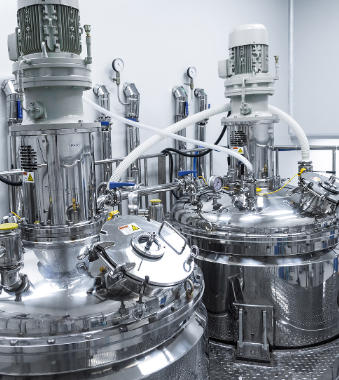
Equipment Categories in Demand
Understanding which types of machinery are most in demand helps highlight priorities for pharmaceutical equipment manufacturers and suppliers operating in Russia. Some of the fastest-growing categories include:
1. Water Treatment and Purification Systems
High-quality purified water (PW) and water for injection (WFI) systems are essential for sterile pharmaceutical manufacturing. Demand is strong for validated multi-effect distillation units, reverse osmosis skids, and clean steam generators — products that companies like Everheal specialize in.
2. Sterilization and Aseptic Equipment
Autoclaves, sterilizers, and depyrogenation tunnels remain critical for ensuring sterile drug production. Russian producers partner with global suppliers to meet strict GMP compliance in aseptic processing.
3. Liquid Filling and Sealing Lines
Pharmaceutical firms increasingly require fully automated vial, ampoule, and syringe filling lines that integrate inspection and leak detection capabilities. Suppliers offering integrated filling-sealing machinery are preferred for their productivity and reliability.
4. Tablet and Capsule Production Equipment
Granulators, tablet presses, capsule fillers, and coating machines remain a cornerstone of solid dosage production. Equipment with precise control systems that ensure uniform potency and coating quality is highly sought after.
5. Cleanroom and Containment Solutions
With rising biosafety requirements, especially for biopharmaceuticals and vaccines, modular cleanrooms and isolators have become essential. Many Russian pharmaceutical equipment manufacturers and suppliers are now adding turnkey cleanroom facilities to their product lines.
Trends Shaping the Russian Pharmaceutical Equipment Market
The pharmaceutical machinery sector in Russia continues to evolve rapidly. Below are several trends currently shaping market developments:
- Localization and partnerships: Global equipment makers increasingly collaborate with Russian companies for local assembly and technical support.
- Automation and digitalization: Smart manufacturing technologies and real-time monitoring systems are gaining attention.
- Sustainable manufacturing: Energy-efficient systems and eco-friendly design principles are being incorporated across production lines.
- Post-pandemic readiness: Demand for vaccine-fill and sterile packaging equipment remains high.
- Regulatory harmonization: Alignment with EU GMP and WHO standards is promoting international competitiveness of locally produced pharmaceutical equipment.
Why Russia Is a Strategic Hub
From its geographical position linking Europe and Asia to its growing domestic demand, Russia has become a strategic distribution and production base for many global pharmaceutical equipment manufacturers and suppliers. Major benefits include:
- Access to emerging Eurasian markets.
- Lower operational costs compared to Western Europe.
- Availability of skilled engineers and scientific talent.
- Growing pharmaceutical R&D ecosystem.
For international suppliers like Everheal, establishing technical cooperation projects and local assembly centers in Russia ensures faster service response, regulatory compliance, and enhanced customer trust.
How to Choose a Reliable Supplier
Selecting the right pharmaceutical equipment manufacturers and suppliers can significantly impact product quality, production efficiency, and long-term costs. Here are key criteria to consider:
1. Quality certifications: Ensure compliance with GMP, ISO 9001, and CE standards.
2. Validation support: Look for suppliers providing IQ/OQ/PQ documentation and training.
3. Customization capability: Choose partners who can tailor systems to your production needs.
4. After-sales service: Reliable technical support and spare part availability are crucial.
5. Global experience: Suppliers with successful international project experience bring proven design and process insights.
The Role of Everheal in Global Pharmaceutical Manufacturing
Everheal, as one of the fast-growing pharmaceutical equipment manufacturers and suppliers from China, has built a reputation for delivering complete systems and factory layout designs customized for GMP environments. With advanced pure steam and purified water generation technologies, Everheal's solutions are widely adopted in Russia, Southeast Asia, the Middle East, and Europe.
The company's product range includes:
- Purified water preparation systems
- Pure steam generators
- Multifunctional distillation machines
- Liquid filling and sealing equipment
- Sterilization systems
Everheal's commitment to innovation, reliability, and client-oriented engineering services positions it as a trusted strategic partner for pharmaceutical producers worldwide.
Conclusion
Russia's emergence as a pharmaceutical manufacturing hub presents significant opportunities for both local and international pharmaceutical equipment manufacturers and suppliers. With strong government support, increasing foreign collaboration, and a growing emphasis on automation and GMP compliance, the market offers vast potential for equipment providers seeking long-term partnerships.
Companies like Everheal demonstrate how integrated system design, engineering precision, and after-sales service excellence can help shape the future of pharmaceutical production in Russia and beyond. As Russia continues to expand its pharmaceutical capabilities, equipment manufacturers that align with modernization goals, quality standards, and sustainability principles will lead the next wave of industry growth.
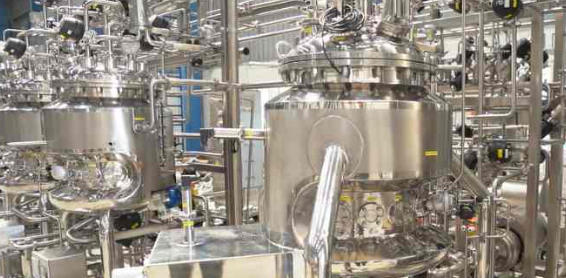
FAQs about Pharmaceutical Equipment Manufacturers and Suppliers
1. What are the most in-demand types of pharmaceutical equipment in Russia?
The most popular equipment includes purified water systems, sterilizers, tablet presses, capsule fillers, and aseptic filling lines. These products support GMP-compliant environments and high-volume drug production.
2. Why should pharmaceutical companies buy equipment from Russia?
Domestic suppliers offer cost savings, faster maintenance support, and compliance with Russian regulatory requirements, making them ideal partners for local production expansion.
3. How can foreign pharmaceutical equipment manufacturers enter the Russian market?
They can partner with local distributors, set up joint ventures, or establish assembly centers to better serve customers and meet localization policies.
4. What certifications do reliable pharmaceutical equipment suppliers need?
Suppliers should comply with GMP, ISO 9001, CE, and occasionally FDA standards, ensuring their products meet international pharmaceutical manufacturing requirements.
5. Why is Everheal considered a trusted global supplier?
Everheal's advanced engineering of pure water and steam systems, strong project customization capabilities, and reliability in after-sales support make it a preferred partner in global pharmaceutical production.


