Content Menu
● Overview of Chile's Pharmaceutical Manufacturing Landscape
● Key Categories of Pharmaceutical Equipment in Demand
>> Water Treatment and Purification Systems
>> Filling and Packaging Equipment
>> Sterilization Systems
● Leading International Pharmaceutical Equipment Manufacturers and Suppliers Serving Chile
● Everheal: Comprehensive Solutions for Chilean Pharmaceutical Manufacturers
● Selecting the Right Pharmaceutical Equipment Manufacturers and Suppliers
● Regulatory Considerations and Compliance Requirements
● Trends Shaping Chile's Pharmaceutical Equipment Market
● Cost Considerations and Investment Planning
● After-Sales Support and Long-Term Partnerships
● Conclusion
● FAQ
>> 1. What are the most important qualifications to look for when selecting pharmaceutical equipment manufacturers and suppliers in Chile?
>> 2. How do pharmaceutical equipment manufacturers and suppliers like Everheal support factory planning and layout design?
>> 3. What is the typical timeline for installing a complete pharmaceutical production line from equipment manufacturers and suppliers?
>> 4. How do pharmaceutical equipment manufacturers and suppliers ensure compliance with evolving regulatory requirements?
>> 5. What maintenance and support services should pharmaceutical equipment manufacturers and suppliers provide?
Chile's pharmaceutical industry has experienced remarkable growth over the past decade, positioning itself as a key player in Latin America's healthcare manufacturing sector. The country's strategic location, robust regulatory framework, and commitment to quality standards have attracted significant investment in pharmaceutical production facilities. As the industry expands, the demand for reliable pharmaceutical equipment manufacturers and suppliers has grown substantially, creating opportunities for both local and international companies to serve this dynamic market.
The Chilean pharmaceutical market represents approximately $2.5 billion in annual revenue, with consistent year-over-year growth driven by an aging population, increased healthcare access, and rising demand for specialized medications. This expansion has created a pressing need for advanced manufacturing equipment, from sterile water systems to automated filling lines. Understanding the landscape of pharmaceutical equipment manufacturers and suppliers in Chile is essential for companies looking to establish or upgrade their production capabilities in this promising market.
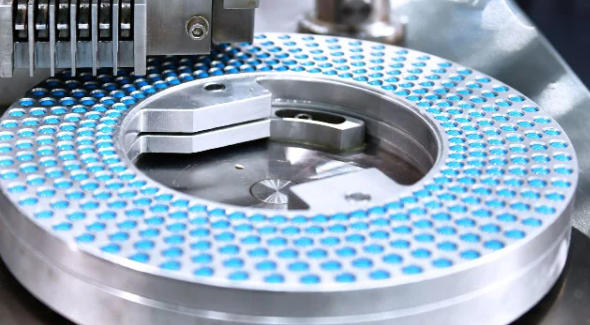
Overview of Chile's Pharmaceutical Manufacturing Landscape
Chile's pharmaceutical sector benefits from a well-established regulatory environment overseen by the Institute of Public Health (ISP), which enforces Good Manufacturing Practices (GMP) aligned with international standards. The country's pharmaceutical production facilities must meet stringent quality requirements, creating consistent demand for high-grade equipment that ensures compliance with both local and export market regulations.
The Chilean government has implemented policies to encourage domestic pharmaceutical production, reducing dependency on imports and fostering technological innovation. These initiatives have stimulated investments in modern manufacturing infrastructure, with companies seeking cutting-edge equipment to maintain competitive advantages. The pharmaceutical equipment manufacturers and suppliers serving this market must provide solutions that meet ISO standards, FDA guidelines, and European Union regulations to support Chile's export ambitions.
Santiago, Valparaíso, and the Bio-Bio region host the majority of pharmaceutical manufacturing facilities, creating regional hubs where pharmaceutical equipment manufacturers and suppliers concentrate their sales and service operations. These locations offer proximity to major transportation networks, skilled workforce availability, and access to utilities essential for pharmaceutical production, including reliable water and power supplies.
Key Categories of Pharmaceutical Equipment in Demand
Water Treatment and Purification Systems
Purified water systems represent one of the most critical investments for pharmaceutical manufacturers in Chile. These systems must produce water meeting pharmacopeial standards for various applications, from ingredient preparation to equipment cleaning. Pharmaceutical equipment manufacturers and suppliers offering purified water preparation systems must ensure their solutions comply with USP, EP, and ChP requirements while addressing Chile's specific water quality challenges.
Pure steam generators serve essential roles in sterilization processes, providing pyrogen-free steam for autoclaves, sterilization-in-place (SIP) systems, and other critical applications. The demand for reliable pure steam generation equipment has increased as Chilean manufacturers expand their sterile product portfolios, including injectables and ophthalmic preparations.
Multi-effect distillation systems offer energy-efficient solutions for producing large volumes of distilled water, appealing to facilities with high-capacity requirements. These systems reduce operational costs while maintaining consistent water quality, making them attractive investments for established pharmaceutical manufacturers looking to optimize their utilities infrastructure.
Filling and Packaging Equipment
Liquid filling and sealing machines have become indispensable as Chilean pharmaceutical companies diversify their product lines to include oral liquids, topical solutions, and injectable preparations. Modern pharmaceutical equipment manufacturers and suppliers provide automated systems that ensure precise dosing, minimize contamination risks, and maximize throughput while maintaining GMP compliance.
Advanced filling lines incorporate features such as nitrogen flushing, online weight checking, and automated rejection systems to guarantee product quality and reduce waste. The pharmaceutical equipment manufacturers and suppliers that succeed in Chile offer machines with flexible changeover capabilities, allowing manufacturers to efficiently switch between different product formats and container sizes.
Serialization and track-and-trace systems have become mandatory components of packaging lines, driven by global anti-counterfeiting regulations and supply chain transparency requirements. Equipment suppliers must integrate these technologies seamlessly with existing production infrastructure to help Chilean manufacturers meet international market access requirements.
Sterilization Systems
Sterilization equipment constitutes another critical category for pharmaceutical equipment manufacturers and suppliers in Chile. Autoclaves, dry heat sterilizers, and depyrogenation tunnels enable manufacturers to ensure product sterility and container integrity. The transition toward more complex biological products has increased demand for advanced sterilization technologies, including vaporized hydrogen peroxide systems and radiation sterilization capabilities.
Terminal sterilization equipment for finished products must accommodate various container formats and product characteristics while providing validated sterilization cycles. Pharmaceutical equipment manufacturers and suppliers offering flexible sterilization solutions with comprehensive validation support gain preference among Chilean manufacturers navigating increasingly complex regulatory requirements.
Leading International Pharmaceutical Equipment Manufacturers and Suppliers Serving Chile
Several global pharmaceutical equipment manufacturers and suppliers have established strong presences in Chile, providing equipment, technical support, and after-sales services to local manufacturers. These companies typically operate through direct offices, authorized distributors, or regional service centers that ensure rapid response times and local expertise.
European manufacturers maintain significant market share in Chile, leveraging their reputations for engineering excellence and regulatory compliance expertise. German, Italian, and Swiss pharmaceutical equipment manufacturers and suppliers have long-standing relationships with Chilean pharmaceutical companies, offering everything from laboratory-scale equipment to complete turnkey production lines.
North American suppliers have also expanded their footprint in Chile, capitalizing on strong trade relationships and the appeal of FDA-compliant equipment for companies targeting export markets. These pharmaceutical equipment manufacturers and suppliers often provide advantages in terms of standardized spare parts availability and English-language documentation that facilitates technology transfer.
Asian manufacturers, particularly those from China, Japan, and South Korea, have gained market share by offering competitive pricing without compromising quality standards. Companies like Everheal from China have established themselves as reliable pharmaceutical equipment manufacturers and suppliers, providing comprehensive solutions including purified water preparation systems, pure steam generators, multi-function distillation water machines, liquid filling sealing machines, and sterilization systems tailored to client specifications.
Everheal: Comprehensive Solutions for Chilean Pharmaceutical Manufacturers
Everheal has emerged as a trusted partner for Chilean pharmaceutical companies seeking cost-effective yet high-quality manufacturing equipment. As specialized pharmaceutical equipment manufacturers and suppliers, Everheal offers an integrated approach to facility development, combining individual equipment supply with complete factory layout planning and production line construction services.
The company's purified water preparation systems incorporate multiple purification stages, including multi-media filtration, activated carbon treatment, reverse osmosis, and electrodeionization (EDI) or mixed-bed ion exchange. These systems can be customized to address Chile's varied raw water quality conditions while meeting stringent pharmaceutical water specifications. Everheal's engineering team works directly with clients to design systems that optimize capital expenditure and operational efficiency.
Everheal's pure steam generators utilize advanced heat exchanger designs that prevent carryover and ensure consistent steam quality meeting pharmacopeial requirements for pyrogen-free steam. These generators integrate seamlessly with sterilization systems and clean-in-place (CIP) equipment, providing the foundation for comprehensive contamination control strategies.
The multi-function distillation water machines offered by Everheal combine water purification and distillation in compact, efficient units suitable for facilities with space constraints or moderate water demands. These systems provide flexibility for manufacturers producing both sterile and non-sterile products, reducing overall equipment investment requirements.
Everheal's liquid filling sealing machines accommodate various container types, from vials and ampoules to bottles and bags, with quick changeover capabilities that maximize production flexibility. These machines incorporate servo-driven filling pumps, automated stopper placement, and capping systems that ensure consistent product quality while minimizing operator intervention and contamination risks.
The sterilization systems portfolio includes steam sterilizers, dry heat ovens, and integrated SIP systems designed to validate easily and maintain compliance with current regulatory expectations. Everheal's approach to sterilization equipment emphasizes energy efficiency, cycle time optimization, and comprehensive automation to reduce operational costs while enhancing process reliability.
Beyond individual equipment supply, Everheal distinguishes itself among pharmaceutical equipment manufacturers and suppliers by offering complete factory planning services. The company's engineering teams collaborate with clients from project conception through commissioning, developing optimized layouts that ensure efficient material flow, appropriate segregation of operations, and compliance with GMP spatial requirements. This comprehensive approach reduces project timelines and minimizes coordination challenges associated with multi-vendor installations.
Selecting the Right Pharmaceutical Equipment Manufacturers and Suppliers
Choosing appropriate pharmaceutical equipment manufacturers and suppliers requires careful evaluation of multiple factors beyond initial purchase price. Chilean pharmaceutical companies must consider long-term total cost of ownership, including energy consumption, maintenance requirements, spare parts availability, and upgrade pathways as production demands evolve.
Regulatory compliance support represents a critical selection criterion. The most valuable pharmaceutical equipment manufacturers and suppliers provide comprehensive validation documentation, including Design Qualification (DQ), Installation Qualification (IQ), Operational Qualification (OQ), and Performance Qualification (PQ) protocols. This documentation accelerates regulatory approval processes and demonstrates equipment suitability for pharmaceutical applications.
Local technical support capabilities significantly impact equipment reliability and production uptime. Pharmaceutical equipment manufacturers and suppliers with Chilean offices or authorized service partners can provide rapid response to technical issues, reducing downtime costs. Training programs that transfer operational and maintenance knowledge to client personnel further enhance equipment value.
Scalability and future expansion considerations should inform equipment selection decisions. As Chilean pharmaceutical manufacturers grow their production capacities, equipment that can be upgraded or expanded modularly provides better long-term value than systems requiring complete replacement. Progressive pharmaceutical equipment manufacturers and suppliers design their products with growth pathways that protect initial investments.
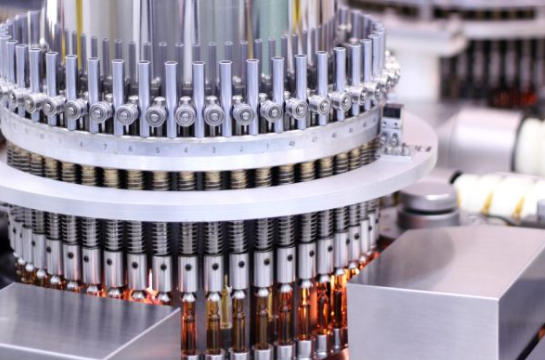
Regulatory Considerations and Compliance Requirements
Chile's pharmaceutical regulatory framework requires that all manufacturing equipment meets specific standards before installation in GMP facilities. The ISP reviews equipment as part of facility licensing processes, examining design features, materials of construction, and validation documentation. Pharmaceutical equipment manufacturers and suppliers must understand these requirements and provide equipment that facilitates successful regulatory inspections.
Material compatibility represents a fundamental compliance consideration. Equipment surfaces contacting pharmaceutical products or ingredients must use appropriate grades of stainless steel, typically 316L with specified surface finishes. Gaskets, seals, and other consumable components must meet USP Class VI requirements or equivalent standards. Reputable pharmaceutical equipment manufacturers and suppliers provide complete material certifications documenting compliance with these specifications.
Validation requirements in Chile align with international standards, requiring documented evidence that equipment consistently performs as intended. Pharmaceutical equipment manufacturers and suppliers should provide Factory Acceptance Testing (FAT) and Site Acceptance Testing (SAT) protocols, along with validation master plans that guide qualification activities. This support reduces client burden and accelerates time to market for new production capabilities.
Trends Shaping Chile's Pharmaceutical Equipment Market
Digital transformation initiatives are reshaping expectations for pharmaceutical manufacturing equipment in Chile. Modern pharmaceutical equipment manufacturers and suppliers incorporate Industry 4.0 technologies, including IoT sensors, cloud connectivity, and advanced analytics capabilities. These features enable real-time production monitoring, predictive maintenance, and enhanced batch record accuracy.
Sustainability considerations increasingly influence equipment selection decisions. Energy-efficient designs, water consumption optimization, and reduced environmental footprints align with both corporate responsibility objectives and operational cost reduction goals. Forward-thinking pharmaceutical equipment manufacturers and suppliers emphasize these attributes, demonstrating quantifiable sustainability benefits alongside traditional performance specifications.
Modular and flexible manufacturing concepts are gaining traction in Chile as pharmaceutical companies seek to adapt rapidly to changing market demands. Single-use technologies, mobile equipment solutions, and multipurpose facilities require different approaches from pharmaceutical equipment manufacturers and suppliers. Companies offering flexible platforms that accommodate multiple products and processes provide competitive advantages.
The growing biologics sector in Chile creates demand for specialized equipment including bioreactors, chromatography systems, and cold chain infrastructure. Pharmaceutical equipment manufacturers and suppliers with expertise in biological manufacturing technologies will find expanding opportunities as Chilean companies develop biosimilars and novel therapeutic proteins.
Cost Considerations and Investment Planning
Capital equipment investments represent significant financial commitments for Chilean pharmaceutical manufacturers. Effective planning requires understanding not only acquisition costs but also installation expenses, validation activities, operator training, and ongoing operational costs. Experienced pharmaceutical equipment manufacturers and suppliers provide transparent cost estimates that facilitate accurate budgeting and financial planning.
Financing options vary among pharmaceutical equipment manufacturers and suppliers, with some offering lease arrangements, deferred payment terms, or performance-based contracts. These alternatives can improve project feasibility for growing companies with limited capital budgets while still providing access to modern manufacturing technologies.
Return on investment calculations should incorporate efficiency gains, quality improvements, and regulatory compliance benefits alongside direct cost savings. Equipment that reduces batch rejection rates, accelerates production cycles, or enables new product introductions may justify premium pricing compared to basic alternatives. Sophisticated pharmaceutical equipment manufacturers and suppliers help clients quantify these benefits through detailed economic analyses.
After-Sales Support and Long-Term Partnerships
The relationship between pharmaceutical manufacturers and their equipment suppliers extends far beyond initial installation. Ongoing technical support, preventive maintenance programs, spare parts availability, and equipment upgrades significantly impact long-term operational success. The most valuable pharmaceutical equipment manufacturers and suppliers view client relationships as partnerships, investing in support infrastructure that ensures equipment reliability throughout its lifecycle.
Remote diagnostic capabilities increasingly differentiate premium pharmaceutical equipment manufacturers and suppliers from basic providers. Equipment with built-in connectivity enables suppliers to monitor performance remotely, identify potential issues before failures occur, and provide rapid technical assistance without requiring on-site visits. These capabilities reduce downtime and operational disruptions.
Training programs offered by pharmaceutical equipment manufacturers and suppliers should address both equipment operation and maintenance requirements. Comprehensive training ensures that client personnel can maximize equipment capabilities while maintaining GMP compliance. Progressive suppliers provide refresher training, advanced operator courses, and maintenance certification programs that support continuous improvement.
Conclusion
Chile's pharmaceutical industry continues its trajectory of growth and sophistication, creating sustained demand for advanced manufacturing equipment and expert support services. The landscape of pharmaceutical equipment manufacturers and suppliers serving this market encompasses both established global companies and emerging players offering innovative solutions at competitive price points.
Success in Chile's pharmaceutical equipment market requires more than simply supplying hardware. The most effective pharmaceutical equipment manufacturers and suppliers provide comprehensive solutions encompassing equipment design, factory planning, installation, validation support, and long-term technical assistance. Companies like Everheal exemplify this approach, combining quality equipment with extensive engineering services that address the complete spectrum of client needs.
As Chilean pharmaceutical manufacturers expand their capabilities and pursue international markets, their relationships with pharmaceutical equipment manufacturers and suppliers become strategic partnerships that enable competitive advantage. Selecting the right partners based on equipment quality, regulatory expertise, local support capabilities, and long-term commitment will determine success in this dynamic and demanding industry.
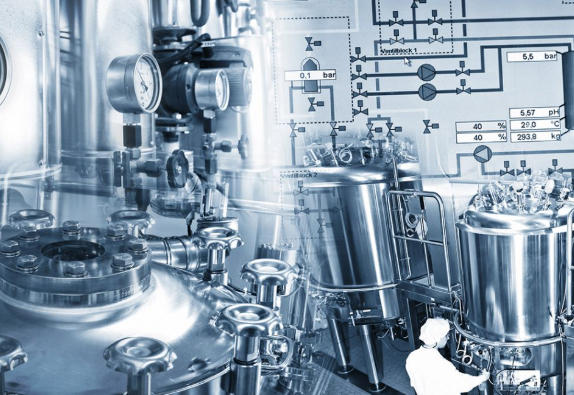
FAQ
1. What are the most important qualifications to look for when selecting pharmaceutical equipment manufacturers and suppliers in Chile?
When evaluating pharmaceutical equipment manufacturers and suppliers for Chilean operations, prioritize companies that provide comprehensive GMP documentation, including validation protocols and material certifications. Verify that equipment meets both Chilean ISP requirements and international standards like FDA or EU GMP. Local technical support presence, Spanish-language documentation, and proven track records with Chilean pharmaceutical companies are essential qualifications that ensure long-term success.
2. How do pharmaceutical equipment manufacturers and suppliers like Everheal support factory planning and layout design?
Leading pharmaceutical equipment manufacturers and suppliers such as Everheal offer integrated engineering services that extend beyond individual equipment supply. These services include facility layout optimization considering material flow, personnel movement, and GMP zoning requirements. They provide 3D modeling, utility requirement calculations, and coordination with construction contractors to ensure equipment integration with facility infrastructure. This comprehensive approach reduces project complexity and accelerates time to operational status.
3. What is the typical timeline for installing a complete pharmaceutical production line from equipment manufacturers and suppliers?
The timeline for pharmaceutical production line installation varies based on project scope and complexity. Simple equipment installations may require 3-6 months including delivery, installation, and validation. Complete turnkey facilities with custom-designed systems from pharmaceutical equipment manufacturers and suppliers typically require 12-24 months from design through regulatory approval. Factors affecting timeline include equipment customization requirements, facility construction progress, validation complexity, and regulatory review processes.
4. How do pharmaceutical equipment manufacturers and suppliers ensure compliance with evolving regulatory requirements?
Reputable pharmaceutical equipment manufacturers and suppliers maintain dedicated regulatory affairs departments that monitor changing requirements across global markets. They design equipment with inherent flexibility to accommodate regulatory updates through software modifications or minor hardware adjustments. Ongoing client communication about regulatory changes, equipment upgrade programs, and validation support for process modifications ensure continued compliance throughout equipment lifecycle.
5. What maintenance and support services should pharmaceutical equipment manufacturers and suppliers provide?
Comprehensive pharmaceutical equipment manufacturers and suppliers offer preventive maintenance programs, emergency repair services, spare parts management, and remote diagnostic capabilities. Optimal support packages include annual calibration services, operator refresher training, software updates, and performance optimization reviews. Local or regional service centers with certified technicians ensure rapid response times, minimizing production disruptions. Extended warranty options and service level agreements provide additional assurance of equipment reliability.


