Content Menu
● Understanding Why CPAP Machines Need Distilled Water
● What Is Distilled Water?
● How Does a Distillation Water Machine Work?
>> 1. Heating and Evaporation
>> 2. Steam Purification
>> 3. Condensation
>> 4. Storage and Distribution
● Making Distilled Water for a CPAP Machine at Home
>> Step 1: Prepare Your Tools
>> Step 2: Heat and Collect Steam
>> Step 3: Cool and Store Safely
>> Step 4: Use Fresh Water Daily
● Industrial Solution: Everheal's Pure Water Systems
>> Key Equipment Solutions from Everheal
● Benefits of Using a Distillation Water Machine
>> 1. Guaranteed Purity
>> 2. Reliable Operation
>> 3. Cost Efficiency
>> 4. Environmental Protection
>> 5. Compliance with Health Standards
● Maintenance Tips for CPAP Users
● Conclusion
● FAQs
>> 1. What kind of water can I use in my CPAP machine?
>> 2. Can I boil water instead of using a Distillation Water Machine?
>> 3. How long does homemade distilled water last?
>> 4. What is the difference between distilled and deionized water?
>> 5. Is distilled water safe for drinking?
For many CPAP (Continuous Positive Airway Pressure) machine users, pure and mineral-free water is essential. Using impure or mineral-rich water not only damages the machine but also poses health risks over time. The key to achieving this level of purity lies in distillation technology, and that's where a Distillation Water Machine becomes vital.
This article explains in detail how distilled water is made for CPAP machines, the function of distillation systems, safety considerations, and how industrial solutions from companies like Everheal make water purification both reliable and compliant with medical standards.
Understanding Why CPAP Machines Need Distilled Water
A CPAP machine helps patients with sleep apnea breathe more easily at night by providing constant air pressure through a mask. To keep this air moist, the device uses a built-in humidifier that evaporates water during operation.
However, if tap water or bottled mineral water is used instead of distilled water, residues such as calcium, magnesium, and other impurities will accumulate in the humidifier chamber. This buildup causes scaling, contamination, and bacterial growth. Over time, it can:
- Reduce the efficiency of your CPAP device.
- Emit unpleasant odors.
- Lead to respiratory irritation or infection.
Therefore, distilled water — free from minerals, heavy metals, and contaminants — is always the safest choice.
What Is Distilled Water?
Distilled water is purified by boiling water to produce steam and then cooling that steam back into liquid form. This process separates pure H₂O molecules from impurities like minerals, salts, and microorganisms.
In contrast to filtered or deionized water, which only removes chemical substances or ions, distilled water is entirely purified through phase change — making it ideal for sensitive applications such as laboratory use, pharmaceutical manufacturing, and medical devices like CPAP machines.
How Does a Distillation Water Machine Work?
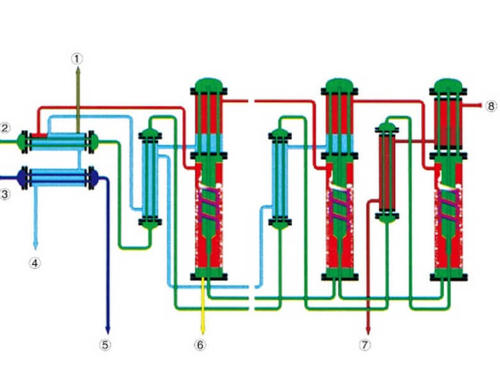
A Distillation Water Machine replicates the natural water cycle: evaporation, condensation, and collection. But in an engineered and controlled system, the process ensures sterilization and predictable quality output.
1. Heating and Evaporation
Raw feed water — usually pre-filtered to remove large particulates — is heated in the boiling chamber of the machine. As the water reaches its boiling point, it turns into steam, leaving impurities and inorganic substances behind. These contaminants remain in the boiling tank, often discharged periodically through an automatic drain valve.
2. Steam Purification
The steam generated passes through a series of demisters or separators that trap micro-droplets, ensuring that no particulate or mineral carryover contaminates the pure steam. In advanced Distillation Water Machines, the steam path is optimized to minimize microbial contamination risk.
3. Condensation
The pure steam is then cooled through a heat exchanger or condenser, turning it back into liquid form — now as pure distilled water. The use of high-grade stainless steel and sanitary connections maintains sterility throughout this stage, making it suitable for pharmaceutical and respiratory device use.
4. Storage and Distribution
The freshly distilled water is stored in a hygienic stainless steel tank with continuous ozone or UV sterilization to ensure purity. For home or medical use, water can be immediately collected for filling the CPAP reservoir.
Making Distilled Water for a CPAP Machine at Home
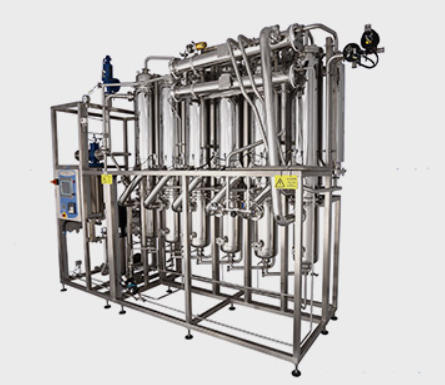
While an industrial Distillation Water Machine is used for large-scale or pharmaceutical-grade production, you can still make distilled water at home if you follow basic principles carefully.
Step 1: Prepare Your Tools
- A large stainless steel pot with a tight-fitting heat-resistant lid.
- A smaller glass bowl that can float inside the pot.
- Ice cubes.
- A stove or electric heater.
- Clean, filtered tap water.
Step 2: Heat and Collect Steam
Fill the large pot halfway with the filtered water, and place the smaller bowl in the center to collect the condensed steam. Put the lid upside down so the middle part dips over the bowl. Add ice cubes on top of the lid to create a temperature contrast—this helps condense steam into water droplets which then drip into the bowl.
Step 3: Cool and Store Safely
Once finished, let the newly collected distilled water cool completely before pouring it into a clean, airtight bottle. Mark the container as “Distilled Water” to distinguish it from regular tap water.
Step 4: Use Fresh Water Daily
For CPAP use, always make sure the distilled water is fresh. Never store home-produced water for extended periods to prevent microbial contamination.
Industrial Solution: Everheal's Pure Water Systems
For hospitals, laboratories, or pharmaceutical production, manual distillation is neither efficient nor consistent. Everheal provides advanced Distillation Water Machines and complementary purification systems that produce pure water and pure steam for professional applications.
Key Equipment Solutions from Everheal
- Pure Water Generation System: Utilizes reverse osmosis and distillation integration to achieve medical-grade water quality.
- Pure Steam Generator: Produces endotoxin-free steam used for sterilization and system sanitization.
- Multi-Effect Distillation Water Machine: Delivers large volumes of distilled water for pharmaceutical and biomedical production.
- Liquid Filling and Sealing Machines: Ensures aseptic transfer of purified liquids into medical containers.
- Sterilization Systems: Maintain complete microbial control in downstream processes.
These systems are designed to comply with GMP and ISO standards, providing consistent output quality for both domestic and international clients.
Benefits of Using a Distillation Water Machine
1. Guaranteed Purity
Distillation provides the highest level of purification, removing minerals, bacteria, viruses, and endotoxins.
2. Reliable Operation
Modern machines include sensors and automatic controls that ensure consistent temperature and flow, minimizing human error.
3. Cost Efficiency
Once installed, a Distillation Water Machine reduces dependency on bottled distilled water, saving money over time—especially for large operations.
4. Environmental Protection
With proper energy recovery systems, these machines recycle heat and water, minimizing waste.
5. Compliance with Health Standards
Distilled water produced under validated conditions meets medical-grade requirements, ensuring user safety for CPAP and other devices.
Maintenance Tips for CPAP Users
Even with the best distilled water, regular maintenance ensures device longevity.
- Empty and dry the water chamber daily.
- Use only distilled water—never demineralized or softened water.
- Clean the humidifier chamber weekly using mild soap and warm water.
- Replace the chamber if scaling or discoloration appears.
A well-maintained device, paired with distilled water made from a reliable Distillation Water Machine, guarantees safe and efficient therapy.
Conclusion
Distilled water is crucial for CPAP safety and performance. While you can produce it at home with simple tools, industrial-grade Distillation Water Machines provide unmatched purity for healthcare, pharmaceutical, and medical device needs. Companies like Everheal continue to lead with innovative water purification and sterile steam technologies that meet international standards and ensure dependable results in every application.
Choosing the right system not only safeguards your health but also advances sustainable production methods for pure water worldwide.
FAQs
1. What kind of water can I use in my CPAP machine?
Always use distilled water. Tap or mineral water contains dissolved salts and microorganisms that can damage the device and irritate airways.
2. Can I boil water instead of using a Distillation Water Machine?
Boiling kills bacteria but does not remove minerals or other impurities. Only distillation—by using a Distillation Water Machine—fully purifies the water.
3. How long does homemade distilled water last?
Ideally, use homemade distilled water within a few days. Store it in a clean, sealed glass container away from sunlight.
4. What is the difference between distilled and deionized water?
Distilled water is produced through evaporation and condensation, while deionized water uses ion-exchange resin. Only distillation guarantees removal of organic contaminants and microbes.
5. Is distilled water safe for drinking?
While technically safe, distilled water lacks beneficial minerals. It's best used for medical and industrial purposes like CPAP humidifiers, autoclaves, and pharmaceutical manufacturing rather than daily drinking.


