Content Menu
● Understanding Why Distilled Water Is Essential for CPAP Machines
>> Tap Water Problems
>> Distilled Water Solutions
● The Science Behind Water Distillation
>> Step-by-Step Process
● Making Distilled Water at Home for Your CPAP Machine
>> Equipment You'll Need
>> Homemade Distillation Steps
● Advantages of Using a Distillation Water Machine
>> Key Benefits
● Using Distilled Water Safely in CPAP Machines
>> Best Practices
● Industrial Symbiosis: Distillation Water Machines in the Pharmaceutical Field
● Comparing Different Distilled Water Solutions
● How to Maintain Your Distillation Water Machine
>> Maintenance Tips
● Environmental and Economic Considerations
● Conclusion
● FAQ
>> 1. What happens if I use tap water in my CPAP machine?
>> 2. Can I use bottled water instead of distilled water?
>> 3. How long can I store distilled water for CPAP use?
>> 4. Is boiling water the same as distilling it?
>> 5. How often should I clean my CPAP water chamber?
People who use CPAP (Continuous Positive Airway Pressure) machines understand how essential clean, pure water is for keeping the device running efficiently and safely. CPAP machines help people with sleep apnea breathe better by delivering a constant flow of air, and the water chamber adds moisture to prevent dryness in the airways. But using regular tap water can lead to mineral deposits, bacterial growth, or damage to the device. That's why distilled water is the recommended choice.
If you've ever wondered how to make distilled water for your CPAP machine, this guide will walk you through everything you need to know—from understanding the distillation process to exploring how a Distillation Water Machine can simplify this task for you.
Understanding Why Distilled Water Is Essential for CPAP Machines
CPAP devices are highly sensitive medical instruments. They use water in the humidifier chamber to create moist air, which prevents throat irritation while you sleep. However, not all water types are safe for use in the machine.
Tap Water Problems
Ordinary tap water contains minerals like calcium, magnesium, and iron. When heated, these minerals can crystallize inside the CPAP reservoir, forming scale buildup over time. This not only reduces the device's efficiency but also shortens its lifespan.
Distilled Water Solutions
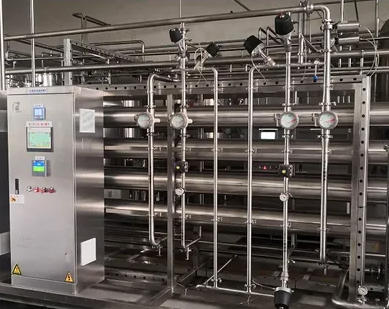
Distillation removes impurities, minerals, and microorganisms. It works by boiling water, collecting the steam, and then cooling it back into a liquid. The result is high-purity water free from harmful substances. That's exactly what a Distillation Water Machine does on a larger and more efficient scale.
The Science Behind Water Distillation
Water distillation mimics one of nature's oldest purification processes—the water cycle. In nature, water evaporates under sunlight, condenses in clouds, and falls as clean rain. A Distillation Water Machine replicates this process in a controlled environment.
Step-by-Step Process
1. Heating: Impure water is boiled inside the machine's chamber.
2. Evaporation: Steam separates from contaminants such as minerals, heavy metals, and microbes.
3. Condensation: The vapor passes through a cooling system and condenses into liquid form.
4. Collection: The resulting distilled water is stored in a clean reservoir or container.
The Distillation Water Machine ensures each stage is monitored for temperature control, evaporation rate, and condensation efficiency, producing high-grade distilled water suitable for medical devices, laboratories, and pharmaceutical industries.
Making Distilled Water at Home for Your CPAP Machine
If you don't have access to a Distillation Water Machine, you can still make distilled water at home with simple kitchen tools. However, keep in mind that small-scale methods produce limited quantities and require careful handling to maintain purity.
Equipment You'll Need
- A large stainless-steel pot with a lid
- A smaller glass bowl that floats inside the pot
- Ice cubes
- Tap water
- Heat source such as a stove
Homemade Distillation Steps
1. Fill the Pot: Pour tap water into the pot—enough so the floating bowl doesn't touch the bottom.
2. Position the Bowl: Place the small bowl to float on the surface.
3. Invert the Lid: Flip the lid upside down; it will act as a condensation surface.
4. Add Ice: Place ice cubes on top of the inverted lid to encourage condensation.
5. Heat the Water: Boil the water gently. Steam rises, hits the cool lid surface, and condenses into droplets that fall into the bowl.
6. Store Safely: Once collected, let the distilled water cool and store it in a clean glass container.
This process mimics the operation of a simple Distillation Water Machine but on a smaller, slower scale.
Advantages of Using a Distillation Water Machine
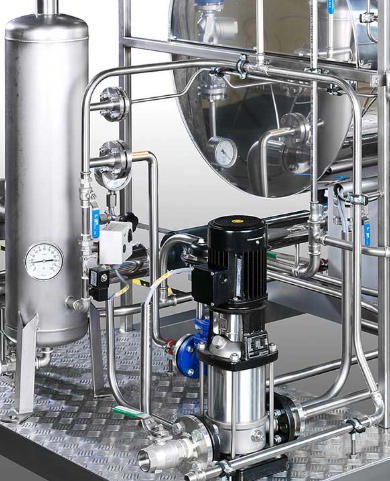
While homemade methods work, investing in a Distillation Water Machine ensures precise, consistent results. Such machines are widely used in hospitals, laboratories, and pharmaceutical manufacturing facilities.
Key Benefits
- Purity Assurance: Every drop is free from minerals, dissolved solids, and microorganisms.
- High Efficiency: Produces large volumes quickly with minimal energy waste.
- Longevity: Built from durable materials like stainless steel, ensuring years of reliability.
- Automation: Modern systems feature intelligent controls that automate heating, cooling, and water collection.
- Safety Compliance: Many Distillation Water Machines meet GMP and FDA requirements for medical and industrial applications.
For CPAP users, this means you can produce enough distilled water to last weeks or months, without worrying about contamination.
Using Distilled Water Safely in CPAP Machines
After generating distilled water with a Distillation Water Machine (or making it manually), proper storage and handling are critical.
Best Practices
- Use Clean Containers: Always store distilled water in sterilized glass or BPA-free plastic bottles.
- Avoid Recontamination: Don't pour used CPAP chamber water back into the container.
- Store in a Cool, Dark Place: Prevent algae or bacterial growth.
- Replace Water Daily: Even distilled water should be refreshed daily in your CPAP humidifier to ensure freshness.
Industrial Symbiosis: Distillation Water Machines in the Pharmaceutical Field
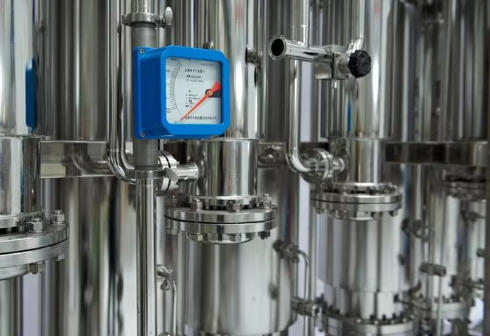
Companies like Everheal, a Chinese manufacturer specializing in pharmaceutical equipment, design advanced Distillation Water Machines and pure steam generators for global clients. These systems are essential in ensuring the consistent quality of medical-grade water used not only in CPAP applications but also in drug manufacturing and sterilization.
Everheal's solutions integrate automated monitoring systems, energy-saving condensers, and modular layouts to support complete factory planning and production line construction. Such machines ensure your water meets international pharmacopoeia purity standards, including USP, EP, and CP standards.
Comparing Different Distilled Water Solutions
| Type | Description | Pros | Cons |
| Homemade Distillation | Manual process using a pot and lid. | Low cost; simple tools. | Time-consuming; small yield. |
| Desktop Distillation Water Machine | Compact units for home or clinic use. | Easy operation; fast output. | Requires electricity; higher initial cost. |
| Industrial Distillation System | Large-scale systems for pharmaceutical or hospital use. | High purity; continuous operation. | Expensive; needs installation space. |
When choosing your method, consider your daily water needs, budget, and maintenance capacity.
How to Maintain Your Distillation Water Machine
Proper maintenance ensures your Distillation Water Machine continues to produce clean, reliable water for years.
Maintenance Tips
1. Regular Cleaning: Remove scale buildup using mild acid cleaners approved by the manufacturer.
2. Check Seals: Replace worn gaskets and seals to prevent leaks.
3. Inspect Heating Elements: Ensure they remain free of corrosion.
4. Calibrate Sensors: Temperature and pressure sensors should be regularly checked for accuracy.
5. Monitor Output Quality: Periodically test water conductivity to confirm purity.
Environmental and Economic Considerations
Distilling water requires energy, but modern Distillation Water Machines use heat recovery systems and energy-efficient condensers to reduce consumption. When compared to buying bottled distilled water, producing your own can be more sustainable and cost-effective over time.
Using renewable energy sources—such as solar panels to power your distillation system—further reduces your environmental footprint while providing a reliable source of pure water for CPAP therapy.
Conclusion
Distilled water is essential for maintaining your CPAP machine's performance, safety, and hygiene. Whether you create it at home or use a specialized Distillation Water Machine, ensuring purity protects both your health and your device.
For long-term and large-scale use, investing in professional distillation equipment—like those developed by Everheal—offers a dependable supply of high-quality distilled water that meets medical standards. Clean water equals cleaner sleep and better breathing.
FAQ
1. What happens if I use tap water in my CPAP machine?
Using tap water causes mineral deposits that can damage the humidifier chamber and harbor bacteria, reducing your machine's lifespan.
2. Can I use bottled water instead of distilled water?
Most bottled water still contains minerals, so it's not truly distilled. Always use distilled water to prevent scale buildup and contamination.
3. How long can I store distilled water for CPAP use?
When sealed and stored properly, distilled water can last up to six months. However, always check for any changes in clarity or odor before use.
4. Is boiling water the same as distilling it?
No. Boiling kills bacteria but doesn't remove minerals or dissolved solids. Distillation purifies water by separating vapor from impurities.
5. How often should I clean my CPAP water chamber?
Rinse it daily with mild soap and warm water, then deep-clean it weekly using a vinegar solution to remove any microbial growth.


